
 Worksheets
Cell Transport Everything
Total questions: 35
Worksheet time: 45mins

Against the concentration gradient, from low concentration to high concentration, uses ATP; this decribes.....


Special protein channels help move particles from high concentration % to low concentration %, but NO energy is needed. Moves objects like glucose. This is..
What is the movement of water molecules from an area of high concentration to low concentration? Hint: Specifically Water
Mitosis
Osmosis
Passive Transport
Active Transport
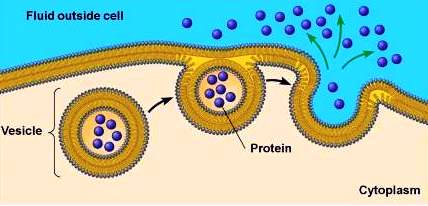
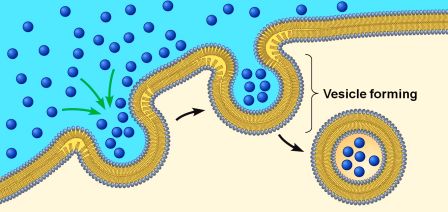

Passive Transport (no energy/assistance needed) is the movement of particles across the membrane from an area of [ ___ ] to an area of [ ___ ]
high to low
low to high
low to low
high to high
Passive Transport is the movement of particles _________ the concentration gradient.
with
against
opposing
throughout
An example of diffusion is
CO2 and O2 exchange in the lungs
Glucose transport
Na+ / K+ Pumps
Exocytosis

Across both sides of the membrane, these partices are in dynamic equilibrium. If they can freely move, what will happen?
The particles will still move across the membrane, but no net gain or loss occurs, and both concentrations on each side remain equal.
The particles will still move on each side, but they will not cross over the membrane barrier anymore. The 2 sides remains equal in concentration.
Particles from the top of the membrane will diffuse to the bottom of the membrane, going from high concentration to low concentration.
Which gases move into and out of the blood at the lungs by diffusion
Nitrogen and Oxygen
Oxygen and Carbon Dioxide
Nitrogen and Carbon Dioxide
Argon and Nitrogen
What is a difference between diffusion and facilitated diffusion?
movement of particles from [high] to [low]
a protein "helper"
movement of particles from [low] to [high]
energy
Active transport moves particles from an area of (a) concentration to an area of high concentration
What is the difference between active and passive transport? Name 2 differences
Why would your cells need to use active transport to pump more potassium into our cells, while also pumping sodium out?
High to low concentration, no assistance or energy needed.
Diffusion
Facilitated Diffusion
Active Transport
Endocytosis
High to low concentration, moving small-large molecules, needs some help (uses a protein channel) getting across, no energy needed
Osmosis
Facilitated Diffusion
Active Transport
Diffusion
(a) is the movement/diffusion of water molecules across a selectively permeable membrane?
Oxygen moving from the air in your lungs into your blood would be considered...
Diffusion
Facilitated Diffusion
Active Transport
Exocytosis
In which scenario below, if solute can diffuse freely across the cell membrane, would solute leave the cell?
When ATP energy is available
When the concentration of solute is equal on both sides of the cell membrane.
When solute concentration is higher outside the cell than inside the cell.
When solute concentration is higher inside the cell vs. outside the cell.
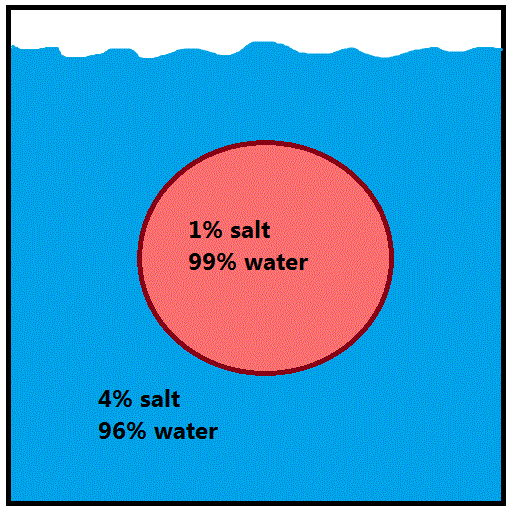
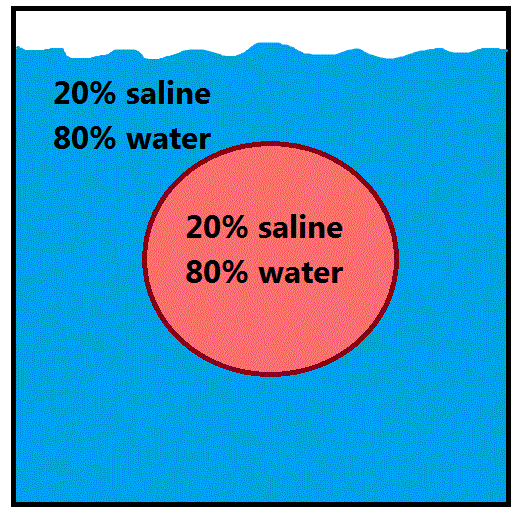


Which of the following is the function of the cell membrane? Select all that apply.
Provides instructions to the cell and other organelles.
Regulates compounds in and out fo the cell.
Allows cells to communicate and interact with other cells.
Breaks down wastes and other compounds.
Protects the cell from its environment.
The primary component of the cell membrane is the group of lipids called
prostaglandins
cholesterol
phospholipids
carbohydrate


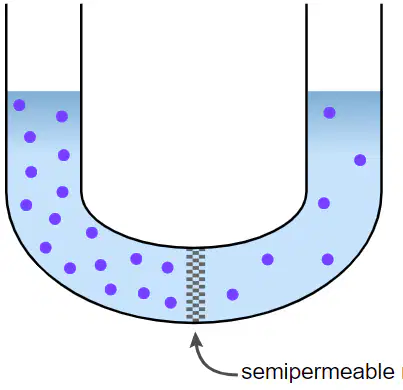
Where does the water go if only water can pass? (Dots are solute such as salt/sugar, etc.)
Towards the left side of the tube, towards higher solute concentration
Towards the right side of the tube, towards the lower solute concetration
Move equally in both directions
Not enough information to tell

