
 Worksheets
Biology Pre-test
Total questions: 52
Worksheet time: 34mins
Which organelle of the cell contains DNA and genetic material?
Chloroplasts
Ribomsomes
Cytoplasm
Nucleus
Jared observes a cell in biology lab with the light microscope. The cell has the following structures: nucleus, cell wall, and chloroplast. Identify the type of cell that Jared is observing.
animal
plant
fungus
bacteria
The non-living organisms of an ecosystem are called ______ .
Abiotic
Biotic
What is the natural source of almost all energy in most ecosystems?
Carbohydrates
Water
Carbon
Sunlight
Which organelle of the cell contains DNA and genetic material?
Chloroplasts
Ribomsomes
Cytoplasm
Nucleus
Aerobic means
without oxygen
with oxygen
without effort
Anaerobic means
with oxygen
without oxygen
to run for a long time
PMAT helps us remember the correct order of the phases of Mitosis. Which of the following has the phases of Mitosis in the correct Order
Interphase, Mitosis, Cytokinesis
Prophase, Metaphase, Anaphase, Prophase
Anaphase, Telophase, Prophase, Telophase
Prophase, Metaphase, Anaphase, Telophase
What is the purpose of Mitosis?
Growth of an organism and Repair of damaged tissue
To help the body get rid of extra cells
To increase the amount of classwork you have to do
To get rid of the nucleus
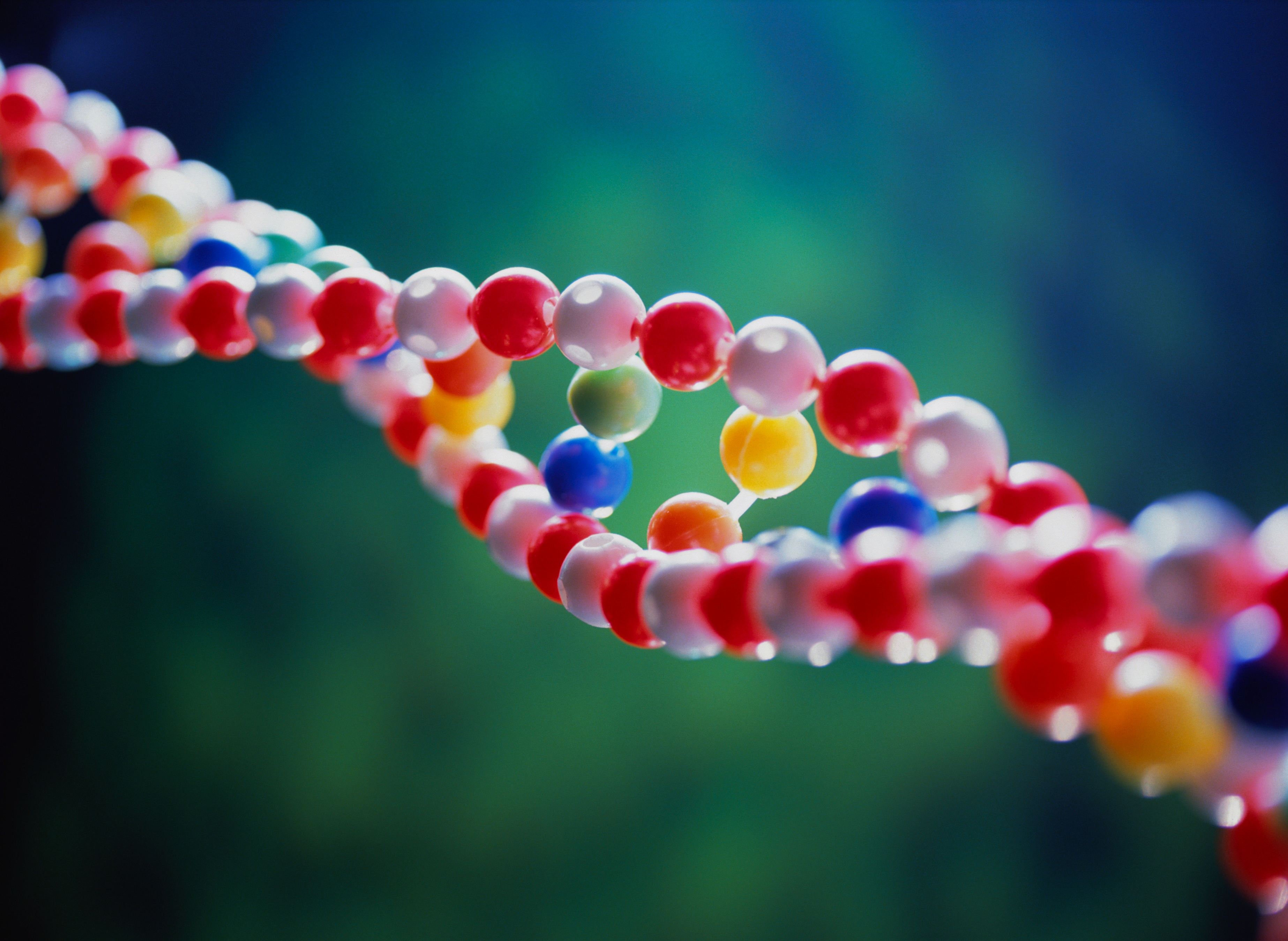
In eukaryotes, which organelle is DNA usually found in?
cell membrane
vacuole
chloroplast
nucleus


A protein is a macromolecule that is used to...
give cells/systems energy.
build cell parts.
give cells/systems long term energy storage.
help cells with chemical processes.
A carbohydrate is a macromolecule that is used to...
give cells/systems energy.
build cell parts.
give cells/systems long term energy storage.
help cells with chemical processes.
What would be a good example of a primary consumer?
carnivore
detrivore
decomposer
herbivore

Which organisms would be at the top or last trophic level?
plant
herbivore
omnivore
carnivore
Which statement is true?
Your DNA is identical to your siblings.
Your DNA is identical to your father's.
Your DNA is identical to your mother's.
Your DNA is unique to you.
An organism's observable physical features are also called what?
Genotype
Phenotype
An organism's genetic code is also called what?
Genotype
Phenotype
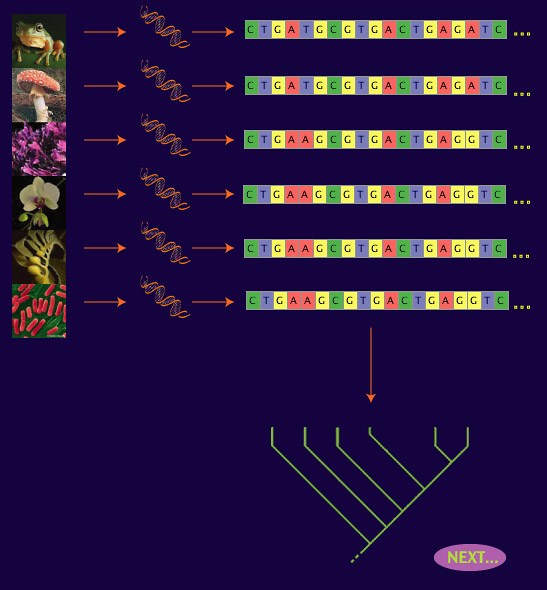
What do we call a change in a species over time?
Adaptation
Evolution
Extinction
Environmental influences
Biology
study of living things
study of chemicals
study of space
study of soil
Process of organizing and running experiments
living things
botany
scientific method
variables
The variable that a scientist is measuring
dependent
control
independent
experimental
Information that you already know, that is based on prior experience.
hypothesis
inference
conclusion
experiment
Regulating your temperature is an example of ____.
metabolism
response to stimuli
homeostasis
reproduction
Running away in fear from a loud noise is an example of __.
metabolism
response to stimuli
homeostasis
reproduction
Passing DNA on to offspring is
response to stimuli
evolution
reproduction
heredity
Change over time in a species is ______.
evolution
reproduction
genetics
heredity
Asexual reproduction requires ____ parents and sexual required ___ parents
1:1
2:1
0:2
1:2
When you step out into the cold, your body shivers in order to keep its temperature at 98.6oF. What characteristic of life is this an example of?
All living things use energy
All living things contain cells
All living things maintain homeostasis
All living things grow and develop
An amoeba is a unicellular organism. What characteristic is this an example of?
All living things reproduce
All living things contain a cell or cells
All living things respond to their environment
All living things grow and develop
When you step out into the cold, your body shivers in order to keep its temperature at 98.6oF. What characteristic of life is this an example of?
All living things use energy
All living things contain cells
All living things maintain homeostasis
All living things grow and develop
When you step out into the cold, your body shivers in order to keep its temperature at 98.6oF. What characteristic of life is this an example of?
All living things use energy
All living things contain cells
All living things maintain homeostasis
All living things grow and develop
Green plants produce their own food through the process of photosynthesis. What characteristic of life is this an example of?
All living things use energy
All living things contain cells
All living things maintain homeostasis
All living things grow and develop
A baby song bird hatches from its egg with both parent songbirds watching. What characteristic is this an example of?
All living things reproduce
All living things maintain homeostasis
All living things use energy
All living things grow and develop
A tulip opens in the morning at sunrise and closes in the evening at sunset. What characteristic of life is this an example of?
All living things have cells
All living things use energy
All living things respond to their environment
All living things grow and develop

