
 Worksheets
Aquatic Ecosystems
Total questions: 50
Worksheet time: 37mins
What are wetlands?
areas of land that are flooded at least part of the year
the ocean
lakes
estuaries
What is NOT an important feature of a wetland?
Prevents flooding
Provides habitat for organisms
Prevents wildfires
Filters and purifies water
Salinity refers to
how many plants are in the water
how many organisms live in the water
how much salt in is water
All are freshwater ecosystems except
marshes
lakes
eustary
rivers
What is at the base of the food chain in the ocean?
whales
plankton
turtles
seaweed
Aquatic life is abundant, diverse, and full of sunlight at which zone?
littoral zone
benthic zone
limnetic zone
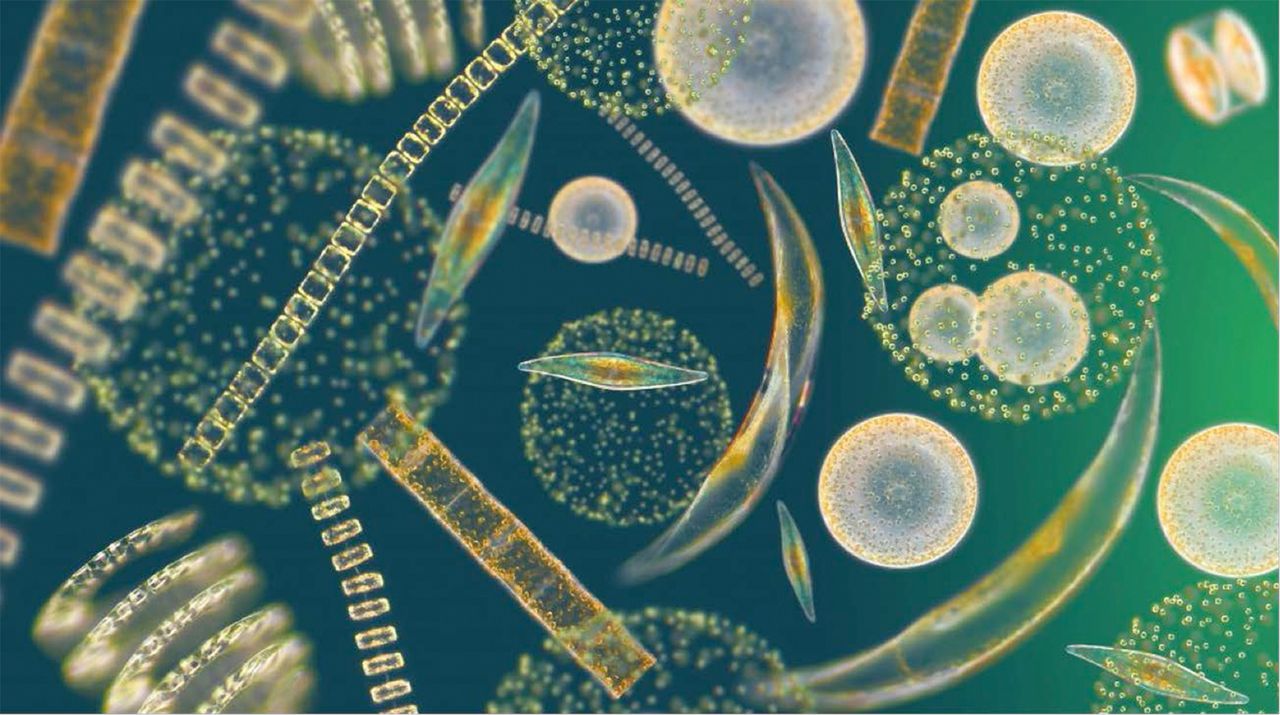

Which of the following are producers in the food web?
Phytoplankton and seaweed
Phytoplankton and zooplankton
Squid and Elephant Seal
Seaweed and Crabs

Which zone in this pond would be classified as benthic?
A
B
C

Which zone in this pond would be classified as limnetic
A
B
C

Which zone in this pond would be classified as littoral?
A
B
C

Of the three zones in the pond shown, which would you expect to see little or no photosynthesis, and a greater population of decomposers?
A
B
C

Which zone in the pond would you expect the greatest amount of biological diversity?
A
B
C
Driving home, you pass through a warmer area with a lot of farm land. You notice a pond near the road that is thick with coating of green algae. This is a ______________ pond.
Oligotrophic
Eutrophic
Mesotrophic
Which ecosystem is sometimes referred to as a “marine desert,” due to its lack of life?
Coastal zone
Benthic zone
Open ocean
Tidal zone
Where would you expect to find a bioluminescent organism?
In the aphotic or benthic zone of the ocean
In the photic zone of the ocean
In the disphotic zone of the ocean
Of the three types of inland freshwater wetlands, which one would you expect to find no trees, and a normal pH level?
Swamp
Marsh
Bog
All of these
This is the most productive ecosystem in the ocean. It is formed as the result of a tiny animal and algae living in a mutualistic relationship.
Mudflat
Sandy shore
Rocky shore
Coral reef
What are the two most important abiotic factors in determining the productivity, or amount of life in different areas of the ocean? Choose two.
Amount of sunlight.
Wind and wave speed
Nutrient levels in the water
Amount of dissolved carbon dioxide in the water
What color sand would you expect to see on sheltered cove on a volcanic island, such as Hawai’i?
White
Black
Brown
No sand; rocky shore instead
This area of the ocean only makes up 10% of the total ecosystem size, but has 90% of its biodiversity.
The coastal/tidal zones
The photic zone in the open ocean
The aphotic zone in the open ocean
The benthic zone
The change in sea level from high to low tide is the result of…
The gravitational effects of the sun
The gravitational effects of the moon and the sun
Wind
Small earthquakes on the ocean floor

This diagram represents what type of coastal wetland?
Sea grass bed
Salt marsh
Mangrove swamp
Estuary
Classify each of the following organism: Diatom (a type of green algae)
plankton
nekton
benthos
decomposer
Classify each of the following organism: Bacteria
plankton
nekton
benthos
decomposer
Classify each of the following organisms: Clams
plankton
nekton
benthos
decomposer
Classify each of the following organisms: Dolphins
plankton
nekton
benthos
decomposer

An estuary is where the rivers meet the... ?
Ocean
Beach
Mountain
Lake
An example of a fresh water habitat is _____
ocean
sea
pond
rainforest
Which marine environment has the most biodiversity?
Sandy Beach
Rocky Coast
Estuary
Coral Reef
In which ocean zone will you find the warmest waters?
This is the zone where the water level is constantly changing.
Mangroves are what type of aquatic ecosystem?
Wetland
Pond
Coastal ocean
Tundra

Which is not a benefit of a wetland?
pollution control
flood control
biodiversity
start succession

What are the limiting factors of marine ecosystems?
sunlight and nutrients
water and salinity
turbidity and nutrients
sunlight and salinty
Which is not an abiotic factor that influences life in aquatic biomes?
sunlight
turbidity
salinity
nutrients
carbon levels

Which is a characteristic of an oligotrophic lake?
high nutrients
low oxygen levels
low turbidity
warm water temperature

