wayground logo

Free Printable Worksheets

NEW

Font size

S
M
L
XL
Worksheets

Scientific Method, Characteristics of Life, and Homeostasis

Total questions: 40

Worksheet time: 49mins

Name
Class
Date
1.

A hypothesis is

a)

A possible answer to a question

b)

An observation

c)

A wild guess

d)

The answer to a question

2.

Which of these terms describes an organism's ability to maintain a stable internal environment?

a)

homeostasis

b)

isolation

c)

interaction

d)

reproduction

3.

Which of these steps should come before the other 3?

a)

Perform an experiment.

b)

Create a hypothesis

c)

Analyze your data.

d)

Draw a conclusion.

4.

In an experiment where half the plants get coffee and half get water, which variable is the coffee?

a)

A constant.

b)

The independent variable.

c)

The dependent variable.

d)

The hypothetical variable.

5.

In an experiment where half the plants got coffee and the other half got water, the height of the plants was the

a)

dependent variable.

b)

independent variable.

c)

hypothetical variable.

d)

conclusion.

6.
How many cells are required to be considered a living organism?
a)
At least one.
b)
Five or more cells
c)
You must have over 3,000 cells to be considered alive.
d)
As long as you have some of the parts of a cell, you are alive.
7.
What do we call organisms that are made up of more than one cell?
a)
monocellular
b)
bicellular
c)
multicellular
d)
unicellular
8.
What is the scientific term that is used an internal or external signal that organisms will respond to?
a)
factor
b)
stimulus
c)
nervous system response
d)
trigger
9.
Passing on helpful traits to their children, which will change the population over a long period of time is an example of which characteristic of life?
a)
All living things adapt.
b)
All living things grow
c)
All living things evolve.
d)
All living things respond and adapt to their environment.
10.

_________________ is the chemical reactions through which a living thing breaks down materials.

a)

Homeostasis

b)

Hypothesis

c)

Metabolism

d)

Digestion

11.

The dependent variable should be placed on which axis of a graph?

a)

X

b)

Y

c)

Z

d)

At the top with the title

12.

A constant or controlled variable is one which

a)

must be included in an experiment so as to add the element of human error.

b)

is undesirable and adds a source of error to the experiment.

c)

is a type of second independent variable which allows one to test multiple effects in a single experiment.

d)

is kept consistent between the two groups being compared.

13.

Plants need a constant supply of sun energy in order to photosynthesize. This would be an example of which characteristic of life?

a)

grow and develop

b)

genetic code

c)

obtain and use energy

d)

reproduce

14.
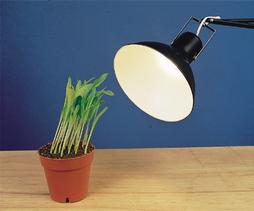
A plant growing towards the light is an example of 
a)
reproduction.
b)
responding to a stimuli.
c)
metabolism.
d)
homeostasis.
15.
What is an adaptation?
a)
A feature or behavior that helps an animal survive.
b)
The food that an animal eats.
c)
How energy moves in a food web.
d)
How animals evolve throughout time.
16.
In order for something to be considered a living organism, it must display _____ of the eight characteristics of living things.
a)
one
b)
some
c)
all
d)
more than half
17.

Cellular division directly relates to which of the following?

a)

organization

b)

metabolism

c)

growth and development

d)

evolution

18.

Which of the following is a response?

a)

a flashlight shined into the eye

b)

a rubber band popping your hand

c)

your pupils constricting when exposed to bright light

d)

blood glucose levels drop significantly
19.
Define BIOLOGY.
a)
The study of life and living organisms.
b)
The study of animals.
c)
They study of matter.
d)
The study of earth and its atmosphere.
20.
A plant growing towards the light is an example of 
a)
reproduction.
b)
responding to a stimuli.
c)
metabolism.
d)
homeostasis.
21.
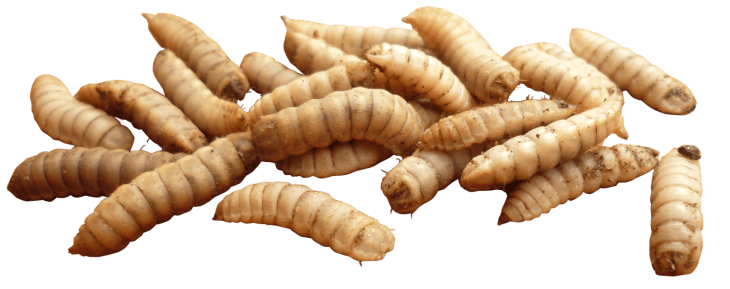
A maggot changing into a fly is an example of 
a)
reproduction.
b)
growth and development.
c)
homeostasis.
d)
evolution.
22.

Which of the following is an example of positive feedback?

a)

Thermoregulation

b)

Blood Pressure

c)

Childbirth

d)

Blood Sugar Levels

23.
When you get cut, your skin cells release hormones that signal platelets to come and stop the bleeding. Platelets then release more hormones that signal even more platelets to help stop bleeding. The hormone signals continue until the cut is closed.
a)
Positive Feedback Response
b)
Negative Feedback Loop 
24.

Which body system controls the body to maintain homeostasis?

a)

excretory

b)

nervous

c)

circulatory

d)

skeletal

25.

The group of organisms that use the process of homeostasis includes

a)

mammals, only

b)

animals, only

c)

plants and animals

d)

all living things

26.
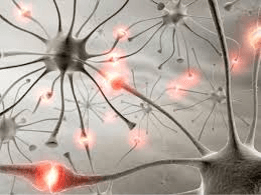
a body system that controls and coordinates all body activities through electric impulses/messages between brain, spinal cord and nerves.
a)
endocrine system 
b)
nervous system
c)
nerve
d)
neuron
27.
chemical made by glands that tell cells to make something or respond in some way.
a)
acid
b)
enzyme
c)
perspiration
d)
hormone
28.
Negative Feedback Loops:
a)
amplify processes
b)
prevent small changes from getting larger
c)
are initiated during childbirth
d)
are found only in plants
29.

Which two systems work together to maintain homeostasis while transporting oxygen throughout the body and removing carbon dioxide?

a)

circulatory and respiratory

b)

respiratory and excretory

c)

circulatory and digestive

d)

respiratory and digestive

30.

Your body temperature rises as you walk around outside in Bangladesh on a hot afternoon. The sensors in your skin detect the rise in your surface temperature so you start to sweat.

a)

Positive Feedback

b)

Negative Feedback

31.

What is the point of a feedback loop?

a)

To provide the body with more energy

b)

To provide the body with more food

c)

To make sure the conditions in the body are always changing

d)

To make sure the conditions in the body remain stable

32.

A feedback loop best fits which characteristic of life?

a)

Cells

b)

Organization

c)

Homeostasis

d)

Adaptation

33.

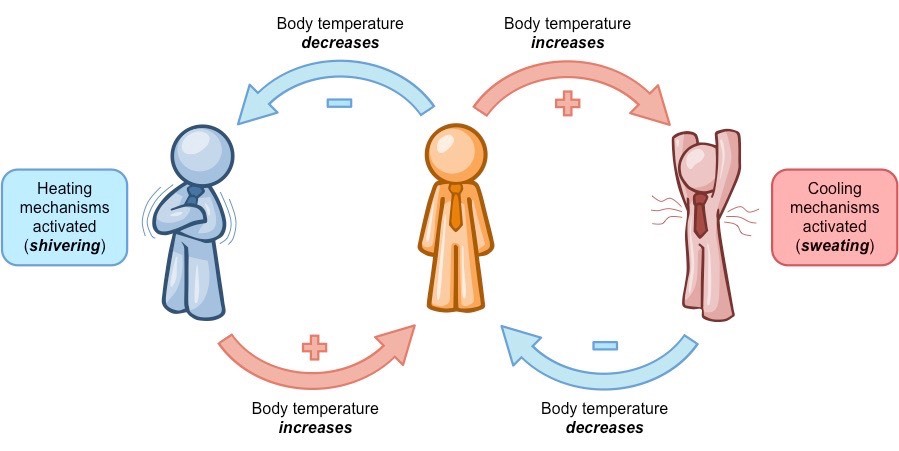
In this body temperature feedback loop, predict what would happen if cooling mechanisms were NOT activated?

a)

The body would not warm up.

b)

The body would not cool down.

c)

Your body would get colder and colder.

d)

Your body would release lots of heat.

34.

According to the feedback loop, what does high blood sugar promote?

a)

Insulin Release

b)

Glucagon Release

c)

Insulin Uptake

d)

Glycogen Uptake

35.
Failure to maintain homeostasis could result in:
a)
lack of internal balance
b)
eventual death
c)
difficulty carrying on metabolism 
d)
all three
36.
The two types of feedback systems that help organisms maintain homeostasis are:
a)
positive and negative 
b)
receptor and effector
c)
static and dynamic
d)
minor and major
37.
Maintaining body temperature is an example of a:
a)
negative feedback loop
b)
positive feedback loop
38.
The "effect" of a given stimulus is the...
a)
response
b)
stimulus
c)
cause
d)
result
39.
As you get dehydrated, your blood becomes thicker and harder to pump. Your kidneys will respond by stopping urine production, sending the water from urine into your bloodstream to thin your blood back to normal level.
a)
Positive Feedback Response
b)
Negative Feedback Loop 
40.
If the calcium in your blood decreases below homeostasis levels, a gland in the brain will sense the decrease and send a chemical message to your bones. Your bones will release calcium into the blood, bringing blood calcium levels back up.
a)
Positive Feedback Response
b)
Negative Feedback Loop