
 Worksheets
TRANSPORTATION
Total questions: 40
Worksheet time: 21mins
What is the important of the transport system in organism ?
Transport oxygen and nutrients to the body cell
Transport waste products to the body cells
Transport urea and mineral salts to the body cell
Transport carbon dioxide and nutrients to the body cells
Which of the following does not have valves
Heart
Arteries
capillaries
veins
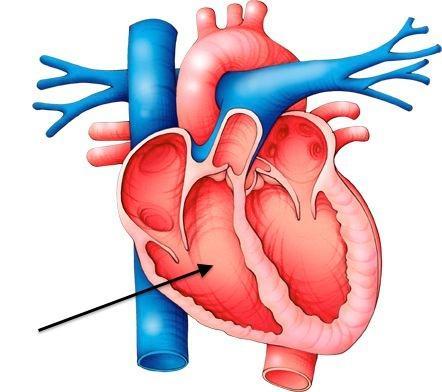
Identify
Left atrium
Right atrium
Left ventricle
Right ventricle
How many chambers are present in the heart of fish
1
3
2
4
Which of these organisms have no transport system?
Bear
Amoeba
Duck
Corona virus
Amphibians have ...............................
Incomplete double circulatory system
Complete double circulatory system
Single circulatory system
Which blood vessels carry oxygenated blood?
Aorta
Vena cava
Pulmonary vein
Pulmonary artery
Which pathway of blood flow is correct?
Left ventricle > Aorta > Right ventricle > Pulmonary vein
Right atrium > Right ventricle > Pulmonary artery > Lungs
Vena cave > Lungs > Right atrium > Left ventricle
Which is systemic circulation?
Heart > Body tissues > Heart
Heart > Lungs > Heart
Which blood group of donors can match to recipient of blood group A?
A
B
AB
O
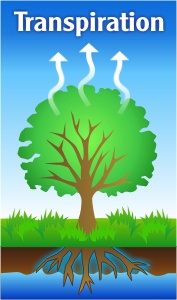
During the night, plants remove excess water through the process of .........................
evaporation
transpiration
guttation
dew formation
Rate of transpiration increases when ..................... is higher.
surrounding temperature
air humidity
light intensity
speed of air movement
Which tissue transports water and mineral salts?
Xylem
Phloem
Which of the chambers has the highest pressure?
Right verticle
Left ventricle
Left atrium
Right atrium
Which blood vessel carries the deoxygenated blood to the right atrium?
Vena cava
Pulmonary artery
Pulmonary vein
All of them
colour of blood is due to pigment
chlorophyll
haemoglobin
xanthin
proteins
In plants, food prepared by the leaves is transported to all the other parts of the plants by-
Stomata
Phloem
Root hair
Xylem
What is the function of valves in heart?
To prevent the backflow of blood in the chambers.
To allow the backflow of blood in the heart.
To initiate the flow of the blood in the heart.
Which blood group can receive from blood group AB
A
B
AB
O
Which blood type is known as the universal donor?
A
B
AB
O
When a person donates blood to someone else in need, it is called a blood _______.
transfiguation
transportation
transfusion
transmission
Which one of the following blood groups produce no antibodies?
A
B
AB
O

What antibody does a type A person naturally make?
Anti-A
Anti-B
Anti-O
Anti-A,B

Anti-B is found in which patients (select all that apply).
Type O
Type A
Type B
Type AB

* The process of exchange of substances needed by cells and waste products occurs at suitable rate and comprehensively.
*Have no specialised transport system.
These are the characteristics of:
Complex organism
Simple organism
Complicated organism
Singular organism
Type of blood circulatory system in reptiles is:
Double blood circulatory system
Incomplete double circulatory system
Complete double circulatory system
Single blood circulatory system
For mammals and birds, the component of heart consists of:
one atrium and one ventricle
two atria and one ventricle
two atria and two ventricles
two atria and three ventricles
Tick the CORRECT characteristic(s) of artery:
Thick and muscular wall with a lot of elastic tissues to withstand high blood pressure
Small lumen and no valve
Transport deoxygenated blood from the heart to the whole body, except the lungs
Rapid blood flow under high blood pressure
Has pulse

