wayground logo

Free Printable Worksheets

NEW

Font size

S
M
L
XL
Worksheets

Unit 1 Review: Cells & Cellular Processes

Total questions: 68

Worksheet time: 3570secs

Name
Class
Date
1.
The reactants of photosynthesis are
a)
sugar and water.
b)
sugar and oxygen.
c)
carbon dioxide and water.
d)
carbon dioxide and oxygen.
2.
What are the products of photosynthesis?
a)
Carbon dioxide and water
b)
Carbon dioxide and oxygen
c)
Glucose and oxygen
d)
Glucose and water
3.
What pigment absorbs sunlight for photosynthesis?
a)
chloroplast
b)
thylakoid
c)
grana
d)
chlorophyll
4.
Which of the following is the correct equation for PHOTOSYNTHESIS?
a)
6CO2 + 6H2O --> 6O+ C6H12O6
b)
6CO+ C6H12O6 + 6H2O --> O
c)
6O2 + 6H2O --> 6CO+ C6H12O6
d)
C6H12O6 + 6O2 ---> 6H2O + 6CO2 
5.
What is the purpose of photosynthesis?
a)
make glucose
b)
make ATP
c)
make light
d)
release carbon dioxide
6.
What is the gas we breathe out that plants use for photosynthesis?
a)
sulfur
b)
carbon dioxide
c)
oxygen
d)
hydrogen
7.
In which organelle (part of the cell) does photosynthesis take place?
a)
mitochondria
b)
chloroplast
c)
nucleus
d)
cell membrane
8.
What are the reactants in the equation for cellular respiration?
a)
oxygen and lactic acid
b)
carbon dioxide and water
c)
glucose and oxygen
d)
water and glucose
9.
What is the correct equation for cellular respiration?
a)
6O2 + C6H12O6 -> 6CO2 + 6H2O + Energy
b)
6O2 + C6H12O6 + Energy -> 6CO2 + 6H2O
c)
6CO2 + 6H2O -> 6O2 + C6H12O6 + Energy
d)
6CO2 + 6H2O + Energy -> 6O2 + C6H12O6
10.
Where does cellular respiration occur?
a)
Mitochondria
b)
Chloroplast
c)
Nucleus
d)
Vacuole
11.
6CO2 + 6H2O + light → C6H12O6 + 6O2
What are the reactants of photosynthesis?
a)
Glucose and oxygen
b)
Carbon dioxide and water
c)
Oxygen and water
d)
Carbon dioxide and glucose
12.
What does the chemical formula C6H12O6 represent?
a)
Oxygen
b)
Carbon dioxide
c)
Hydroxide
d)
Glucose
13.
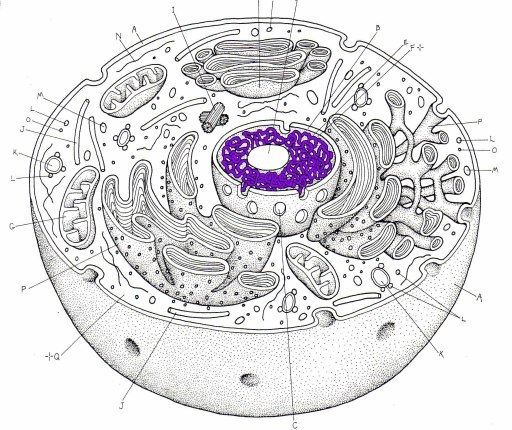
 Eating a lot of sugar will cause organelle “K” to produce a high amount of energy.  What is the name of this organelle?
a)
mitochondria
b)
nucleus
c)
chloroplasts
d)
ribosome
14.
1. If a cell’s lysosomes were damaged, which of the following would most likely occur?
a)
The cell would produce more proteins than it needs.
b)
The cell would have chloroplasts that appear yellow rather than green
c)
The cell would be less able to break down molecules
d)
The cell would be less able to regulate the amount of fluid in its cytoplasm.
15.
An animal cell surrounded by fresh water will burst because the osmotic pressure causes
a)
water to move into a cell
b)
solutes to move into a cell
c)
water to move out of a cell
d)
solutes to move out of a cell
16.
Why is the sun considered the ultimate source of energy for life on Earth?
a)
all organisms carry out cellular respiration.
b)
photosynthetic organisms provide energy for other organisms on Earth.
c)
the sun heats the Earth’s atmosphere
d)
organisms carry out photosynthesis.
17.

Which statement concerning the structures within this cell is accurate?

a)

Structure 1 is a chloroplast that carries out photosynthesis.

b)

Structure 2 is a vacuole that contains DNA.

c)

Structure 3 is a mitochondrion, where respiration takes place.

d)

Structure 4 is the cell membrane, which provides rigid support for the cell.

18.

The arrow indicates that the cell membrane is carrying out the process of

a)

respiration

b)

photosynthesis

c)

diffusion

d)

active transport

19.

Mitochondria provide ribosomes with

a)

ATP for protein synthesis

b)

oxygen for respiration

c)

amino acids for protein synthesis

d)

carbon dioxide for the production of sugars

20.

It may be harmful when people compete to see who can hold their breath the longest under water. Without oxygen, brain cells

a)

make too many enzymes

b)

cannot make enough ATP

c)

have too much water

d)

have too few mitochondria

21.

Which statement best describes what will most likely happen after several minutes?

a)

The liquid outside the model cell will change color.

b)

The contents of the model cell will change color.

c)

The model cell will shrink.

d)

The model cell will rupture.

22.

The movement of molecules from side A to side B is an example of the process of

a)

cellular respiration

b)

active transport

c)

diffusion

d)

photosynthesis

23.

The reaction shown below converts the energy from nutrients to ATP:

Glucose + Oxygen → Carbon Dioxide + Water + ATP

What is this process called?

a)

cyclosis

b)

diffusion

c)

cell respiration

d)

photosynthesis

24.

The diagram below represents two processes that occur in organisms. A characteristic represented by X is common to both of these processes.


A characteristic that the two processes have in common is that each process

a)

uses ATP

b)

moves molecules

c)

uses oxygen

d)

requires enzymes

25.
Rigid, outermost layer of the plant cell
a)
nucleus
b)
cell membrane
c)
cell wall
d)
cytoplasm
26.
The control center that controls all the functions of the cell
a)
cytoplasm
b)
cell wall
c)
cell membrane
d)
nucleus
27.
Semi-permeable layer around the cell that encloses the contents of the cell
a)
nucleus
b)
cell membrane
c)
cell wall
d)
chloroplast
28.
jelly-like substance that is located between the cell membrane and the nucleus
a)
mitochondria
b)
chloroplast
c)
vacuole
d)
cytoplasm
29.
I store water in both plant and animal cells. What am I?
a)
cytoplasm
b)
ribosomes
c)
vacuole
d)
lysosomes
30.

What is the function of a chloroplast?

a)

makes proteins for animal cells

b)

allows materials in and out of the cell

c)

provides structure and support

d)

absorbs sunlight for photosynthesis

31.

The arrow is showing the fluid inside the cell that surrounds the cell organelles. What is the arrow pointing to in the cell?

a)

cytoplasm

b)

mitochondria

c)

ribosomes

d)

nucleus

32.

I make proteins for the cell. What am I?

a)

ribosome

b)

cell membrane

c)

nucleus

d)

chloroplast

33.
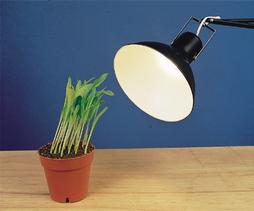
A plant growing towards the light is an example of 
a)
reproduction.
b)
responding to a stimuli.
c)
metabolism.
d)
homeostasis.
34.
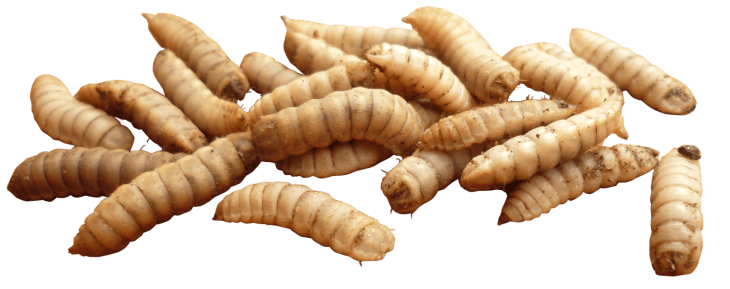
A maggot changing into a fly is an example of 
a)
reproduction.
b)
growth and development.
c)
homeostasis.
d)
evolution.
35.
The maintenance of an organism’s internal environment is called:
a)
compensating
b)
homeostasis
c)
balancing
d)
routine
36.
Rocks are not living because
a)
they never move
b)
they aren't needed for humans
c)
they are not made of cells
d)
they don't break down
37.
A cactus shows all of the following characteristics EXCEPT ____________. 
a)
need water
b)
growth 
c)
movement
d)
respond to environment 
38.
The dismissal bell rings and you pack up your belongings. In this scenario, what is the stimulus?
a)
The bell ringing
b)
You packing up your belongings
c)
More information is needed
39.
 All organisms contain instruction molecules that help determine which traits the organism will have is an example of 
a)
universal genetic code (DNA/RNA)
b)
metabolism
c)
evolution
d)
growth and development
40.
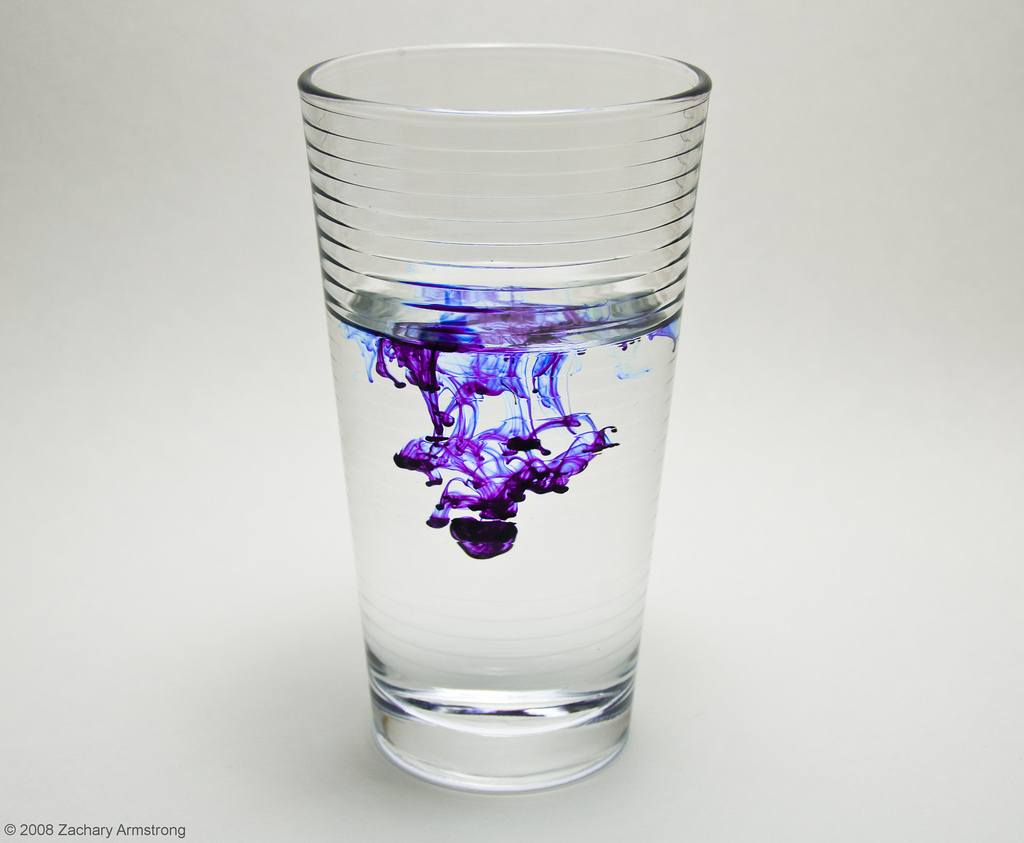
Where is there a low concentration of dye?
a)
at the bottom of cup
b)
in the color
c)
at the top of cup 
d)
no concenteraion gradient
41.
What is diffusion?
a)
when molecules move 
b)
when molecules move from a high concentration to a low.
c)
no movement 
d)
molecules move everywhere
42.
During osmosis
a)
water moves from high to low concentration
b)
large or oddly shaped molecules move across a cell membrane
c)
water moves when energy is used
d)
proteins are built
43.
What is the definition of  Selective Permeability?
a)
The movement of materials across the cell membrane that requires NO ENERGY from the cell.
b)
The movement of materials through (or across) the cell membrane
c)
The ability of the cell membrane to allow some things to pass through while preventing other things from passing through.
d)
The movement of molecules from an area of high concentration to a area of low concentration 
44.
When both inside and outside of a cell have the same amount of water it is said that the cell has reached a state of
a)
Osmosis
b)
Diffusion
c)
Equilibrium
45.
A person would never have pure water put into their veins in a hospital because their cells would...
a)
Shrink/Dehydrate
b)
Expand
46.
In the given scenario what will happen?  An egg is placed in pure water for 48 hours.
a)
The egg will gain water and swell.
b)
Water will move in and out of the cell equally, and the cell with neither shrink nor swell.
c)
The egg will lose water and shrink.
47.
All cells have DNA.
a)
True
b)
False
48.
Eukaryotic cells are complex.
a)
true
b)
false
49.
What kind of cell is this?
a)
Eukaryotic
b)
Prokaryotic
50.
What type of cell is pictured?
a)
Prokaryotic
b)
Eukaryotic
c)
Plant
d)
Animal
51.
What does it mean when you see a nucleus in a cell?
a)
The cell is empty
b)
The cell is prokaryotic
c)
The cell is eukaryotic
d)
This would not be a cell
52.
Which cell is larger, more complex and has a nucleus?
a)
Eukaryotic
b)
Prokaryotic 
53.
Which cell is smaller, more simple and does not have a nucleus?
a)
Eukaryotic 
b)
Prokaryotic 
54.

Sexual Reproduction involves ______ parents.

a)

zero

b)

one

c)

two

d)

three

55.

The offspring of sexual reproduction are genetically _____________.

a)

identical

b)

the same

c)

different

d)

clones

56.

Asexual reproduction occurs (happens), with __________.

a)

sperm and eggs

b)

a male and a female mating

c)

single organisms

d)

two parents

57.

A positive aspect (thing) about asexual reproduction is that ______________________.

a)

there is no genetic diversity

b)

it is easier, faster, and makes more offspring

c)

there is genetic diversity

d)

it requires a male and female

58.
Which of the following is the correct order of organization in living things from most basic (simple) to most complex?
a)
a.  Organism, cell, tissue, organ, organ system
b)
a.  Organ system, organ, tissue, cell, organism
c)
a.  Cell, tissue, organ, organ system, organism
d)
a.  Cell, organ, tissue, organ, organism, organ system
59.
Anything that can perform life processes by itself is a/an
a)
cell
b)
organ
c)
organism
d)
organ system
60.
A group of similar cells that come together to perform a specific function is a/an
a)
organ
b)
organism
c)
organ system
d)
tissue
61.
When a group of organs work together to perform a particular function they create a/an
a)
organ system
b)
organism
c)
tissue
d)
organ
62.
The smallest level of organization of life in an organism
a)
tissue
b)
cell
c)
organ
d)
organ system
63.
Which is an example of an organism?
a)
a beetle
b)
a lake
c)
a rock
d)
a shell
64.
The heart contains different types of tissue. What level is the heart?
a)
cell
b)
organ system
c)
organ
d)
tissue
65.
The digestive system includes the stomach. What level is the stomach?
a)
organ
b)
tissue
c)
cell
d)
organism
66.
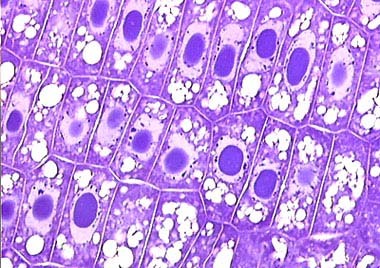
This is a example of ........
a)
cell
b)
tissue
c)
organ 
d)
organ system
67.
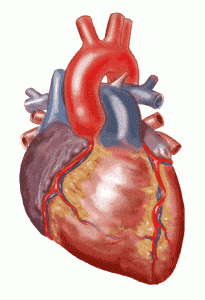
This is a example of ........
a)
cell
b)
organ system
c)
organ
d)
tissue
68.
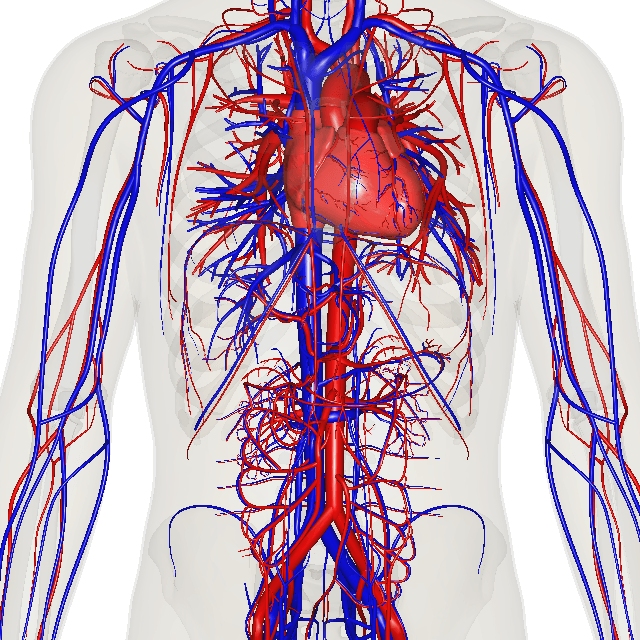
This is a example of ........
a)
organ
b)
organ system
c)
tissue
d)
cell