
 Worksheets
Matters and Their Features
Total questions: 42
Worksheet time: 31mins
What are the states of matter?
solid, liquid, and juice
solid, liquid, plasma
gas, plasma, amoled
solid, liquid, gas, plasma


Water can change state. What happens to water during condensation?
It changes from liquid to a gas.
It changes from a gas to a liquid.
It changes from a liquid to a solid.
It changes from a solid to a liquid.
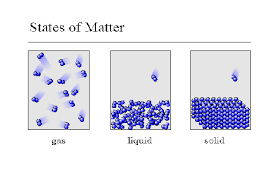
An object going from a solid to a liquid is
sublimation
deposition
freezing
melting
Sublimation is the process of
a gas going to a liquid
a solid going to a gas
a liquid going to a solid
a gas going to a solid
___________ are the smallest unit of an element that maintains the properties of that element.
Atoms
Elements
Compounds
Mixtures
An _______________ is made up of one or more of the same kind of atom chemically combined.
atom
element
molecule
compound
A _____________ contains a variety of elements and compounds that are not chemically combined with each other.
compound
element
molecule
mixture
A __________________ is a substance that has definite physical and chemical properties such as appearance, melting point, and reactivity.
mixture
pure substance
compound
element
A ______________ mixture is one that does not have a uniform composition.
heterogeneous
homogenous
pure substance
A _________________ mixture is one where the substances are evenly spread throughout.
heterogeneous
homogeneous
pure substance
Which of these is an element?
Salt (NaCl)
Water (H20)
Oxygen (O)
Carbon Dioxide (CO2)
Which of these is a compound?
Aluminium (Al)
Carbon Dioxide (CO2)
Nitrogen (N)
Sand
All of the following are compounds EXCEPT:
hydrogen
sodium chloride
water
carbon dioxide
Compounds are pure substances.
True
False

The particle diagram shown is a:
pure substance
mixture

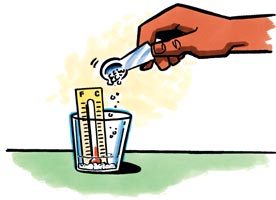
A student inflates a balloon with helium then places it in the freezer. The student should expect
the balloon's volume to increase
the balloon's volume to decrease
the balloon's moles to increase
the balloon's moles to decrease
When a piston compresses in a chamber the volume of the gas inside decreases. What happens to the pressure and which gas law is this representing?
The pressure decreases - Charles'
The pressure increases - Charles'
The pressure decreases - Boyle's
The pressure increases - Boyle's
Avogadro's Law explains the relationship between
Pressure and Volume
Pressure and Temperature
Volume and Temperature
Volume and Moles
If a hairspray can is heated, what can be expected of the pressure of the gas inside the can?
The pressure will increase
The pressure will decrease
The pressure will remain constant
The pressure will equalize
This type of solid forms a regular repeating
three-dimensional structure called a crystal lattice. What type of solid is this?
amorphous
crystalline
glass
diamond
In amorphous solids, the atoms or molecules are held together in a completely random formation.
true
false
Which is an example of an ionic crystal?
Quartz
NaCl
Ammonia
Iron
Which is an example of a metallic crystal?
Quartz
NaCl
Ammonia
Iron
Surface tension is the property of water in which...
water molecules at the surface tend to stick together.
water spills easily.
water tends to be see-through.
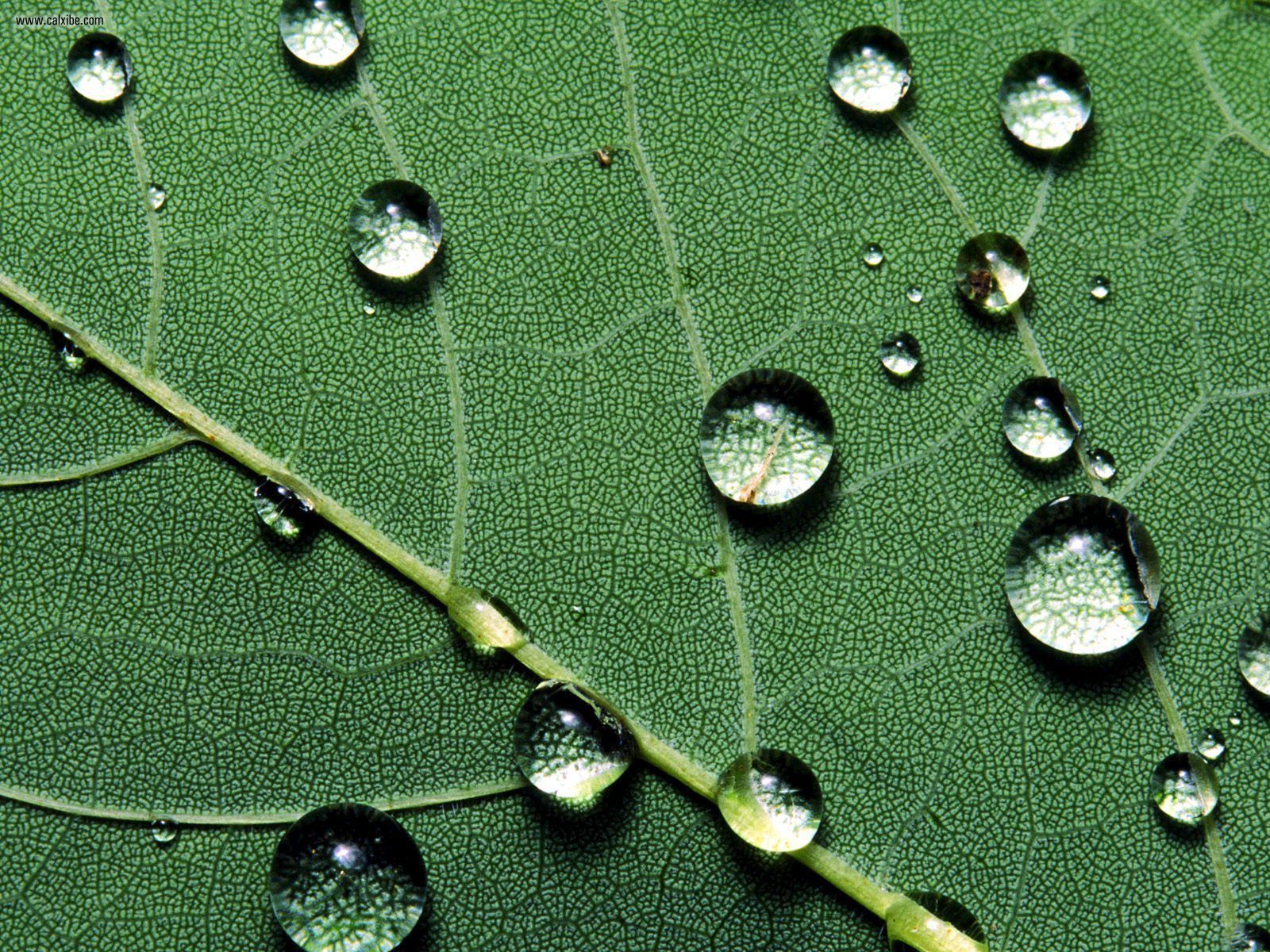
Refer to the picture of water sticking to a leaf; this is occurring because of:
Adhesion
Cohesion
Describe COHESION.
Water molecules attracted to other substances.
Water molecules climbing upwards against the force of gravity.
Water molecules dissolving many substances because of its polarity.
Water molecules attracted to other water molecules.

Water's ability to stick to glass is
adhesion
cohesion
surface tention
capillary action

The analysis of the way matter emits and absorbs radiation is called ___.
astronomy
chemistry
spectroscopy
atomic theory



