
 Worksheets
Circulatory System
Total questions: 45
Worksheet time: 25mins
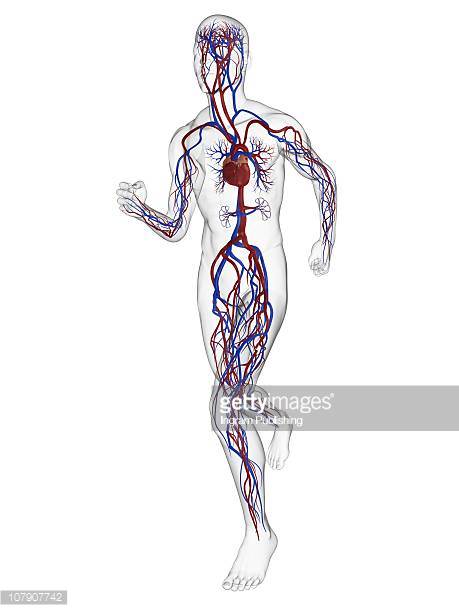
What is the main organ of the circulatory system?
small intestine
bone
lungs
heart
Veins carry oxygen poor blood back to the heart.
False
True
Arteries carry oxygen rich blood away from the heart.
True
False
The job of the heart is to . . .
pump blood around the body.
send food to the small intestines.
break down food.
give energy to the body.


Delivers oxygen to your body cells. Made in bone marrow.
white blood cell
red blood cell
respiratory system
lungs
Fights disease and infection. Made by the lymphatic system.
white blood cells
red blood cells
circulatory system
blood
Small blood vessels that diffuse oxygen, carbon dioxide, and nutrients.
heart
arteries
veins
capillaries
Cholesterol and plaque builds up on vessel walls and causes heart attack and stroke.
leukemia
heart disease
hemophilia
sickle-cell anemia
The 3 main functions of the Circulatory System
break down food, remove waste, make blood cells
react to stimuli, grow, adapt
deliver materials, remove waste, and fight infection
The (a) is the largest artery in the body.
Your heart rate, or pulse, is the number of times your heart beats per (a) .
(a) is the liquid part of blood.
(a) help form clots to stop bleeding.
Blood vessels that carry blood to the heart.
Veins
Arteries
Capillaries
The upper part of the heart is made up of two chambers called what?
Ventricles
Atria
(a) are the tiniest blood vessels.
The bottom part of the heart is divided into two chambers called what?
Ventricles
Atria
These blood cells carry oxygen from the lungs to all parts of the body.
White Blood Cells
Red Blood Cells
Platelets
Plasma
About how many times does your heart beat per minute?
20-60
40-80
60-100
80-120
This occurs when blood flow to part of the heart is blocked.
Heart attack
Stroke
Arrhythmia

The blood obtains the oxygen from which organ?
Brain
Lungs
Heart
Stomach

In the body, the superior vena cava receives blood to the heart from
Head
Neck
Upper Limbs
Chest

In the body, the INFERIOR vena cava receives blood to the heart from
Torso
Organs
Lower Limbs
Head

The purpose of the valves is to keep the blood flowing in the right direction
True
False

After the blood leaves the right atrium, it goes to the...
Right Ventricle
Right Atrium
Left Ventricle
Left Atrium

After the right ventricle, the blood goes through the pulmonary artery to...
Lungs
Heart

In the lungs, the blood gets rid of...
Oxygen
Carbon Dioxide

In the lungs, the blood gets...
Oxygen
Carbon Dioxide

After the blood gets oxygen from the lungs, it goes through the pulmonary veins to the heart's....
Right Atrium
Left Ventricle
Right Ventricle
Left Atrium

After the left atrium, the blood goes through the mitral valve to the...
Left Atrium
Left Ventricle
Right Atrium
Right Ventrical

Lastly, the oxygenated blood goes through the ___________ to the rest of the body.
Aorta
Vena Cava

