wayground logo

Free Printable Worksheets

Font size

S
M
L
XL
Worksheets

📚EA7: HW19 (10.24)

Total questions: 75

Worksheet time: 36mins

Name
Class
Date
1.
a)
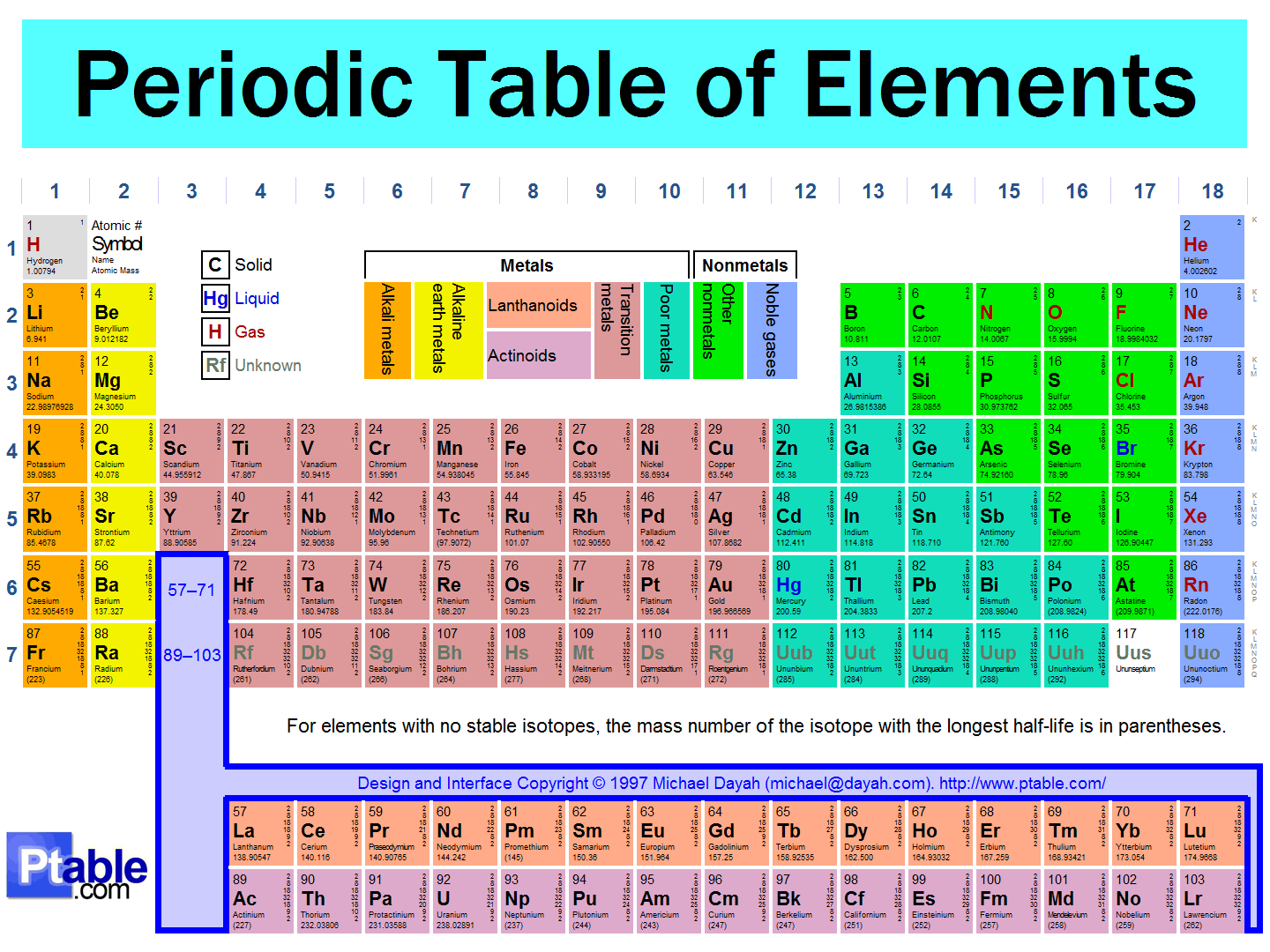
Alkali
b)
Alkaline
c)
Halogen
d)
Noble Gases
2.
a)
Alkali
b)
Alkaline Earth
c)
Halogen
d)
Noble Gases
3.
a)
Alkali
b)
Alkaline Earth
c)
Halogens
d)
Noble Gases
4.
a)
Alkali
b)
Alkaline
c)
Halogen
d)
Noble Gases
5.
a)

Transition Metals

b)

Inner Transition Metals

c)

Metals

d)

Metalloids

6.
a)
Transition Metals
b)
Post Transition Metals
c)
Non Metals
d)
Metaloids
7.
a)
Transition Metals
b)
Post Transition Metals
c)
Non Metals
d)
Metaloids
8.
Who first created the periodic table?
a)
Henry Mosley
b)
Dmitri Mendeleev
c)
Alfred Wegener
9.

2 H2O2 ---> 2H2O + O2

a)

decomposition

b)

synthesis

c)

single replacement

d)

double replacement

10.

4 Fe + 3O2 ---> 2 Fe2O3

a)

decomposition

b)

combustion

c)

synthesis

d)

single replacement

11.

2 Al + 3 CuCl2 ----> 3 Cu + 2 AlCl3

a)

combustion

b)

synthesis

c)

double replacement

d)

single replacement

12.

C3H8 + 5 O2 ---> 3 CO2 + 4 H2O

a)

single replacement

b)

double replacement

c)

combustion

d)

decomposition

13.

Ca + 2 NaF ---> CaF2 + 2 Na

a)

synthesis

b)

combustion

c)

decomposition

d)

single replacement

14.
What is the Law of Conservation of Mass?
a)
It states that no matter can be created or destroyed.
b)
It states that no energy can be created or destroyed.
c)
It states that matter can be created or destroyed.
d)
It states that no sound can be created or destroyed.
15.
A + B → AB : is the general form for which reaction type?
a)
Double Replacement
b)
Synthesis
c)
Combustion
d)
Decomposition
16.
Which of the following is the general formula for a decomposition reaction?
a)
A + B  → AB
b)
AB → A + B
c)
AB + C → AC + B
d)
AB + CD → AC + BD
17.
What is a coefficient?
a)
The small number on the right of the chemical symbol.
b)
The large number to the left of a formula.
18.
AB + CD = AD + CB
a)
Double Replacement
b)
Single Replacement
c)
Combustion
d)
Decomposition
19.
A + BC = B + AC
a)
Single Replacement
b)
Combustion
c)
Double Replacement
d)
Synthesis
20.
AB = A + B
a)
Decomposition
b)
Single Replacement
c)
Combustion
d)
Synthesis
21.
The horizontal row on the periodic table is called a
a)
group
b)
family
c)
period
d)
atomic number
22.
A vertical column is called...
a)
group
b)
tower
c)
period
d)
crew
23.
Most of the elements on the periodic table are classified as _____.
a)
Metals
b)
Nonmetals
c)
Metalloids
d)
Periods
24.
This class of elements are sometimes called "semiconductors."
a)
Metals
b)
Nonmetals
c)
Metalloids
d)
Groups
25.
The atomic number tells you what?
a)
number of electrons
b)
number of protons
c)
number of neutrons
d)
both electrons and protons in an atom.
26.
Elements which are shiny, conduct electricity and heat are called
a)
metal
b)
nonmetal
c)
metalloid
d)
nonexistent
27.
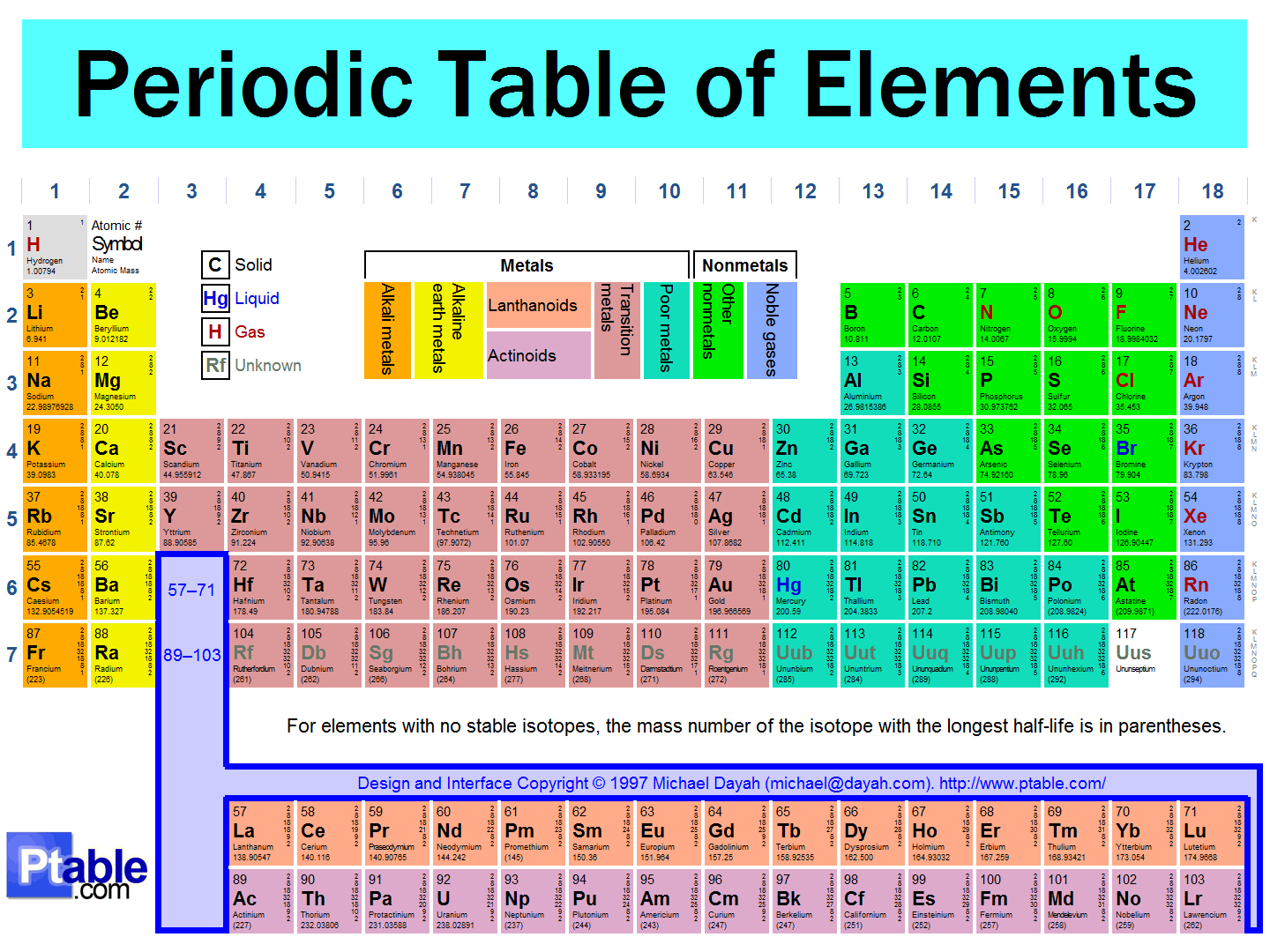
The atoms along the staircase are called 
a)
metals
b)
nonmetals
c)
metalloids
d)
noble gases
28.
The yellow atoms are called 
a)
metals
b)
nonmetals
c)
metalloids
d)
noble gases
29.
In the modern periodic table elements are arranged by:
a)
atomic mass
b)
atomic number
c)
valence electrons
d)
number of isotopes
30.
Metalloids can be described as...
a)
same as nonmetals
b)
bad conductors
c)
characteristics of metals and nonmetals
d)
same as metals
31.
Which section are the metals in? 
a)
dark blue
b)
light blue
c)
purple
d)
pink
32.
In what section would Transition Metals be found?
a)
orange
b)
light blue
c)
blue
d)
white
33.
Elements on the left side of the periodic table are 
a)
metals
b)
nonmetals
c)
metalloids
d)
noble gases
34.

Are there any compounds on the periodic table?

a)

yes there are many

b)

no because only elements are on the periodic table

c)

I think they are?

35.

Which one has more than one type of atom in it?

a)

Element

b)

Compound

36.

Which one only has one type of atom In it?

a)

Element

b)

Compound

37.

Which of the following is not a compound?

a)

HCl

b)

Cl

c)

NaCl

d)

CO2

38.

The substances listed on the left side of a chemical equation

a)

Products

b)

Coefficients

c)

Precipitates

d)

Reactants

39.

An atoms overall charge is

a)

positive

b)

depends on its mood

c)

neutral

d)

negative

40.

Which of the following is equivalent to 20 centimeters?

a)

2,000 millimeters

b)

200 millimeters

c)

20 millimeters

d)

2 millimeters

41.

Elaine wants to measure the volume of a large pitcher of lemonade. Which units should Elaine use?

a)

liters

b)

grams

c)

meters

d)

degrees

42.

Duran is 187 cm tall. How many meters is this?

a)

18,700

b)

1.87

c)

18.7

d)

0.187

43.

What are the basic structural units of living organisms?

a)

cells

b)

nuclei

c)

organs

d)

tissues

44.

Which of the following distances is the longest?

a)

2 kilometers

b)

500 centimeters

c)

2,300 meters

d)

25,000 millimeters

45.

Which model correctly shows energy flow in a food chain?

a)

plants --> insects --> salmon --> bears

b)

insects --> plants --> bears --> salmon

c)

bears --> salmon --> insects --> plants

d)

salmon --> bears --> plants --> insects
46.
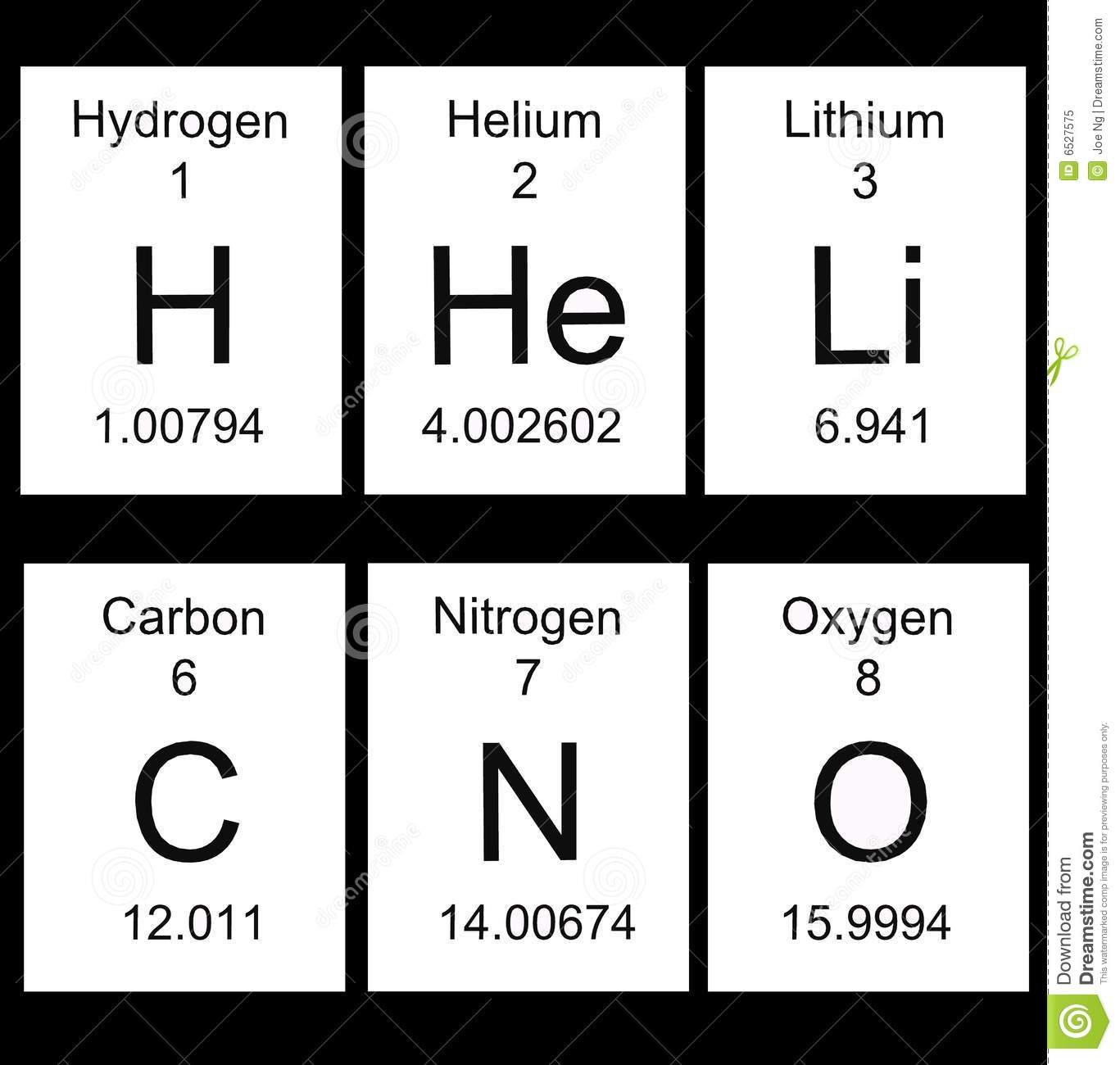
The number at the top of each square on the periodic table is the ...
a)
atomic number
b)
atomic mass
c)
Chemical Symbol
d)
Element Name
47.
How many electrons does a Copper atom have?
a)
63
b)
29
c)
92
d)
34
48.
The electrons of an atom are found...
a)
in the outer "cloud" surrounding the atom.
b)
in the nucleus of the atom.
c)
in the cloud and in the nucleus.
49.

What is the mass number of the atom pictured?

a)

11

b)

12

c)

22

d)

23

50.
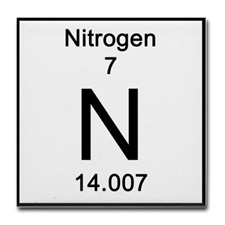
What is the number of protons that the element in this image contain?
a)
14
b)
7
c)
15
d)
18
51.

In the classification of matter chart, letter B, would be a(an)

a)

acid

b)

element

c)

compound

d)

solution

52.

In the classification of matter chart, letter C, would be a(an)

a)

acid

b)

element

c)

compound

d)

solution

53.

One difference between mixtures and pure substances is that

a)

mixtures can be physically separated.

b)

mixtures are made of one type of atom.

c)

pure substances have no chemical bonds.

d)

pure substances can be physically separated.

54.

Number of VALENCE ELECTRONS: Xe (element #54)

a)

2-3

b)

2

c)

6

d)

4

e)

8

55.

Number of VALENCE ELECTRONS: Li (element #3)

a)

2-3

b)

2

c)

1

d)

4

e)

8

56.
If there is no subscript, there is ______ atom(s) of that element.
a)
0
b)
2
c)
only 1
d)
1 million
57.
How many elements are in C6H12O6?
a)
1
b)
2
c)
3
d)
4
58.
How many Magnesium are in 10MgCl2?
a)
10
b)
5
c)
20
59.

Composition means

a)

a substance that contains one type of atom

b)

the way something is put together or combined.

c)

two or more different substances not chemically combined.

d)

subscript.

60.

What is this?

a)

element

b)

compound

c)

mixture

61.

What is this?

a)

element

b)

compound

c)

mixture

62.

What is this?

a)

element

b)

compound

c)

mixture

63.
What is a coefficient?
a)
The small number on the right of the chemical symbol.
b)
The large number in front of a chemical formula.
c)
The number in between the chemical symbols.
d)
The number behind a chemical formula.
64.
What is the little number after an element in a chemical equation called.
Example: H2
a)
Coefficient 
b)
Subscript
c)
Atom
d)
Equation
65.
Element or compound?
H2O
a)
element
b)
compound
66.
How many elements are present in this compound?
Mg2As3COHNi2
a)
2
b)
4
c)
6
d)
10
67.
How many TOTAL atoms are in this compound?
H2C3O4N5
a)
5
b)
14
c)
15
d)
19
68.
The number of Na's in Na₂CO₃
a)
1
b)
2
c)
3
d)
6
69.
How many total atoms are in the compound C2H8O ?
a)
11
b)
2
c)
8
d)
1
70.
How many Aluminum are in Al2O3?
a)
3
b)
2
c)
5
71.
If an atom has 10 protons, 10 neutrons, and 10 electrons, what is the mass of the atom?
a)
10
b)
20
c)
30
72.
How many Hydrogen are in 4H2O?
a)
6
b)
8
c)
2
d)
4
73.
CHLORINE
a)
C
b)
Ca
c)
Cl
d)
Cu
74.
SILICON
a)
S
b)
Si
c)
Su
d)
Sc
75.
SODIUM
a)
S
b)
So
c)
N
d)
Na