
Font size
 Worksheets
Year 9 Term 1 assessment (2021)
Total questions: 50
Worksheet time: 49mins
Photosynthesis is a chemical reaction, in the presence of sunlight. What are the reactants?
carbon dioxide and oxygen
carbon dioxide and water
oxygen and water
water and glucose
glucose and oxygen
Photosynthesis is a chemical reaction, in the presence of sunlight. What are the products?
carbon dioxide and oxygen
carbon dioxide and water
oxygen and water
water and glucose
glucose and oxygen
Choose all that are correct:
Starch is .....
a particular type of glucose molecule
thousands of glucose molecules linked together
soluble in water
insoluble in water
found in the chloroplasts of cells
To test if starch is present in a leaf, we use
the "taste test"
iodine solution after heating the leaf in ethanol
ethanol, after soaking the leaf in iodine
"Benedict's Solution"
pH solution
Magnesium is a mineral salt that is commonly added to fertiliser, so plants can
make chlorophyll
strong cell walls
develop stronger root system
make protein
"NPK" fertiliser always contain the following mineral salts:
nitrogen, phosphorous, calcium
nitrogen, phosphorous, magnesium
nitrate, phosphate, potassium
nitrate, phosphate, magnesium
Choose all that apply:
Nitrates are needed for healthy plant growth, as they
help the plant increase the rate of photosynthesis
help the plant develop proteins
prevent stunted growth in plants
prevent leaves turning yellow
Choose all that apply:
Water is necessary for plants for the following reasons:
keep plants firm and upright
transport of mineral salts
encourage evaporation in the plant
necessary for photosynthesis
keeping the plant cool
Water is stored in the ........ of cells.
stoma
chloroplasts
spongy mesophyll
vacuole
cytoplasm
Root hair cells are specialised cells for plant growth because
they have a large surface area for absorbing water and nutrients
they have a large surface area to allow for greater photosynthesis
they keep growing until they reach water and nutrients
they keep growing until they reach sunlight for photosynthesis
Choose all that apply"
The stamen is composed of:
anther
ovary
stigma
style
filament
Choose all that apply:
The carpel (pistil) is composed of:
anther
ovary
stigma
style
filament
The function of the anther is to:
hold the filament
produce pollen
trap pollen grains
attract pollinators
hold the stigma up
The ovary
contains the ovules
develops into the fleshy part of fruit
develops into seeds
produces the sweet, fragrant liquid that attracts pollinators
part of the carpel (pistil)
The part of the flower that protects it in the early "budding stage" is the
petals
receptacle
sepals
style
stigma
Pollen grains are made in the
anther
style
stigma
filament
ovary
A "zygote" is
the male gamete
the female gamete
new cell formed when a male gamete fuse with a female gamete
a little group of cells
the developing embryo
Pollination is
the transfer of pollen from the stigma to the anther
the development of pollen grains
when the male gamete fuses with the female gamete
the transfer of pollen from the anther to the stigma
the transfer of pollen from the stigma to the ovule
Choose all that apply:
Flowers which depend on the wind to pollinate are typically
bright coloured
not brightly coloured
have spiky or sticky pollen
have smooth pollen
produce large amounts of pollen
Choose all that apply:
Bees are well adapted for pollination because
the are brightly coloured
they have bodies which pollen easily sticks to
they have pollen baskets in their legs
they have a long probsicus to search out nectar
are easy to care for and manage by beekeepers
Cross-pollination is
when a flower is pollinated by another flower from the same plant
when flowers of two different plants of the same species are pollinated
when flowers of two different plants of different species are pollinated
when angry, agitated bees take part in the pollination process
In the various stages of fertilisation of a plant, state what occurs directly after pollen grains land on a stigma.
The male gamete fuses with the female gamete
The zygote starts to divide
The male gamete goes down a tube
A tube grows out of a pollen grain
Choose the correct order for seed formation in a plant:
zygote produced, male gamete fuses with female gamete, mitosis, embryo formed, ovule becomes a seed
male gamete fuses with female gamete, zygote produced, mitosis, embryo formed, ovule becomes a seed
embryo formed, male gamete fuses with female gamete, zygote produced, mitosis, ovule becomes a seed
male gamete fuses with female gamete, zygote produced, embryo formed, mitosis, ovule becomes a seed

Name of the process:
A seed reaches the ground and a new plant grows
Pollination
Fertilisation
Dispersion
Germination
How is pollen transported?
By animals
By the wind
By water
By CO2

State the method of dispersal for this seed/ fruit.
Wind
Animals
Water
Splitting Action

State the method of dispersal for this seed/ fruit.
Wind
Animal
Water
Splitting Action
What are the characteristic of the seeds dispersed by man and animals?
A: Can float on water
B: Sweet and juicy
C: Have hooks or stiff hairs
D: Have wing-like structures and are light
A and B only
B and C only
C and D only
A, B and C only

How are grape seeds dispersed?
By wind
By animal
By splitting
By water
Subatomic particles with a negative charge
Electrons
Neutrons
Protons
Quarks

How many protons and electrons does this element have?
35
18
17
52

How many neutrons does Chlorine have?
18
17
35
52

What is the atomic mass of Neon?
10
20
30

How many neutrons does calcium have?
20
40
60
0
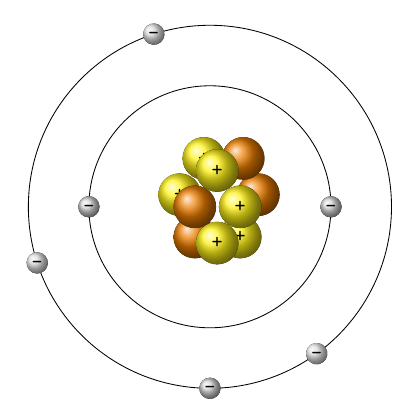
The mass of an atom is
equal to the number of protons
the protons + electrons
the protons + neutrons
the protons + neutrons + electrons


