
NEW
Font size
 Worksheets
Solar System > Galaxy > Universe
Total questions: 51
Worksheet time: 56mins
The universe started with an explosion that sent matter into space, and it continues to expand today.
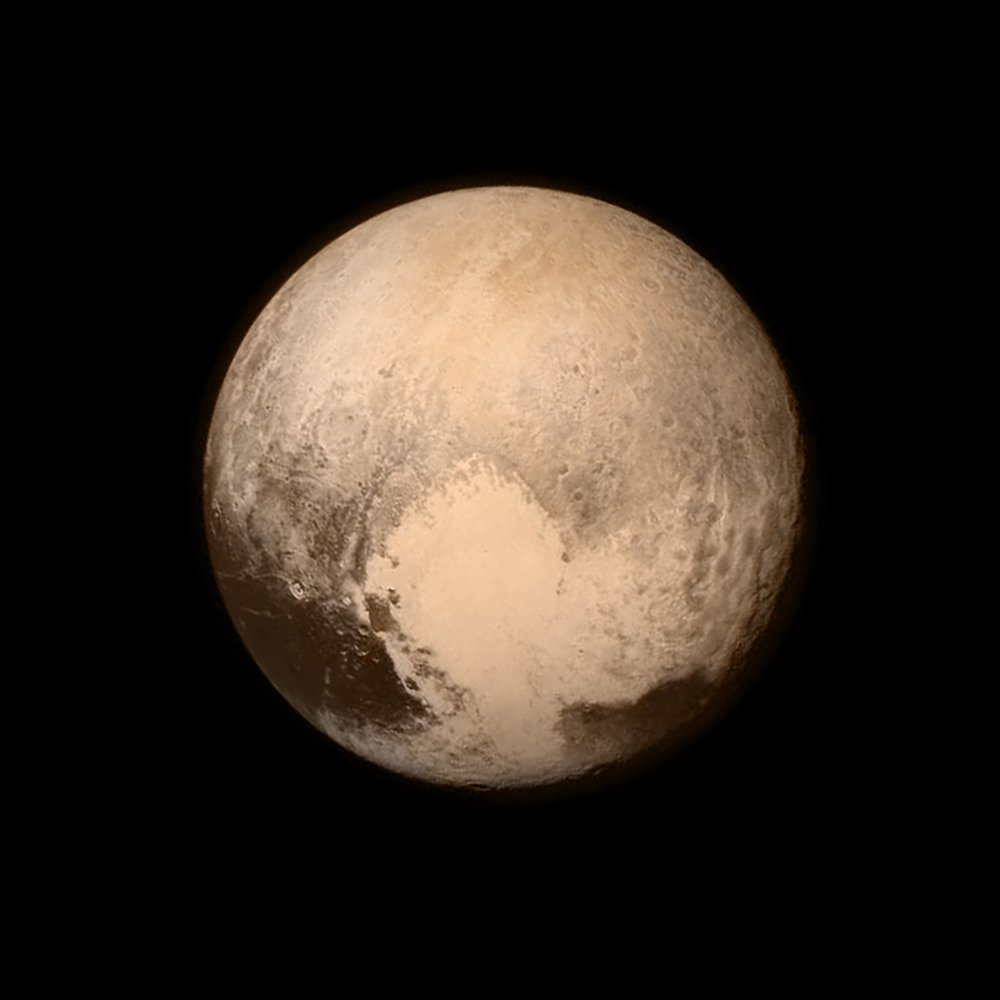

The types of planets are
Rock, liquid and solid
Gas, terrestrial and solid.
Gas, terrestrial and dwarf.
Gas, terrestrial and rock.
One of the main differences between the outer and inner planets is __________.
the inner planets all have water
the inner planets are much bigger than the outer planets
the outer planets are gas planets
the outer planets have do not have rings and the inner planets do
Where is the asteroid belt found?
Between Earth and Mars
Between Uranus and Neptune
Between Mercury and Venus
Between Mars and Jupiter
What planet has a very hot surface and is most like Earth in size?
Venus
Mercury
Mars
Uranus
Which property makes Earth unique compared to other planets in the solar system?
It orbits the Sun.
It is a rocky planet
It has liquid water
It rotates on its axis.
Which contributes to Earth’s ability to sustain life?
The atmosphere allows all of the sun’s radiation to enter due to Earth’s distance from the sun.
The atmosphere prevents all space debris from reaching the surface due to the ozone layer.
The atmosphere is extremely thin due to the temperatures of the sun.
The atmosphere is breathable due to the unique mixture of gases.
What is the correct order of the planets in the Solar System, starting closest to the Sun?
Mars, Mercury, Earth, Venus, Jupiter, Saturn, Uranus, Neptune,
Mercury, Venus, Earth, Mars, Jupiter, Saturn, Uranus, Neptune
Mercury, Mars, Venus, Earth, Jupiter, Saturn, Uranus, Neptune,
Mercury, Venus, Earth, Mars, Jupiter, Neptune, Uranus, Saturn
What do Mercury, Venus, Earth, and Mars all have in common?
They are all very cold planets.
They are considered terrestrial planets, that is rocky or have metals with hard surface.
They are about the same size.
They are considered gas giants
The four inner planets are rocky and small. Which description best fits the next four outer planets?
They are also rocky and small.
They are very large and has no moons
They are small and made of ice.
They are very large, made of gases with no solid surface
Which planet is the largest planet in the solar system and is the fifth planet?
the sun
Uranus
Jupiter
Earth
Which of the following is ordered from largest to smallest?
Universe -> Galaxy -> Solar System -> Planet
Planet -> Galaxy -> Solar System -> Universe
Planet -> Solar System -> Galaxy -> Universe D.) Universe
Universe -> Solar System -> Galaxy -> Planet
The inner planets are also called a
Gas giants
Terrestrial planets
Large planets
Asteroid
Name for region containing all 8 planets, the sun, asteroids, and other celestial objects?
The Solar System
The Degoba System
Asteroid Belt
Kuiper Belt system
A student is looking at a model of the solar system noted there is a belt of objects in orbit in between Mars and Jupiter. What are these orbiting objects?
Comets
Moons
Asteroids
Pluto
What is the object that all planets in our solar system orbit?
The moon
The sun
The Milky Way
Mercury
Which of the these planets would have the greatest gravitational pull on a nearby object?
Mars
Mercury
Jupiter
Neptune


What does each faint circle around the sun represent?

What type of galaxies is the Milky Way?


A Group of stars, and or star systems, star clusters, dust and gas held together by gravity is known as:
Universe
Galaxy
Solar System
Planet
Which of these correctly identifies different objects in the universe according to their size and composition?
A nebula is larger than a galaxy
a solar system contains many stars
a galaxy contains many solar systems
a galaxy is bigger than a universe

How far is it across the Milky Way Galaxy?
100 light years across
1,000 light years across
10,000 light years across
100,000 light years across
Which is true about the Big Bang Theory?
the universe is shrinking
the universe is expanding
the universe has always been extremely large
the solar system was once a tiny dot
According to the Big Bang Theory, how big was the entire universe in the beginning?
pencil point
size of grape
solar system
it has always been the same size
Which statement best describes the difference between a galaxy and a universe?
a galaxy contains billions of stars, a universe contains one galaxy
A universe contains billions of stars, a galaxy contains one universe
a galaxy contains billions of stars, the universe contains billions of galaxies
a universe contains billions of stars, a galaxy contains billions of universes
Which of the following groups contains objects arranged in order of increasing size??
Moon, planet, star, galaxy
Asteroid, planet, moon, galaxy
Galaxy, asteroid, moon, planet
Star, planet, asteroid, galaxy
Together a star and all the planets and other object orbiting it form a(n)
asteroid
galaxy
solar system
star
A huge ball of very hot, glowing gases in space that can produce its own hear and light is called a(n)
solar system
asteroid
galaxy
star

What can you conclude from this diagram?
Earth is a satellite of the moon
The sun revolves around Earth
Earth and the moon rotate in different directions
The moon orbits Earth while Earth orbits the sun.
All the planets in the solar system orbit the sun. What is the main difference between the orbits of the inner and outer planets?
The inner planets and outer planets orbit in different directions.
The outer planets take longer to orbit the sun than the inner planets do.
The inner planets travel a greater distance than the outer planets do.
The outer planets rotate as they orbit the sun, and the inner planets do not.

