
 Worksheets
Module 3 Test Mesopotamia
Total questions: 111
Worksheet time: 28hrs 45mins
A Babylonian ruler, he was a brilliant military leader who brought Mesopotamia into the Babylonian Empire. He is known for a unified code of 282 laws, the earliest known set of written rules produced during his reign. Who is this person?
Hammurabi
Gilgamesh
Nebuchadnezzar
Sargon
What is a ruler of a kingdom or empire called?
Empire
Monarch
Ziggurat
City-State

A set of 282 laws governing daily life in Babylon; the earliest known collection of written laws is referred to as _________.
The Epic of Gilgamesh
A Ziggurat
Decree of Sargon
Hammurabi's Code
The invention of the chariot helped the Hittites to ___________.
Gather their crops more effectively
Irrigate their crops with less effort
Move soldiers around the battlefied and fire arrows at their enemies.
All of These

The key to Assyria's success in invading Mesopotamia was due to their ________.
Strong Army
Stong Arms
Strong Navy
Strong Smell

What made the Assyrian Army so powerful?
Iron Weapons
Chariots
War Machines used to break down city walls
All of These
Who was the Chaldean king who rebuilt Babylon into a beautiful city, which featured the famed Hanging Gardens?
Darius
Nebuchadnezzar
Gilgamesh
Sargon

What city is in this picture?
Ninevah
Babylon
Ur
Tarshish

According to legend, Nebuchadnezzar built the ___________ for his wife, Amytis. She missed the mountains and forests of her birthplace and these gardens were built to make her less homesick.
The Euphrates River
Ishtar Gate
Royal Canals
Hanging Gardens of Babylon
Which of the following were achievements that the Chaldeans made?
Babylon became a center for astronomy
Charted star positions
Developed a calendar
All of these
Which term refers to a countryside area?
Gilgamesh
City-State
Urban
Rural
Which term refers to a city area?
Gilgamesh
City-State
Urban
Rural
What is a political unit consisting of a city and its surrounding countryside?
City-State
Urban
Rural
Irrigation

Who was the King of Uruk that became a legendary figure in Sumerian literature?
Darius
Gilgamesh
Sargon
Nebuchadnezzar

The King of Akkad, land north of Sumer, built the world’s first empire after defeating Sumer and northern Mesopotamia.
Sargon
Gilgamesh
Darius
Nebuchadnezzar
Land with different territories and peoples under a single rule is an _______.
City-State
Empire
Urban
Rural
What is the worship of many gods called?
Polytheism
Monotheism
Atheism
All of these
The division of society by rank or class is called _________.
Social Studies
Social Butterfly
Social Hierarchy
Anti-Social
What was the world’s first system of writing, which was developed in Sumer?
Cuniform
Social Hierarchy
Hieroglyphics
Pictographs
A picture symbol is called a __________.
Sargon
Pictograph
Cuniform
Hieroglyphics
How did bronze improve the quality of life in Sumer?
They could make stronger tools.
They could make stronger weapons.
Both of these
None of these
What was a pyramid-shaped temple in Sumer called?
Irrigation
Pyramid
Ziggurat
Temple
Who was the "great" founder of the Persian Empire?
Cyrus
Darius I
Xerces
Darius III
Who commissioned the creation of the Royal Road through Persia?
Cyrus
Darius I
Xerces
Darius III
True or False: Cyrus the Great commissioned the building of the Royal Road
True
False
True or False: Cyrus was responsible for the beginnings of the Persian Empire because he united all the tribes in the area.
True
False
True or False: Zoroastrianism contains many idols that the Persians had to go and worship.
True
False
Which was one of the capitals of the Persian Empire?
Mesopotamia
Constantinople
Rome
Persepolis

Who founded the Persian Empire?
Xerxes
Cyrus II (the Great)
Darius I
Nabonidus

Persian Empire was located in what modern Country?
Iran
Saudi Arabia
America
Europe
Which culture ended during the Persian Empire's rule?
Hittite culture
Babylonian culture
Akkadian culture
Kassite culture
The Persian Empire was able to conquer all of these areas EXCEPT
Babylonian Empire
Egypt
Indus River Valley
Greece
Why were Persian Kings effective leaders?
They were great generals
They showed concern for justice
They allowed conquered people to keep their laws and religion
All of the above
What did the Royal Road help improve in the Persian Empire?
Transportation
Communication
Trade
All of the above
Battle of Marathon:
Japanese vs. Americans
Spartan vs. Persians

Please choose an answer that best fits the flow chart displayed.
Vice-King
Satrap
General
Faravahar

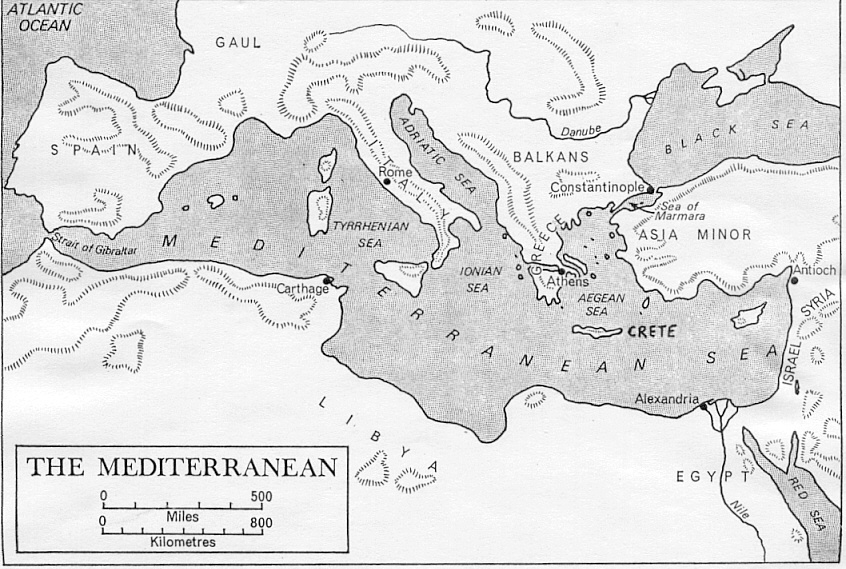
Which Greek city-state helped Athens?

farming; life in the Fertile Crescent revolved around this, as it was the main supply of food
food
irrigation
agriculture
domestication
human-made waterways were called
rivers
oceans
cruise
canals
an organized society within a specific area
civilization
divided labor
irrigation
farmers
an arrangement where each worker specializes in a particular task or job
civilization
farming
specialization
division of labor
eating plants in a field; how domesticated animals like cows, sheep, and goats are fed by:
grazing
Uber eats
canals
irrigation
modern-day country in southwest Asia where most of Mesopotamia is located
Iraq
Iran
Babylon
Tigris
a way of supplying water to an area of land
irrigation
deserts
airports
domestication
farm animals raised (domesticated) by people such as cows, sheep, and goats
livestock
crops
canals
irrigation
a Greek term that means land "between the rivers", namely the Tigris and Euphrates
Euphrates
Tigres
Mesopotamia
Mediterranean
a mixture of rich soil and tiny rocks left behind by flooding rivers, excellent for farming
churches
silt
fish
copper
more than what is needed; more than enough
water
Euphrates
surplus
domestication
The word "fertile" in regards to the land of Mesopotamia means __________.
rocky and unproductive soil
rich soil; capable of plant growth
frozen and barren
dry or arid
In the Greek language, the name "Mesopotamia" means "The Land Between Two Rivers". The two rivers that the name refers to are:
Euphrates and Volga
Tigris and Euphrates
Tigris and Amazon
Nile and Euphrates
A great Sumerian invention that involved the redirection of water flow from one place to another by way of man-made canals in order to allow agriculture to develop is...
plowing
harvesting
crop rotation
irrigation
plants/crops usually grow well near these due to good soil and plenty of water
parking lots
mountains
deserts
rivers


Tyrian purple is the name of this product
rare and expensive dye
fine linen
metalworking
carved ivory
Where was Phoenicia located?
Mesopotamia
Along the Black Sea
Along the Mediterranean Sea
In Sumer
What little critter was very important to the Phoenicians?
clams
slugs
snails
shrimp
What were some of the important natural resources available to the Phoenicians?
clay and sand
fresh water and minerals
silver and gold
snails and cedar trees

Since this civilization of people lived near the sea, they became experts at...
sailing and trading
swimming and traveling
fishing and sailing
building boats and fishing

The Phoenicians created a new way of writing called...
Phonics
the Phoenician Alphabet
cursive cuneiform
pictographs

The purple dye that the Phoenicians were famous for came from...
juice from berries.
liquid from snails.
a special kind of tree sap.
ink from squid.

This was the largest colony founded by the Phoenicians
Cree
Rome
Athens
Carthage
The Phoenicians used cedar trees to....
make paper
build their homes
build beautiful furniture

What is Phoenicia called today?
Libya
Lebanon
Israel
Mesopotamia

the art of steering a ship from place to place
import
navigation
export
colony

The Phoenicians dominated _______ trade across the Mediterranean.
land
all
sea
air

What did Phoenicians manufactured?
wood ships
metal ships
flat ships
iron ships
Where did the first civilizations arise because of farming conditions?
in the mountains
by the sea
in river valleys
in the desert
A Sumerian temple to honor their chief god was called a
scribe
cradle
ziggurat
Gilgamesh
Although most Sumerians were farmers, many made metal, cloth, and pottery because they were skilled
artisans
merchants
slaves
priests
The few Sumerians who learned how to write often held high positions in society as what?
artisans
scribes
merchants
head of households
a method that brings water to crops
Mesopotamia
irrigation
cuneiform
civilization
has its own government but is not part of any larger unit
city-state
irrigation
cuneiform
civilization
a form of writing developed by the people of Sumer
city-state
irrigation
cuneiform
civilization
a large arc of rich farmland, contains the land between the Tigris and Euphrates rivers known as Mesopotamia.
Irrigation
Fertile Cresent
Cuneiform
Silt
A mix of rich soil and small rocks.
Fertile Cresent
Sumerian
division of labor
Silt
An arrangement in which people specialize in specific tasks
Division of Labor
Scribes
Artisans
Farmers
Human -made waterway
River Valley
Canal
Cuneiform
City-State
Countryside Areas
Urban
City-State
Rural
Valley
City areas
Rural
Urban
City-States
Scribes
A land with different territories and peoples under a single rule.
Empire
City-State
Rural
Urban
Who created the world's first advanced society.
Babylonians
Phoenicians
Prehistoric Peoples
Sumerians
The worship of many gods.
Polytheism
Monotheism
Atheism
Theism
People who performed religious ceremonies are...
Priests
Artisans
Scribes
Monarchs
The division of society by rank or class
Monarchs
Scribes
Social hierarchy
Farmers
The first ruler to have a permanent army.
Nebuchadnezzar
Sargon
Gilgamesh
Monarchs
The earliest written form of written communication.
Pictograph
Phonograph
Telegraph
Spirograph
The science of building.
Geography
Architecture
Builders
Astrology
Sumerian invention that is used in carts and wagons.
Wagon
Waffle
Well
Wheel
Phoenicians built a trading center in this eastern part of what region?
Mediterranean
Baltic
Tigris
Euphrates
Babylonian monarch who ruled for 42 years. He also made a "code," or a set of laws that governed life in the Babylonian empire.
Nebuchadnezzar
Sargon
Hummurabi
Gilgamesh
The Hittites skillfully used a wheeled, horse-drawn battle car known as a ________________.
Chariot
Wagon
Wheelbarrow
Motor Home
Famous Chaldean monarch who rebuilt the city of Babylon.
Nebuchadnezzar
Sargon
Hummurabi
Gilgamesh
A legendary figure in Sumerian literature
Nebuchadnezzar
Sargon
Hummurabi
Gilgamesh
What is a monarch?
Artisan
King or ruler
Scribe
Butterfly

