
 Worksheets
Semester 1 final 2024-25
Total questions: 70
Worksheet time: 2hrs 46mins
What is an observation?
Something you measure or detect with your senses.
The way you feel about something
An educated guess
A theory that has been disproved
An inference is based on:
both scientific observations and known facts
known facts
scientific observations
a rumor you started in the bathroom
What is the scientific method?
A systematic procedure for how to conduct a scientific experiment
The process of solving a problem
A way of making non-scientific observations
A way to summarize findings from multiple investigations
Which of the following is NOT a testable question?
How do rockets work?
Does fertilizer help plants grow bigger?
Does heart rate increase with exercise?
Does the freezing point of water change at different elevations?
What is a hypothesis?
An educated prediction or answer to a testable question
A random guess
An observation based on feelings or emotions

What is the best way to collect and record data?
In a data table
On post-it notes
On scrap paper
interpretive dance
An observation that is measurable and made with tools (such as a ruler or scale) is what type
quantitative
qualitative
koalatative
A series of steps designed to help you solve problems and answer questions is
the scientific method
results
observations
the two step
After the data is analyzed the hypothesis is stated as correct or incorrect in the __________
conclusion
experiment
hypothesis
table of contents
An educated guess in science is called a/an
hypothesis
procedure
conclusion
lucky


How did Darwin contribute to the theory of evolution?
stated that evolution occurred through natural selection
stated that evolution caused mutation
stated that evolution caused natural selection
he was the first to describe evolution
Which best describes the term evolution?
Naturally occurring mutations
inherited, genetic changes in organisms over time
the ability of an organism to survive and reproduce
random changes in a DNA sequence
What did Darwin notice about the Finches in the Galapagos?
the size and shape of beak was different depending on the food source of each island
the size of finch was different depending on the habitat of each island
the shape and size of beak was the same
the size of finch was the same but the color was different
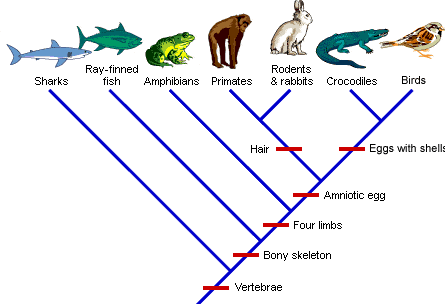
Which best describes a cladogram?
a diagram that shows how species share common features
a diagram that shows the genetic similarities and differences between species
a diagram that shows the differences between species
a diagram that shows how living species are related and descended from a common ancestor
Which of the following is not considered evidence for evolution?
fossil record
common ancestor
embryological evidence
homologous structures
Which is not considered a mechanism for evolution?
anatomical variation
DNA mutation
natural selection
competitive advantage
Which mammal are humans most closely related to?
orangatang
gorilla
howler monkey
chimpanzee
According the the genomic project, our closest ancestor is the chimpanzee, what percentage of our genome is shared?
90%
99%
95%
98%
Individuals undergo evolution.
True
False
Which of the following is NOT an example of natural selection?
People selectively breeding hamsters for size.
Insect populations developing resistance to certain pesticides.
Bacteria becoming resistant to antibiotics.
Male birds of certain species inheriting colorful feathers that are more attractive to females.

The pelvic bone of whales is not needed for movement within the water. This is an example of a(n) ______________ structure.
vestigial
analogous
homologous

The forelimbs of mammals have similar anatomy because these groups descended from a recent common ancestor. Their bone structure is an example of a(n) ______________ structure.
vestigial
analogous
homologous

Many different groups of organisms have wings, even though they do not share a recent common ancestor. This is because they evolved in environments with similar selective pressures. Wings are an example of a(n) ______________ structure.
vestigial
analogous
homologous
Which is an example of a hypothesis?
evolution
a highly tested explanation
If I put my bananas in the fridge, they will take longer to ripen.

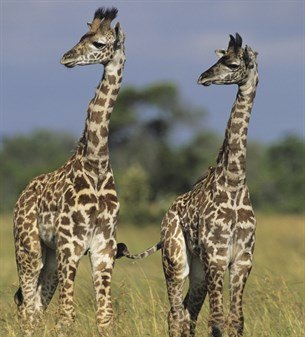

Which of the following is a likely effect of this ability to alter leaf composition?
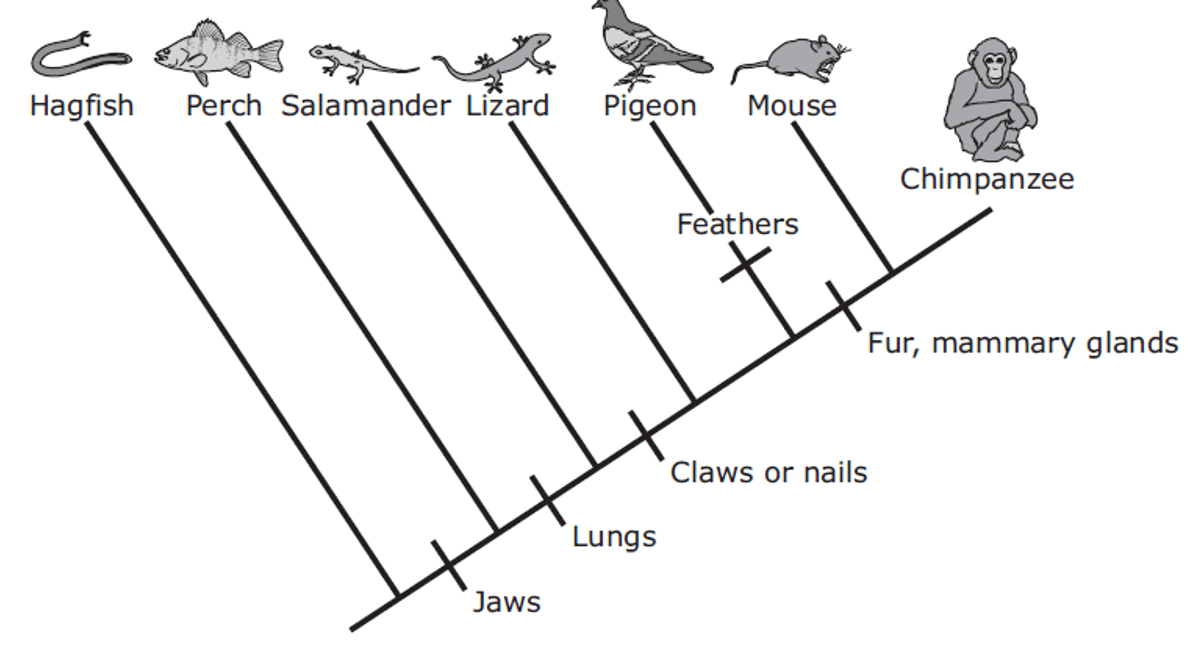
All the animals to the right of the salamander would have the common characteristic of...
Fur
Claws or nails
Lungs
Jaws

According to the cladogram, which organism is most distantly related to the chimpanzee?
salmon
salamander
lizard
hamster
Yucca flowers are pollinated by yucca moths. The moths lay their eggs in the flowers. Both species benefit.
Mutualism
Commensalism
Parasitism
Barnacles create home sites by attaching themselves to whales.
Mutualism
Commensalism
Parasitism
Mistletoe extracts water and nutrient from the spruce tree it is attached to.
Mutualism
Commensalism
Parasitism

the powerhouse of the cell that turns food into energy
Golgi apparatus
ribosome
vacuole
mitochondria
small parts inside the cell membrane that have specific jobs are called
vacuole
nucleus
organelles
endoplasmic reticulum (ER)
Prokaryotic cells do not have…….
membrane bound organelles
cell membrane
DNA or RNA
life
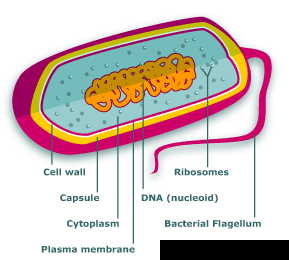
The role of the endoplasmic reticulum is ...
make proteins
store food and water
protect the cell
transportation of proteins and other materials to other organelles
The role of the golgi body is to ....
create ribosomes
sort and package proteins
transport proteins throughout the cell
protect the cell
CHALLENGE QUESTION: Which of the following provides evidence for the hypothesis that prokaryotes evolved before eukaryotes.
prokaryotes are more complex
prokaryotes have no nucleus and fewer genes
eukaryotes are multicellular which makes them simpler
prokaryotes grow into eukaryotes
A model that shows all the possible feeding relationships at each trophic level
food web
biomass
trophic level
autotrophs
is an organism that captures energy from sunlight or inorganic substances to produce food
Omnivores
autotroph
herbivore
heterotroph
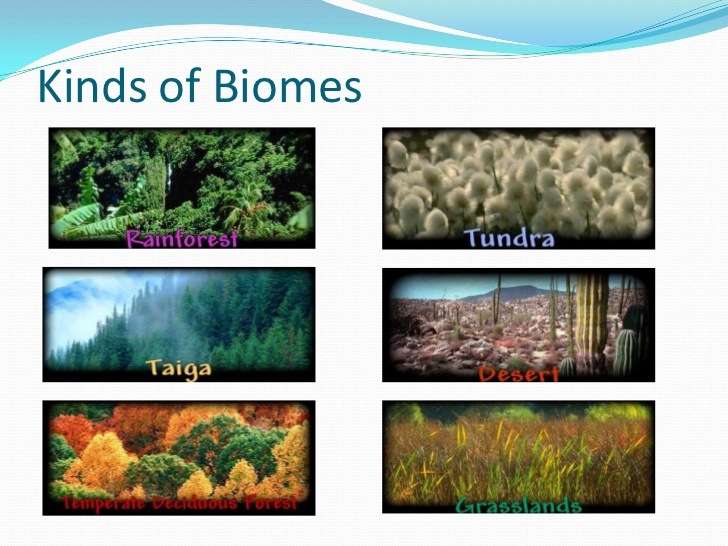
Grasslands are characterized by low amounts of rainfall, few trees, and lots of grass. Which of the following would be the primary inhabitants of the grasslands?
Tree-dwelling primates
Thick-furred mammals
Large herbivores
Water-conserving plants
Due to fairly constant rain and high temperatures, the vegetation in the rainforest is very dense.
Which of the following is an adaptation that helps plants win the battle for sunlight on the forest floor?
Vines that climb trees
Grasses that grow in clumps
Leaves that are needle-like
Trees that are cone-shaped
When HUMANS select or choose a plant or animal for breeding based on a desired trait
natural selection
artificial selection

During drought years on the Galapagos, small, easily eaten seeds become rare, leaving mostly large, hard-cased seeds that only birds with large beaks can eat. If a drought persists for several years, what should one expect to result from natural selection?
Small birds gaining larger beaks by exercising their mouth parts.
Small birds mutating their beak genes with the result that later-generation offspring have larger beaks.
Small birds anticipating the long drought and eating more to gain weight and, consequently, growing larger beaks.
More small-beaked birds dying than larger-beaked birds. The offspring produced in subsequent generations have a higher percentage of birds with large beaks.
Larger birds eating less so smaller birds can survive.

