
Font size
 Worksheets
Anatomy Chapter 4 Question Bank
Total questions: 60
Worksheet time: 5hrs 0mins
2H2O ----- 2H2 + O2
Fe2O3 + 3SO3 → Fe2(SO4)3
The totality of an organism's chemical reactions is called
catabolism
anabolism
metabolism
fabulism
For catabolism you need ________
ATP
ADP+P
AMP+PP
All of the above
When energy is needed a ________ from ATP is broken
Adenosine
Phosphate
AMP
Triphosphate
A --> B + C
Anabolic
Catabolic
A + B --> C
Anabolic
Catabolic
A degradative process such as cellular respiration can also be known as...
catabolic pathway
kinetic pathway
endergonic pathway
anabolic pathway

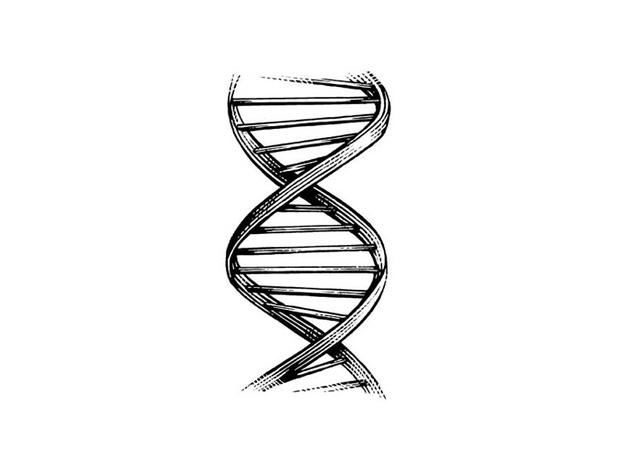

DNA holds the code for making
lipids
carbohydrates
proteins
sugars


This type of anabolic process occurs when water is released as larger molecules are made from the addition of smaller molecules.
dehydration synthesis
catabolism
anabolism
protein synthesis
This is the name of the area where a substrate attaches to an enzyme.
active site
P site
cytosol
ribosome
A non-protein component that must be combined with an enzyme before the enzyme can become active.
cofactor
protein
DNA
ribosome

The diagram above shows a molecule that cells are able to use for energy.
ATP
DNA
protein
pyruvate
This is the place where glycolysis occurs.
cytosol or cytoplasm
nucleus
ribosomes
cell wall
These are the two steps in protein synthesis.
translation
transcription
transfer
replication
In this step of protein synthesis, the mRNA receives the code from DNA.
transcription
translation
replication
duplication
This is the site where translation takes place.
cytoplasm
nucleus
cell membrane
ribosome
This is the initial site on the ribosome to which the tRNA attaches.
P site
active site
ribosome
nucleus
This is the enzyme that glues together the Okazaki fragments on the lagging stand.
DNA ligase
DNA helicase
substrate
DNA inhibitor

