wayground logo

Free Printable Worksheets

Font size

S
M
L
XL
Worksheets

Atoms, Elements and Mixtures

Total questions: 93

Worksheet time: 3hrs 6mins

Name
Class
Date
1.

The chart below lists some substances and their symbols. How many of these substances are examples of elements?

a)

1

b)

2

c)

3

d)

4

2.

Mixtures are different than pure substances because mixtures-

a)

have lower boiling points

b)

can be separated physically

c)

are less dense than pure substances

d)

contain only one type of atom

3.

Beatriz wants to make a mixture out of her bowl of blueberries. Which of the following would turn her bowl of blueberries into a mixture?

a)

adding more blueberries to the bowl

b)

adding raspberries to the bowl

c)

cutting up the blueberries

d)

mashing the blueberries

4.
These are mixtures that are the same throughout. 
a)
homogeneous mixtures 
b)
heterogeneous mixtures 
c)
mixed mixtures 
5.
Concrete is a ______.
a)
mixture 
b)
compound 
c)
element 
6.

How many protons in a neutral lithium atom?

a)

3

b)

7

c)

4

d)

1

7.

How many protons in a neutral lithium ion (Li+1)?

a)

3

b)

7

c)

4

d)

2

8.

How many protons in a neutral oxygen atom?

a)

8

b)

7

c)

10

d)

16

9.

What is a representation of an ion?

a)

Li

b)

Na-22

c)

O-2

10.

What charge does an atom have when it GAINS electrons?

a)

Positive

b)

Negative

c)

Neutral

11.

How many neutrons does this bromine atom have?

a)

35

b)

45

c)

80

12.

What type of atom is this?

a)

Neutral atom

b)

Cation

c)

Anion

d)

Isotope

13.

What two particles determine the mass number?

a)

Protons and electrons

b)

Electrons and neutrons

c)

Protons and neutrons

14.
Two neutral atoms that have the same atomic number and different mass numbers are
a)
Ions
b)
Isotopes
c)
Alpha particles
d)
Different elements
15.

The image shows the periodic grid of potassium. How many electrons are found in the potassium atom?

a)

19

b)

20

c)

39

d)

40

16.

Where is the proton located?

a)

In the very dense nucleus

b)

Floating around in the negative electron cloud

c)

In the loose nucleus

d)

In the positive electron cloud

17.
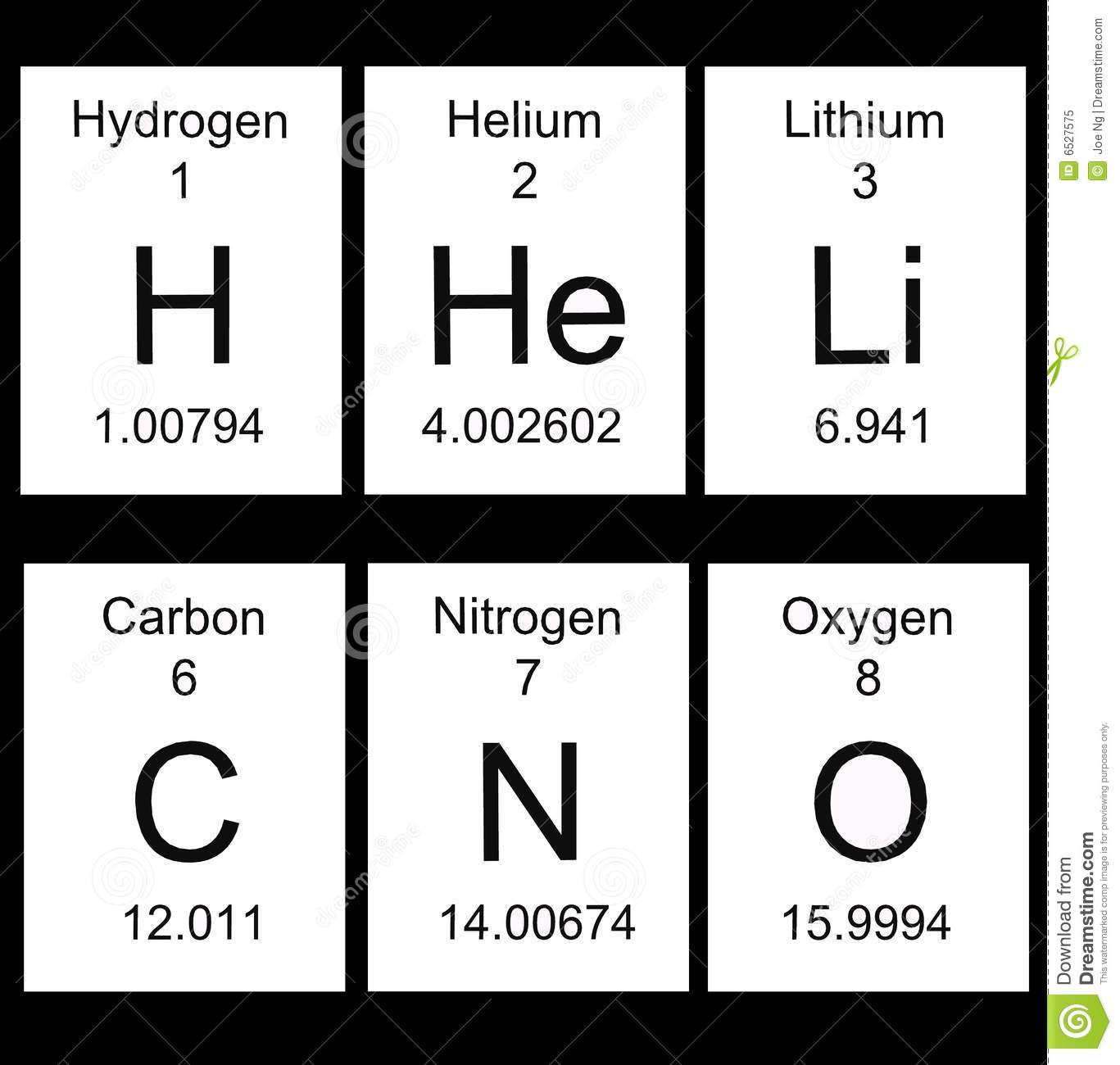
The following element key shows how many protons?
a)
16
b)
15.999
c)
Oxygen
d)
8
18.
What is the atomic number?
a)
the number of protons
b)
the number of protons and neutrons
c)
the number of neutrons
d)
the number of protons and electrons
19.

What is the picture displayed?

a)

atom

b)

element

c)

compound

20.

How many ELEMENTS are in Fe2(SO4)3 ?

a)

2

b)

3

c)

4

d)

5

21.
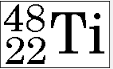
How many protons does this isotope of titanium have? Hint titanium has an atomic number of 22.
a)
48
b)
22
c)
26
d)
70
22.
If an atom has an equal number of protons and electrons it is a...
a)
Positive ion
b)
Negative ion
c)
Isotope
d)
Neutral atom
23.

Which of the following best describes isotopes?

a)

Isotopes have different numbers of neutrons.

b)

Isotopes have different numbers of protons.

c)

Isotopes are atoms of the same element with the same mass.

d)

Isotopes have different numbers of electrons.

24.
Valence electrons are: 
a)
Electrons farthest away from the nucleus
b)
Electrons closest to the nucleus
c)
Electrons that just come and go - they don't stay with the atom
25.
Ions are: 
a)
atoms with a positive or negative charge
b)
atoms with no charge
c)
atoms with ONLY a positive charge
d)
atoms with ONLY a negative charge
26.
Particles in an atom that are neutral and have no charge are 
a)
negatrons 
b)
electrons 
c)
neutrons 
d)
protons 
27.

Anions are...

a)

Positive

b)

Negative

c)

Neutral

28.

An atom becomes _______ when it loses electrons.

a)

Positive

b)

Negative

c)

Neutral

29.

When an atom gains a valence electron, it becomes a(n) _____________ ion.

a)

positive

b)

negative

c)

neutral

30.
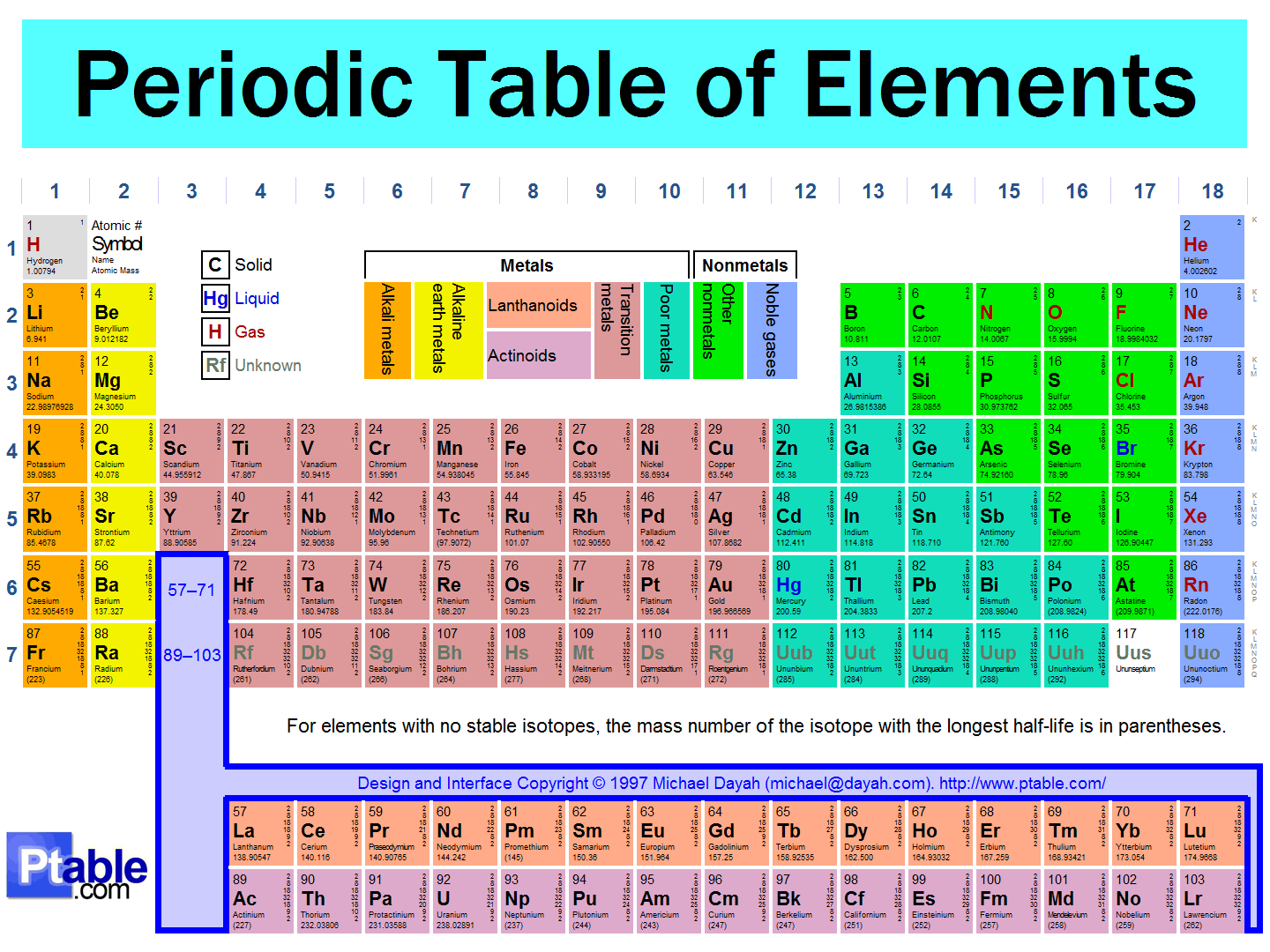
Where are metals located on the periodic table?
a)
Blue
b)
Green
c)
Red
31.

Metals are:

a)

Usually cations

b)

Usually anions

32.
What is a "homogeneous mixture of two or more substances in a single phase"?
a)
Solution
b)
Solvent
c)
Solute
d)
Compound
33.

The substance being dissolved is called the ________

a)

solvent

b)

solid

c)

solute

d)

solvate

34.

Which liquid is the least dense?

a)

Oil

b)

Water

c)

Syrup

d)

Plastic bottle

35.

Put the liquids in order from most dense to least dense?

a)

4,3,2,1

b)

1,2,3,4

c)

3,4,2,1

d)

4,3,1,2

36.

Which box has a higher density?

a)

A

b)

B

c)

They are the same

37.

Two cubes of the same size were measured. Cube A was 52 grams and cube B was 130 grams. Which cube has the greatest density?

a)

A

b)

B

38.

Will a paper clip float or sink?

a)

Float

b)

Sink

39.

Will a rock float or sink?

a)

Float

b)

Sink

40.

A change in the shape of an object is an example of _________________.

a)

a chemical change

b)

energy

c)

an endothermic change

d)

a physical change

41.
a copper penny turning greenish after a few years.
a)
Chemical Change
b)
Physical Change
42.
In a ___________change, a substance changes into a different substance.
a)
Physical
b)
Chemical
43.
The horizontal row on the periodic table is called a
a)
group
b)
family
c)
period
d)
atomic number
44.
A vertical column is called...
a)
group
b)
tower
c)
period
d)
crew
45.
Which of the following is the most metallic element in period 3?
a)
Boron (B)
b)
Sodium (Na)
c)
Argon (Ar)
d)
Silicon (Si)
46.
Which of these element is the least metallic?
a)
Potassium (K)
b)
Carbon (C)
c)
Sulfur (S)
d)
Neon (Ne)
47.
What is the chemical symbol for Lithium?
a)
H
b)
He
c)
Li
d)
N
48.
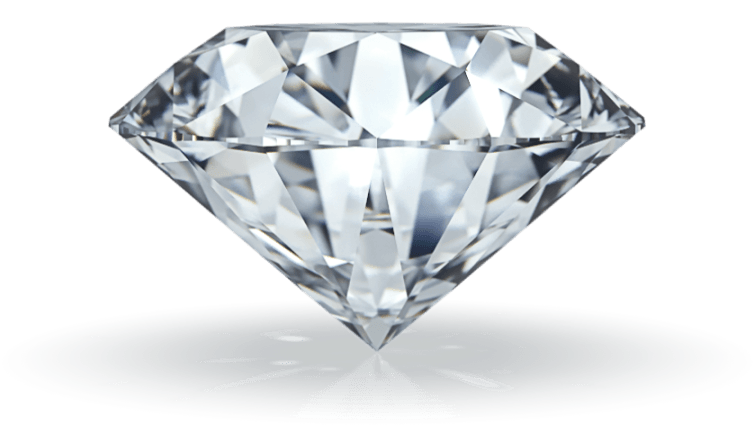
Diamonds are a pure form of what element?
a)
Carbon
b)
Oxygen
c)
Silicon
d)
Silver
49.

The first energy shell can hold ______ electrons.

a)

2

b)

8

c)

18

50.

Valence means......

a)

inside

b)

outside

c)

full

51.

Elements in the same group have __________

a)

Similar Properties

b)

Same number of shells

c)

Similar Mass

52.
In the modern periodic table elements are arranged by:
a)
atomic mass
b)
atomic number
c)
valence electrons
d)
number of isotopes
53.
Which element is found in group 16 period 3?
a)
Sulfur (S)
b)
Selenium (Se)
c)
Chlorine (Cl)
d)
Carbon (C)
54.
Which element is found  in group 17 period 3?
a)
Chlorine
b)
Flourine
c)
Oxygen
d)
Phosphorous
55.
Which element is found in group 18 period 4?
a)
Neon (Ne)
b)
Chlorine (Cl)
c)
Krypton (Kr)
d)
Xenon (Xe)
56.
Which element is found in period 3 group 2?
a)
Sodium (Na)
b)
Magnesium (Mg)
c)
Yttrium (Y)
d)
Boron (B)
57.
Which element is found in group 2 period 7?
a)
Radium (Ra) 
b)
Radon (Rn)
c)
Stontium (Sr)
d)
Lutetium (Lu)
58.
Which element is found in group 18 period 1?
a)
Neon (Ne)
b)
Helium (He)
c)
Chlorine (Cl)
d)
Krypton (Kr)
59.
Which element is found in group 2 period 4?
a)
Strontium (Sr)
b)
Barium (Ba)
c)
Calcium (Ca)
d)
Beryllium (Be)
60.
Which element is found in group 6 period 5?
a)
Chromium (Cr)
b)
Tungsten (W)
c)
Molybdenum (Mo)
d)
Tantalum (Ta)
61.

the positively charged subatomic particle contained in the nucleus of an atom

a)

proton

b)

neutron

c)

electron

d)

matter

62.
Which is an electron?
a)
A
b)
B
c)
C
63.
Elements which are shiny, conduct electricity and heat are called
a)
metal
b)
nonmetal
c)
metalloid
d)
nonexistent
64.
Group Name and Number for Neon
a)
Alkaline Earth Metals 2 or 2A
b)
Noble Gases 18 or 8A
c)
Halogens 17 or 7A
d)
Alkali Metals 1 or 1A
65.
Group Name and Number for Flourine
a)
Transition Metals 3-12
b)
Noble Gases 18 or 8A
c)
Halogens 17 or 7A
d)
Alkali Metals 1 or 1A
66.
Group Name and Number for Magnesium
a)
Alkaline Earth Metals 2 or 2A
b)
Noble Gases 18 or 8A
c)
Halogens 17 or 7A
d)
Alkali Metals 1 or 1A
67.
What is the formula to solve for the neutron?
a)
Mass + Atomic Number= Neutrons
b)
Mass x Atomic Number = Neutrons
c)
Mass - Atomic Number = Neutrons
d)
Mass + Number of Protons = Neutron
68.
__________ are made up of solutes and solvents.
a)
Solutions
b)
Suspension
c)
Colloid
d)
mixtures
69.
Salad is an example of a
a)
homogeneous mixture
b)
heterogeneous mixture
70.
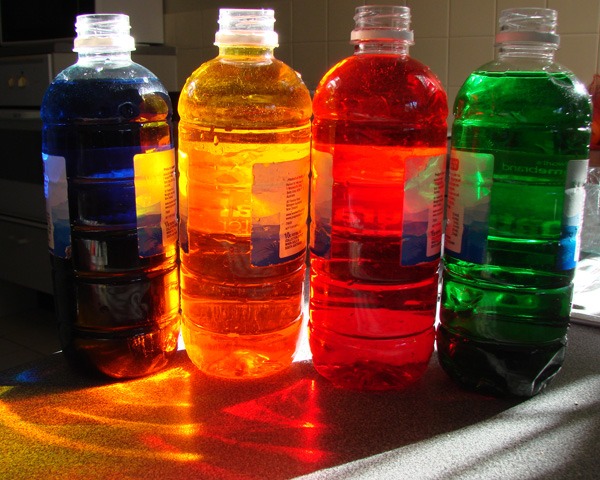
Coloured water is an example of a
a)
homogeneous mixture
b)
heterogeneous mixture
71.

What is a chemical change?

a)

change in the state of matter

b)

change in the size of a substance

c)

change in the shape of a substance

d)

change that results in the formation of new chemical substances

72.

What is a physical change?

a)

It creates a new substance

b)

Change that does not change their chemical composition

c)

It changes atomic bonds

73.

A sieve is used to separate a mixture based on .....

a)

the size of the particles in the mixture

b)

Separating liquids from solids

c)

If the mixture will dissolve or not

d)

How hard you shake the sieve.

74.

When you strike a match you know a chemical reaction takes place because the match gives off...

a)

Heat

b)

Light

c)

Smoke

d)

All of the above

75.
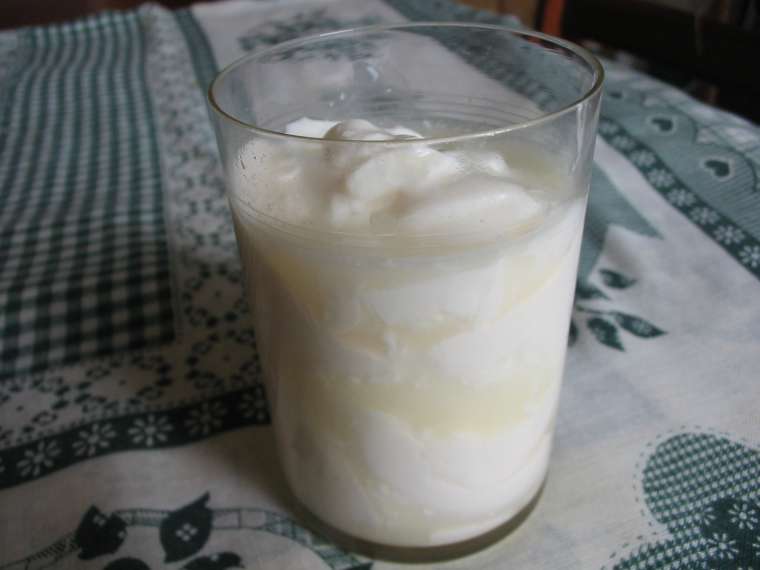
Is milk going sour a physical or chemical change?
a)
Physical 
b)
Chemical
76.
Is making orange juice a physical or chemical change?
a)
Physical 
b)
Chemical
77.
Is sharpening a pencil a physical or chemical change?
a)
Physical 
b)
Chemical
78.
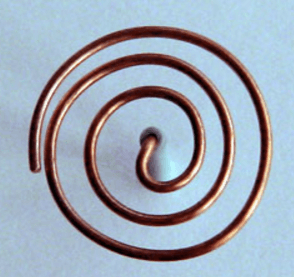
Is bending copper wire a physical or chemical change?
a)
Physical
b)
Chemical
79.

Any time something burns, it is going through a

a)

chemical change

b)

physical change

80.
If an acid is combined with a base of equal strength, the result will most likely be
a)
a neutral solution.
b)
a stronger acid.
c)
impossible to tell without testing the pH.
d)
a stronger base
81.
Soap is a weak base.  What is true about the taste of bases?
a)
they taste sour
b)
they taste sweet
c)
they taste bitter
d)
they taste salty
82.
Which of these solutions is an acid?
a)
Dish Soap: pH of 12
b)
Tomato Soup: pH of 4
c)
Baking Soda: pH of 9
d)
Drain Cleaner: pH of 14
83.
Ranging from 0 to 14, a pH value indicates how acidic or basic a solution is.  Which of these pH values would be a strong acid?
a)
2
b)
6
c)
9
d)
13
84.

Neutral solutions have a pH of:

a)

0

b)

1

c)

7

d)

14

85.

The pH scale is a range from:

a)

1-7

b)

0-14

c)

1-5

d)

1-14

86.

These can burn you if they are strong enough.

a)

Acids

b)

Bases

c)

Water

d)

Acids & Bases

87.
Which has a slippery texture?
a)
Acid
b)
Base
88.
Which has a bitter taste?
a)
Base
b)
Acid
c)
flagella
d)
cila
89.
Which has a pH below 7?
a)
Acid
b)
Base
90.

Milk is a very weak acid. What might its pH value be?

a)

6.5

b)

7.8

c)

4.2

d)

12.2

91.
Which is the stronger acid?
a)
pH 1
b)
pH 4
c)
pH 8
d)
pH 13
92.
Which one of the following is an example of a base?
a)
orange juice
b)
dish soap
c)
vinegar
d)
lemons
93.
An extremely strong base would have a pH of...
a)
1
b)
7
c)
9
d)
14