wayground logo

Free Printable Worksheets

Font size

S
M
L
XL
Worksheets

3.8 unit Exam Review

Total questions: 191

Worksheet time: 3hrs 10mins

Name
Class
Date
1.
Evidence of a chemical reactions is anything that shows - 
a)
a new substance has formed
b)
a solid dissolved in a liquid
c)
interaction between 2 gases
d)
a change in the state of matter
2.
If reaction starts with 20g of reactants it should produce 
a)
a total of 40g of products
b)
a total of 10g of products
c)
a total of 80 g of products
d)
a total of 20g of products
3.
Evidence of a chemical reactions is anything that shows - 
a)
a new substance has formed
b)
a solid dissolved in a liquid
c)
interaction between 2 gases
d)
a change in the state of matter
4.
One of the signs of a chemical reaction taking place is:
a)
Bubbles are produced 
b)
Reactants are not combining
c)
Products are not forming
d)
Color is not changing
5.
Which of the following describes a precipitate?
a)
a liquid forms when a block of metal is heated
b)
a solid forms when one liquid is poured into another
c)
a gas forms when a solid is placed in a liquid
d)
bubbles form when an acid is poured on a rock
6.
Which is NOT an indication of a chemical change?
a)
temperature change
b)
formation of a precipitate
c)
shape change
d)
production of light
7.
You know you a chemical reaction has occurred if 
a)
there is a precipitate.
b)
there is a color change.
c)
there is a temperature change.
d)
All of these answers are evidence.
8.
A clear liquid from a flask is poured into another clear liquid in a beaker. Which of the following results of this procedure would indicate a new substance was formed?
a)
The level of the substance in the beaker is higher after the other liquid is added.
b)
A yellow solid forms and then settles to the bottom of the beaker.
c)
Small white crystals are left behind in the flask that held the first liquid.
d)
The mass of the combined liquids is greater than either original liquid.
9.
Which of the following is an example that includes evidence of a chemical reaction?
a)
A sample of zinc is placed in water and it settles to the bottom
b)
A solid block of ice is heated and it completely melts into a liquid. 
c)
Sugar that is burned gives off an odor and turns brown and then black.
d)
A tomato is placed into a blender and chopped up into smaller pieces.
10.
Four students performed four different investigations by combining different substances. Which of the observations is most indicative of a chemical reaction?
a)
investigation 1
b)
investigation 2
c)
investigation 3
d)
investigation 4
11.
A student places a piece of a potato into a container of hydrogen peroxide. One observation the student makes is that bubbles form around the potato. The presence of bubbles might indicate the formation of a new substance because bubbles - 
a)
could show that a gas is forming.
b)
always rise to the top of a liquid. 
c)
are almost always perfectly spherical.
d)
usually burst after a few minutes.
12.
In a container, a solid consisting of clear crystals is combined with a blue liquid and the following observations are obtained: How many of the listed observations indicate a new substance was formed?
a)
1
b)
2
c)
3
d)
4
13.
Evidence of a chemical reactions is anything that shows - 
a)
a new substance has formed
b)
a solid dissolved in a liquid
c)
interaction between 2 gases
d)
a change in the state of matter
14.
One of the signs of a chemical reaction taking place is:
a)
Bubbles are produced 
b)
Reactants are not combining
c)
Products are not forming
d)
Color is not changing
15.
Which of the following describes a precipitate?
a)
a liquid forms when a block of metal is heated
b)
a solid forms when one liquid is poured into another
c)
a gas forms when a solid is placed in a liquid
d)
bubbles form when an acid is poured on a rock
16.
Which is NOT an indication of a chemical change?
a)
temperature change
b)
formation of a precipitate
c)
shape change
d)
production of light
17.
You know you a chemical reaction has occurred if 
a)
there is a precipitate.
b)
there is a color change.
c)
there is a temperature change.
d)
All of these answers are evidence.
18.
A clear liquid from a flask is poured into another clear liquid in a beaker. Which of the following results of this procedure would indicate a new substance was formed?
a)
The level of the substance in the beaker is higher after the other liquid is added.
b)
A yellow solid forms and then settles to the bottom of the beaker.
c)
Small white crystals are left behind in the flask that held the first liquid.
d)
The mass of the combined liquids is greater than either original liquid.
19.
Which of the following is an example that includes evidence of a chemical reaction?
a)
A sample of zinc is placed in water and it settles to the bottom
b)
A solid block of ice is heated and it completely melts into a liquid. 
c)
Sugar that is burned gives off an odor and turns brown and then black.
d)
A tomato is placed into a blender and chopped up into smaller pieces.
20.
Four students performed four different investigations by combining different substances. Which of the observations is most indicative of a chemical reaction?
a)
investigation 1
b)
investigation 2
c)
investigation 3
d)
investigation 4
21.
A student places a piece of a potato into a container of hydrogen peroxide. One observation the student makes is that bubbles form around the potato. The presence of bubbles might indicate the formation of a new substance because bubbles - 
a)
could show that a gas is forming.
b)
always rise to the top of a liquid. 
c)
are almost always perfectly spherical.
d)
usually burst after a few minutes.
22.
In a container, a solid consisting of clear crystals is combined with a blue liquid and the following observations are obtained: How many of the listed observations indicate a new substance was formed?
a)
1
b)
2
c)
3
d)
4
23.
Evidence of a chemical reactions is anything that shows - 
a)
a new substance has formed
b)
a solid dissolved in a liquid
c)
interaction between 2 gases
d)
a change in the state of matter
24.
Which is NOT an indication of a chemical change?
a)
temperature change
b)
formation of a precipitate
c)
shape change
d)
production of light
25.
You know you a chemical reaction has occurred if 
a)
there is a precipitate.
b)
there is a color change.
c)
there is a temperature change.
d)
All of these answers are evidence.
26.

Dissolving salt is a

a)

Chemical change

b)

Physical change

27.

The glow stick reaction is a

a)

Chemical change

b)

Physical change

28.

In a chemical reaction, no new atoms are created, and no atoms are _________________.

a)

Destroyed

b)

Created

29.

The production of carbon dioxide gas when baking soda and vinegar reacted indicated a _____________.

a)

Chemical change

b)

Physical change

30.

Bubbles being produced is an example of?

a)

Chemical Property

b)

Physical Property

c)

Chemical Sign

31.

The color of a substance is an example of?

a)

Chemical Property

b)

Physical Property

c)

Chemical Sign

32.
Evidence of a chemical reactions is anything that shows - 
a)
a new substance has formed
b)
a solid dissolved in a liquid
c)
interaction between 2 gases
d)
a change in the state of matter
33.
The Best Friend's Club uses "invisible ink" to write notes to each other. The invisible ink is actually lemon juice that is clear when it dries on paper, but turns brown when a club member holds a burning candle under the paper. Once it is heated, it is never invisible again.
 What type of change is occurring when the paper is heated?
a)
chemical change
b)
elemental change
c)
physical change
d)
temperature change
34.
Evidence of a chemical reactions is anything that shows - 
a)
a new substance has formed
b)
a solid dissolved in a liquid
c)
interaction between 2 gases
d)
a change in the state of matter
35.
One of the signs of a chemical reaction taking place is:
a)
Bubbles are produced 
b)
Reactants are not combining
c)
Products are not forming
d)
Color is not changing
36.
Which of the following describes a precipitate?
a)
a liquid forms when a block of metal is heated
b)
a solid forms when one liquid is poured into another
c)
a gas forms when a solid is placed in a liquid
d)
bubbles form when an acid is poured on a rock
37.
Which is NOT an indication of a chemical change?
a)
temperature change
b)
formation of a precipitate
c)
shape change
d)
production of light
38.
You know you a chemical reaction has occurred if 
a)
there is a precipitate.
b)
there is a color change.
c)
there is a temperature change.
d)
All of these answers are evidence.
39.

Dissolving salt is a

a)

Chemical change

b)

Physical change

40.

The glow stick reaction is a

a)

Chemical change

b)

Physical change

41.

Which is not a chemical reaction?

a)

Mixing baking soda and vinegar, bubbles are formed

b)

Boiling water, bubbles are formed

c)

Alkaseltzer tablet in water, bubbles are formed

d)

Cake baking in over, bubbles are formed

42.

Chemical reaction or not?

a)

yes

b)

no

43.

Substances giving off a smell (____________) while being combined is also an indicator of a chemical reaction.

a)

light

b)

odor

c)

molecule

d)

precipitate

44.

The reason to add preservatives to food is __________________

a)

To prevent reactivity of food with air.

b)

To prevent the oxidation of food.

c)

to keep the food for a long time without decaying.

d)

All the answers are right

45.

The reason for Plating or covering iron with less reactive substances.

(Polishing)

Choose the best answer :

a)

So that it looks shiny.

b)

So that it does not rust.

c)

So that it reacts with the air surrounding it.

d)

to help the chemical reaction to start .

46.

We keep sodium in paraffin oil in dark sealed bottles

a)

Because sodium is very reactive

b)

To prevent the reaction of sodium with air

c)

To prevent the reaction of sodium with light

d)

All the answers are right

47.

Can you now list the 5 signs of the chemical reaction?

a)

Yes I can list the 5 signs

b)

Yes I can list 4 signs

c)

Yes I can list 3 signs

d)

Yes I can list 2 signs

e)

No,I can't list any sign

48.

What is a chemical reaction?

a)

a change in matter when the molecules rearrange to make new molecules

b)

a change in matter when matter changes its form or appearance

c)

a change in matter when the physical appearance changes

d)

a very boring change in matter

49.

This image shows a

a)

chemical reaction

b)

physical change

c)

musical change

d)

all of these answers are correct

50.

This change is a

a)

chemical reaction

b)

physical change

c)

musical change

d)

all answers are correct

51.

The reactants in the image above are:

a)

CH4 and 2 O2

b)

2 H2O and CO2

c)

All of these are reactants

d)

All of these are products

52.

The products in the image above are:

a)

CH4 and 2 O2

b)

2 H2O and CO2

c)

All of these are reactants

d)

All of these are products

53.

When energy like heat and light are given off in a chemical reaction it is called

a)

exothermic

b)

endothermic

c)

eccentric

d)

ectomorphic

54.

When energy is absorbed and taken in during a chemical reaction it is called

a)

exothermic

b)

endothermic

c)

eccentric

d)

ectomorphic

55.

When the matter in a chemical reaction gets colder it is called

a)

exothermic

b)

endothermic

c)

eccentric

d)

endomorphic

56.

When the matter in a chemical reaction gets warmer it is called

a)

exothermic

b)

endothermic

c)

eccentric

d)

endomorphic

57.

Which is the correct description of photosynthesis

a)

Photosynthesis is a chemical reaction because the atoms of the molecules get rearranged to form new molecules

b)

Photosynthesis is a chemical reaction because the molecules stay the same before and after the change

c)

Photosynthesis is a physical change because nature makes it happen

d)

Photosynthesis is a physical change because the atoms stay the same

58.

Signs of a chemical change could be:

a)

a change in energy (temperature, light, sound)

b)

a precipitate forms (a solid forms from 2 liquids)

c)

formation of gas (bubbles)

d)

shocking change in color

e)

all of these answers are signs of chemical change

59.

The products are:

a)

molecular oxygen and 2 carbon

b)

2 carbon monoxide

c)

all of these are products

d)

all of these are reactants

60.

The reactants are:

a)

molecular oxygen and 2 carbon

b)

2 carbon monoxide

c)

all of these are products

d)

all of these are reactants

61.
Evidence of a chemical reactions is anything that shows - 
a)
a new substance has formed
b)
a solid dissolved in a liquid
c)
interaction between 2 gases
d)
a change in the state of matter
62.
One of the signs of a chemical reaction taking place is:
a)
Bubbles are produced 
b)
Reactants are not combining
c)
Products are not forming
d)
Color is not changing
63.
Which of the following describes a precipitate?
a)
a liquid forms when a block of metal is heated
b)
a solid forms when one liquid is poured into another
c)
a gas forms when a solid is placed in a liquid
d)
bubbles form when an acid is poured on a rock
64.
Which is NOT an indication of a chemical change?
a)
temperature change
b)
formation of a precipitate
c)
shape change
d)
production of light
65.

Which of the following is an example that includes evidence of a chemical change?

a)
b)
c)
d)
66.

What is the evidence that a chemical change has taken place?

a)

Color change

b)

Light produced

c)

state change

d)

mixture

67.

What is the evidence that a chemical change has taken place?

a)

gas production

b)

change in energy

c)

change in color

d)

production of a precipitate

68.

Identify the change as physical or chemical

a)

physical

b)

chemical

69.

Identify the change as physical or chemical.

a)

physical

b)

chemical

70.

What is the evidence that a chemical change has taken place? Choose all that apply.

a)

Light is produced (change in energy)

b)

Heat is produced (change in energy)

c)

Change in shape

d)

Production of a gas

71.

How many total atoms are in the compound for ammonia, NH3

a)

2

b)

3

c)

4

d)

5

72.

How many elements are in the compound for propane, C3H8

a)

2

b)

3

c)

8

d)

11

73.

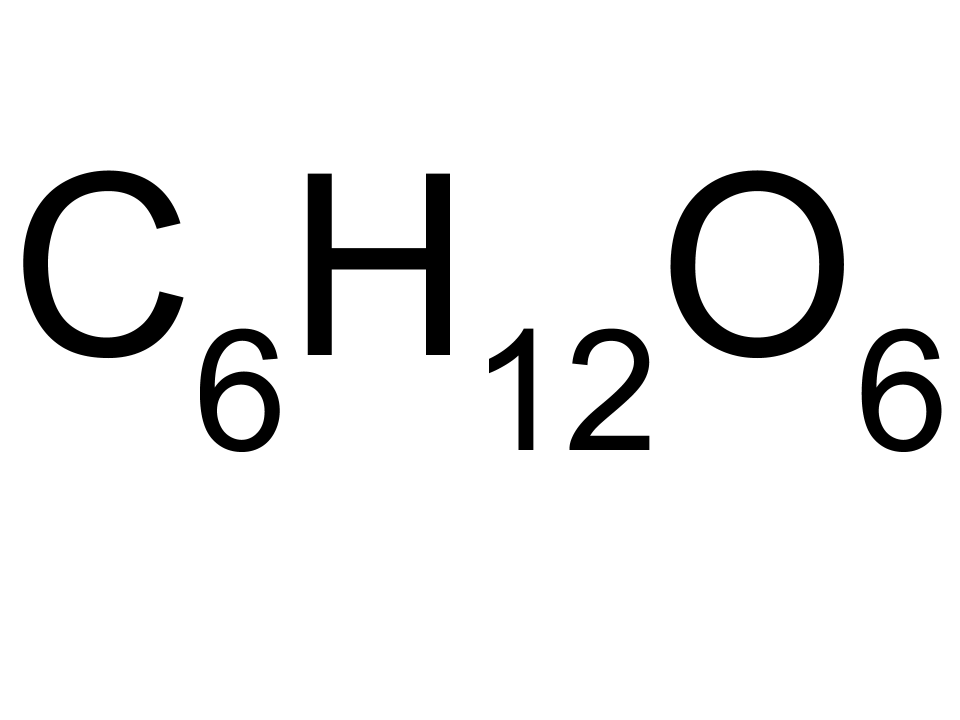
The chemical formula for glucose is C6H12O6. How many hydrogen atoms are in glucose?

a)

3

b)

6

c)

12

d)

24

74.

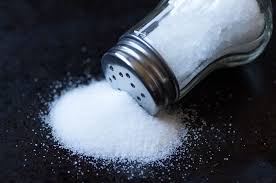
NaCl is the chemical formula for salt. Is NaCl considered a compound or an element?

a)

element

b)

compound

c)

both

d)

neither

75.

How many total atoms are in the compound 2H2O?

a)

2

b)

3

c)

4

d)

6

76.

The chemical formula for baking soda is NaHCO3. How many total atoms are in this chemical formula?

a)

3

b)

4

c)

5

d)

6

77.

We breathe oxygen. Its chemical formula is O2. Is this formula an element or a compound?

a)

element

b)

compound

c)

neither

d)

both

78.

How many atoms of hydrogen are in the chemical formula H2SO4

a)

2

b)

3

c)

4

d)

7

79.

What is the large number before the chemical formula called? (example: 2H20)

a)

element

b)

subscript

c)

coefficient

d)

superscript

80.

How many atoms of magnesium (Mg) are in the compound Al2MgO4

a)

7

b)

4

c)

2

d)

1

81.

What does the subscript in a chemical formula tell you?

a)

How many molecules are present

b)

How many atoms are present

c)

How many elements are present

d)

How many neutrons are present

82.

How many elements are in this chemical formula?

HCl

a)

1

b)

2

c)

3

d)

4

83.

How many atoms of Carbon are in this formula? C6 H12O6C_{6\ }H_{12}O_6  

a)

6

b)

1

c)

12

84.

What elements are represented in this chemical formula? Fe2O3Fe_2O_3  

a)

Iron, Oxygen

b)

Francium, Europium, Oxygen

c)

Ferrium, Oxygen

d)

Berylium, Oxygen

85.

What is the total number of atoms in this formula? H2O2H_2O_2  

a)

2

b)

4

c)

3

86.

How many more atoms of Oxygen than than Magnesium are in this formula? MgSO4MgSO_4  

a)

4

b)

3

c)

2

d)

6

87.

Which of the following elements is least likely to form a compound?

a)

Hydrogen

b)

Sodium

c)

Argon

d)

Potassium

88.

Which of the following is a molecule of a compound?

a)

H2H_2

b)

Cl2Cl_2

c)

H2OH_2O

d)

F2F_2

89.

Which does not belong in the group?

a)

Sodium

b)

Glucose

c)

carbon

d)

Element

90.

Is this an element or a compound? CaSO4CaSO_4  

a)

Element

b)

Compound

91.

Which chemical formula correctly displays 1 atom of nickel and 2 atoms of Fluorine?

a)

niF2

b)

NIF2

c)

Ni1F2

d)

NiF2

92.

What is the total number of atoms in this chemical formula? C8H3NaBr12C_8H_3NaBr_{12}  

a)

18

b)

12

c)

25

d)

24

93.

Which element has the greatest number of atoms? AgNO3AgNO_3  

a)

Silver

b)

Gold

c)

Nitrogen

d)

Oxygen

94.

Molecules that are made of more than one type of atom are called?

a)

Molecules

b)

Elements

c)

Mixtures

d)

Compounds

95.

How many elements are in this chemical formula? NaHCO3NaHCO_3  

a)

1

b)

2

c)

3

d)

4

96.
How many Hydrogen are in 4H2O?
a)
6
b)
8
c)
2
d)
4
97.
Element or compound?
O2
a)
Element
b)
Compound
98.
Which of the following is a compound?
a)
Co
b)
O2
c)
C
d)
CO2
99.
Which is the correct formula for:
 three hydrogen (H)
one sulfur (S)
four oxygen (O)
a)
H3SO4
b)
HSO4
c)
H4S3O
d)
H2O
100.
How many Elements are in the compound C2H8O ?
a)
2
b)
1
c)
3
d)
0
101.
How many atoms are there TOTAL in:
H2SO4
a)
6
b)
5
c)
7
d)
3
102.
How many elements are in C6H12O6?
a)
1
b)
2
c)
3
d)
4
103.
How many Sodium (Na) are in 6NaCl?
a)
1
b)
12
c)
6
104.
What is a coefficient?
a)
The small number on the right of the chemical symbol.
b)
The large number to the left of a formula.
105.
A subscript is the small number below a(n) ________ that tells the number of _______ of that element.
a)
element symbol; atoms
b)
atom; element symbol
c)
subscript; protons
d)
compound; elements
106.
A pure substance that cannot be broken down into simpler substances.
a)
element
b)
compound
c)
molecule
d)
carbon dioxide
107.

How many atoms are present if there is no subscript following the element symbol?

a)

0

b)

2

c)

only 1

d)

1 million

108.

HCl has how many atoms of each element?

a)

H=1, Cl=1

b)

H=2, Cl=2

c)

H=3, Cl=1

109.

The first letter of an element is always ...

a)

a lowercase letter

b)

a uppercase letter

c)

a number

d)

the letter H

110.

The second letter of an element is always a(n)...

a)

vowel

b)

uppercase letter

c)

consonant

d)

lowercase letter

111.

How many atoms are in this chemical formula: (NH4)2SO4

a)

12

b)

15

c)

4

d)

10

112.

How many atoms are in this formula: Zn(NO3)2

a)

3

b)

5

c)

9

d)

7

113.

How many elements are in this chemical formula: Zn(NO3)2

a)

3

b)

7

c)

5

d)

12

114.

In a chemical formula, the coefficient tells you the number of ______________.

a)

atoms

b)

elements

c)

compounds

d)

molecules

115.

A capital letter or combination of a capital letter and a small letter that is used to represent an element is called a(n) ________

a)

Element symbol

b)

Element sign

c)

Atomic Number

d)

Atomic Mass

116.
CaCO3 represents a chemical
a)
Symbol
b)
Formula
c)
Subscript
d)
Reaction
117.
The substances listed on the left side of a chemical equation are the
a)
Products
b)
Coefficients
c)
Precipitates
d)
Reactants
118.
In chemical reactions, what does the principle of conservation of mass mean?
a)
Matter is not created or destroyed.
b)
The total mass of the reactants is greater than the total mass of the products.
c)
The total mass of the reactants is less than the total mass of the products.
d)
Matter is not changed.
119.
The substances listed on the right side of a chemical equation are the
a)
Yields
b)
Reactants
c)
Products
d)
Precipitates
120.
How many phosphorus atoms are in PO4?
a)
1
b)
2
c)
3
d)
4
121.
How many hydrogen atoms are in 2 H2?
a)
1
b)
2
c)
3
d)
4
122.
In balancing chemical equations, we change
a)
Coefficients
b)
Subscripts
c)
Both can be changed
d)
None can be changed
123.
Which number should go in the blank?
_ H2 + O2 -> 2 H2O
a)
1
b)
2
c)
3
d)
0
124.
Which number should go in the blank?
2 Na+ _ Cl2 -> 2 NaCl
a)
1
b)
2
c)
3
d)
0
125.
Which number should go in the blank?
Mn + _ HNO3 → Mn(NO3)2 + H2
a)
1
b)
2
c)
3
d)
0
126.
Which number should go in the blank?
Al(NO3)3 + _  NaOH -> Al(OH)3 + 3 NaNO3
a)
1
b)
2
c)
3
d)
0
127.
How many oxygen atoms are present in the following? 
4Ca(OH)2
a)
4
b)
6
c)
8
d)
1
128.
This is used to represent the amount of each atom in a molecule. What is the arrow pointing to?
a)
Exponent
b)
Coefficient
c)
Molecule
d)
Subscript
129.
How many Iron (Fe) atoms are in this chemical formula?
a)
2 iron atoms
b)
6 iron atoms
c)
5 iron atoms
d)
4 iron atoms
130.
Which number should go in the blank?
Al(NO3)3 + _  NaOH -> Al(OH)3 + 3 NaNO3
a)
1
b)
2
c)
3
d)
0
131.

What physical state symbol should be included for water?

a)

(s) - solid

b)

(l) - liquid

c)

(g) - gas

d)

(aq) - aqueous

132.

What physical state symbol should be included for carbon dioxide?

a)

(s) - solid

b)

(l) - liquid

c)

(g) - gas

d)

(aq) - aqueous

133.

What physical state symbol should be included for glucose?

a)

(s) - solid

b)

(l) - liquid

c)

(g) - gas

d)

(aq) - aqueous

134.

What physical state symbol should be included for oxygen?

a)

(s) - solid

b)

(l) - liquid

c)

(g) - gas

d)

(aq) - aqueous

135.

Why does oxygen's symbol have a subscript "2"?

a)

Because it is monoatomic.

b)

Because it is diatomic.

c)

Because it is triatomic.

136.

CH2Cu8 - How many Copper atoms are in this formula?

a)

1

b)

2

c)

8

d)

16

137.

How many total atoms are in this formula? 3Zn2O3H

a)

6

b)

9

c)

18

138.

What is the coefficient for this formula? 9NaCl2

a)

9

b)

2

c)

1

d)

11

139.

What is the subscript in this formula? 3N2ONe

a)

3

b)

2

c)

1

d)

5

140.

This tells you the number of molecules you have of a substance

a)

coefficient

b)

subscript

c)

exponent

d)

chemical formula

141.

This tells you how many atoms of an element you have in a chemical formula

a)

coefficient

b)

subscript

c)

chemical symbol

d)

atomic number

142.

This equation is not balanced. Which element has more atoms on one side than the other?

2HCl + CaCO3 yields CaCl + H2O + CO2

a)

Cl

b)

Ca

c)

H

d)

O

143.

Is this equation balanced?

C + 2H2 yields CH4

a)

No

b)

Yes

144.

Is this equation balanced?

CH4 + O2 yields CO2 + 2H2O

a)

yes

b)

no

145.

Is this equation balanced?

2H2O yields H2 + 2O2

a)

Yes

b)

No

146.
How many Hydrogen are in 4H2O?
a)
6
b)
8
c)
2
d)
4
147.
How many Chlorine are in MgCl2?
a)
2
b)
1
c)
3
148.
How many Magnesium are in 10MgCl2?
a)
10
b)
5
c)
20
149.
Which is the correct formula for:
 three hydrogen (H)
one sulfur (S)
four oxygen (O)
a)
H3SO4
b)
HSO4
c)
H4S3O
d)
H2O
150.
What is a coefficient?
a)
The small number on the right of the chemical symbol.
b)
The large number to the left of a formula.
151.

How many elements are in this chemical formula?

HCl

a)

1

b)

2

c)

3

d)

4

152.

How many atoms of Carbon are in this formula? C6 H12O6C_{6\ }H_{12}O_6  

a)

6

b)

1

c)

12

153.

What is the total number of atoms in this formula? H2O2H_2O_2  

a)

2

b)

4

c)

3

154.

Which element has the greatest number of atoms? AgNO3AgNO_3  

a)

Silver

b)

Gold

c)

Nitrogen

d)

Oxygen

155.

How many oxygen are in Ca(OH)2

a)

2

b)

1

c)

0

d)

4

156.

How many Ca are in Ca(OH)2

a)

2

b)

1

c)

0

d)

4

157.

How many Mg are in 4 Mg(OH)2

a)

2

b)

1

c)

4

d)

8

158.

How many H are in 4 Mg(OH)2

a)

2

b)

1

c)

4

d)

8

159.

How many O are in K2(SO4)3

a)

7

b)

3

c)

12

d)

1

160.

How many K are in5 K2(SO4)3

a)

7

b)

10

c)

30

d)

3

161.

How many S are in5 K2(SO4)3

a)

3

b)

8

c)

15

d)

5

162.
Element or Compound?
H2O
a)
Element
b)
Compound
163.
Element or Compound?
H2SO4
a)
Element
b)
Compound
164.
Element or Compound?
Au
a)
Element
b)
Compound
165.
Element or Compound?
Ru
a)
Element
b)
Compound
166.
Element or Compound?
CF3CO2H
a)
Element
b)
Compound
167.
Element or Compound?
O2S(OH)2
a)
Element
b)
Compound
168.
Element or Compound?
As
a)
Element
b)
Compound
169.
Element or Compound?
Oxygen
a)
Element
b)
Compound
170.
Element or Compound?
NiSO4
a)
Element
b)
Compound
171.
Element or Compound?
Salt (NaCl)
a)
Element
b)
Compound
172.
Which of the following is not a compound?
a)
HCl
b)
Cl
c)
NaCl
d)
CO2
173.
Which of the following represents an element?
a)
H2O
b)
H2
c)
NaCl
d)
CaCO3
174.
What cannot be broken down into other substances?
a)
Compound
b)
Mixture
c)
Solids
d)
Element
175.
What is made up two or more elements that are chemically combined?
a)
Element
b)
Mixture
c)
Compound
d)
Solids
176.
This picture represents which of the following?
a)
element
b)
compound
c)
mixture
177.
This picture represents which of the following?
a)
element
b)
compound
c)
mixture
178.
A pure substance containing only one kind of atom.
a)
element
b)
mixture
c)
compound
179.
Which of the following is not a compound?
a)
HCl
b)
Cl
c)
NaCl
d)
CO2
180.
Is a human made of matter?
a)
yes
b)
no
c)
?
d)
mabye
181.
Which item is not made of matter?
a)
air
b)
water
c)
a pencil
d)
a shadow
182.
Which of the following is not a compound?
a)
HCl
b)
Cl
c)
NaCl
d)
CO2
183.
Which of the following represents an element?
a)
H2O
b)
H2
c)
NaCl
d)
CaCO3
184.
What cannot be broken down into other substances?
a)
Compound
b)
Mixture
c)
Solids
d)
Element
185.
What is made up two or more elements that are chemically combined?
a)
Element
b)
Mixture
c)
Compound
d)
Solids
186.
This picture represents which of the following?
a)
element
b)
compound
c)
mixture
187.
This picture represents which of the following?
a)
element
b)
compound
c)
mixture
188.
A pure substance containing only one kind of atom.
a)
element
b)
mixture
c)
compound
189.
Which of the following is not a compound?
a)
HCl
b)
Cl
c)
NaCl
d)
CO2
190.
Is a human made of matter?
a)
yes
b)
no
c)
?
d)
mabye
191.
Which item is not made of matter?
a)
air
b)
water
c)
a pencil
d)
a shadow