
Font size
 Worksheets
Science Check-In 1 Mega Review
Total questions: 168
Worksheet time: 3hrs 48mins
When things move, they are in _________
friction
motion
position
Who discovered the gravity?
Isaac Newton
Picasso
Arthur Doyle
What happens when an object is in movement?
It slows down
It changes its position
It falls on the ground
What is a force?
It's a heavy object
It's magnet force
It's a push and a pull
If you ______ an object, it will move away from you
push
pull
stop
If you ______ an object, it will move closer to you
push
pull
stop
What do we need to move something?
Force
Motion
Gravity
We can measure weight with a ________
mass
scale
movement
What is gravity?
A force that pulls things to the ground
A movement that stops things moving
A place on the Earth
Which one has more gravity?
The moon
A rock
The Earth
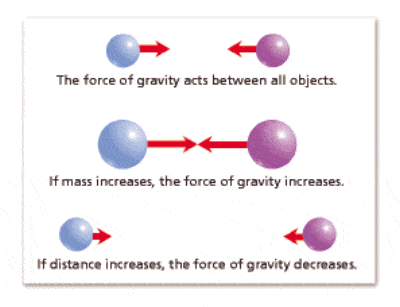
A force which causes objects to fall is
weight
gravity
air resistance
absorbency


A ball is kicked across a sidewalk and enters a road covered in small rocks. Which best describes the effect the rocky road will have on the ball?
the rocky road will increase the speed of the ball because of friction
the rocky road will decrease the speed of the ball because of its mass
the rocky road will decrease the speed of the ball because of friction
the rocky road will increase the speed of the ball because of its mass
A boy puts several kilograms of rocks in an empty wagon. How will the motion of the wagon be different after it is filled with rocks?
It will be easier to speed up, but more difficult to slow down.
It will be more difficult to speed up, but easier to slow down
it will be easier to speed up and slow down
it will be more difficult to speed up and slow down
A skydiver jumps from an airplane with a parachute. Which best explains how forces affect the skydivers fall?
Gravity pulls her down and friction slows her fall
Gravity pulls her down and friction makes her heavier so she falls faster
Friction pulls her down and gravity slows her fall
friction pulls her down and gravity makes her lighter, so she falls slower
Two balls of similar shape and size, one weighing 1 kg the other 2 kg, are both dropped from the top of a ladder at the same time. Which ball will hit the ground first?
The 1 kg ball will hit the ground first because it has less mass than the 2 kg ball.
The 2 kg ball will hit the ground first because it has more mass than the 1 kg ball.
Gravity will cause both to hit the ground at the same time.
Friction will cause both to hit the ground at the same time.
Josh kicked a soccer ball with a certain force. After the ball stopped moving, Jay kicked the same soccer ball with a greater force. Which statement best describe what happened to the ball?
the ball moved slower but farther when Josh kicked it
the ball moved faster and farther when Jay kicked it
the ball moved faster and farther when John kicked it
the ball moved faster but not as far when Jay kicked it
The force created when two surfaces rub against each other
Friction
Gravity
Weight
Mass
Sandpaper
More friction
Less friction
Wax paper
More friction
Less friction
Ice
More friction
Less friction
A measure of gravity's pull on an object
Friction
Gravity
Weight
Mass
The amount of matter in an object
Friction
Gravity
Weight
Mass

Gravity
Motion
Force

Gravity
Force
Motion

Gravity
Force
Motion
The amount of matter in an object
Weight
Mass
Inertia
The pull of gravity on an object
Weight
Mass
Inertia

Mass
Weight
Objects at rest, stay at rest. Objects in motion, stay in motion. (Unless an outside force acts on them)
Weight
Mass
Inertia

Mass
Weight
The force created when two surfaces rub against each other
Friction
Gravity
Weight
Mass
Ice
More friction
Less friction
Tile floors
More friction
Less friction
Less friction causes objects to move _______
Slower
Faster
When objects with LESS mass move downhill, they move _______.
Faster
Slower
When objects with MORE mass move downhill, they move _______.
Faster
Slower
It takes ______ force to move objects with decreased mass.
Less
More
It takes ______ force to move objects with increased mass.
Less
More
Rubber tires
More friction
Less friction
Carpet
More friction
Less friction
Equal forces
Balanced Forces
Unbalanced Forces
Unequal forces
Balanced Forces
Unbalanced Forces
Do NOT cause movement
Balanced Forces
Unbalanced Forces


What is true about this image?
It shows unbalance forces.
It shows balanced forces.
The people on the right are winning.
The people on the left are winning.

If an object is not moving the forces acting upon it are _____________
unbalanced
weak
balanced
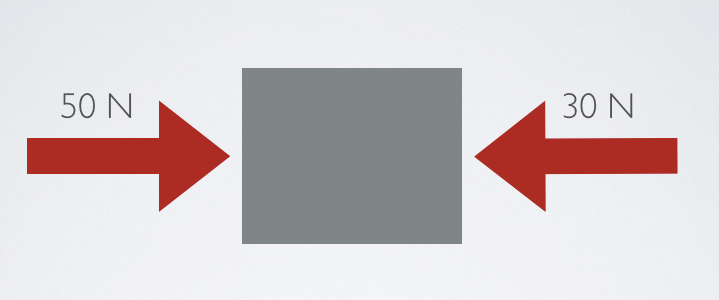


These forces are...
Balanced
Unbalanced
Water falls to the Earth
Evaporation
Condensation
Precipitation
Transpiration
Sun heats a surface body of water and changes it to water vapor
Evaporation
Condensation
Precipitation
Transpiration
water vapor changes to liquid
Evaporation
Condensation
Precipitation
Transpiration
Rain, snow, sleet, and hail
Evaporation
Condensation
Precipitation
Transpiration
Water changes from a liquid to a gas
Evaporation
Infiltration
Runoff
Transpiration
Plants release water through their leaves into the atmosphere
Evaporation
Infiltration
Runoff
Transpiration
Water seeps into the land and becomes groundwater
Evaporation
Infiltration
Runoff
Transpiration
Water moves across land into nearby rivers, lakes, and streams
Evaporation
Infiltration
Runoff
Transpiration

Evaporation
Transpiration
Condensation
Runoff
Infiltration

Evaporation
Transpiration
Condensation
Precipitation

Evaporation
Transpiration
Condensation
Precipitation

Evaporation
Transpiration
Condensation
Infiltration

Evaporation
Transpiration
Condensation
Precipitation

Evaporation
Transpiration
Condensation
Precipitation

Evaporation
Transpiration
Condensation
Precipitation

Evaporation
Transpiration
Condensation
Precipitation

Evaporation
Transpiration
Condensation
Precipitation

Evaporation
Transpiration
Runoff
Infiltration
Fog, Dew, and Drops on a mirror
Evaporation
Condensation
Runoff
Transpiration
water vapor cools to form clouds
Evaporation
Condensation
Precipitation
Transpiration

A
B
C
D

A
B
C
D
New gas forms
Physical
Chemical
Change in state (solid, liquid, gas)
Physical
Chemical
Sudden, Unexpected Temperature Change
Physical
Chemical
Easily Reversed
Physical
Chemical
Change in size/shape
Physical
Chemical
NOT Easily Reversed
Physical
Chemical
Ironing clothes
Conduction
Convection
Radiation
Hot water heats your hands as you wash them
Conduction
Convection
Radiation
Walking across hot sand or concrete burns your feet
Conduction
Convection
Radiation
A metal spoon sits in soup, and the spoon heats up
Conduction
Convection
Radiation
Warmer water travels to the top of a pot, colder water sinks
Conduction
Convection
Radiation
Causes sunburns
Conduction
Convection
Radiation
Heat passed from the stove to the bottom of a pot
Conduction
Convection
Radiation
Heat from a campfire
Conduction
Convection
Radiation
A microwave oven cooking your dinner
Conduction
Convection
Radiation
The metal part of your seatbelt burns your leg after sitting in the sun all day
Conduction
Convection
Radiation
Causes hot air to rise
Conduction
Convection
Radiation
Heat transfer within liquids
Conduction
Convection
Radiation
Heat transfer within gases
Conduction
Convection
Radiation
Heat transfer between objects that are touching
Conduction
Convection
Radiation
Heat transfer by electromagnetic waves (microwaves, sunlight, fires)
Conduction
Convection
Radiation
Heat moving within a pot of water
Conduction
Convection
Radiation
Heat is transferred _________________.
From warm objects to cool objects
From cool objects to warm objects
Space heaters
Conduction
Convection
Radiation
Ironing clothes
Conduction
Convection
Radiation
Hot water heats your hands as you wash them
Conduction
Convection
Radiation
Walking across hot sand or concrete burns your feet
Conduction
Convection
Radiation
A metal spoon sits in soup, and the spoon heats up
Conduction
Convection
Radiation
Warmer water travels to the top of a pot, colder water sinks
Conduction
Convection
Radiation
Causes sunburns
Conduction
Convection
Radiation
Heat passed from the stove to the bottom of a pot
Conduction
Convection
Radiation
Heat from a campfire
Conduction
Convection
Radiation
A microwave oven cooking your dinner
Conduction
Convection
Radiation
The metal part of your seatbelt burns your leg after sitting in the sun all day
Conduction
Convection
Radiation
Causes hot air to rise
Conduction
Convection
Radiation
Heat transfer within liquids
Conduction
Convection
Radiation
Heat transfer within gases
Conduction
Convection
Radiation
Heat transfer between objects that are touching
Conduction
Convection
Radiation
Heat transfer by electromagnetic waves (microwaves, sunlight, fires)
Conduction
Convection
Radiation
Heat moving within a pot of water
Conduction
Convection
Radiation
Heat is transferred _________________.
From warm objects to cool objects
From cool objects to warm objects
Space heaters
Conduction
Convection
Radiation
Heat easily moves through ____________
Conductors
Insulators
Heat DOES NOT easily move through _____________.
Conductors
Insulators
Metals
Conductors
Insulators
Aluminum pan
Conductors
Insulators
Plastic
Conductors
Insulators
Wood
Conductors
Insulators
Air
Conductors
Insulators
Metal pot
Conductors
Insulators
Foam cup
Conductors
Insulators
Glass
Conductors
Insulators
Metal spoon
Conductors
Insulators
Wooden spoon
Conductors
Insulators
Plastic spoon
Conductors
Insulators
Baking pan
Conductors
Insulators
When an object is heated, it will ____________.
Expand
Contract
When an object is cooled, it will ____________.
Expand
Contract
Keep warm objects warm AND keep cold objects cold
Insulators
Conductors
Iron, Aluminum, Steel
Conductors
Insulators
In the heat of the day, asphalt will __________.
Expand
Contract
In the cool of the night, asphalt will __________.
Expand
Contract

