
 Worksheets
final revision g 4 q1
Total questions: 83
Worksheet time: 56mins
What are the functions that a living thing must carry out in order to stay alive ?
A _______ is the building unit of living things.
This is a thin layer covers all cells .
This is the strong outer covering of a plant cell.
...................... in which food-making occurs. It contains a green chlorophyll.
Which of the following is NOT a characteristic of all living things?
don't Move around.
Use energy.
Respond to surrounding environment
Grow, develop, and reproduce
Which of these is in the correct order (from biggest to smallest)?
Kingdom, phylum, class, genus, family, species, order
Species, kingdom, order, family, genus, phylum, species
Genus, species, class, order, kingdom, domain
Kingdom, phylum, class, order, family, genus, species
where cell membrane found?
no cell
no cell
What three things do plants need for the process of photosynthesis?
Sunlight, oxygen, and sugar
Water, soil, and oxygen
Sunlight, carbon dioxide, and water
Carbon dioxide, oxygen, and soil
plants use................... to absorb the energy from light?
Chlorophyll
H2O
DNA
Nitrogen

Which of the following is made up of two or more tissues and do a specific function?



A pine tree is a member of the kingdom
Animalia
Protists
Fungi
Plant
protists
Plants
animals

All of the following have a nucleus except...
Bacteria
Animals
Plants
Protists
Which kingdom has cell walls like plants?
Animalia
Plants
Protists
Fungi
How many kingdoms of life are there?
eight
six
three
one
Which kingdoms have nucleus?
Archaeabactera and Eubacteria
Plant and Animal
Protist and Fungi
Plant, Animal, Protist and Fungi

What kingdom am I? I many cells, have nucleus and get food. i have human in me.
Plant
Fungi
Protist
Animal
What do archaea and bacteria have in common?
Their cells have nuclei
They are multicellular
They all make their own food
Their cells have no nuclei
How are fungi different from plants?
Plants make their own food; fungi don't
Plants grow from the earth; fungi don't
Plants have stems, fungi don't
Fungi reproduce asexually, plants cannot

Paramecium and algea are in kingdom ___________.

these plants dont have root , stem or leaves
mosses
ferns
conifers
flowering plants
Part of the plant that absorbs water.
Roots
Flowers
Petals
Leaves
Part of the plant that absorbs water.
Roots
Flowers
Petals
Leaves
Part of the plant that has chlorophyll
Roots
Flowers
Petals
Leaves
Part of the plant that is long, transport nutrients, water and keep the plant upright in the ground.
Roots
Stem
Petals
Leaves
Green substance that turn the leaves green
Chlorophyll
Roots
Green Paint
Spore
The flowers from plants turn into _________.
Fruits
Trees
Leaves
Vegtables
to make offspring


What type of root has grasses?
fibrous roots
creeping roots
water roots
What is the name of the process that helps water evaporate from a plant's leaves?
Evaporation
Perspiration
Transpiration
Phloem
tiny openings in the lower part of leaf ?
Phloem
Stomata
Roots
Xylem
Photosynthesis is the process that turns carbon dioxide and water into

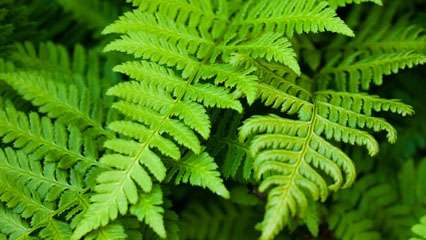
This is a...
fern
liverwort
hornwort
club moss
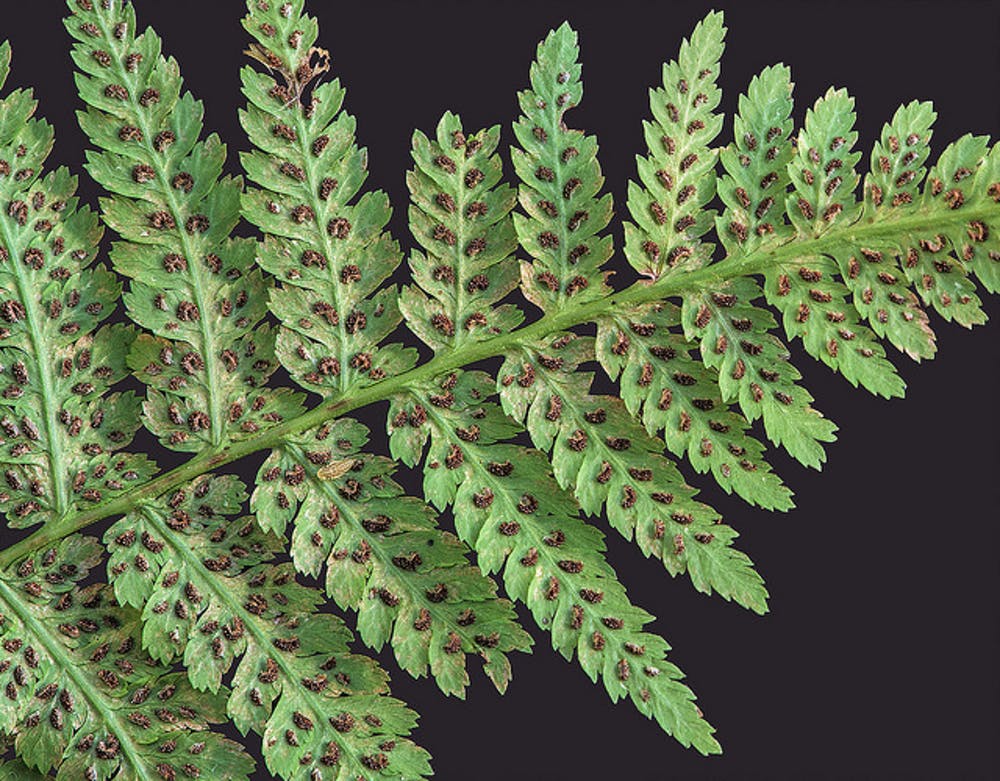
How do we call the brown spots cover spores fern plant?
Spore seeds
Spore cases
Seed cases
Pollen cases

This is a carrot. We eat the ________________ part of it.
root
stem
leaf
seed

This is a sugar cane plant. Which part do we eat?
leaf
stem
root
seed
Maize, barley and oat are examples of
Leaves
Seeds
Flowers
Roots

What is the female reproductive organ?
Pistil
Leaves
Stamen
Pollen

What is the male reproductive organ?
Ovule
Pistil
Pollen
Stamen
The male reproductive organs produce _______
pollen
ovules
ovary
sexual
The female reproductive organs produce...
Pollen
eggs
pistil
pollination

Name of the process:
The pollen travels from the anther to the stigma
Fertilisation
Dispersion
Germination
Pollination

Name of the process:
Seeds are transported by animals, wind or water
Pollination
Dispersion
Germination
Fertilisation
What is the male reproductive organ of a flower?
pistil
stamen
angiosperm
fruit
The sprouting of a plant from a seed is called ________.
germination
pollination
fertilization
seed dispersal
The joining of an egg cell and a sperm cell is called _____________.
pollination
fertilization
seed dispersal
germination
pollinators _______________.
sunlight
space
water
all

How can this creature help plants?
by carrying pollen
by carrying honey
by carrying seeds
by carrying fruits

They are nonflowering plants with seeds.
Ferns
Bushes
Conifers
Grass

What is this an example of?
Bulb
Tuber
Spore
sprout

potatoes reproduce by.............
Bulb
Tuber
Cutting
Spore

tulip onion reproduce by......................
germination of seeds
Bulb
saplings
tubers

Bulbs and Tubers are grown
over the ground
under the ground
creepers
on the trees
The male cones of a pine tree produces a yellow powder called:
dust
spores
pollen
cells
It is a young plant that grows from a seed.
Seedling
Seed
Flower
Roots
Other ways of plant reproduction:
Runners
Cuttings
Bulbs and Tubers
all of the above
A ___________ is a part of a plant that has been clipped and can produce a new plant.
runners
cuttings
bulbs
tubers
A _______ is a stem that grows under the ground. Examples of it are onions and tulips.
Bulb
Runners
Cuttings
Tuber
It is a stem that grows along the ground and can make new plants. ex strawberries.
Runners
Cuttings
Bulbs
Tubers
A pine tree is a member of the kingdom
Animalia
Protists
Fungi
Plant

