wayground logo

Free Printable Worksheets

Font size

S
M
L
XL
Worksheets

Body System & Mixtures

Total questions: 81

Worksheet time: 46mins
Name
Class
Date
1.
Which one of the following would you use to separate sand from iron filings?
a)
a bar magnet
b)
filter paper
c)
chromatography paper
d)
alum
2.
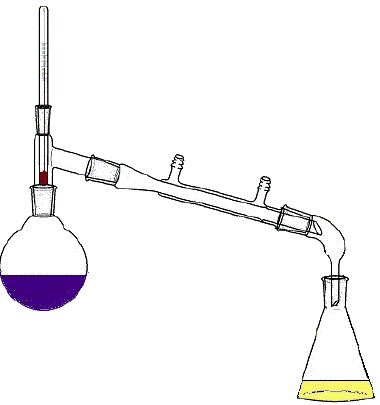
Which of the following pairs of substances may best be separated through distillation
a)
 sand and soil
b)
water and soil
c)
salt and sand
d)
 water and alcohol
3.
Separating mixtures based on boiling points.
a)
Desalination
b)
Distillation
c)
Decantation
d)
Condensation
4.
Distillation uses two changes of state. what are they?
a)
Evaporation and condensation
b)
Evaporation and freezing
c)
melting and boiling
d)
sublimation and condensation
5.
what are the parts of the digestive system 
a)
stomach,small and large intestine
b)
mouth,stomach,esophagus,large and small intestine 
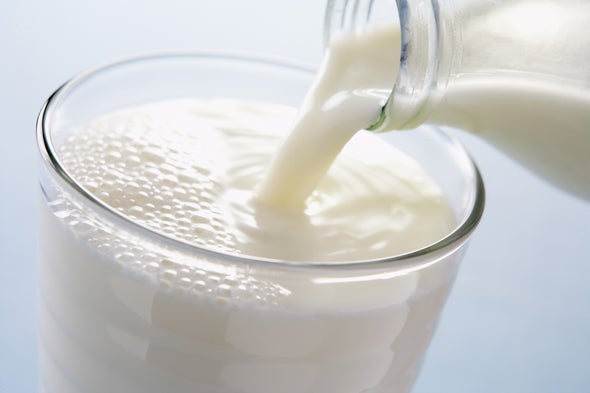
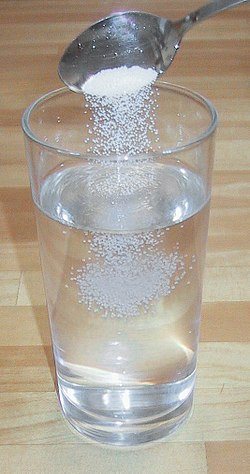
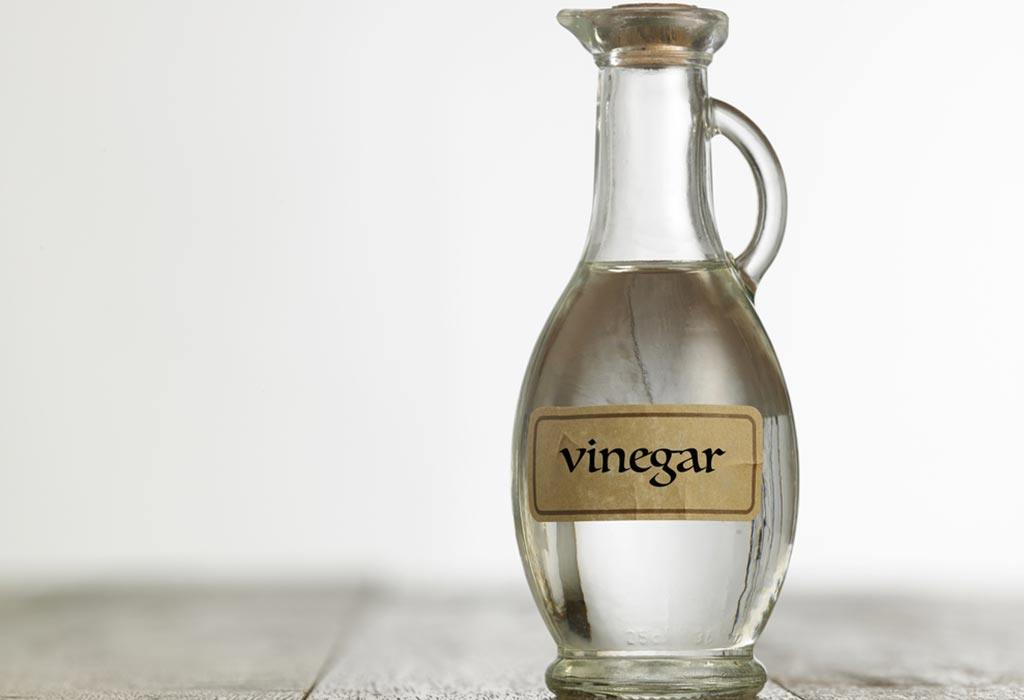
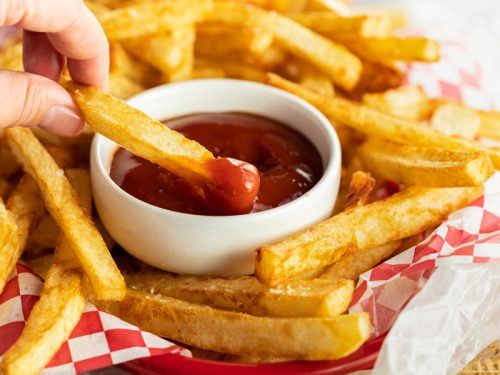
6.
What is this?
a)
mouth
b)
colon 
c)
stomach
d)
liver 
7.
The highlighted organ is the
a)
liver
b)
large intestine
c)
small intestine
d)
stomach
8.
The digestive process starts in the
a)
stomach
b)
mouth
c)
esophagus
d)
bathroom
9.
What does the digestive system do
a)
breaks down and handles food
b)
pumps blood throughout the body
c)
helps you breathe
d)
helps your arms and legs move
10.
The red organ is
a)
stomach
b)
small intestine
c)
large intestine
d)
liver
11.
This makes acids to digest food and has muscles to mix food with acids.
a)
kidneys
b)
heart
c)
bladder
d)
stomach
12.
Where does food pass through between the mouth and the stomach?
a)
A. The Small Intestine
b)
B. The Large Intestine
c)
C. The Rectum
d)
D. The Esophagus
13.
Which system contains all the bones of the body?
a)
Digestive system
b)
Circulatory system
c)
Skeletal system
d)
Respiratory system
14.
Which body system contains the nose, mouth, trachea and lungs?
a)
Circulatory system
b)
Digestive system
c)
Urinary system
d)
Respiratory System
15.
Which system contains the teeth, saliva, stomach, small intestine, large intestine and colon?
a)
Urinary system
b)
Digestive system
c)
Skeletal system
d)
Respiratory system
16.
Which system contains the blood and heart?
a)
Respiratory system
b)
Circulatory system
c)
Digestive system
d)
Skeletal system
17.
Which system contains the bladder and the kidneys?
a)
Skeletal system
b)
Digestive system
c)
Respiratory system
d)
Urinary system
18.
What do kidneys act like?
a)
a filter
b)
a pump
c)
a grinder
d)
a storage place
19.
What does the bladder act like?
a)
A grinder
b)
A storage place
c)
A filter
d)
a pump
20.
What does the heart act as?
a)
A filter
b)
A pump
c)
A grinder
d)
A storage place
21.
True or False?
The esophagus is the tube that food travels down from the mouth to the stomach.
a)
True
b)
False
22.
True or False?
The small intestine sucks out the water from the food.
a)
True
b)
False
23.
Which two systems work together to help us breath and get oxygen to all parts of our body?
a)
Circulatory, Skeletal
b)
Respiratory, Digestive
c)
Circulatory, Respiratory
d)
Circulatory, Urinary
24.
The end product of the urinary system is....
a)
poop
b)
pee
c)
saliva
d)
oxygen
25.
The last part of the digestive system is the...
a)
stomach
b)
large intestine
c)
small intestine
d)
colon
26.
True or False:
The main purpose of the skeletal system is to provide our body with a frame; so we keep our shape. 
a)
False
b)
True
27.
True or false:
Cartilage is a type of very hard bone. 
a)
True
b)
False
28.
The __________ is the main organ of the nervous system.
a)
heart
b)
lungs
c)
brain
d)
skin
29.
The __________ system directs the body to inner and outer changes.
a)
digestive
b)
circulatory
c)
nervous
d)
skeletal
30.
When tissues come together, they form ___________.
a)
cells
b)
atoms
c)
organs
d)
systems
31.
In multicellular organisms, tissues are comprised of _______.
a)
organs
b)
systems
c)
cells
d)
blood
32.
Which of the following body systems work together for support, protection, and movement?
a)
respiratory and cardiovascular
b)
skeletal and muscular
c)
skeletal and integumentary
d)
digestive and respiratory
33.
This system protects the body's organs, provides support for the body.
a)
Nervous System
b)
Skeletal System
c)
Respiratory System
34.
This system includes the spinal cord, brain and nerves
a)
Nervous System
b)
Digestive System
c)
Circulatory System
35.
What body system makes your body move? 
a)
Circulatory
b)
Respiratory
c)
Skeletal
d)
Muscular
36.
How many bones make up a human adult?
a)
205
b)
206
c)
207
d)
208
37.
What body system removes the waste from your body? 
a)
Circulatory
b)
Excretory
c)
Digestive
d)
Respiratory
38.
My spinal cord helps _________ travel between my brain and the nerves in my body. 
a)
Memories
b)
Blood
c)
Waste
d)
Messages
39.
My body needs ______ from the air to live. 
a)
Oxygen
b)
Cardon Dioxide
c)
Carbon Monoxide
d)
Hydrogen Peroxide
40.
What is the body system that sends and recieves electrical signals from the brain?
a)
Skeletal System
b)
Nervous System
c)
Muscular System
d)
Digestive System
41.
The main purpose of the _______ system is to ensure the continuation of the species.
a)
respiratory
b)
reproductive
c)
circulatory
d)
endocrine
42.
The main purpose of the ________ system is to produce hormones for the body.
a)
excretory
b)
digestive
c)
reproductive
d)
endocrine
43.
What system is the body's way of fighting off pathogens that would make it sick?
a)
Excretory
b)
Immune
c)
Digestive
d)
Endocrine
44.

Bones are part of the skeletal system and the job of the bones is to -

a)

fight diseases

b)

support the body

c)

send messages

d)

break down nutrients

45.

The human immune system and the skin both play a role in which of the following functions?

a)

sending and receiving messages from the brain

b)

transporting oxygen to all parts of the body

c)

storing nutrients for later use

d)

protecting the body from illness

46.

The ________________ filter the blood and remove toxins, excess water, and other waste.

a)

heart and brain

b)

stomach and intestines

c)

liver and kidneys

d)

bladder and heart

47.

The body's wastes are stored in the ___________ as urine until they are released from the body during urination.

a)

liver

b)

kidneys

c)

colon

d)

bladder

48.

The largest organ of the human body is the _________________, which is part of the integumentary system.

a)

brain

b)

intestines

c)

skin

d)

liver

49.

How is the human skull like a bicycle helmet?

a)

It can be purchased at Academy Sports.

b)

It protects the human brain and sensory organs.

c)

It can be easily removed.

d)

It has 22 parts.

50.
This muscle contracts and moves down to allow the lungs to expand during respiration.
a)
trachea
b)
bronchial tubes
c)
diaphragm
d)
epiglottis
51.
This is the force of blood as it flows through the arteries is called...
a)
respiration
b)
blood pressure
c)
aorta
d)
circulatory system
52.
As part of the skeletal system, bones do all of the following except
a)
protect organs
b)
store calcium
c)
make nerve cells
d)
make blood
53.

This is an image of a ____________system.

a)

muscular

b)

skeletal

c)

nervous

54.

Which of the following is a heterogeneous mixture?

a)

brass

b)

sand

c)

Kool-aid

d)

vanilla yogurt

55.

What type of mixture would coffee be?

a)

homogeneous

b)

heterogeneous

56.

What type of mixture would fruit salad be?

a)

homogeneous

b)

heterogeneous

57.

What type of mixture would milk chocolate be?

a)

heterogeneous

b)

homogeneous

58.

Which option below best describes mixture?

a)

a mixture is a combination of two or more substances in which each component retain its individual chemical properties

b)

a mixture can be homogeneous

c)

a mixture is a combination of two or more substances in which each component does not retain its individual chemical properties

d)

a mixture can be heterogeneous also

59.

What is formed when you mixed a milk powder and water?

a)

solution

b)

mixture

c)

solute

d)

milk

60.

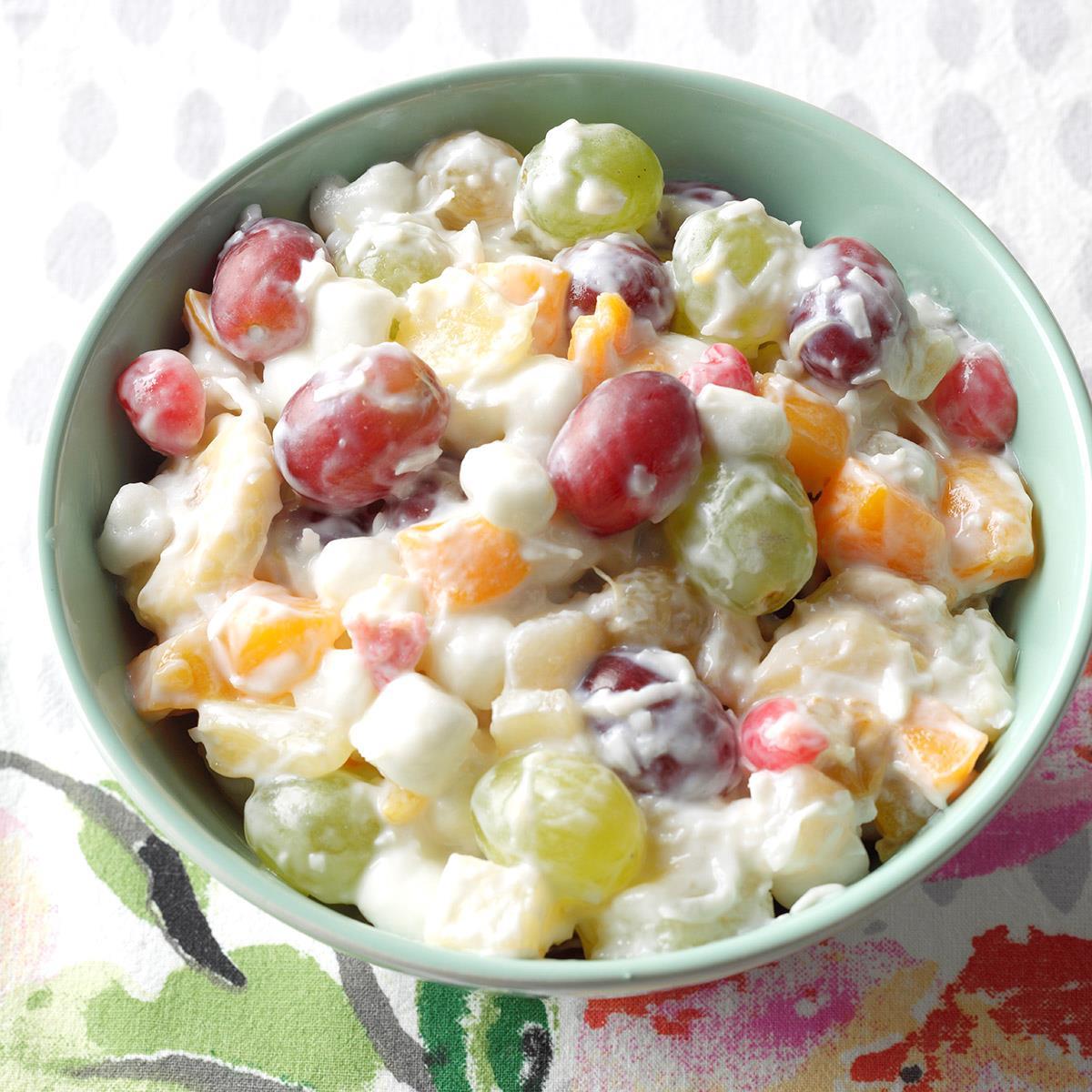
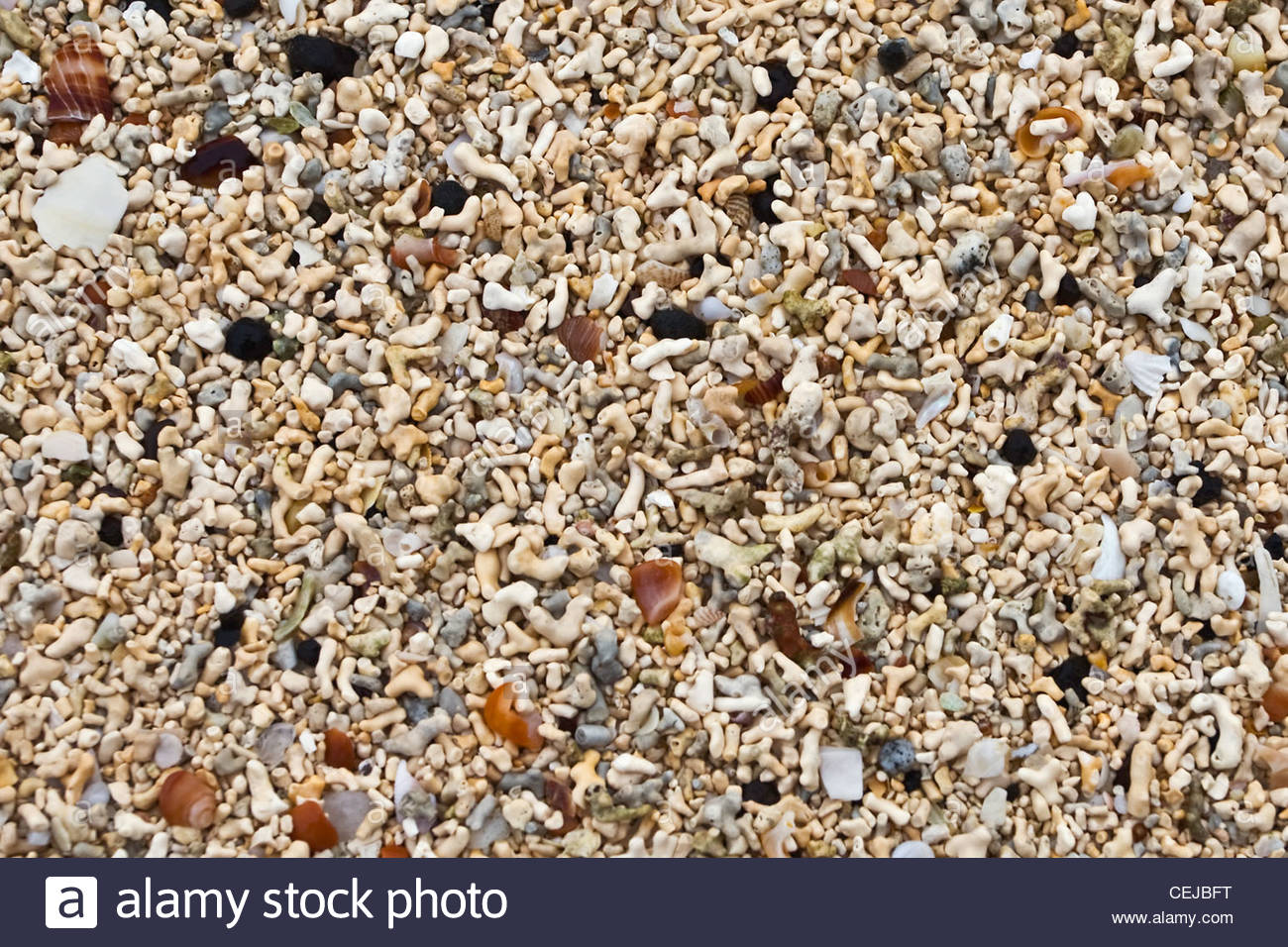
Mixture is classified into two: Homogeneous and Heterogeneous. All are examples of heterogeneous mixture except ________.
a)
b)
c)
d)
61.

Homogeneous mixture can be in solid, liquid or gas. Steel the most common material used in the production of wheel is an alloy of iron and carbon. What is an alloy? A mixture of ____.

a)

solid and liquid components

b)

two objects

c)

different liquid components

d)

a mixture of different metals

62.

Mrs. Jennie Cruz wanted to prepare a healthy and delicious food for her family for lunch like Pinakbet. She mixes and seasoned to taste all the vegetables like squash, eggplant, okra, ampalaya, string beans and meat cuts. Pinakbet can be categorized as what type of mixture?

a)

Homogeneous

b)

Solid homogeneous

c)

Heterogeneous

d)

Homogeneous and heterogeneous

63.

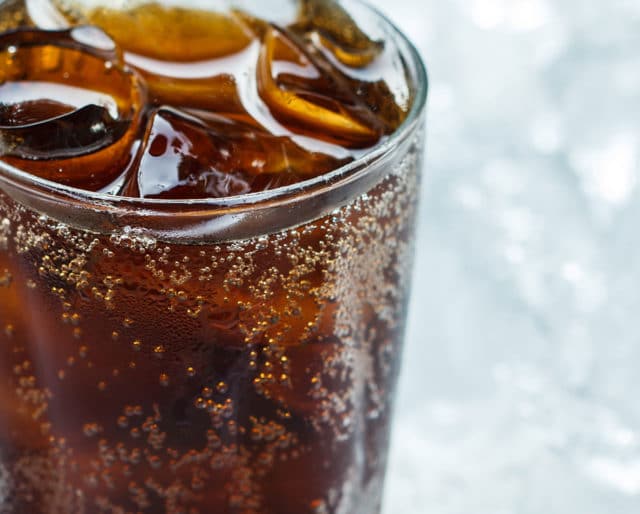
A homogeneous mixture is a combination of two substances which produce a uniform or the same appearance in their product after the mixing procedure. Which among the choices below show a uniform appearance of the product?

a)
b)
c)
d)
64.

How do you describe the image above as to its type as mixture?

a)

Seawater is homogeneous.

b)

The seawater is heterogeneous because it is composed of salt and water.

c)

Saltwater is homogeneous because it has salt.

d)

Seawater is heterogeneous.

65.

4. Homogeneous mixture has uniform composition throughout. What

is the best description of a heterogeneous mixture?

a)

A.It could break down easily.

b)

B.We could easily see the particles.

c)

C.We could not easily see the particles.

d)

D.It could transfer the particles to another place.

66.

6. Your science teacher showed in class a bowl of fruit and vegetables

salad. Your classmate examined the mixture and was able to

distinguish fruits from vegetables. What type of mixture was presented

by your teacher?

a)

A. colloid

b)

B. heterogeneous (Non-Uniform)

c)

C. homogeneous (Uniform)

d)

D. solution

67.

9. Colloids are heterogeneous mixture that seem homogeneous because the

solute particles in them can be evenly distributed by stirring and

shaking. Which of the following groups of mixtures are examples of

colloids?

a)

A. gelatin, blood, cloud

b)

B. dust in the air, fog, smog

c)

C. gravel and water, muddy water, sandy water

d)

D. salt solution, powdered juice and water, sugar solution

68.

Which tools are best for separating a mixtures of sand, iron filings, and water?

a)

Hot plate and filter

b)

Tweezers and filter

c)

Filter and magnet

d)

Magnet and hot plate

69.

A student makes a garden salad by stirring lettuce, tomatoes, carrots, and croutons together in a bowl. Why is the garden salad a mixture?

a)

the student cut the vegetables into equally sized pieces

b)

the vegetables are combined by maintain their physical properties

c)

the croutons cannot be taken out of the salad

d)

the salad grew from a garden

70.

A cup of orange juice with pulp is poured into a glass. Which of these procedures could be done to separate the juice from the pulp?

a)

pour the juice through a coffee filter

b)

heat the juice in a pot until boiling

c)

pour the juice in another cup

d)

allow the mixture to settle, leaving the pulp at the bottom of the glass

71.
What is the process of separating at which the components move at different rates?
a)
centrifugation
b)
chromatography
c)
heating
d)
decantation
72.
What is decantation?
a)
Distillation
b)
Desalination
c)
Separating particles by careful pouring.
d)
Measuring boiling points.
73.
In filtration, the liquid part collected is called the filtrate and the solid bit that remained on the filter paper is called the residue.
In filtration, what is the part that remains in the filter paper called?
a)
Solid
b)
filtrate
c)
remainder
d)
residue
74.
To remove the salt from salt water, the easiest thing to do is boil it and evaporate the water.
a)
True
b)
False
75.
If a substance does not dissolve in a solvent, we say that is insoluble
a)
True
b)
False
76.

It involves separating a mixture based on different sizes of components.

a)

Decantation

b)

Sieving

c)

Use of Magnets

d)

Filtration

77.

It is a technique in which an insoluble solid is separated from a liquid.

a)

Filtration

b)

Sieving

c)

Decantation

d)

Use of Magnets

78.

It is a technique used in separating a less-dense liquid from a denser one.

a)

Filtration

b)

Evaporation

c)

Sedimentation

d)

Decantation

79.

It is the water (liquid) that has been run through the filter.

a)

sieve

b)

funnel

c)

filtrate

d)

residue

80.

Which involves separating of mixtures from sieving?

a)

brewed coffee

b)

iron filings from sand

c)

gravel from sand

d)

sugar and water

81.

The region surrounding a magnet in which the force of the magnet can be experienced.

a)

electric magnet

b)

electromagnet

c)

magnetic field

d)

electric charges