
 Worksheets
Units 7-9 Test Review
Total questions: 85
Worksheet time: 2hrs 30mins
Organisms with a ___________ gene pool have a __________ chance of surviving
smaller, lesser
larger,greater
smaller, greater
larger, smaller
The hottest spots for species diversity are close to the _____________.
Coast
Florida
Equator
Poles
Greater species diversity ensures natural ________________ for all life forms.
selection
sustainability
help
health
_______________________ comprise only 6% of all land on Earth yet are home to nearly 50% of all the species on Earth.
ocean
tropical rain forests
tundras
desserts
Biodiversity is the ____________ and variability of __________ on earth
variety
life
diversity
difference

How do biodiversity and stability work together?
The lower the biodiversity the greater the stability of an ecosystem.
The higher the biodiversity, the less stable the ecosystem
The higher the biodiversity, the greater the stability of the ecosystem.
Biodiversity has nothing to do with ecosystem stability.


Which ecosystem is more likely to survive a change in the environment?
One with High biodiversity
One with Low biodiversity

Which shows more biodiversity Image A or Image B. Why?
Image B is more biodiverse, because shows more different species than image A.
Image A is more biodiverse, because shows a greater number of organisms that image B
Both images show the same biodiversity

In this food web example you can see that rain forests have many producers consumer and predators. How would you describe the rain forest biome?
It has high biodiversity
It has low biodiversity.

Define genetic diversity
a variety of genes and traits within a species
a variety of ecosystems in a given area
system made up of all the living and nonliving things in a given area
a variety of species in an ecosystem
Which statement best describes an example of high biodiversity?
A pond ecosystem is populated by a single species of frogs
A state park that includes multiple forest and freshwater ecosystems with many different species of fish, birds and frogs in a variety of colors
A desert ecosystem is populated by organ pipe cacti, camels, and armadillo lizards
The level of biodiversity that involves a variety of habitats is _____ diversity.
ecosystem
population
genetic
species
Why is biodiversity important to ecosystems?
It helps populations adapt to ecological changes.
It increases at each level of the food chain.
Which ecosystem below has the HIGHEST biodiversity?


What are the 3 types of biodiversity (SELECT 3)
Genetic
Species
Ecosystem
Size
Biotic
Invasive species alter the ecosystem by _____ in number quickly. This leads to _____ food for the native species.
increasing, less
increasing, more
decreasing, less
decreasing, more
TRUE or FALSE? Invasive species grow quickly due to the lack of predators. This leads to a decline or extinction of the native population.
True
False
Why do the populations of invasive species grow so quickly?
Invasive Species are native to an area.
Invasive species are prey to many animals.
Invasive species have no predators.
Invasive species keep the ecosystems in equilibrium.
Which of these words does NOT describe an invasive species?
alien
intruder
non-native
natural
The primary cause of the introduction of invasive species introduction is ---
too much food.
human action.
weather events.
asteroids.

Click on the map to help answer this question. What can we predict about the population of Feral Swine for the year 2016?
There will be less feral swine in 2016 than there were in 1982.
There will be more feral swine in 2016 than there were in 2010
There were fewer feral swine in 2004 than 1982.
There will be no change in feral swine population.
The particular role (job) of an organism in its environment, including types of food it eats, how it obtains its food and how it interacts with other organisms is called a ---
Niche.
Habitat.
Home.
Ecosystem.
A species indigenous to a certain region or ecosystem naturally is a ---
Native Species.
Accidental Species.
Introduced Species.
Invasive Species.
Invasive species cause harm to the --- [choose 3]
economy.
atmosphere only.
environment.
health of organisms.
water only.
TRUE or FALSE? Invasive species can be introduced to an ecosystem accidentally.
True
False
Invasive species --- [choose 3]
take over the habitat of other organisms.
increases the populations of native organisms.
decrease biodiversity.
increase biodiversity.
cause the populations of native organisms to decrease.
Invasive species can cause or lead to the --- [choose 2]
increase of native plants and animals.
habitats to be permanently altered.
decrease of invasive plants and animals.
extinction of native plants and animals.
Invasive plants out-compete native plants for --- [choose 3]
sunlight.
water.
oxygen.
space.

Kudzu has overgrown many parts of South Carolina and native ground plants have disappeared from the area. This is an example of ---
Parasitism between kudzu and the native plants.
A predator prey relationship between ground plants and kudzu.
Competition occurring between the native and invasive species.
Commesalism occurring between the kudzu and native plants.
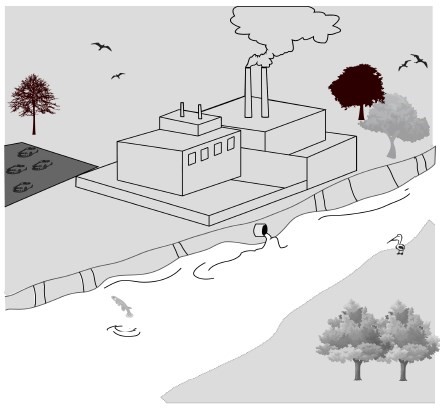

Claim: the consumption of natural resources by humans has a negative impact on the environment. What data would provide evidence for this claim?
Increased human lifespan and increased ice cap size
Increased human population and decreased habitats for plants and animals
Increased consumption of resources by humans and increased biodiversity (variety) in nature
Increased of fossil fuel burning by humans and decreased use of other resources

Ths graph presents data from a city showing the amount of land used to bury solid waste each year. From 1990 to 1999, the amount of space needed to bury waste increased by 1 to 2 square kilometers per year. In the year 2000, the city started a recycling program to slow the increase of land needed for this burying this solid waste. The city claims that since this recycling program started, the amount of land needed for burying solid waste has decreased.
Which evidence would support this claim?
Data showing that by the year 2010, more than 40% of the citizens were participating in the recycling program
Data showing that the land used for burying solid waste in 2010 was less than 22 square kilometers
Data showing that by the year 2010, there was five times more solid waste being buried than being recycled
Data showing that the land used to build a recycling facility is greater than the amount of land used to bury solid waste
Claim: Carbon dioxide (CO2) emissions can be reduced by increasing the amount of electricity produced by wind.
Which pair of graphs, showing data for CO2 emissions and wind production of electricity would support this claim?


As the human population increases, so does the consumption of natural resources. What are some ways this impacts natural ecosystems and environments?
negative impact
positive impact
habitat loss
environmental pollution
The _____________ the human population, the ______________ the amount of resources being used.
greater, greater
greater, least
least, greater
least, least
What is a liquid fuel created completely from biomass?
methane
ethanol
hydrogen
LNG

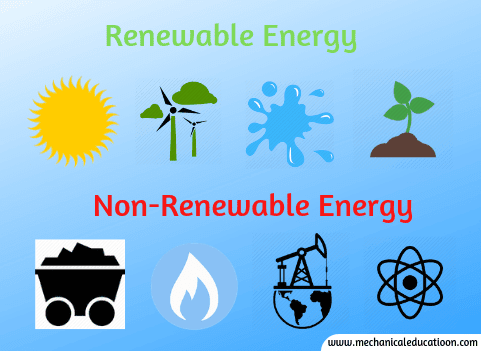
a nonrenewable resources is...
any natural material that is used by humans
a natural resource that can be replaced at the same rate at which it is consumed
a resource that forms much more slowly than it is consumed

Choose ALL the ways that using natural resources can be harmful...
mining and oil spills can damage ecosystems
they make our lives easier
burning coal or other fossil fuels can cause air and water pollution
used products can fill landfills or litter beaches and other natural areas

Hydroelectric dams and their technology are expensive to build. Is this a pro or con?
Pro
Con

Wind Energy is available as long as the sun warms the earth. Is this a Pro or Con?
Pro
Con

Wind energy equipment to collect and convert wind energy is expensive to produce and maintain. Is this a pro or con?
Pro
Con

Choose ALL of the renewable resources
sun
coal
wind
fossil fuels
Earth (geothermal)

Nuclear fuel produces a large amount of energy and does not cause air pollution
Pro
Con

Nuclear Fuel produce dangerous wastes that remain radioactive for thousands of years
Pro
Con

Choose ALL of the nonrenewable energy resources
sun
fossil fuels
nuclear fuel
wind
natural gas

When we ______ products, we avoid using resources to make new products.
Using a water bottle, instead of buying bottled water, conserves water and oil.
Reduce
Reuse
Recycle
Converting solar energy into electricity may help slow down the depletion of which resource?
copper
sunlight
water
coal
A good practice to help conserve energy is?
using plastic bags
letting the water run while brushing teeth.
using warm water to wash clothes
turning lights off when not in use.
When domesticated rabbits were introduced to Europe their population increased rapidly and damaged agriculture and the natural environment. Which statement is the BEST conclusion from this event.
humans use technology for organisms to adapt.
human actions can lead to an imbalance in ecosystems.
the population of rabbits decreased in new areas.
Rabbits from other continents cannot survive in other ecosystems.
Which statement is a harmful effect of clearing rain forest for farmland is?
it removes valuable habitat for local species
it provides more land for the farmers.
provides income for the residents of the area.
incrases the groundwater levels
A human activity that has the MOST negatively impacted air quality is?
building nuclear power plants.
growing crops
using solar panels
burning coal
An example of good water management is?
turning off the water when brushing teeth.
having a leaky faucet.
running a dishwasher that is not full.
watering the grass everyday.
A possible way to prevent wildlife species from becoming endangered is?
stopping mining underground.
make land available for local farmers.
increase local ground water.
establishing more habitats.
In the forest spotted owl make their home in the cavities of dead trees. The same habitat is home to rodents that owls feed on. Logging by humans have caused the population of owls to decline. What statement BEST explains the relationship between humans and the spotted owl.
humans have taken away resources needed by owls, so there are fewer owls.
Humans increased the available food for the owls, so there are more owls.
Humans eliminated predators of the owls, so the owls increased.
Humans moved the owls to the zoo, so there are less owls in the woods.
Increased human populations can lead to the depletion of of resources within communities. Compared to other communities, which of these resources is MOST likely to be depleted in desert communities?
gasoline
water
oxygen
minerals


How does plastic effect sea life?
Microplastics create dead zones in the oceans.
Plastics provide habitats for marine life.
Wildlife such as dolphins, seals and seabirds often eat plastic, mistaking it for food.
None of the above
As the human population grows, the demand for natural resources increases. Which activity wastes a natural resource?
riding the bus
keeping the lights turned off
cooling a car or house by opening windows
throwing an aluminum can in the trash
What is the best explanation for the rise in atmospheric CO2 levels since the 1800's?
natural fluctuations of the climate
eruptions of large volcanoes
increased use of fossil fuels by humans
photosynthesis by algae
What will most likely happen if the human population continues to grow at current rates?
There will be an decrease in the number of strong hurricanes
There will be a decrease in water pollution
There will be an increase in nitrogen levels in the atmosphere
There will be fewer natural resources available for future generations
Sustainability is...
how much of a resource that can be used
using up of a resource
making a resource last
reusing a resource

