
 Worksheets
C2: Chapter 5 Question Bank
Total questions: 60
Worksheet time: 5hrs 0mins
Air pollution caused by smoke and gases
Smog
Pollution
Renewable Resources
Nonrenewable Resources
Adding harmful waste to water, air, or land
Smog
Pollution
Renewable Resources
Nonrenewable Resources
Energy sources that will never run out, can be re-used
Smog
Pollution
Renewable Resources
Nonrenewable Resources
Energy sources that can run out, can't be replaced
Smog
Pollution
Renewable Resources
Nonrenewable Resources
Belief that humans have caused the Earth to gradually warm up
Global Warming
Conserve
Byproduct
Earth's Fever
To save, reduce, or reuse
Global Warming
Conserve
Byproduct
Earth's Fever
Pollution can enter the hydrosphere in many different ways. Which statement describes a type of point-source pollution?
Oil being transported on a ship spills into the ocean.
Grease from cars washes into a stream along the roadway.
Litter along beaches gets pulled into the ocean by the tide.
Rainwater carries chemical fertilizer from land into a stream.
Which statement about the effects of natural events and human activities is true?
The environment is not usually affected by natural events.
All human activities change the environment in a negative way.
Natural events always have a positive impact on the environment.
Human activities and natural events can damage the environment.
Which of these is a consequence of deforestation?
increased oxygen in the atmosphere
decreased biodiversity and soil erosion
decreased availability of sunlight and vitamin D
increased annual precipitation and acid rain
Waste or other materials is added to water so that it is harmful to organisms that use it or live in it
Eutrophication
Reservoir
Water Pollution
Potable

The image is an example of what type of pollution. Look at the picture carefully
Point-Source Pollution
Non-Point Source Pollution
Thermal Pollution
Release of heat into the water that affects the temperature and ecosystem is an example of what
Thermal pollution
Chemical Pollution
Biological Pollution
Choose all of the following where we can get fresh water from


Choose two reasons that might threaten our water supply.
Droughts
Overpopulation
Typhoon
Flooding
A man made body of water that is usually collected behind a dam.
Aquifers
Canals
Reservoir
Over the years, a farm area becomes more populated. Which of the following will most likely happen in the town as a result of this urbanization?
amount of rainfall will increase
rivers may be contaminated by sewage
Light pollution in the town may decrease
people will develop more farms in the town

The area inside the city is called ______.
urban
suburban
rural

Urban sprawl
is when cities spread out using up surrounding land.
puts a strain on existing infrastructures.
creates an increase in pollution.
all of these.

A poorly planned development that spreads a city’s population over a wider and wider geographic area is
industrialization
urban sprawl
urbanization
metropolitan area
Urban land use does not typically include...
farming
residential
industrial
commercial

Which activities are found in a rural settlement?
Mining, fishing, farming and industry.
Livestock, construction, fishing and farming.
Farming, agriculture, tourism and industry.
Livestock, farming, fishing and mining.
Find the picture that shows an urban community.
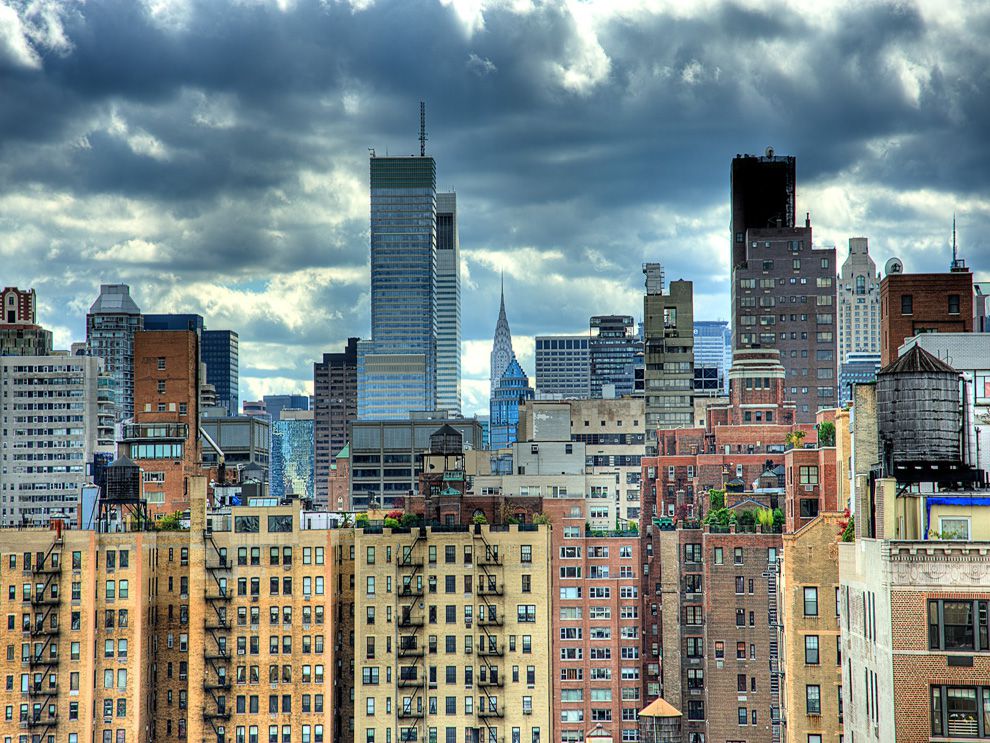
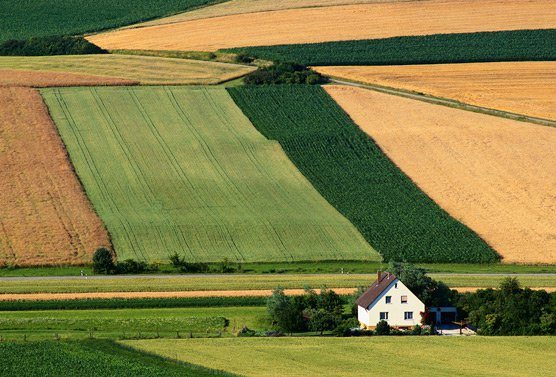
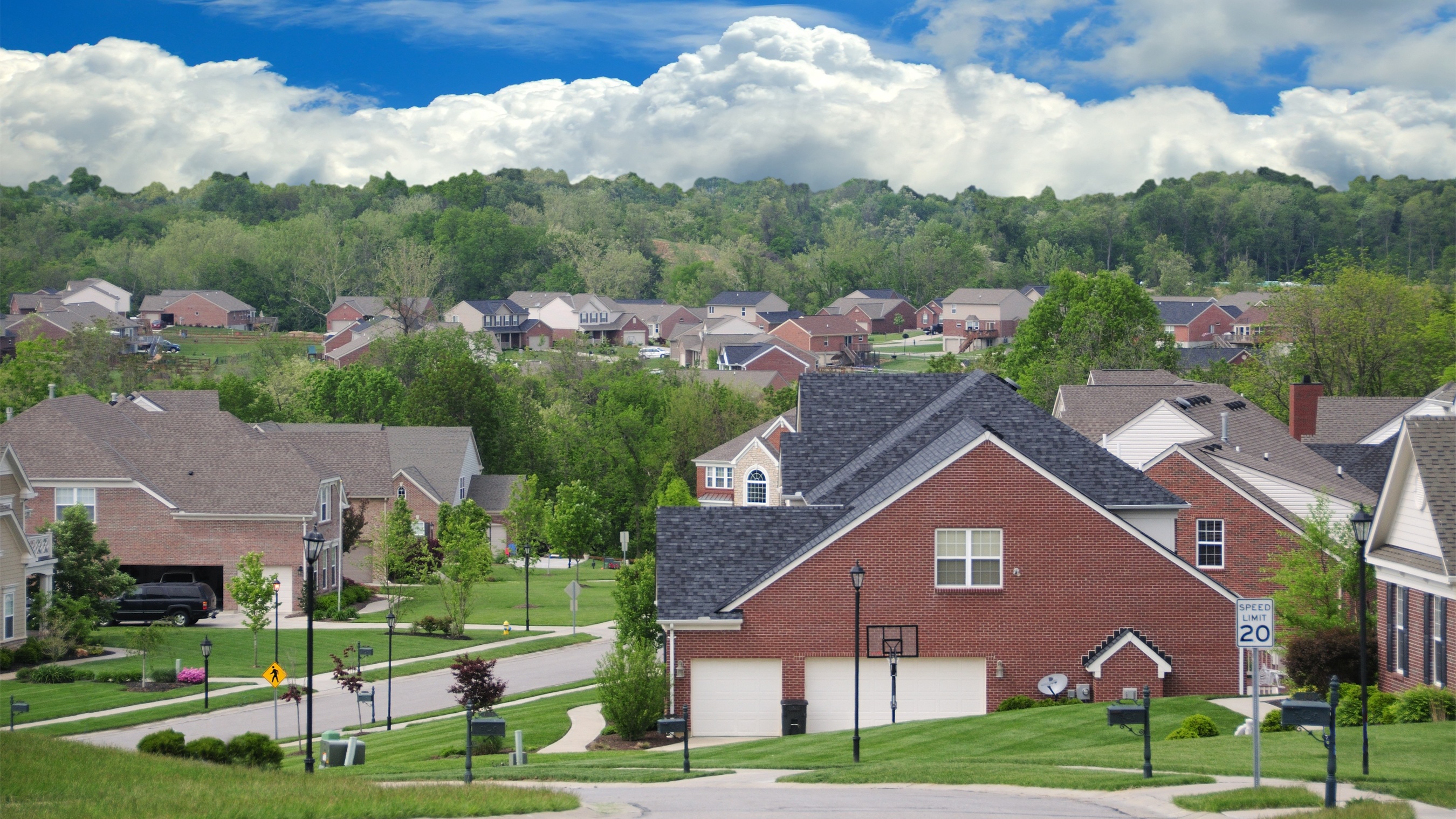

Desertification refers to
increasing forest cover
increase in water table
increase in agricultural land
increase in dry areas of land

This image is an example of what type of land degradation
Desertification
Deforestation
Urban Sprawl
Urbanization

What is an effect of land pollution?
no clean drinking water
loss of habitat for animals
diseases from breathing in poor quality air
What is the largest cause of land pollution?
Animal waste
Plants decomposing
Human actions

What is land pollution
A known substance in the air that can cause harm to humans and the environment.
Destruction of the Earth’s surface caused by human activities and the misuse of natural resources.
The application of science and engineering knowledge and concepts to care for and/or restore our natural environment and/or solve environmental problems.
Destruction of the Earth’s surface caused by renewable energy
A point source of pollution is a specific source that can be easily identified. Which of the following is an example of a nonpoint source of land pollution?
debris from a coal mine
garbage such as plastic items or metal cans
oil from a leaking pipeline
chemical wasted from a factory

Pollution that comes from MANY different places and is hard to identify its source.
Point
Non-Point

A ship carrying gasoline runs into shore and spills large amount of gasoline.
Point
Non-Point

Disposing of paint and other household hazardous materials down the drain
Point
Non-Point

Acid Rain
Point
Non-Point
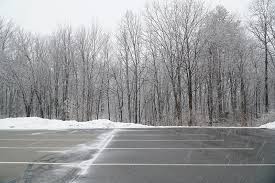
Snow melts in parking lots and carries oils into nearby waterways
Point
Non-Point
Which has a negative impact on land?
composting
reclamation
mining
reforestation
Deforestation results in more:
carbon dioxide in the atmosphere
nitrogen in the biosphere
oxygen in the atmosphere
water vapor in the geosphere
Which could harm human health?
compost
hazardous waste
nitrogen
reclamation
Parks and green spaces help reduce:
nitrogen
runoff
landfills
mining
Which results in habitat destruction?
reclamation
reforestation
urbanization
conservation
What is the development of land for houses and other buildings near a city called?
composting
mining
ruralization
urbanization
When land is overfarmed or overgrazed, soil erosion can lead to:
desertification
urbanization
reclamation
deforestation
Besides disturbing habitats, roadways increase:
wastes
mining
agriculture
runoff
Which of the following is not one of the 3 R's humans can practice to minimize their effects on the environment?
Reduce
Remix
Reuse
Recycle
How does land reclamation impact agriculture?
There is more land that can be used for farming.
There aren't any benefits for agriculture.
There will be more factories which will decrease agriculture.
Urbanization is best defined as...
people moving out of cities into the countryside.
people moving out of the countryside into the cities.
people moving from inner city to the suburbs.
people moving from suburbs to the countryside.
What is deforestation?
Removal of trees from a park.
Selectively cutting trees for lumber, making sure the forest remains healthy.
Cutting and removal of an entire forest of trees.
Detailing the different types of trees in a forest.
What are the 2 elements that landfills effect (abiotic)?
Water and air
Soil
There are more than 2 elemnts
Water and soil
The burning of coal releases sulfur dioxide gas. How might the burning of coal lead to damaged plant life?
Sulfur dioxide can combine with drops of water to form acid rain.
Sulfur dioxide causes the remains of animals to decompose at a faster rate.
Sulfur dioxide gives off heat that raises the temperature of bodies of water.
Sulfur dioxide is a radioactive material that is dangerous for many years.
Which government organization helps regulate superfund sites?
The Water Department
The Sanitation Department
The Environmental Protection Agency
The Department of Health and Welfare

