
Font size
 Worksheets
N5 Chemistry- Hydrocarbons:Alkanes, Alkenes, Cycloalkanes
Total questions: 68
Worksheet time: 54mins
Is the name of single bonded, saturated hydrocarbons.
Alkanes
Alkenes
Alkynes
Tanins
Is the name of doubled bonded, unsaturated hydrocarbons.
Alkanes
Alkenes
Allkynes
Tanins
is the alkene with 3 carbons in its chain.
Ethene
Propene
Methene
Decene
Is the simplest alkane
Ethane
Methane
Propane
Decane

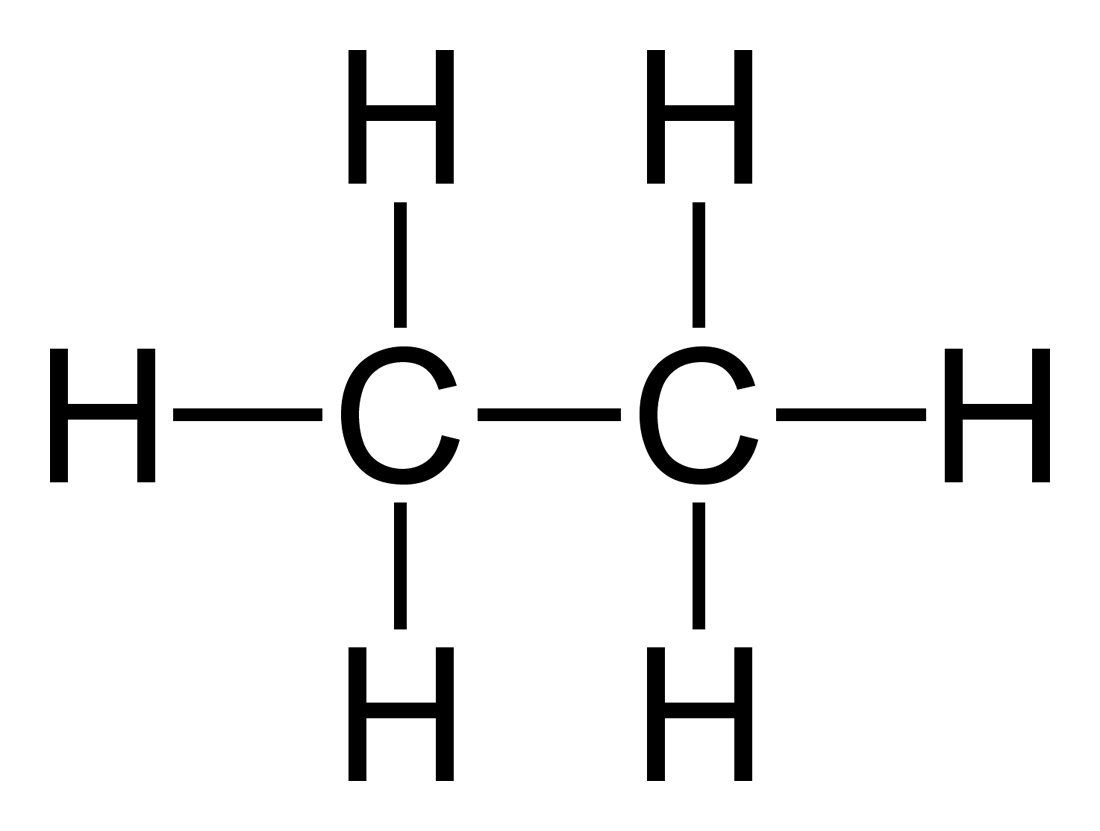
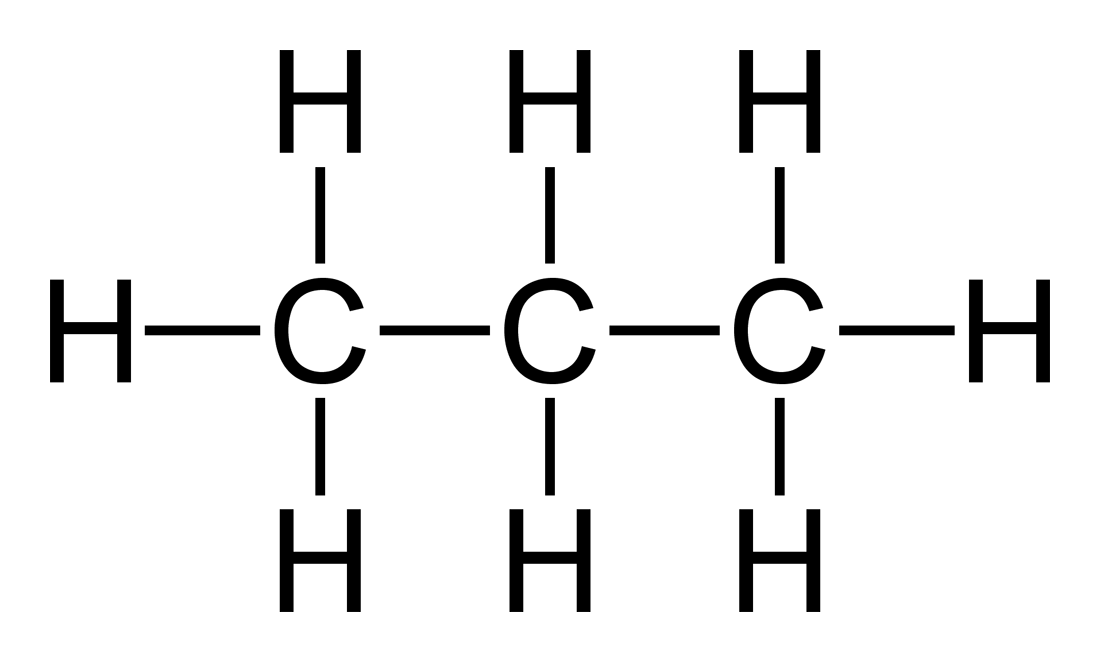
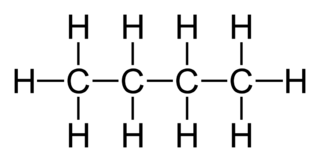

How many chemical bonds can each carbon atom form?
one
two
three
four

Name this compound
hexane
hexene
heptane
pentane
methylbutane

What chemical is this? (C5H10)
Pentene
Pentane
Hexane
Heptene
C4H10 is an example of a _________________.
molecular formula
full structural formula
shortened structural formula
ball-and-stick model

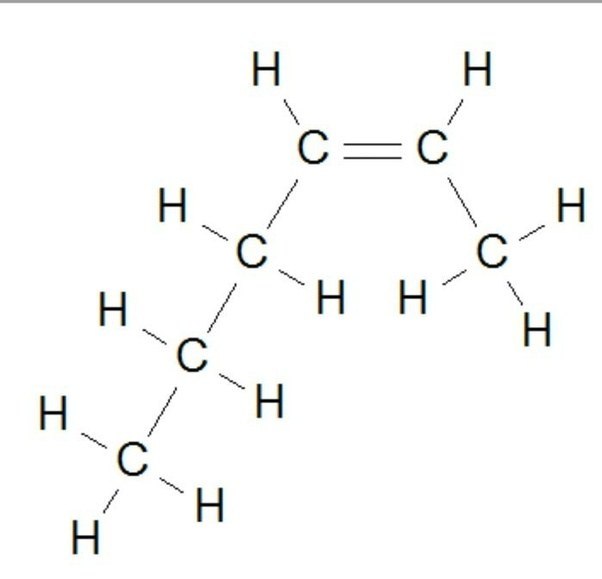
Name the following hydrocarbon
butane
hexane
heptane
hexene

propane
butane
pentane
is the alkene with 3 carbons in its chain.
Ethene
Propene
Methene
Decene
CH3CH3 is an example of a _______________ formula.
molecular
empirical
structural
displayed

What is the general formula of the alkenes?
CnH2n+1
CnH2n+2
CnH2n
CnH2n+1OH
What prefix do we use for alkanes that are arranged in a loop?
ring-
cyclic-
cyclo-
What is the molecular formula for cyclopropane?


What is the molecular formula of cyclopentane?


What is the molecular formula of cyclobutane?

Name this molecule
butane
propane
cyclobutane
cyclopentane

Name this molecule
hexane
heptane
cycloheptane
cyclohexane

The molecules are most accurately...
Alkanes
Cycloalkanes

Octane...
Is an 8 carbon alkane
Is a six carbon alkane
Is an 8 carbon cycloalkane
Is a 6 carbon cycloalkane
Which of the following shows the structure of propene?


Which of the following shows the structure of ethene?
Which of the following would be named cyclobutane?


Which of the following is a type of combustion that occurs when there is plenty of oxygen; it produces carbon dioxide and water vapour only?
incomplete combustion
complete combustion
burning
oxidation
Which of the following is a type of combustion that occurs when there is insufficient oxygen; it produces water vapour and carbon monoxide and/or carbon particulates?
incomplete combustion
complete combustion
burning
oxidation
Which of the following is a toxic gas produced during incomplete combustion that reduces the oxygen-carrying capacity of the blood?
carbon dioxide
oxides of nitrogen
sulfur dioxide
carbon monoxide
What are the products of the complete combustion of hydrocarbons? Tick all that apply.
carbon particulates
carbon dioxide
carbon monoxide
water
What are the products of the incomplete combustion of hydrocarbons? Tick all that apply.
carbon particulates
carbon dioxide
carbon monoxide
water
Which of the following is a greenhouse gas produced during complete combustion?
carbon dioxide
oxides of nitrogen
sulfur dioxide
carbon monoxide
Complete the sentence: A (a) is a substance that, when burned, releases heat energy.
What is the general formula of the alkenes?
CnH2n+1
CnH2n+2
CnH2n
CnH2n+1OH
What term describes alkene molecules that contain a C=C double bond?
saturated
unsaturated
What process is used to separate crude oil in hydrocarbons with different chain lengths?
distillation
fractional distillation
cracking
polymerisation
Where in the fractionating column are shorter chain hydrocarbon molecules obtained?
At the top
At the bottom
Fractional distillation separates crude oil based on the different __________ of the molecules in the mixture
melting point
boiling point
freezing point
chemical reactivity
Molecules collected at the bottom of the fractionating column tend to be...
more viscous, less flammable and less volatile
less viscous, more flammable and more volatile
more viscous, more flammable and less volatile
less viscous, less flammable and more volatile
Molecules collected at the top of the fractionating column tend to be...
more viscous, less flammable and less volatile
less viscous, more flammable and more volatile
more viscous, more flammable and less volatile
less viscous, less flammable and more volatile
What are the 2 products of complete combustion?
carbon dioxide + hydrogen
carbon dioxide + water
carbon monoxide + water
carbon monoxide + hydrogen
What are the products of incomplete combustion?
carbon monoxide
water
carbon
hydrogen
What does a fuel react with when it burns?
oxygen
water
carbon dioxide
methane
What is the term given to the process by which longer chain hydrocarbons are broken down into shorter length alkanes and alkenes?
fractional distillation
evaporation
cracking
polymerisation
Name the following hydrocarbon
butane
hexane
heptane
hexene
C10H22 --> C5H12 + C3H6 + ?
C2H4
C3H4
CO2
CH4
When testing for alkenes (unsaturation) bromine water turns from...
orange --> blue/black
colourless --> pink
orange --> colourless
orange --> clear
Limewater turning cloudy is the test for...
carbon dioxide
water
hydrogen
oxygen
Why do we use cracking to get petrol?
The supply of petrol from cracking is larger than the demand
The supply of petrol from fractional distillation is larger than the demand
The supply of petrol from fractional distillation is smaller than the demand
The supply of petrol from cracking is smaller than the demand
What is cracking?
A process that turns long chain hydrocarbons into short chain hydrocarbons
A process that turns short chain hydrocarbons into long chain hydrocarbons
What is always produce during cracking?
Alkane + alkane
Alkane + alkene
Alkene + alkene
Decane (10 carbons) is cracked into hexane (6 carbons) and an alkene. What is the name of this alkene?
Ethene
Propene
Butene
Pentene
What is the test for alkenes?
Adding bromine water, if alkene is present it will turn orange
Adding bromine water, if alkene is present it will turn colourless
Adding bromine water, if alkane is present it will turn orange
Adding bromine water, if alkane is present it will turn colourless

