
NEW
Font size
 Worksheets
AP Biology - Unit 3 Review
Total questions: 34
Worksheet time: 24mins
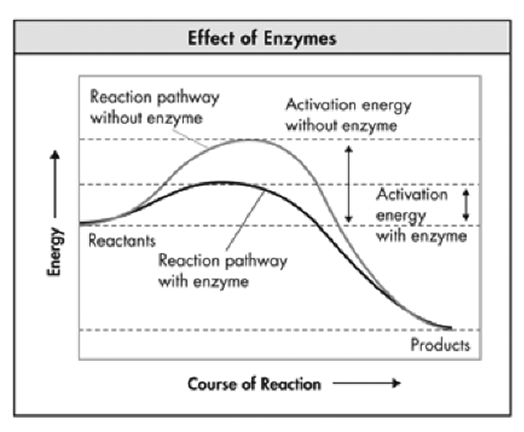
Where on an enzyme does the substrate bind?
active site
allosteric site
C-terminus
N-terminus
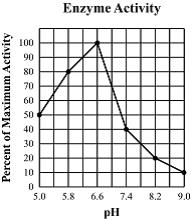
Which environmental conditions can cause denaturation of the enzyme?
slight increase in temperature
extreme increase in temperature
decrease in temperature
extreme increase in temperature and pH changes
Describe the difference between competitive and noncompetitive inhibitors.
noncompetitive binds to active site and competitive binds to other site
competitive binds to active site and noncompetitive binds to other site
competitive is irreversible and noncompetitive is reversible binding
noncompetitive is irreversible and competitive is reversible binding
What is the process of an endergonic reaction being fueled by an exergonic reaction called?
second law of thermodynamics
energy coupling
first law of thermodynamics
endergonic/exergonic switch
Which object has the most potential energy?
A ball resting on the ground.
A ball being thrown at 100 miles per hour.
A ball on top of a refrigerator.
A ball resting on the edge of a cliff.
Which statement is true regarding cellular respiration?
The reactants of cellular respiration are identical to the reactants of photosynthesis.
The reactants of cellular respiration are obtained from the products of photosynthesis.
The products of cellular respiration are the same as the products of photosynthesis
Cellular respiration only occurs in autotrophs, photosynthesis occurs only in heterotrophs.
A decrease in the amount of oxygen available will....
not have an effect on the amount of energy produced during cellular respiration
decrease the amount of glucose produced during cellular respiration
cause the amount of water produced during cellular respiration to increase
decrease the amount of energy produced during cellular respiration
What are the outputs of the Citric Acid Cycle (Krebs Cycle) for one molecule of ACETYL CO-A?
1 ATP, 3 NADH, 1 FADH2, 2 CO2
1 ADP, 3 NADH, 1 FAD+, 2 CO2
1 ATP, 3 NAD+, 1 FADH2, 2 CO2
1 ADP, 3 NAD+, 1 FAD+, 2 CO2
What are the outputs of the Citric Acid Cycle (Krebs Cycle) for one molecule of ACETYL CO-A?
1 ATP, 3 NADH, 1 FADH2, 2 CO2
1 ADP, 3 NADH, 1 FAD+, 2 CO2
1 ATP, 3 NAD+, 1 FADH2, 2 CO2
1 ADP, 3 NAD+, 1 FAD+, 2 CO2


What acts as the final electron acceptor to keep the ETC moving, producing water?
CO2
O2
H2O
ATP
What are the products of the light-dependent reactions of photosynthesis?
ATP & NADH
CO2 & H2O
NADPH & ATP
Organic Compounds & O2
What is the function of the electron transport chain between Photosystem II and Photosystem I?
establish electrochemical gradient of protons
to funnel electrons into photosystem I for the Calvin cycle
transport electrons to oxygen to make water
to synthesize ATP using ATP synthase
Where does the Calvin cycle take place?
thylakoid membrane
cristae
stroma
matrix
Which of the following are electron carriers for the electron transport chain in cellular respiration?
NADPH
FADH2
NADH
NADH & FADH2
What is oxidation?
loss of electrons
loss of water
gain of electrons
gain of water
Which process does NOT require oxygen?
Glycolysis
Oxidative Phosphorylation
Krebs Cycle
Aerobic respiration
Why is the hydrolysis of ATP important to a cells function?
It provides a source of phosphate for the cell.
It releases energy that can be used to power cellular processes
It absorbs excess hydrogen ions in the cell to regulate the internal pH
It acts as a catalyst for chemical reactions in the cell.
How are the ATP synthase enzymes in photosynthesis and cellular respiration similar?
They both rely on chemiosmosis of hydrogens down a gradient to power phosphorylation
They are both located in the cytoplasm of the cell
They both use oxygen to create a concentration gradient
They both receive hydrogen ions from FADH2
A researcher claims that increased atmospheric carbon dioxide levels cause increased growth rates in plants. Which of the following statements best supports the researcher’s claim?
Atmospheric carbon dioxide is produced by the burning of fossil fuels, which are formed from the remains of living organisms such as plants.
Atmospheric carbon dioxide is a byproduct of cellular respiration, which is a metabolic process that occurs in plants and other living organisms.
Atmospheric carbon dioxide typically enters plant leaves through stomata, which plants rely on for regulating gas exchange with the atmosphere.
Atmospheric carbon dioxide is the raw material for photosynthesis, which plants rely on for producing sugars and other organic compounds.
A type of anaerobic respiration that’s purpose is to replenish NAD+ so that glycolysis can be continued. Produces either alcohol or lactic acid as a by product is...
Fermentation
Calvin Cycle
Electron transport chain
Glycolysis
Krebs Cycle
ADP phosphorylation is an _____ reaction.
Exergonic
Endergonic
ATP hydrolysis is a _____ reaction.
Exergonic
Endergonic

