
 Worksheets
Internal Body Systems - AFNR Animal Science
Total questions: 100
Worksheet time: 53mins
The passageway for fetus during birth and organ for copulation
ovary
clitoris
vagina
uterus
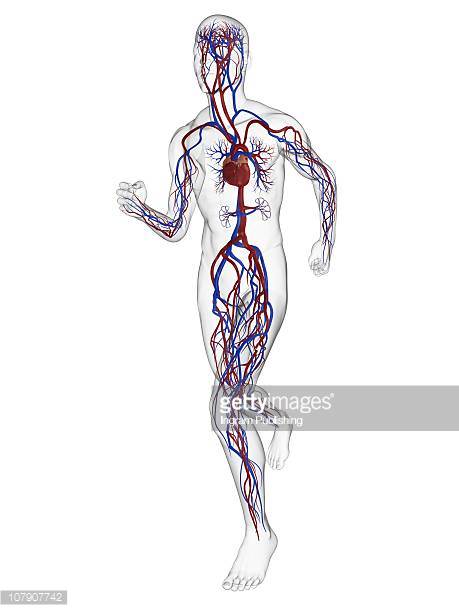
What is the main organ of the circulatory system?
small intestine
bone
lungs
heart
Veins carry oxygen poor blood back to the heart.
False
True
Arteries carry oxygen rich blood away from the heart.
True
False
The job of the heart is to . . .
pump blood around the body.
send food to the small intestines.
break down food.
give energy to the body.

This begins the mechanical breakdown of food
Mouth
Liver
Salivary Glands
Large Intestine
Fermentation occurs in which part of a ruminant
Small Intestine
Abomasum
Rumen
Omasum
This section of the Ruminant digestive system has honey Comb like ridges and mixes food with water and saliva until it is the right consistency.
Esophogus
Reticulum
Abomasum
Liver
What can ruminants digest that monogastrics can not?
Roughages
Corn
Soybeans
Dairy
What is the main function of the digestive system?
To circulate blood throughout our body.
To break down food and absorb nutrients for our cells.
To provide structure and support for our body
To enable us to take in oxygen
What are the muscular contractions that move food through the digestive tract called?
Mechanical
Absorption
Chemical
Peristalsis

A deer hears a predator approaching and begins to run for safety. The deer has primarily engaged what body systems to escape?
nervous, respiratory, and muscular systems
muscular, digestive, and immune systems
respiratory, endocrine, and excretory systems
muscular, reproductive, and circulatory system

The diagram above represents an example of how the body regulates itself. This diagram describes what relationship in body systems?
The circulatory system and nervous system interact to absorb nutrients.
The circulatory system and digestive system interact to defend the body from diseases.
The circulatory system and nervous system interact to maintain homeostasis.
The nervous system and immune system interact for reproduction.
Which scenario below best describes the interaction between the endocrine and reproductive system.
Hormones are produced causing ovulation in a female.
Muscles are contracted, pushing food from the stomach into the small intestine.
A male rabbit sees and chases a female rabbit.
A bird lays her eggs, and protects them from possible predators.
What body function is identified in the process described below?
Respiratory System – mucus in the lungs traps an infectious bacteria cell
Immune System – T-cells attack the bacteria cell
Nervous System – triggers a cough to remove the mucus from the lungs along with the destroyed bacteria
regulation of body temperature
absorption of nutrients
defense
reproduction
During the final stages of human gestation, receptors for the hormone oxytocin increase on the smooth muscle cells of the uterus. The release of oxytocin during labor stimulates the smooth muscle tissue in the wall of the uterus. The vigorous contraction of the uterine smooth muscle helps push the baby through the birth canal so that delivery can occur. This process involves the interaction of which organ systems?
endocrine and muscular only
endocrine and reproductive only
endocrine, muscular, and reproductive
endocrine, reproductive and excretory
When an animal is suddenly spooked by a strange shape or object, a nervous impulse is sent along a sensory neuron to the spinal cord. The impulse is immediately transmitted through motor neurons to produce a response. Which of the following correctly identifies and describes this response?
Conditioned
Learned
Reflex
Voluntary
The set of organs that uses information from the senses to control other body systems.
circulatory system
muscular system
endocrine system
nervous system
The set of ductless organs that secrete hormones directly into the bloodstream to regulate life processes.
endocrine system
skeletal system
digestive system
circulatory system
The body system made up of muscles that move bones.
skeletal system
muscular system
respiratory system
nervous system
The organ system that brings oxygen to body cells and removes waste gas.
circulatory system
digestive system
excretory system
respiratory system
Endocrine glands secrete _
Hormones
Neurotransmitters
A wide range of chemical substances
What is the main function of the endocrine system?
It creates chemicals, or hormones, that are sent around the body to maintain homeostasis.
It creates electrical messages that are sent around the body to maintain homeostasis.
It maintains the correct level of oxygen in the body to maintain homeostasis.
It releases waste from the body to maintain homeostasis.


Which of the following is the function of the endocrine system?
Control all the other body systems
Exchange carbon dioxide and oxygen
Transport nutrients, hormones and wastes through the body
Help the nervous system maintain homeostasis in the body.
Which glands release epinephrine or norepinephrine when you are... scared to speak in front of the class, if you almost get in a car accident or if someone jumps out and scares you?
adrenal
pituitary
neurons
pancreas


_______ connects Bone to Bone
Joint
Ligament
Tendon
Muscle
1. Soft tissue inside the bone that produces red blood cells.
bone
muscle
bone marrow
3. A rigid case that protects the brain.
helmet
spine
skull
5. Connective tissues which are made up of bundles of hundreds to thousands of long, thin cells that can contract or relax.
cartillage
ribs
tendons
It is the outermost layer of the skin that covers almost entire body surface .
epidermis
dermis
skin
The largest organ of the body.
heart
skin
lungs
What type of involuntary muscle controls many types of movement within the body such as digestion?
smooth
cardiac
skeletal
What type of muscles form the heart?
Smooth
Skeletal
Cardiac
What type of voluntary muscles attaches to bones and provides the force needed to move the bones?
smooth
cardiac
skeletal
What are soft tissues that have the ability to relax and contract in order to initiate movement within the body?
joints
tendons
muscles
bones
What vital organs do the skeleton protect?
Brain, Heart, Lungs
Brain, Kidneys, Liver
Heart, Stomach, Brain
Lungs, Heart, Skeletal Muscles
Check ALL the types of muscles the body has.
Involuntary
Voluntary
Ligamented
Segmented
Unscary
Check ALL the organs that are involuntary muscles.
Heart
Lungs
Stomach
Intestines
Arm Muscle
Urine is stored in _________ before urination
ureters
bladder
urethra
nephrons
Which is NOT an organ of the urinary system?
kidney
bladder
ureter
pancreas
Mammals have a skeleton inside of their bodies.
True
False
The cells in the human body are like little factories. In order to grow, repair, and live, the cells need supplies. Which body systems help these cells get the energy they need?
circulatory system and immune system
digestive system and excretory system
circulatory system and digestive system
respiratory system and excretory system
The mouth aids in digestion by
chemical digestion.
mechanical digestion.
both mechanical and chemical digestion.
The mouth is not part of digestion.
The order of the digestive tract is
esophagus, stomach, small intestine, pancreas, liver
mouth, stomach, large intestine, small intestine, anus
mouth esophagus, stomach, liver, pancreas, small intestine, large intestine, rectum, anus
mouth, esophagus, stomach, small intestine, large intestine, rectum, anus
Amy calls the local Veterinarian to come out and evaluate her horse, because her horse Lighting is acting very sluggish and seems to not be feeling well. Dr. Jackson carefully looks for for anything abnormal with Lighting. Dr. Jackson palpates Lighting's throat and pharynx. Then Dr. Jackson listens through his stethoscope for abnormal sounds in Lighting's bronchi and alveoli. Which body system is the Dr. jackson examining?
the lymphatic system
the respiratory system
the circulatory system
the cardiovascular system
A feeder calf reaches across the fence to grab a mouth full of green grass. Immediately sensing the wire has an electrical shock charge, the calf quickly moves it's head and body away from the fence. What two systems are involved in the student's reaction?
Muscular and skeletal
Nervous and skeletal
Muscular and circulatory
Nervous and muscular
This system allows animals to produce offspring.
Nervous
Endocrine
Reproduction
Circulatory
How is the respiratory system different from the circulatory system?
The respiratory system aids in digestion, while the circulatory system aids in muscle strength.
The circulatory system aids in digestion, while the respiratory system aids in muscle strength.
The circulatory system aids the lungs, while the respiratory system aids the heart, veins and arteries throughout the body.
The respiratory system aids the lungs, while the circulatory system aids the heart, veins and arteries throughout the body.
This system is made up of the brain, spinal cord, and nerves. It is than animal's body control system
Respiratory
Immune
Circulatory
Nervous

