
 Worksheets
Exam Plate tectonics, Weathering Erosion Deposition Volcanoes
Total questions: 61
Worksheet time: 2hrs 38mins
Which feature is created by all 3 types of plate boundaries.
Earthquakes
Mountains
How do convergent plates move?
They pull away from each other.
They slide by each other.
They move to connect to each other.
It depends, sometimes they move close to each other, sometimes they move far apart.

The huge pieces of the earth's crust are called ____________________________.
crust
plates
directions
seismos

The outside layer of the earth is called ______________________.
core
crust
mantle
outer core
Volcanoes that have recently erupted are known as:
Extinct Volcano
Dormant Volcano
Active Volcano
What's a volcano?
What is molten rock that has formed deep within the Earth?
Hot Spot
Magma
Lava
Volcano
Beneath a volcano, magma collects in a:
magma chamber
magma pocket
vent
hole

Erosion ________________________.
breaks down rock
moves rocks
deposits rock
is caused by ice wedging

Weathering is the__________________.
breaking down of rocks
movement of rocks
deposition of rocks

Erosion from a mudslide causes a _____________ change.
chemical
physical

Which of the following is an example of physical weathering?
acid rain
oxidation
animals burrowing

Which of the following is an example of chemical weathering?
animals burrowing
acid rain
abrasion
rocks dissolving
Bobby observed that a metal trash can was covered with rust. What type of weathering caused the rust on the trash can?
Mechanical weathering
Wind weathering
Chemical weathering
Erosion weathering

These rocks were broken apart from the continuous freeze/thaw of water in the cracks of the rocks. This is an example of:
ice wedging
acid rain
permeability
abrasion
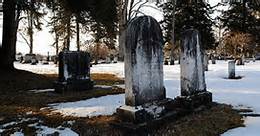
These gravestones have slowly broken down and turned a blackish color due to the action of:
ice wedging
acid rain
Potholes forming in the road after a cold winter is an example of what type of weather?
mechanical weathering
chemical weathering

The diagrams shows a rock with water trapped in the cracks during the day and at night.
Which statement best explains why this process results in weathering?
frozen water acts as a solute
water expands when it freezes
the mass of water increases when it freezes
frozen water dissolves most types of rock
Rain washing away soil from a hillside
Erosion
Deposition
Waves dropping sand on the beach
Weathering
Erosion
Deposition
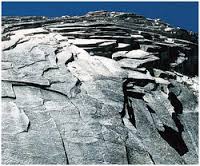
What is mechanical weathering?
Process through which rocks are physically broken into smaller pieces.
Rocks are broken down through chemical changes.

What type of volcano is this?
cinder cone
shield
composite

What type of volcano is this?
shield
cinder cone
composite

What type of volcano is this?
shield
cinder cone
composite
What is magma called when it reaches Earth’s surface?
lava
molt
crater
shield

What are the three types of volcanoes? (CHOOSE 3)
Composite
Megavolcanoes
Cinder Cone
Epicanoes
Shield
Where do volcanoes typically form?
At plate boundaries.
In the middle of tectonic plates.

What kind of volcano is this?
Stratovolcano
Shield volcano

What kind of volcano is this?
Stratovolcano
Shield volcano
Cinder cone volcano

What kind of volcano is this?
Stratovolcano
Shield volcano
Cinder cone volcano
The breaking down of rocks and other materials on the Earth's surface.
Weathering
Erosion
Deposition
Exfoliation
The process by which rock and soil are moved from one place to another is called-
Chemical weatherin
Erosion
Mechanical weathering
Deosition
This type of weathering in which rock is physically broken into smaller pieces.
Chemical weathering
Erosion
Mechanical weathering
Deposition
What is the difference between weathering and erosion?
Erosion breaks down the rocks, and weathering carries the broken pieces away.
Erosion carries broken pieces away, and weathering builds the pieces back up into another land mass.
Weathering carries broken pieces away, and erosion builds the pieces back up into another land mass.
Weathering breaks down rocks, and erosion carries the broken pieces away.

The tallest sand dunes in North America are found in Great Sand Dunes National Park and Preserve in Colorado. These dunes were formed from the sand at the bottom of a dry lake bed. Which of the following agents is most likely responsible for the formation of the sand dunes?
Wind
Water
Ice
Gravity

________________ is the breaking off and/ or disintegration of larger rocks into smaller rocks.
Erosion
Weathering
Deposition
Lotic

_____________ is the dropping off/ depositing of rocks.
Metamorphosis
Deposition
Weathering
Erosion

Which of these terms describes the process of acid rain wearing out limestone?
deposition
chemical weathering
physical weathering
erosion

Which type of weathering occurs when animals burrow in the ground and DISPLACE soil, rocks and plant roots?
Physical Weathering
Chemical Weathering

Suppose two people have the same kind of iron framed bicycle. One person stores their bike in the shed while the other person leaves their bike out in the rain. The bike in the rain RUSTS. What type of weathering will occur to the bike left out in the rain?
Physical Weathering
Chemical Weathering
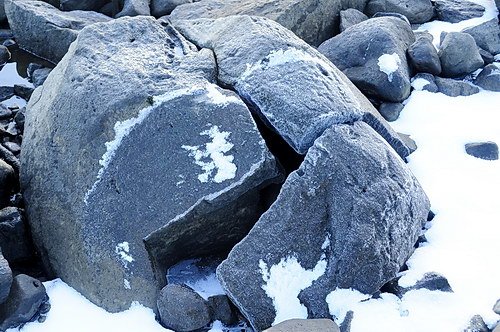
How does freezing water cause the weathering of rocks? The freezing water—
keeps the rocks in place.
makes the rocks last longer.
expands cracks and breaks rocks.
causes rocks to fall in landslides.

How do plants weather rocks?
during photosynthesis
when roots grow into cracks of rocks and expand the rock
when the plant moves water from the roots to the leaves
Plants don't weather rocks
Which agents break down earth materials?
wind only
earthquakes and gravity
ice and 007
wind, water, and ice
Deltas forming at the mouths of rivers.
Weathering
Deposition
Muddy water being carried away by a fast-moving river.
Weathering
Erosion
Deposition
Drag the labels to the correct the locations on the diagram.
convergent boundary
Mid-ocean Ridge
slab pull
trench
divergent boundary
Label each plate boundary.
Which process is responsible for carrying sediments from one place to another?
Weathering
Erosion
Deposition
Melting
Which of the following landforms is created by the deposition of sediments at the mouth of a river?
Plateau
Delta
Crater
Vent

A cliff formed near the ocean. Which statement best describes how this cliff formed?
Warm air melted the rock.
Sun rays evaporated the rock.
Ocean waves washed away rock.
Plant roots pushed away the rock.
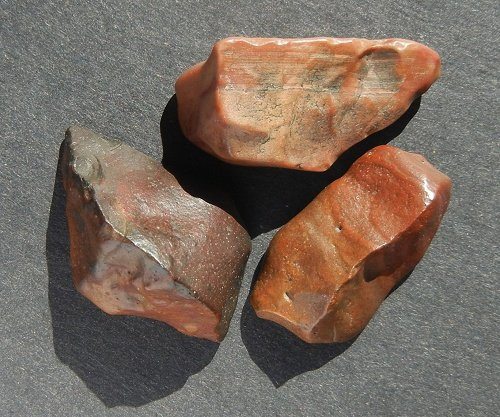
These rocks were made smooth by wind blowing smaller rock particles across their surface. This is an example of:
ice wedging
chemical weathering
acid rain
abrasion
The natural chemical or physical processes that breaks down rock on Earth's surface.
weathering
erosion
deposition
jackhammering
How do plants weather rocks?
during photosynthesis
when roots grow into cracks of rocks and expand the rock
when the plant moves water from the roots to the leaves
Plants don't weather rocks

the general terms for the movement of sediment by wind, water, glaciers
weathering
erosion
deposition

the part of the erosion process in which sediment travels to a new location and is laid down or dropped off
chemical weathering
mechanical weathering
erosion
deposition

the process in which sediment particles are picked up and moved from one place to another
mechanical weathering
chemical weathering
erosion

Roots grow into cracks of a rock and pry them apart
mechanical weathering
chemical weathering
erosion
deposition

oxidation produces rust on some rocks containing iron
chemical weathering
mechanical weathering
erosion
deposition

rock is broken by the freezing and thawing of ice
chemical weathering
mechanical weathering
erosion
deposition

plants produce weak acids that slowly dissolve the rock they are growing on
chemical weathering
mechanical weathering
erosion
deposition

animals break up the ground by burrowing
mechanical weathering
chemical weathering
erosion
deposition
What is weathering?
The process by which
water, ice, wind or gravity
moves fragments of rock
and soil.
The process by which
water, ice, wind or gravity
deposit rock sediments
and soil in a new place.
The breaking down of
Earth’s crust into smaller
and smaller pieces.

