
 Worksheets
Fundamentals of EnE
Total questions: 115
Worksheet time: 1hrs 25mins

E-waste can be recycled to extract ____.
gold, rare earths, valuable metals
carbon compounds
organic solids
personal identification information

Dry cell batteries and household pesticides are classified as ____ waste.
industrial solid
toxic solid
hazardous
electronic

The most desirable method of dealing with hazardous wastes is ____.
incineration
perpetual storage
recycling and reusing hazardous wastes
deposit in ocean trenches
Which solid waste management do you practice if you use eco bags in shopping?
Reduce
Reuse
Recycle
Repair
_________ means to use less of something?
Reduce
Recycle
Reuse
To _________ is to use something more than once.
reduce
reuse
recycle
To _________________ is to make an old item into something new.
recycle
reuse
reduce
Which thing can be recycled?
rock
pencil
clay
paper
Trash or garbage is also called ___________________.
pollution
recycling
solid waste

Cereal boxes are made from ____________________.
plastic
cardboard
glass
metal

Tissue is made from _______________
paper
plastic
metal
glass
Which of the following is made from glass?


Drinking cans are made from _________________
glass
plastic
metal
paper
Which of the following is recyclable?


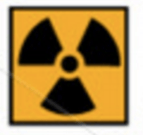


Harmful irritants
It's Good for you
flammable
corrosive

Dangerous to breathe in
toxic
irritant
Edible
Potentially explosive or chemically reactive
hazardous waste
municipal solid waste
agricultural waste
Potentially explosive or chemically reactive
hazardous waste
municipal solid waste
agricultural waste
Contains plant matter, fertilizer, and pesticide residue
hazardous waste
municipal solid waste
agricultural waste
Leftover rock and ore from mineral extraction.
hazardous waste
municipal solid waste
agricultural waste
mining waste
Which of these materials in municipal waste would be considered biodegradable?
glass bottles
metal cans
glass clippings and leaves
Municipal waste production in the United States has increased ____________________ the population growth rate.
faster than
slower than
all about the same rate as
Which form of waste disposal is no longer in use in most developed countries.
sanitary landfills
open dumps
incinerators
Which is not a disadvantage of using sanitary landfills to dispose of municipal solid waste?
Sanitary landfills are the most expensive waste disposal option.
They can leak into groundwater if not lined properly.
They can run out of space, especially in heavily populated areas.
What is an advantage of incineration over other waste disposal methods?
Incineration increases the volume of waste the must be placed in the landfill.
Lower risk of air pollution.
The costs of building and running ans incinerator are much lower.
Implementing cash deposits on recyclable materials, such as car batteries and (in some states) drink cans and bottles results in ___________________ in recycling rates.
an increase
a decrease
no change
What is the drawback to recycling materials like metals, glass, and plastics?
Recycling requires more energy
The amount of material recaptured for future use is minimal
Market prices for recycled materials can fluctuate wildly.
Which of these materials is not accepted for recycling in most communities?
clear glass
#1 PET plastic (e.g. water bottles)
#6 Styrofoam Containers
Toxic water that infiltrates through a landfill and collects at the bottom.
leachate
compost
tipping fee

This is an approach in which we attempt to control wastes in ways that reduce environmental harm without trying to reduce the amount of waste produced
waste reduction
waste management
integrated waste management
These are produced by mines, farms and industries that supply people with goods and services.
industrial solid waste
municipal solid waste
integrated solid waste
Choose the type of 4R which has a wrong definition.
refuse-don't use it
reduce-use less
reuse-use it over and over
recycle- using bacteria to treat biodegradable waste
Identify all the strategies to reduce resource use of Waste/Pollution
Develop products that are easy to repair, reuse, remanufacture, compost or recycle
Use fee-per-bag waste collection systems
Change industrial processes to eliminate/reduce use of harmful chemicals
Redesign manufacturing processes and products to use less material and energy
Use disposable cups
Check all the examples of solid waste
paper
car battery
cans
bottles
food waste
This is an approach in which we produce less solid waste and the waste we do produced are considered to be potential resources that we can reuse, recycle, or compost.
waste management
waste reduction
integrated waste management
These are any discarded material or substance that threatens human health or the environment because it is poisonous, dangerously chemically reactive, corrosive, or flammable.
solid waste
hazardous waste
industrialized waste
This is a type of landfill where solid wastes are spread out in thin layers, compacted, and covered daily with a fresh layer of clay or plastic foam.
open dump
composting
sanitary landfill
A type of recycling where we are using bacteria to treat biodegradable waste.
composting
sanitary landfill
open dump
______________ ______________ is produced when fuels containing sulfur are burned in the presence of oxygen.
Carbon dioxide
Sulfur dioxide
Carbon monoxide
Greenhouse gas
The Clean Air Act- regulates vehicle emissions.
true
false
Source of carbon monoxide
Incomplete combustion of fossil fuels
Combustion of fossil fuels
Decomposition of plant and animal matters
Photochemical reaction of CO2
A type of pollution found both indoors and outdoors, which includes pollen, dander, soot, carbon, and dust.
Water droplets
Allergens
Particulate matter
Combustibles

Which of the following are examples of VOC's ? (Select 3)
paint and paint thinners
gasoline
water vapor
formaldehyde
smog
This primary pollutant creates a reddish brown gas creating photochemical smog and tropospheric ozone.
sulfuric acid
VOC
nitrogen dioxide
particulate matter
This atmospheric compound is critical to the planet in its protection against UV radiation, but when found close to the ground is part of photochemical smog that can cause serious health problems.
particulate matter
carbon monoxide
stratospheric ozone
tropospheric ozone
Electrostatic precipitators can be used to remove this type of air pollutant.
volatile organic compounds
sulfur dioxide
particulate matter
ground level ozone
Which of the following is NOT a primary pollutant?
nitric oxides
smog
sulfur dioxide
volatile organic compounds
Which of the following is an example of a primary pollutant?
Acid rain
Ozone
Carbon monoxide
Asbestos
What is the major cause for air pollution?
deforestation
oil spills
transportation
cigarretes
How much of water on Earth is FRESH SURFACE water?
0.3%
3%
97%
30%
What is virtual water?
Water on a computer screen
Water that is salty
Amount of water to create a product
Water that is frozen
Which of the following is NOT a major use of freshwater?
Residential
Agricultural
Industrial
Clouds
Which of the following affects how freshwater is used?
Age
Population size
Education
GPA
What does "potable" mean?
Safe to drink
Frozen
Liquid water
Dirty water
Which of the following is an unsafe material that can be found in drinking water?
Fish
Pathogens
Minerals
None of these
In a residence, how is most (26%) of the water used?
Toilet
Bath/shower
Faucet
Dishwasher
In industrial water use, what is most of it used for?
Toilets
Cooling power plants
Making goods
Waste disposal
What is water used for in agriculture?
As a pesticide
Cleans crops
Water parks
Irrigation
Which of these is not a cause of water pollution?
Chemical waste
Fertilisers
Burning fossil fuels
Discarded rubbish
Why is untreated (raw) sewage dangerous to aquatic ecosystems?
It contains heavy metals
It contains plastics which are not biodegradable
It contains high quantities of the minerals needed for plant growth
What do untreated (raw) sewage and fertilisers have in common?
They encourage excessive growth of aquatic plants
They are eaten by animals in the water
They accumulate in the tissues of aquatic organisms
Why does chemical waste need to be disposed of carefully?
It encourages excessive plant growth
It contains heavy metals which build up in the tissues of living organisms.
It is not biodegradable
It depletes the oxygen levels in the water
When untreated sewage and fertilisers wash into water, which process results?
Bioaccumulation
Biomagnification
Eutrophication
Decomposition
What causes depletion of oxygen during eutrophication?
Excessive growth of plants on the surface
Death of fish
Death of plants beneath the surface
Increase of animals eating surface plants.
What is a consequence of oxygen depletion during eutrophication?
Excessive growth of plants on the surface
Death of fish
Death of plants under the surface
Increase in animals that eat surface plants.
What is the biggest danger to humans of discarded rubbish?
Plastics break apart into smaller and smaller pieces
Animals eat it and it accumulates in their stomachs
Animals get stuck or tangled up in it and suffocate
We're running out of space in landfill
What happens to plastics that are discarded in rubbish?
They become microplastics
They are eaten by animals, which are then eaten by humans
They slowly build up (accumulate) in the food chain
They encourage growth of aquatic plants
What would be an effective way to reduce plastic pollution?
Sell plastic waste to countries that need the money
Fine people who do not use litter bins
Reduce the amount of single-use items we use
Cover landfill sites so that plastics do not blow into the ocean
How can governments prevent disposal of chemical waste into water?
Ensure that businesses know what constitutes chemical waste and how to dispose of it safely
Check water quality in areas close to industrial plants
Research and implement alternatives to chemical processes that produce dangerous waste
Make it illegal for factories to produce chemical waste
As individuals, which of the four causes of water pollution do we have the most power to change?
Chemical waste
Fertilisers
Untreated sewage
Discarded rubbish

