
 Worksheets
Adaptations
Total questions: 19
Worksheet time: 29mins
Which of the following is a structural adaptation for the underlined animal?
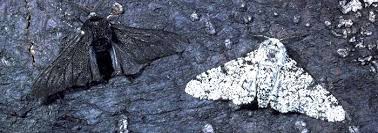
What are the two types of adaptation?
Camouflage
Physical and camouflage
Behavior and camouflage
Physical and behavior adaptation
What is an adaptation?
A behavior that helps an animal survive.
The food that animal eats.
How energy moves in a food web.
How animals evolve throughout time.
A giraffe's long neck - used to reach leaves high in trees - is an example of a
behavior adaptation
physical adaptation
learned behavior
behavior
How does adaptations help animals?
to hide from predators
to hunt for food
to survive in their habitats
All of these are correct

An example of a structual adaptation is...
a turtle hiding inside its shell
The spikes on a porcupine fish
a rabbit burrowing underground
a viper biting when threatened


Plants grow towards sunlight to help them acquire as much sunlight as possible.
behavioral
structural

Bees dance to tell each other where to find food.
Structural/Physical Adaptation
Behavioral Adaptation

A kangaroo has a pouch to protect its young.
Structural/Physical Adaptation
Behavioral Adaptation

A snake's fangs
structural
physiological
behavioral

Gills on a fish
structural
physiological
behavioral

When threatened, some animals make warning sounds to help other animals escape a predator.
Behavioral Adaptation
Structural Adaptation
What adaptation makes the most sense for living in a cold snowy area?
gills
colorful wings
white fur
striped skin

