
 Worksheets
KS3 SCIENCE: SEXUAL REPRODUCTION IN FLOWERING PLANTS
Total questions: 63
Worksheet time: 33mins
In some flowering plants, the male and female parts are found on a single flower. What is the example of such this flower?
cucumber
hibiscus
maize
morning glory
In other flowering plants, the male and female parts are found on separate flowers. What is the example of such this flower?
cucumber
hibiscus
maize
morning glory
These are the female part of the flower.
anther
pollen grain
ovary
stigma
These are the male part of the flower.
anther
pollen grain
ovary
stigma
What is the function of the pollen?
to fertilise the egg
to pollinate the flower
to produce the reproductive cells
Which type of animal cell has a similar function to the pollen?
testis
ovum
sperm
womb
The transfer of pollen from the anther to the stigma is called __________.
pollination
fertilisation
seed dispersal
germination
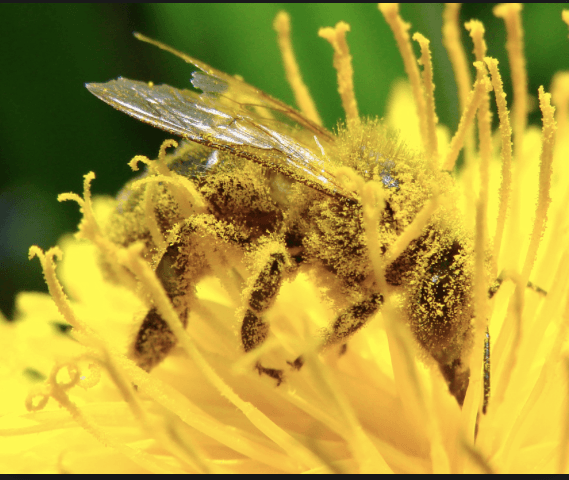
Which of these that help flowering plants to do pollination?
dog
bee
wind
water
What is happen after pollination?
fertilisation
seed dispersal
germination
What is fertilisation in plant?
the nucleus of the sperm fuses with the egg
the nucleus of the pollen grain enter the ovule and fuses with the egg
the nucleus of the sperm enter the stigma
the nucleus of the pollen grain enter the tube
After fertilisation, the ovary develops into __________.
a flower
seeds
a fruit
embryos
After fertilisation, the ovule develop into __________.
a flower
seeds
a fruit
embryos
The male parts of a flower are ______________.
Style
Anther
Filament
Ovary
The ___________ of one flower receives pollen grains from another flower.
anther
ovary
style
stigma
The _______________ produces pollen grains.
ovary
anther
stigma
The _________ travels to the __________ during fertilization to form a seed.
anther travels to the ovule
pollen travels to the ovule
anther travels to thestigma
pollen travels to the stigma
[Multi-answer] Plants scatter their seeds to reduce overcrowding. This reduces the competition for _______________.
sunlight
space
water
air
The female parts of a flower are ____________________.
ovary
ovule
anther
stigma
In nature, flowers are pollinated by ____________ and _______________.
wind
water
butterflies
humans
The ______ supports the stigma and keeps it high above the plant to receive pollen grains easily.
style
filament
stalk
stem
The plant male sex cell is also called the _______________.
anther
pollen grain
ovary
ovule
Pollination is the process of transferring pollen from the anther of one flower to the ______________ of another flower.
filament
style
stigma
ovary
ovule
Fruit X is fleshy and bright-red in colour. The likely dispersal method for its seeds is by ____________.
animal
wind
water
splitting
After fertilization, each _______forms a seed, while each _________forms a fruit.
ovary ... ovule
ovule ... ovary
egg ... ovary
pollen ... ovary
ovary ... pollen
After fertilisation, the seeds are formed inside the _________.
ovule
ovary
flower
stalk

What part of the flower is B ?
pistil
petal
ovary
pollen

The petals job is not only to protect the reproductive parts of the plant, but also to
keep wind away from the stamen
attract pollinators with their colors
absorb sunlight
fall off and become food for bugs
Seed structure that grows become roots
radicle
plumule
cotyledon
endosperm
Seed structure that protects seed
radicle
plumule
endosperm
seed coat(testa)

Name the gametes in a plant
Egg & sperm
Egg & pollen
Pollen & sperm
Asexual reproduction does not involve gametes
True
False
Sexual reproduction involves gametes
True
False
The stamen is made of the
Anther & filament
Anther & petal
Fliament & ovary
Ovary & style
What is the seed made from
The fertilised egg
The ovary
The anther
The growth of a seed into a plant is called
Pollination
Fertilisation
Seed and fruit formation
Germination
What conditions are needed for germination
Light, water, oxygen
Water, oxygen, warmth
Water, cold, oxygen
Dry, warmth, oxygen

Which of the following structures labelled A, B, C and D is an egg
A
B
C
D

Where do germination of pollen take place?
I
II
III
IV

Where do fertilisation takes place?
I
II
III
IV

Which of the floral parts in the figure are responsible in attracting pollinating agents?
A
B
C
D
What is the male reproductive organ of a flower?
pistil
stamen
angiosperm
fruit
What animals are known to pollinate flowers?
bats
butterflies
hummingbirds
bees

What is 1 pointing to?
sepal
petal
ovary
stigma

What is 2 pointing to?
anther
filament
stigma
style
What contains one or more seeds, and develops from the ovary, and sometimes other parts of the flower?
flower
angiosperm
pollen
fruit
What is 3 pointing to?
anther
filament
stigma
style
What is 4 pointing to?
ovary
filament
stigma
style
What is 5 pointing to?
ovary
ovule
stigma
style
What is 9 pointing to?
filament
anther
stigma
style
What is 8 pointing to?
filament
anther
stigma
style
What is 7 pointing to?
filament
anther
petal
sepal
What develops from the ovary?
seeds
pollen
fruit
leaves
What develops from the ovules?
seeds
pollen
fruit
leaves
What is pollination?
The process of pollen moving from the filament to the style
The process of pollen moving from the style to the filament
The process of pollen moving from the stigma to the anther
The process of pollen moving from the anther to the stigma
Which is true about animal pollinated plants?
The color, shape, and smell of the flower doesn’t matter
The color, shape, and smell of the flower is attractive to a specific pollinator
These parts attract insects
Stem & leaves
Stigma, Style & Ovary
Anther & filament
Petals & nectary

