
 Worksheets
Biology Semester Study Guide
Total questions: 40
Worksheet time: 30mins
Are the following items items in the correct order from smallest to largest?
organism, population, community, ecosystem, biosphere
True
False

Look carefully at the image. If energy is lost as it moves up the food chain, what trophic level has the most amount of energy?
1st level - producers
2nd level - primary consumers
3rd level - secondary consumers
4th level - tertiary consumers

At what population was carrying capacity met?
250
1000
400
720

The largest number of individuals that an environment can support long term is...
carrying capacity
emigration
immigration
population density
Why are trophic levels represented by pyramids?
Because energy is lost at each level
Because big animals are at the bottom
Because pyramids are cool
Because energy is gained at each level
Breaking News! A new island has formed off of Hawaii! What must occur for it to become an ecosystem?
Secondary Succession
Aquatic succession
Primary Succession
Ferns must grow
Which of the following is an example of COHESION?
water sticking to water
water sticking to glass
oil sticking to plastic
hydrogen sticking to oxygen
Water sticks well to many materials. What term relates to this property of water?
cohesion
adhesion
density
surface tension
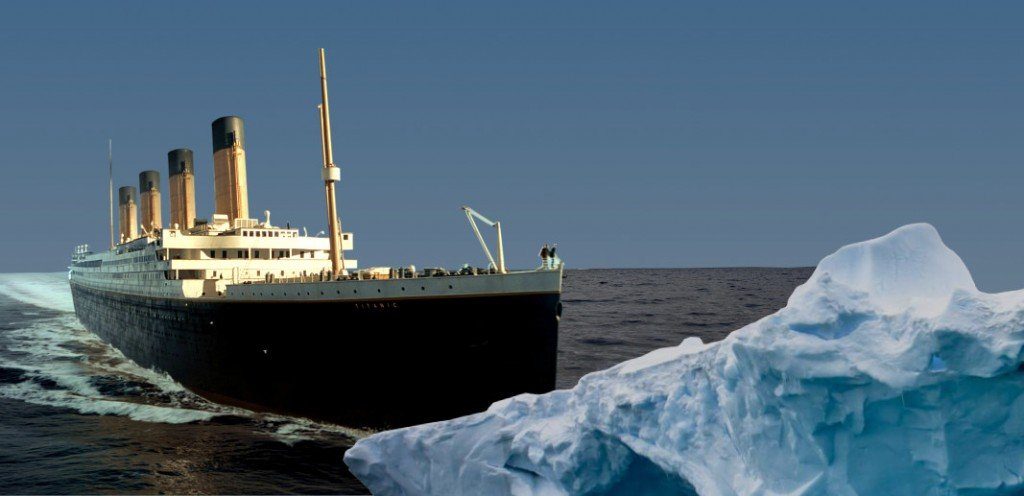
Why does ice float?
water expands when it freezes, making ice less dense than water
water compacts when it freezes, making ice more dense than water
hydrogen bonds in water push the ice to the surface
ice is afraid of water, and avoids it

A water strider can skate along the top of a pond because:
covalent bonds result in water cohesion (surface tension)
hydrogen bonds result in water cohesion (surface tension)
water striders have adapted to take advantage of water cohesion
water striders are afraid of water and avoid it
What type of bond is found BETWEEN water molecules?
hydrogen bonds
ionic bonds
nonpolar covalent bonds
polar covalent bonds
What is the function of carbohydrates?
provides quick energy
stores energy
helps with growth and repair of tissues
stores genetic information
What is the function of nucleic acid?
provides quick energy
stores energy
helps with growth and repair of tissues
stores genetic information
What is the monomer for nucleic acid?
Monosaccarides
Fatty Acids
Amino Acids
Nucleotides
In which cell organelle does PHOTOSYNTHESIS take place?
The chloroplast
The mitochondria
The cytoplasm
The golgi apparatus

In what organelle does the 2nd stage of cellular respiration take place in?
chlorophyll
chloroplast
cytoplasm
mitochondria
What do plants need to perform photosynthesis?
Love
Soil with a high nitrogen (N) content
Water (H2O) + Carbon Dioxide (CO2) and Sunlight Energy
Pollinators such as bees and hummingbirds
Where do the light dependent reactions occur?
The thylakoids; part of the chloroplast
The stroma; part of the chloroplast
In the mitochondria
In the cytoplasm
Which reactions take place during Cellular Respiration? Check all that apply
Kreb’s Cycle
Glycolysis
Calvin Cycle
Light Dependent Reactions
ETC (Electron Transport Chain)
Which reactions belong to photosynthesis (check all that apply)
Calvin Cycle
Light Dependent Reactions
Glycolysis
Kreb’s Cycle


The division of cytoplasm is called cytokenisis
True
False
What are the 4 stages of mitosis in order?
Telophase, Metaphase, Prophase, Anaphase
Anaphase, Metaphase, Telophase, Prophase
Prophase, Metaphase, Anaphase, Telophase
Metaphase, Prophase, Telophase, Anaphase
In what phase of interphase does the cell assemble special structures needed for cell division?
G1
S
G2
DNA is packed into __________
Chromosomes
Centrioles
Spindles
Chromatids

