
 Worksheets
5th Grade Semester 1 DA Review
Total questions: 58
Worksheet time: 38mins
If you want to make tiny objects look bigger in the science lab you will use a _______________.
rain gauge
microscope
telescope
timer
The basic building blacks from which all living organisms are made are
cells
DNA
chromosomes
Amoeba
This part of the cells controls what moves in and out
cell wall
cell membrane
Cytoplasm
organelles
Surrounds and protects plant cells provides the structure stiff and strong
Endoplasmic Reticulum
Mitochondria
Cell Wall
Ribosomes
Hold and protect cell control the movement of materials into and out of the cell gate
Cell Membrane
Chromosomes
Vacuoles
Nucleus
A watery gel-like material in which cell orgeanelles move
vacuole
Golgi Apparatus
Cytoplasm
cell membrane
Contain chlorophyll capture the energy of sunlight and use it to produce food
Chromosomes
Chloroplasts
DNA
Golgi Apparatus
Act as the 'brain' of the cell regulate and control all cell activities
Cytoplasm
Ribosomes
Nucleus
Chloroplasts

Which organelle is responsible for the structure and strength of the cell?
9
3
5
7

What fills the space between all the other organelles? (Number 2)
Cell membrane
Endoplasmic Reticulum
Cytoplasm
Vacuole

Which number points to the cell membrane?
3
4
5
6

Which two cell parts are only in plant cells?
4, 7
6, 8
7, 9
6, 2

Which organelle is the chloroplast?
5
6
7
8
An animal's qualities are listed below:
ANIMAL'S QUALITIES
● Moist skin
● Has four legs
● Lays eggs
● Breathes with lungs and gills
● Cold blooded
What type of animal is described in the box?
amphibian
fish
mammal
reptile
bird
A biologist observes that a plant specimen has
no true roots, stems, or leaves. What term would
she use to describe this plant?
vascular
flowering
wilted
non-vascular
Which of the following organisms is a vertebrate?
insect
sponge
monkey
earthworm
What trait do all mammals share?
walk upright
have an opposable thumb
have large brains
nurse their young with milk
Which vertebrate is ectothermic (cold-blooded)?
cat
chicken
human
lizard
Which term describes an animal without a
backbone?
chordate
invertebrate
protozoan
vertebrate
Although the bald cypress tree loses its leaves in
the winter, its seeds are similar to evergreen pine
trees. How are bald cypress and pine tree seeds
similar?
They are found in bulbs.
They are found in cones.
They are found in fruits.
They are found in shells.
Which of the following plants produces spores?
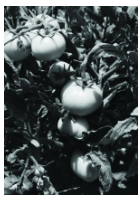
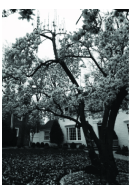
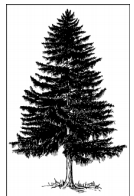
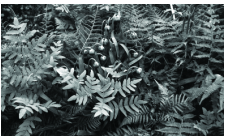
Which of the following organisms lack vascular
tissue?
mosses
whisk ferns
pine trees
flowering plants
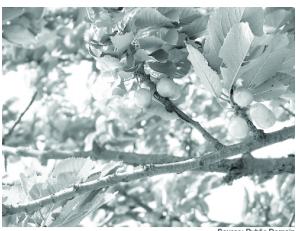
The picture above shows a cherry tree
What do cherry trees produce that helps
scientists classify them?
flowers and cones
flowers and seeds
leaves and spores
leaves and spores
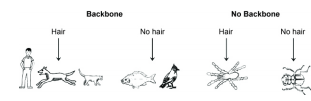
According to the classification key above, which pair of animals could be classified as mammals?
humans and dogs
birds and fish
birds and fish
cats and birds
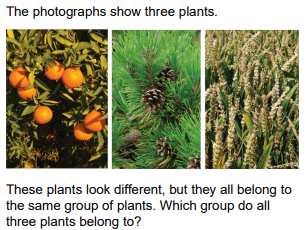
plants that produce seeds
plants that produce flowers
plants that produce spores
plants that produce needles
Insects, arachnids, worms, and mollusks all belong to which group?
vertebrate
invertebrate
classification
vascular
Fish, amphibians, reptiles, birds and mammals all
belong to which group?
vertebrate
invertebrate
bacteria
vertebrate and invertebrate
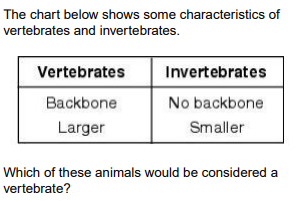
fish
clam
sponge
octopus
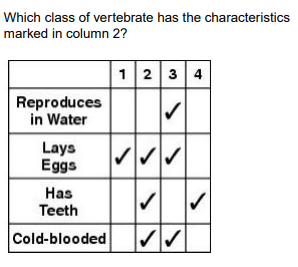
fish
bird
reptile
mammal
Organisms with a body covering of feathers are
classified as a__________.
bird
mammal
fish
reptile
Inherited traits are-
learn from our parents
can be purchased
characteristics passed down from parent to offspring
behaviors we observe
What type of change can be easily reversed?
chemical change
physical change
both chemical and physical changes
neither physical or chemical changes
Which of the following is an example of a physical change?
a bike rusting
toast burning
butter melting
food spoiling
Which of the following examples is a physical change but NOT a change of state of matter?
logs burning
water freezing into ice cubes
candle wax melting
paper being cut
Which of the following examples is a physical change but NOT a change of state of matter?
logs burning
water freezing into ice cubes
candle wax melting
paper being cut
Which of the following is an example of a chemical change?
a penny tarnishing
a mirror being scratched
hair being cut
water being boiled
What is the best way to separate a mixture of sugar, sand, and water?
Freeze the mixture, causing the water to be destroyed, then sift the sugar from the sand.
Filter the sand from the sugar and water, then heat the mixture, causing the water to evaporate.
Filter the mixture, causing the sugar and sand to get caught but not the water.
Stir the mixture, causing the water to move above the sugar and sand.

