
 Worksheets
Chemistry Exam (Jonette)
Total questions: 90
Worksheet time: 2hrs 34mins
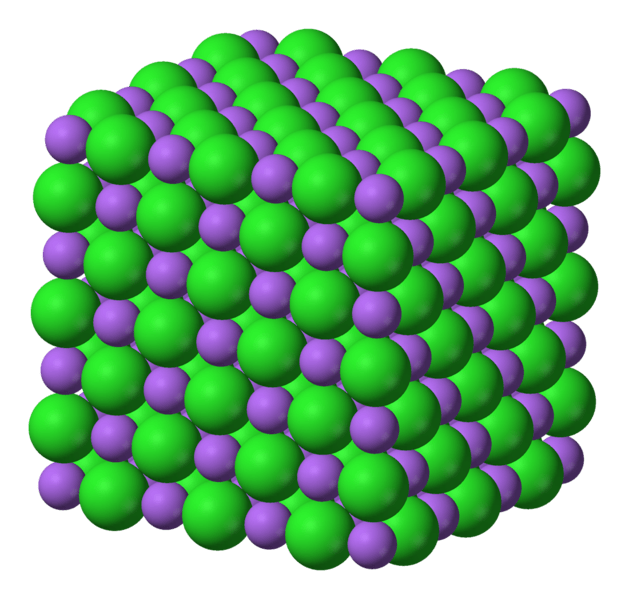
Which state of matter does this picture show?
Solid
Liquid
Gas
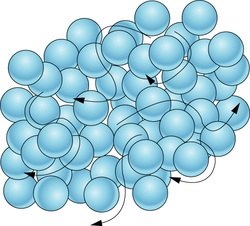
What state of matter does this picture show?
Solid
Liquid
Gas
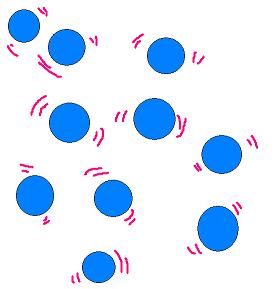
Which state of matter does this picture show?
Solid
Liquid
Gas
What is the best definition of temperature?
How hot or cold something is
A measure of how fast the molecules are moving in a substance
How hot or cold something feels to a person
As temperature increases, what happens to particles?
They speed up
They slow down
As temperature decreases, what happens to particles?
They speed up
They slow down
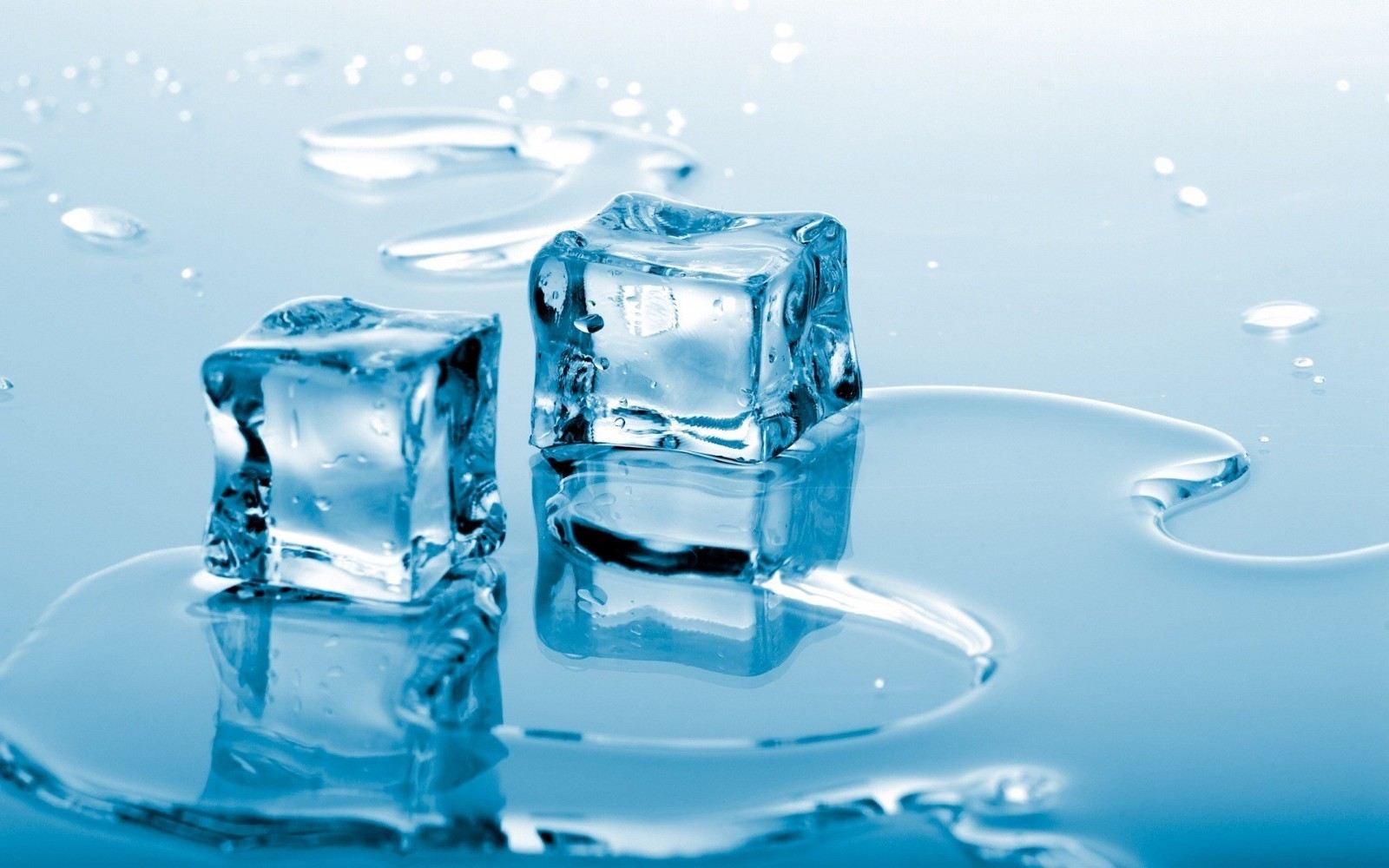
What is happening in this picture of ice melting?
Molecules are speeding up
Molecules are slowing down

What is happening in this picture of water boiling?
Molecules are speeding up
Molecules are slowing down

What is happening in this picture of this lake freezing?
Molecules are speeding up
Molecules are slowing down
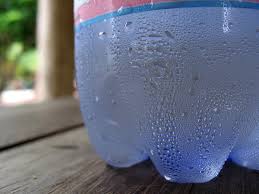
What is happening to the outside of this water bottle?
Molecules are speeding up
Molecules are slowing down
Na2CO3
What is the difference between Co and CO?
CO is an element but Co is a compound
Nothing is different. They are the same thing.
CO is two elements and Co is only one element
Co is not a pure substance
Which is the best description of an element?
A substance that cannot be broken down into simpler substances
A collection of atoms that have different abilities when joined together
A man-made mineral
A mixture of substances

How many elements are in this compound?
13
6
4
3
The chemical symbol of an element always matches the element's name.
Agree
Disagree
Represented by an unique chemical symbol
Elements
Compounds
Both
Located on the Periodic Table
Elements
Compounds
Both
Cannot be broken down into a simpler substance
Elements
Compounds
Both
Both elements and compounds are pure substances.
Agree
Disagree
Carbon is considered an element, while carbon dioxide is considered a compound. This is because carbon dioxide is ---
a gas at room temperature.
made of two different elements.
given off by green plants.
useful to human beings

A section of the Periodic Table is shown. What is the Chemical Symbol for Magnesium?
12
Magnesium
24.31
Mg
Compounds are different than elements because compounds are ---
combinations of two or more elements.
not able to be broken down into parts.
made from the same type of atoms.
a pure substance; elements are not.
The smallest particle of any particular type of matter is known by which of the following terms?
Element
Chemical
Atom
Compound

In an element box, the number at top is the
atomic number
atomic name
atomic mass
atomic symbol

Rows in the Periodic Table are called
Periods
Groups/Families
Cousins
Metals

___________________ are positively charged particles located in the nucleus of an atom.
Electrons
Neutrons
Protons
Isotopes
Isotopes are atoms of the same element with different numbers of
electrons
neutrons
protons
nuclei
Elements on the Periodic Table are ordered according to their
element name
element symbol
number of atoms
atomic number

Column in the Periodic Table are called
Periods
Groups/Families
Cousins
Metals

The elements that touch the zigzag line on the Periodic Table are called
metals
nonmetals
metalloids
gasses
What do atoms of the same periodic group have in common?
They have the same atomic number.
They have the same chemical symbols.
The have similar chemical properties.
They have the same atomic mass.

A scientist creates a hypothesis, but the data she collects fail to support that hypothesis. The scientist should then
change the data to support the hypothesis.
change the hypothesis to match the results.
forget the whole idea and walk away.
use the data to develop and test a new hypothesis.

Protons have a ____________ charge, neutrons have a ____________ charge, and electrons have a ____________ charge.
positive; negative, neutral
positive, neutral, negative
neutral, negative, positive
negative, neutral, positive

The chemical symbol in this element box is
26
Fe
Iron
55.845
The variable that is changed in an experiment is the
independent variable.
the dependent variable.
the controlled variable.
the data variable
The three kinds of elements are
metals, nonmetals, and liquid metals
metals, nonmetals, and metalloids
metals, solids, and liquids
metalloids, asteroids, and nonmetals
The number of neutrons in an atom can be found by
adding the number of neutrons and protons together.
adding the atomic mass and the atomic number.
subtratcting the atomic number from the atomic mass.
subtracting the atomic mass from the atomic number.

The nucleus of an atom is located in its
electron cloud
center
proton
backpack
The smallest particle of an element that has the same chemical properties of the element is
a molecule of that element.
an atom of that element.
a proton of that element.
the nucleus of the element.

The history of the Atomic Theory involves many changes from its early form. Theories change because
people decide to no longer agree with them.
all theories must be changed after a certain time.
new evidence is found that allows the theory to be changed.
when scientists die, their theories are always changed.
Models are used to study atoms because atoms are very
dangerous
sneaky
rare
small
The Periodic Table of elements is arranged according to an element's
color
state of matter
place in the alphabet
properties
All matter is made of
electrons
protons
neutrons
atoms


Why are ions formed?
To make our lives difficult
Because atoms want to be stable
Because atoms have the same number of protons and electrons
Because atoms gained neutrons

Cations are...
Positive
Negative
Neutral

Anions are...
Positive
Negative
Neutral

Which particles change the charge in atoms when ions are formed?
Protons
Electrons
Neutrons
Nonmetals are
usually cations
usually anions
Metals are:
Usually cations
Usually anions
When an atom loses a valence electron, it becomes a(n) _____________ ion.
positive
negative
neutral
When an atom gains a valence electron, it becomes a(n) _____________ ion.
positive
negative
neutral
Anions are
Negative ions
Neutral ions
Positive ions
Ionic bonds form between two ions that have
negative charges
positive charges
opposite charges

An atom becomes _________ when it gains electrons.
Positive
Negative
Neutral

An atom becomes _______ when it loses electrons.
Positive
Negative
Neutral
Cations are
negative ions
neutral electrons
positive ions
Cations are _________________ and anions are _______________
metals, nonmetals
nonmetals, metals

