
 Worksheets
Respiratory disorders
Total questions: 104
Worksheet time: 9hrs 40mins
Select all that apply. Common manifestation of Influenza include the following:
Cough
Fever
Fatigue
Diarrhea
Tamiflu is an antiviral agent given for infants (less than 1 year old) with a diagnosis of Influenza.
True
False
Which of the following abnormal breath sounds is usually heard for a client with Bronchitis?
Expiratory and Inspiratory Wheezes
Fine Crackles
Coarse Crackles
Vestibular sounds
Bronchiolitis is primarily caused by Group A Beta Hemolytic Streptococcal Infection.
True
False
Select all that apply. The following are manifestations of Bronchiolitis.
nasal flaring
retractions
decreased respiratory rate
high grade fever
Pulmonary Function Test result that indicates there is no need to take routine medications.
Green zone
Yellow zone
Red zone
Black zone
Chest Physiotherapy is recommended 3 to 4 times a day and is usually given:
Before meals
During meals
After meals

Acute viral infection of infants and children with obstruction of the larynx, accompanied by barking cough and stridor?
croup
diphtheria
epistaxis
pertussis

Acute infection of the throat and upper respiratory tract caused by the diphtheria bacterium?
epistaxis
diphtheria
pertussis
asthma

Nosebleed?
epistaxis
pertussis
diphtheria
croup

Chronic bronchial inflammatory disorder with airway obstruction due to bronchial edema and constriction and increased mucus production?
cystic fibrosis (CF)
diphtheria
asthma
pertussis

Inherited disorder of exocrine glands resulting in thick mucus secretions in the respiratory tract that do not drain normally?
asthma
diphtheria
cystic fibrosis (CF)
emphysema

Hyperinflation of air sacs with destruction of alveolar walls?
emphysema
pneumonia
pulmonary edema
Pulmonary embolism
(PE)
Hyperinflation of air sacs with destruction of alveolar walls?
emphysema
pneumonia
pulmonary edema
Pulmonary embolism
(PE)

Acute inflammation and infection of alveoli, which fill with pus or products of the inflammatory reaction
pulmonary edema
emphysema
pneumonia
mesothelioma

Fluid in air sacs and bronchioles?
pleural effusion
pulmonary edema
pneumonia
pneumothorax

Clot or other material lodges in vessels of the lungs?
Pulmonary embolism
(PE)
mesothelioma
pleural effusion
pneumothorax

Rare malignant tumor arising in the pleura?
pneumonia
pulmonary edema
emphysema
mesothelioma

Abnormal accumulation of fluid in the pleural space?
pneumothorax
emphysema
mesothelioma
pleural effusion

Collection of air in the pleural space?
pleural effusion
pneumonia
pneumothorax
pulmonary edema

The common cold; an inflammation of the nasal passages and pharynx is also called -
Influenza
sinusitis
pharyngitis
nasopharyngitis

Inflammation of the throat or pharynx
sinusitis
pharyngitis
nasopharyngitis
influenza

inflammation of the sinuses
infuenza
nasopharyngitis
sinusitis
pharyngitis

Inflammation of the larynx or the "voice box"
tonsillitus
pneummonia
laryngitis
dyspnea

Inflammation of the tonsils
tonsillitus
influenza
sinusitis
laryngitis

A viral infection that affects the respiratory system. It strikes much quicker than a common cold. Commonly called "the flu"
sinusitis
Influenza
pneummonia
dyspnea

A temporary inflammation of the mucous membranes that line the trachea and bronchial passageways; causes a cough that may produce mucus.
pneumonia
acute bronchitis
tuberculosis
dyspnea

An infection of the lungs that causes inflammation; causes by a virus, bacterium, fungus or in rare cases
up in the lungs making gas exchange difficult
pneumonia
acute bronchitis
dyspnea
tuberculosis

A highly contagious bacterial infection cause by the bacteria Mycobacterium tuberculosis. It most commonly attacks the lungs, but can spread to other organs.
tuberculosis
dsypnea
pneumonia
influenza

Difficulty in breathing which progressively worsens over time usually due to Chronic Obstructive Pulmonary Disease (COPD)
influenza
pneumonia
dyspnea
tuberculosis

Chronic inflammation of the lungs characterized by an abnormal increase in the air spaces near the bronchioles; causes an accumulation of carbon dioxide in the lungs.
bronchiospasms
chronic bronchitis
hyperventilation
emphysema

Excessive ventilation that leads to abnormal expulsion of carbon dioxide.
chronic bronchitis
hyperventilation
emphysema
asthma

A long lasting respiratory condition in which the airways of the lungs become obstructed due to inflammation of the bronchi and excessive mucous production
acute bronchitis
hyperventilation
chronic bronchitis
emphysema

A disease of the lungs characterized by recurring episodes of airway inflammation causing bronchospasms and increased mucous production.
pneumonia
acute bronchitis
chronic bronchitis
asthma

Spasmatic contractions of the bronchiole muscles that constrict airways in the lungs during an asthma attack
chronic bronchitis
acute bronchitis
bronchospasms
pneumonia
Infection of the lungs where alveoli are flooded with bacteria and WBCs:
pneumonia
pleuritis/pleurisy
Roarers
pulmonary edema
An accumulation of tissue fluid in the alveoli of the lungs:
pulmonary edema
pneumonia
pleural effusion
pulmonary thromboembolism
Inelasticity of the lungs due to chronic inflammation and scarring of the lung tissue:
pleuritis/pleurisy
pneumothorax
pneumonia
emphysema
Disease characterized by inflamed, narrow airways that make it difficult for air to pass through.
COPD
Pulmonary Edema
Pneumothorax
Asthma
Disease that combines chronic bronchitis and emphysema. It drastically reduces vital gas exchange and is attributed primarily to smoking.
Pneumothorax
Pulmonary Edema
Asthma
COPD
Treatable with antibiotics, characterized by painful sinuses, fever, and pus in the mucus.
cystic fibrosis
lung cancer
laryngitis
upper respiratory infection
what are the first symptoms of pneumonia?
chest pain when you breathe or cough, confusion or changes in mental awareness, cough that will include phlegm, fatigue, fever, sweating and shaking chills, lower than normal body temp, nausea, vomiting, diarrhea, and shortness of breath
chess pain when u breathe or cough, confusion or changes in mental awareness, cough that will include phlegm, fatigue, fever, sweating and shaking chills, lower than normal body temp, nausea, vomiting, diarrhea, and shortness of breath
chest pain when you breathe or coff, confusion or changes in mental awareness, coff that will include phlegm, fatigue, fever, sweating and shaking chills, lower than normal body temp, nausea, vomiting, diarrhea, and shortness of breath
chest pain when you breathe or cough, confusion or changes in mental awareness, cough that will include phlegm, fatigue, fever, sweating and shaking chills, lower than normal body temp, nausea, vomiting, diarrhea
Infection of the terminal bronchioles that extends into the surrounding alveoli resulting in patchy consolidation of the lung refer to the pathology of.....
bronchopneumonia
lobar pneumonia
bronchiectasis
miliary tuberculosis
where are the four places where you can acquire pneumonia?
community, hospital, health care, and aspirin
comunity, hospital, health care, and aspiration
commmunity, hospital, health care, and aspiration
community, hospital, health care, and aspiration
what is the most common cause of pneumonia?
Streptococcus pneumonia
Streptococcus pneumoniae
Streptococccus pneumoniae
Streptococus pneumoniae
how do you get aspiration pneumonia?
inhaling vomit, food, drink, or slaiva
drinking vomit, food, drink, or saliva
inhaling vomit, food, drink, or saliva
eating vomit, food, drink, or saliva
how do you get hospital acquired pneumonia?
staying too long in the hospital
sleeping in the hospital
playing Fortnite
eating hospital food
you are more likely to get aspiration pneumonia because...
loss of tongue
brain injury
someting disturbed gag reflex, or excessive drugs and alcohol
something disturbed gag reflex, or excessive drugs and alcohol
What is pleuritic chest pain?
Pain that worsens when you sit down
Pain that hurts when you poke your chest
Pain that hurts more on the affected side
Pain that gets worse when breathing
Infection of the lungs where alveoli are flooded with bacteria and WBCs:
pneumonia
pleuritis/pleurisy
Roarers
pulmonary edema
Disease characterized by inflamed, narrow airways that make it difficult for air to pass through.
COPD
Pulmonary Edema
Pneumothorax
Asthma
Treatable with antibiotics, characterized by painful sinuses, fever, and pus in the mucus.
cystic fibrosis
lung cancer
laryngitis
upper respiratory infection
Which is not a job of the nose?
warm air
moisten air
traps particles like dust and bacteria
bring in carbon dioxide
Tiny hairs that move particles in the nose are called
mucus
vocal cords
cilia
flagella
Where does air go after the pharynx during inhalation?
nose
trachea
bronchi
alveoli
Where would you find cilia?
nose and alveoli
bronchioles and mouth
trachea and nose
all of the above
3- ............is a respiratory illnesses that cause breathlessness and difficulty breathing
1- Pneumonia
2- COPD
3- Asthma

cONTANGIOUS BACTERIAL INFECTION OF THE LUNGS CAUSED BY MYCOBACTERIUM.
TB
PNEUMONIA
PNEUMOTHORAX
EMPYEMA

ACUTE INFECTION OF THE LUNG PARENCHYMA SPECIFICALLY THE AIR SACS ARE AFFECTED.
TB
PNEUMONIA
PNEUMOTHORAX
EMPYEMA

A PERSON WITH TB WILL NOT BE THAT INFECTIVE IF HE/SHE RELIGIOUSLY COMPLIED WITH THE MEDICATION FOR:
1 MONTH
4 TO 6 WEEKS
2 TO 3 WEEKS
3 MONTHS

IN PNEUMOTHORAX, THERE IS AN ACCUMULATION OF ________ IN THE PLEURAL SPACE.
BLOOD
WATER
AIR
PUS

IN PT'S WITH EMPYEMA, THERE IS AN ACCUMULATION OF __________ IN THEIR PLEURAL SPACE.
BLOOD
WATER
AIR
PUS
IN PT'S WITH EMPYEMA, THERE IS AN ACCUMULATION OF __________ IN THEIR PLEURAL SPACE.
BLOOD
WATER
AIR
PUS
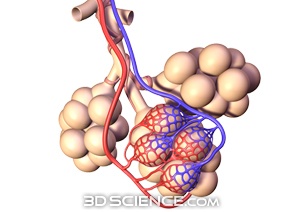
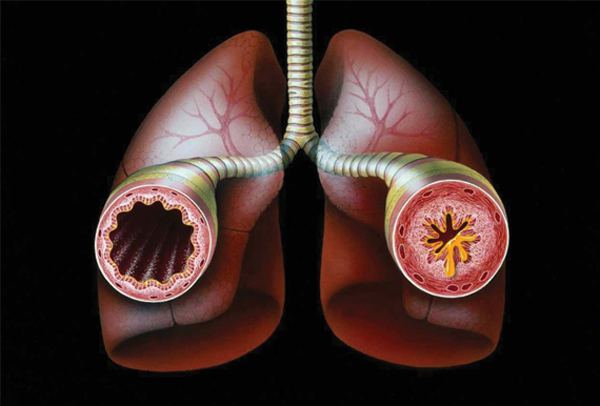


Emphysema
specific area that is drained by a stream
negatively charged electrons
Lung disease in which the avioli lose elasticity
chemical reaction in which heat energy is absorbed

