
 Worksheets
Unit 2 Review
Total questions: 109
Worksheet time: 2hrs 57mins

How are eukaryotic cells different from prokaryotic cells?
Eukaryotic cells have nuclei; prokaryotic cells don't
Eukaryotic cells are microscopic; prokaryotic cells are not
Eukaryotic cells contain genetic material; prokaryotic cells don't
Eukaryotic cells include bacteria; prokaryotic cells don't Prokaryotic
Tiny structures that produce proteins inside bacteria
bacteria
ribosomes
cytoplasm
endospore
Bacteria are....(select all that apply)
Single-celled organisms
Multi-cellular organisms
Eukaryotes
Prokaryotes
What type of ribosomes are used by prokaryotes?
(a)
Which term is used to describe a rod-shaped bacterium?
coccus
spirillum
bacillus
streptococcus

Identify the shape and arrangement of this bacterium.
coccus - single
bacillus - single
diplo coccus
spirriulium

Identify the shape and arrangement of this bacterium.
single bacillus
single spirrillium
strepto bacillius
strepto coccus

What shape are these bacteria?
cocci
bacilli
spirilla
fusilli

What shape are these bacteria?
cocci
bacilli
spirilla
tortellini

Where do bacteria store their DNA?
Nucleus
Nucleoid Region
Mitochondria
Chloroplast
The cell wall can be found in (select all that apply)
Prokaryotic Cells
Plant Cells
Animal Cells
Fungi Cells
Some Protists
70S ribosomes (simple)
80S ribosomes (complex)
Thick peptidoglycan in cell wall
Gram positive bacteria
Gram negative bacteria
Thin peptidoglycan in cell wall
Gram positive bacteria
Gram negative bacteria
Has an outer membrane (2nd cell membrane)
Gram positive bacteria
Gram negative bacteria
What is the plant cell wall made from?
(a)
What is the fungal cell wall made from?
(a)
A relationship between two organisms in which both organisms benefit
Mutualism
Competition
Parasitsm
Commensalism

Hookworms can enter the body of animals or even humans. The hookworm attaches to the lining of the intestinal wall and feeds on blood. Its eggs are ejected into the digestive tract and the larvae (young hookworms) that hatch live off of the host’s blood. The host can suffer from blood loss, anemia and iron deficiency.
commensalism
mutualism
parasitism
predation
A relationship between 2 organisms in which one organism benefits and the other is harmed
commensalism
parasitism
mutualism
predation
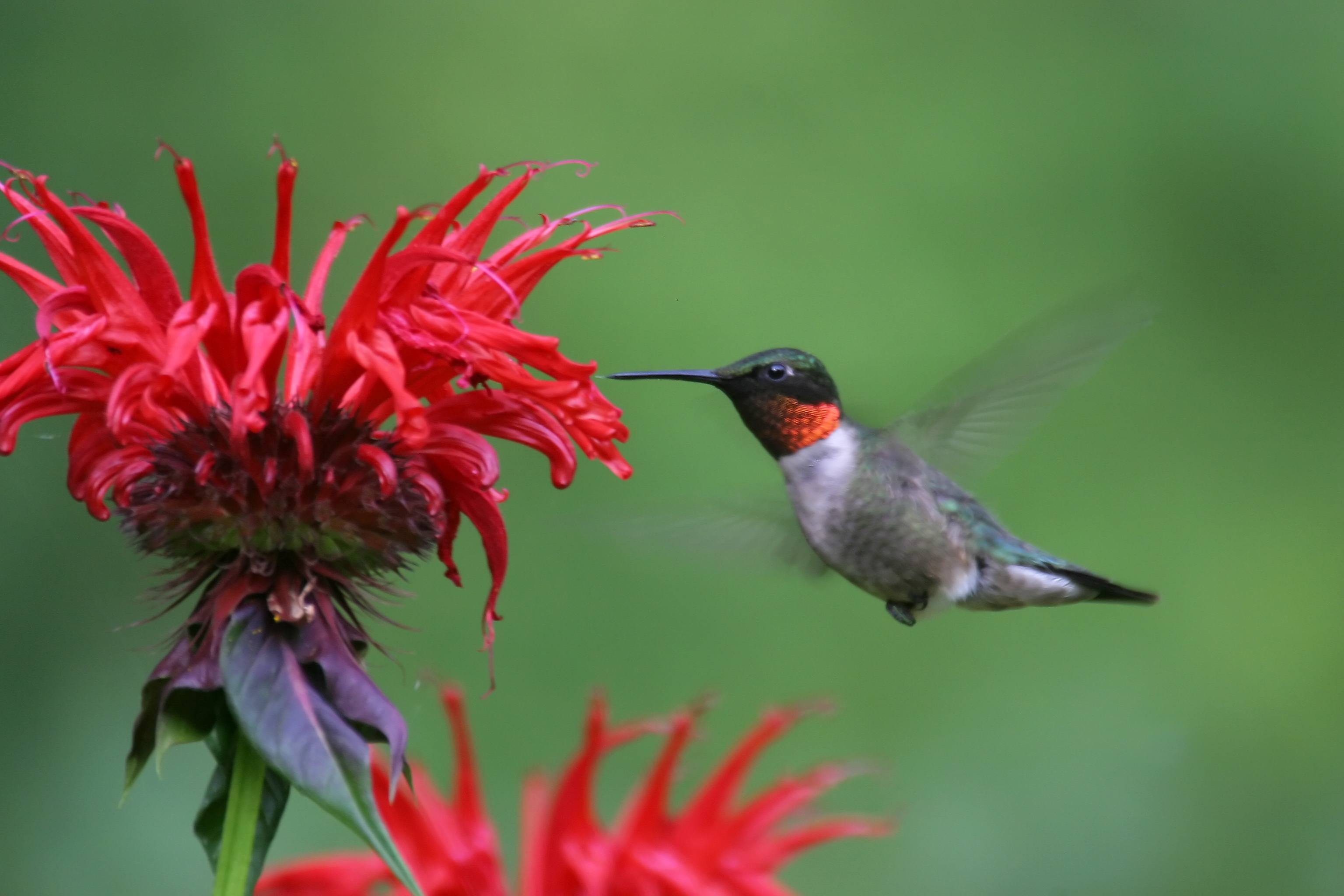
Hummingbirds feed on nectar from flowers. The flowers are pollinated by hummingbirds as they move from flower to flower.
commensalism
mutualism
parasitism
predation

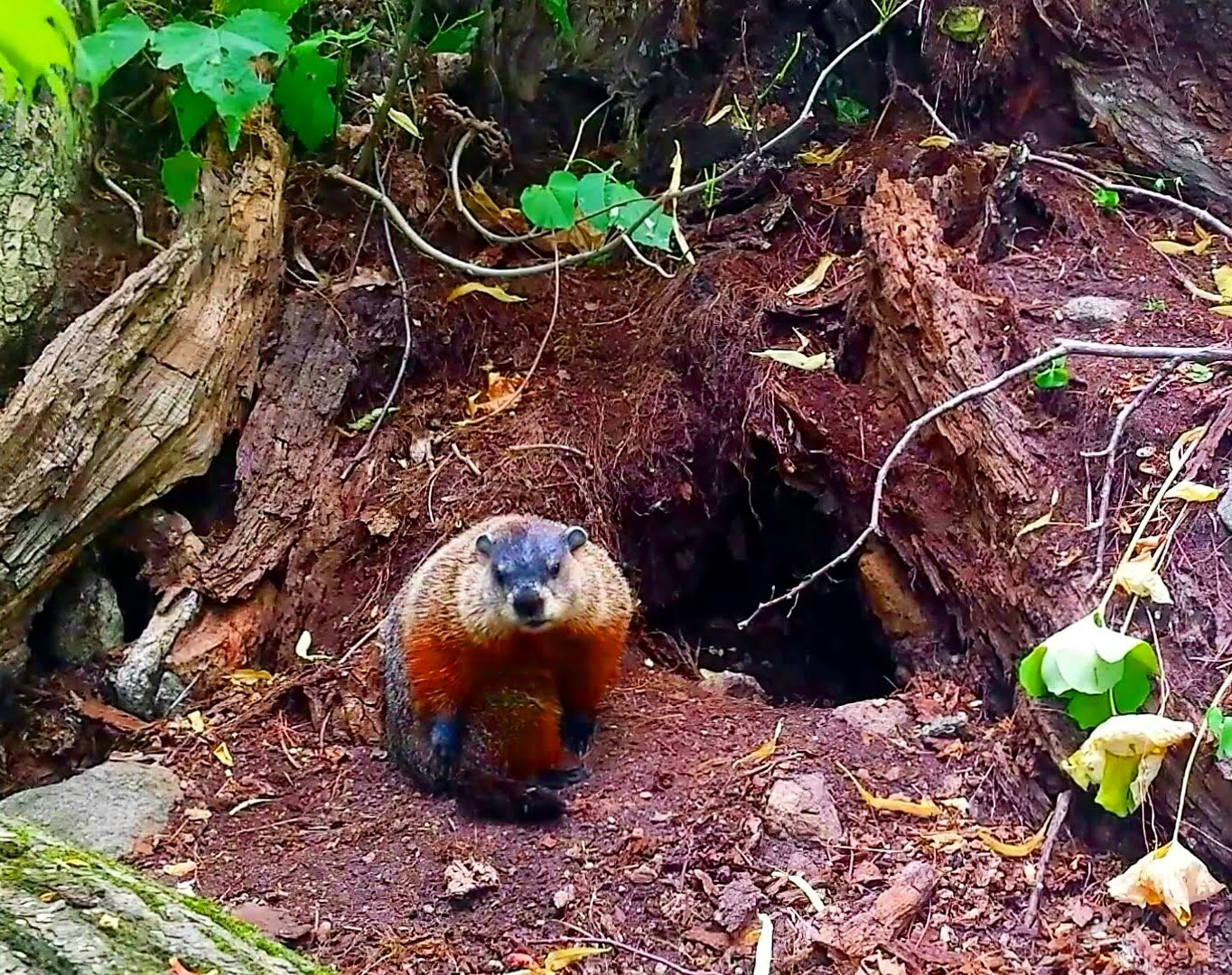
Skunks often live in burrows that have been dug and abandoned by woodchucks.
commensalism
mutualism
parasitism
predation
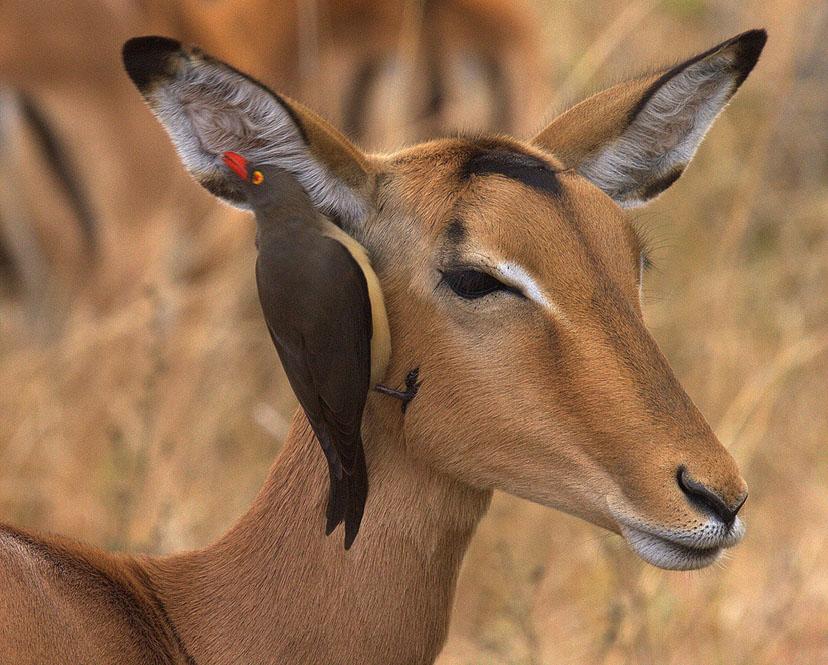
Red-billed oxpeckers are birds that often feed on parasites that infest impala. This is an example of ....
commensalism
mutualism
paratisism
predation

Which symbols best describe parasitism?
+,+
+,-
+,0
-,0

This organism is unicellular, an photosynthetic autotroph, has a nucleus, and some of them can be heterotrophic. What is the classification of this organism?
Bacteria
Fungi
Viruses
Protists
Fungi digest their food....
with the assistance of microbes
externally by excreting digestive enzymes and then absorbing the nutrients
by engulfing the food source
internally by producing digestive enzymes within an organelle or organ and absorbing the nutrients
Which of the following is not a cell but can reproduce within a living cell?
bacteria
virus
alga
yeast
What is special about viruses and their host cell
viruses can attach to any type of cell
viruses are bigger than their host cells
viruses are living things
viruses can only attach to specific host cells
In this interaction, one species is harmed, whereas the other species is neither harmed nor benefitted
commensalism
Parasitism
Amensalism
Which of the following is likely NOT found living on or in humans as part of a microbiome?
bacteria
fungi
microscopic animals
microscopic plants
What happens to the microbiome from birth to early adulthood
It becomes less diverse
It becomes more diverse
There is no change
What is the role of the microbiome in human health?
It helps in digestion and nutrient absorption
It regulates the immune system
It synthesizes vitamins and minerals
All of the above
What is the name of the phylum of gram-negative bacteria?
Protibacteria
Protobacteria
Proteobacteria
Proteonbacteria
What class of proteobacteria that are oligotrophs, an organisms capable of living in low-nutrient environments such as deep oceanic sediments, glacial ice, or deep undersurface soil?
Alphaproteobacteria
Gammaproteobacteria
Betaproteobacteria
Deltaproteobacteria
What class of proteobacteria which survive on a minimal amount of nutrients and also are eutrophs?
Alphaproteobacteria
Gammaproteobacteria
Betaproteobacteria
Deltaproteobacteria
What class of proteobacteria is the most diverse class of gram-negative bacteria and it includes a number of human pathogens?
Alphaproteobacteria
Gammaproteobacteria
Betaproteobacteria
Deltaproteobacteria
What class of proteobacteria that has a small class of gram-negative Proteobacteria that includes sulfate-reducing bacteria?
Alphaproteobacteria
Gammaproteobacteria
Betaproteobacteria
Deltaproteobacteria
What is the smallest class of proteobacteria which are gram-negative microaerophilic bacteria?
Alphaproteobacteria
Epsilonproteobacteria
Betaproteobacteria
Deltaproteobacteria
What class of proteobacteria that genus Bordetella belong?
Alphaproteobacteria
Epsilonproteobacteria
Betaproteobacteria
Deltaproteobacteria
What class of proteobacteria that genus Helicobacter belong?
Alphaproteobacteria
Epsilonproteobacteria
Betaproteobacteria
Deltaproteobacteria
Which of the following bacterial phyla is known for having a high cytosine and guanine content in their DNA?
Firmacutes
Actinobacteria
Nonproteobacteria
Alphaproteobacteria
How many Svedberg units is the prokaryotic ribosome?
70S
80S
50S
30S
What is the cell wall of prokaryotes composed of?
Lipopolysaccharides
Glycogen
Starch
Peptidoglycan
Which of the following bacteria are CFBs? Select all that apply
Clostridium
Fusobacterium
Bacteroides
Bacillus
Cytophaga
What traits describe CFBs?
Gram +
Gram -
Live in anaerobic environments
Live in aerobic environments
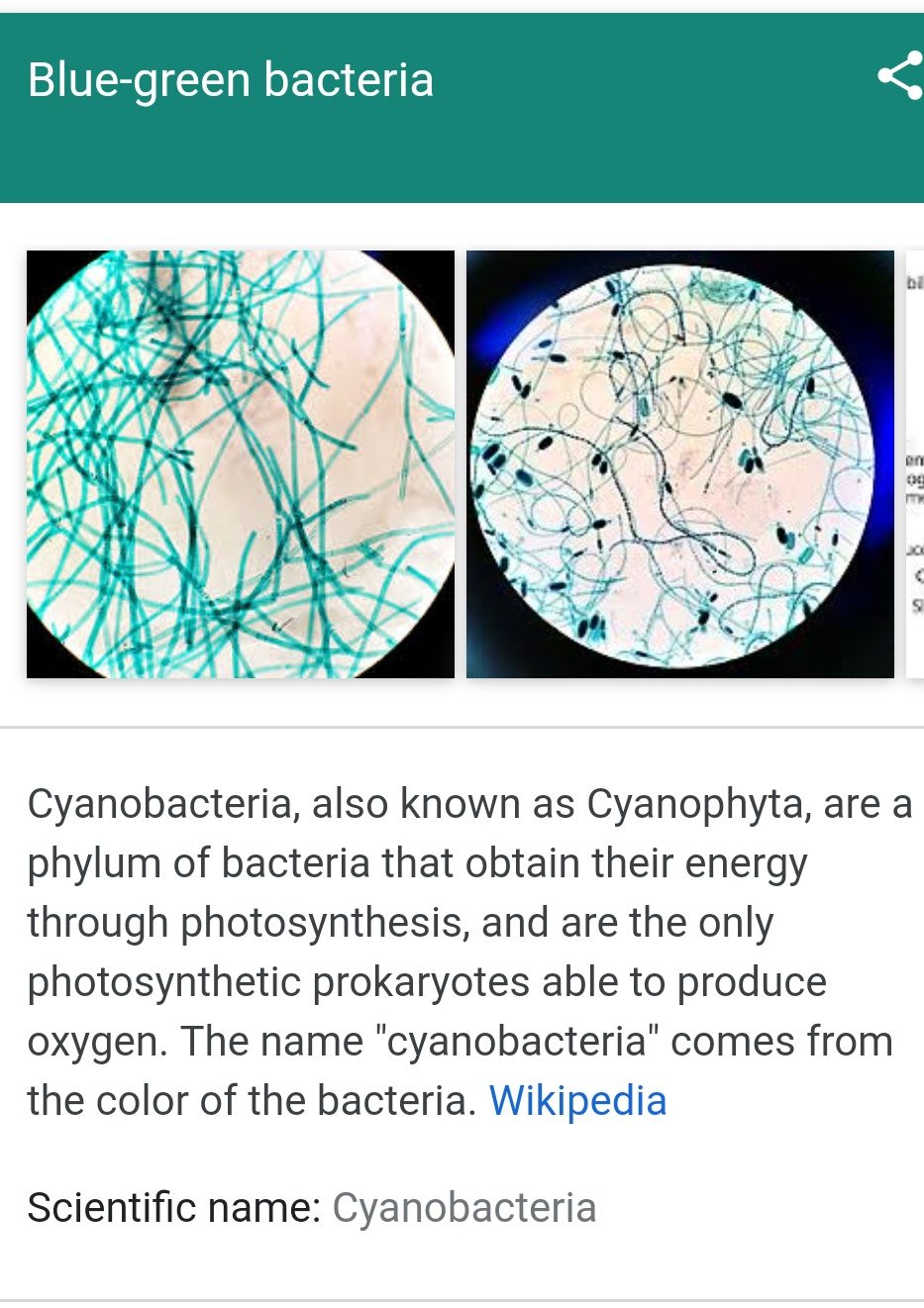
Cyanobacteria are
Photoheterotrophs
Photoautotrophs
Chemoautotrophs
Chemoheterotrophs
High G+C and Low G+C bacteria are both Gram
(a)
Which domain has organisms that live in harsh environments?
Bacteria
Archaea
Both
Which domain has DNA with no histone proteins?
Bacteria
Archaea
Eukarya
Which of the following statements is not true?
Archaea and bacteria have different membrane lipids.
Both archaea and bacteria generally lack membrane-enclosed organelles
The cell walls of archaea lack peptidoglycan
Only bacteria have histones associated with DNA.
Which of the following makes archaea different from bacteria?
absence of peptidoglycan
two chromosomes
existence of organelles
aerobic
Archaean cell membranes have (a) linkages.
In this supergroup, many species lack plastids, have reduced mitochondria because they live in anaerobic environments, and have unique flagella.
SAR
Excavata
Archaeplastida
Unikonta


Plasmodium, a protist parasite causing malaria, is classified in the phylum
Ciliophora
Apicomplexa
Rhizopoda
Euglenophyta
Apicomplexans are known for what? Select all that apply
Absorbing food with a pseudopod
Living inside of a host cell
Having a collection of organelles bundled towards one end of the cell
Having more or more flagella to aid in traveling through a host
Excavata are known for what? Select all that apply
Absorbing food with a pseudopod
Living inside of a host cell
Having a collection of organelles bundled towards one end of the cell
Having more or more flagella to aid in traveling through a host
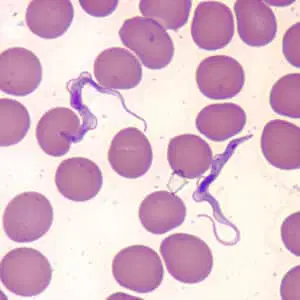
Identify the protist.
Nematode
Apicomplexan
Excavata

Identify the protist.
Nematode
Apicomplexan
Excavata

Identify the protist.
Nematode
Apicomplexan
Excavata
Parasitic worms that cause infection
protozoa
prions
fungi
helminths
In general, how are helminth infections transmitted?
arthropod vectors
healthcare acquired infections
inhalation of spores
ingestion of eggs
In general, how are helminth infections diagnosed?
serum samples
presence of eggs in feces
appearance of rash
biochemical tests
Nematodes are long and thin (a) worms
Cestodes are large (a) worms
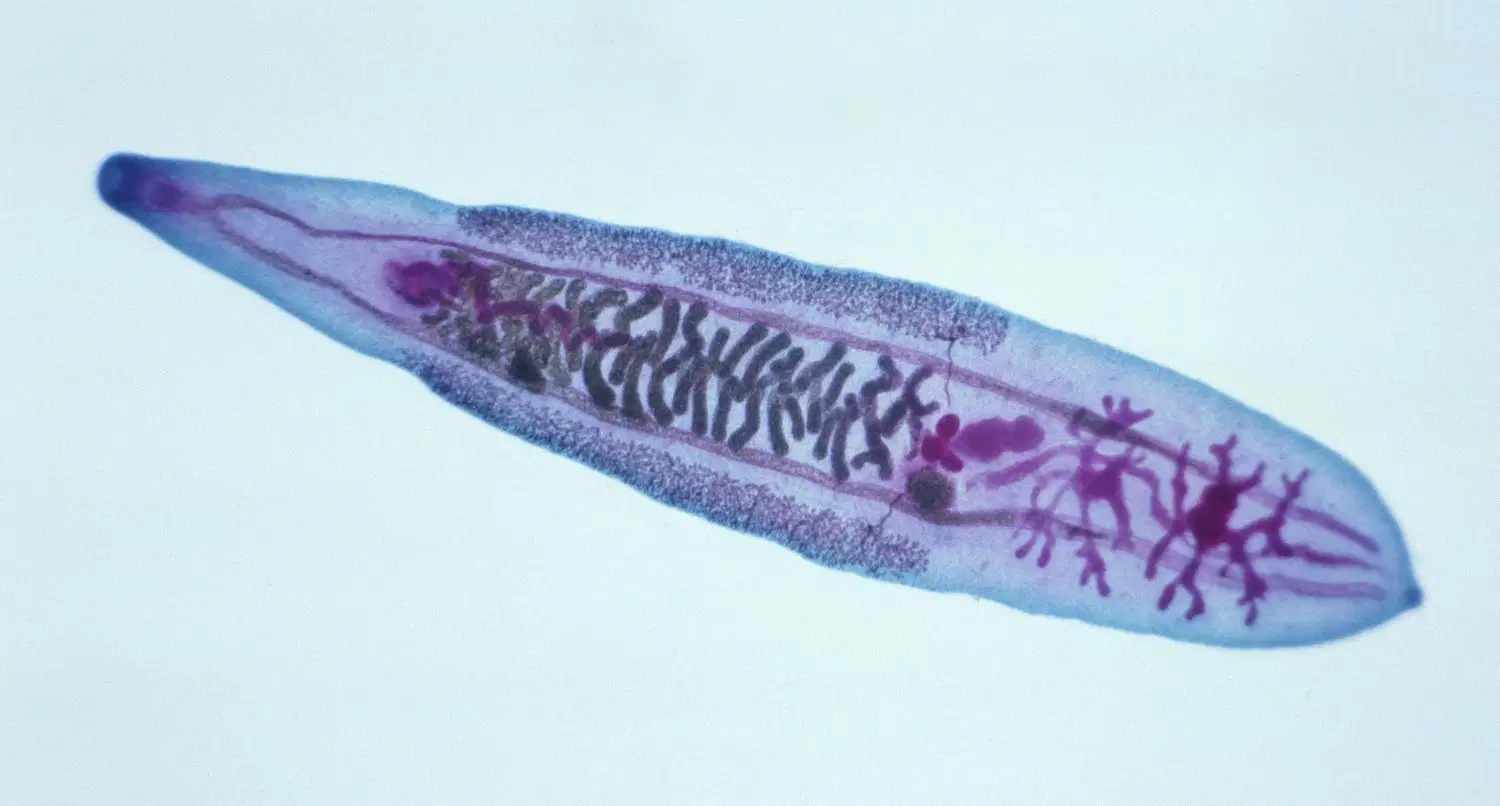
Identify the worm pictured
Nematode
Trematode
Cestode
Apicomplexan

Identify the worm pictured
Nematode
Trematode
Cestode
Apicomplexan
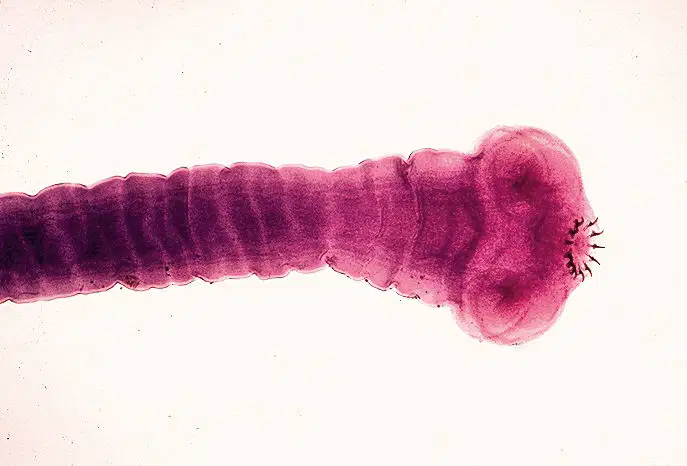
Identify the worm pictured
Nematode
Trematode
Cestode
Apicomplexan
Fungi's cell wall is made of
(a)
What unique chemical is found in fungal cell membranes?
(a)
These are obligate intracellular parasites that lack mitochondria.
Apicomplexa
ciliates
dinoflagellates
Microsporidia

Which of the following are the identifying characteristics of a dinoflagellate?
Unicellular, cilia, nucleus
Unicellular, two flagella, cellulose plates
Unicellular, multiple flagella
Multicellular, nucleus, cell wall
Genetic material found in virus
DNA
RNA
BOTH
NON OF THE ABOVE
Viruses have a protein shell called a
(a)
A structural component that is found in ALL virions is:
Tail fibers
Capsid
DNA
envelope
A lipid membrane which surrounds some virions is a(n)
envelope
capsid
nucleocapsid
glycoprotein spike
Which of the following infectious agents do not have nucleic acid (DNA or RNA)?
Protozoa
Prions
Bacteria
Viruses
Which of the following is true regarding viral spikes? (choose all that apply)
they are often made of protein and carbohydrates
they are located inside the capsid
they may act as antigens to trigger an immune response
they may help the virion attach to host cells
Which of the following is TRUE regarding growing viruses? (choose all that apply)
they must be grown in living cells
they can be grown in beef broth media
some can be grown in cell culture
some can be grown in eggs
When a viral infection causes cells to be sick or die, this is called
viral sick day
lysogenic effect
capsid toxicity
cytophathic effect
In retroviral infections, what happens to the DNA complement that is made from the RNA genome?
the DNA complement acts as a toxin in the host cells
the DNA complement is packaged into new retroviral virions
the DNA complement is used to make more proteins
the DNA complement integrates into the host DNA
After infection with chicken pox, the virus remains asymptomatic in the body for years before reactivating to cause shingles. This form of dormancy is called
oncogenesis
persistant infection
latency
acute infection
An infectious, misfolded protein is a
virion
prion
denaturion
phage
Prion diseases primarily affect the
gastrointestinal system
respiratory system
vascular system
brain/neurological system
Which of the following are TRUE of prion diseases? (select all that apply)
prion proteins are inactivated by irradiating the DNA genome of the prion
prion proteins clump together to form holes/sponginess in the brain
prion proteins are easily inactivated with heat
PrP ^Sc is the misfolded infectious form of the normal cellular PrP protein
prion diseases affect animals and humans
During a virus replication cycle, new virions get their envelopes when (select all that apply)
they bud into the plasma membrane to be released from the cell
bind to the plasma membrane for entry
they bud into organelle membranes
synthesize their DNA in the nucleus
In general, animal viruses can only infect cells if the virus can
inject it's DNA/RNA into the cell
cause cancer
bind to receptors on those cells
cause lysis of those cells
A positive EIA test result
(a)

