
 Worksheets
Mod 8 nutrition
Total questions: 114
Worksheet time: 57mins
Which statement best defines organic food in regulatory terms?
Raised with certified humane animal treatment only
Produced with minimal packaging and transport
Grown without synthetic pesticides or fertilizers
Cultivated using hydroponic nutrient solutions exclusively
Which practice is not permitted in organic farming standards?
Composting of plant residues
Crop rotation for soil health
Mechanical weed removal
Routine use of synthetic herbicides
Which benefit is commonly cited for GMO crops in agriculture?
Improved pest resistance lowering losses
Guaranteed higher vitamin content always
Elimination of all pesticide applications
Universal increase in soil biodiversity
Which risk is most discussed regarding GMO adoption?
Potential gene flow to wild relatives
Immediate extinction of pollinators
Automatic eradication of soil microbes
Inevitable human toxicity after one meal
How does GMO use typically relate to pesticide use?
Herbicide-tolerant crops can increase herbicide use
All GMO crops eliminate insecticide applications
GMOs always reduce every pesticide category
GMOs are unrelated to any pesticide decisions
Which term correctly describes organisms carrying DNA from another species via modern techniques?
Transgenic organism
Polyploid organism
Autogamous organism
Clonal organism
Which option distinguishes bioengineered foods from traditional selective breeding?
Use of recombinant DNA to introduce specific traits
Selection of favorable phenotypes from landraces
Controlled pollination without foreign genes
Crossing within species over multiple generations
Which concern is reasonable for supplement use in healthy individuals?
Risk of excessive intake causing toxicity
Guaranteed prevention of all chronic disease
Replacement for balanced meals and sleep
No interaction with prescription medications
Which side effect is associated with overdosing common supplements like fat-soluble vitamins?
Complete immunity to infectious diseases
Enhanced athletic performance uniformly
Instant cure for micronutrient deficiencies
Hypervitaminosis with organ dysfunction
Which statement best defines GLP-1 in human physiology?
A mineral cofactor required for DNA synthesis
A hepatic enzyme that detoxifies xenobiotics
A structural muscle protein improving contraction
An incretin hormone that enhances insulin secretion
Which therapeutic use is supported for GLP-1 receptor agonists?
Universal replacement for lifestyle change
Primary treatment for bacterial infections
Instant cure for autoimmune disorders
Weight loss and glycemic control in diabetes
Which adverse effect is commonly reported with GLP-1 agonist therapy?
Nausea and gastrointestinal discomfort
Unavoidable severe hypoglycemia always
Permanent kidney failure in everyone
Acute anaphylaxis in all patients
Which shared feature characterizes healthy dietary patterns?
Emphasis on whole plant foods and variety
Exclusive reliance on high-protein supplements
Preference for ultra-processed snack products
Strict elimination of all carbohydrates daily
Why might consumers prioritize certain foods to buy organic?
Foods with peels never exposed to contaminants
Staple grains that are always pesticide-free conventionally
Items where organic certification ensures added sugar content
Produce with higher pesticide residues when conventionally grown
Which practice is prohibited in certified organic farming standards?
Hand weeding between rows
Rotating crops seasonally
Using composted plant residues
Applying artificial fertilizers to fields
Which statement best describes GMO status in organic certification?
Genetically engineered crops cannot be labeled organic
GMO crops are allowed if pesticide-free
Organic certification requires GMO disclosure only
GMOs are permitted with reduced herbicide use
Which substance is listed as prohibited in organic food production?
Irrigation using freshwater canals
Mulching with straw residues
Naturally aged manure applications
Sewage sludge used as fertilizer
Which item from the list is generally disallowed in organic farming?
Manure composting and bedding management
Probiotics added to animal feed
Pasture-based livestock rotations
Antibiotics or growth hormones for farm animals
Which method is not permitted for producing certified organic foods?
Drying grains under heated air
Fermentation to preserve vegetables
Thermal pasteurization of milk
Food irradiation to kill pathogens
Which statement about pesticide allowance in organic farming is accurate?
Most synthetic pesticides are disallowed
All pesticides are strictly prohibited
Only organophosphates are permitted
Synthetic pyrethroids are required
Pyrethrins used in some organic systems are best described as:
Naturally occurring compounds from chrysanthemum plants
Synthetic analogs derived from petroleum feedstocks
Engineered proteins expressed in transgenic corn
Metal-based salts produced via industrial electrolysis
Which synthetic substances may be used in organic food production under specific conditions?
Carbamates for broad-spectrum insect control
Chlorine and hydrogen peroxide for sanitation
Neonicotinoids for pollinator management
Atrazine and glyphosate for weed control
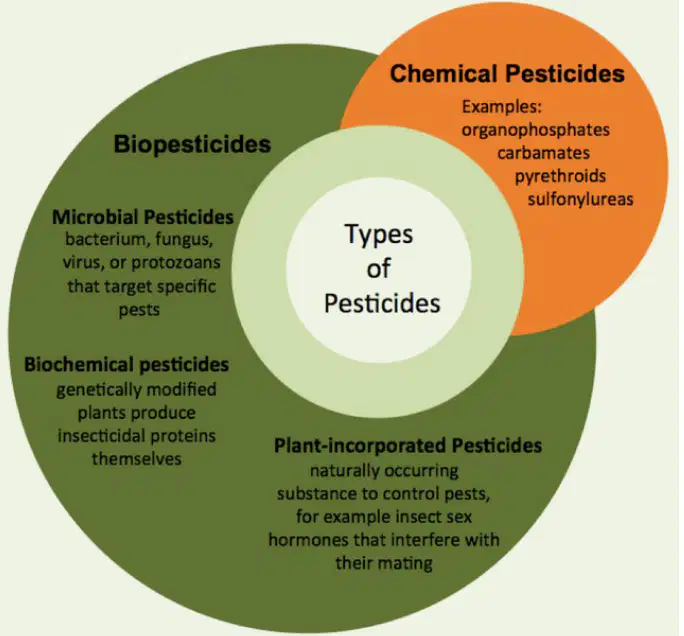
Which grouping correctly distinguishes pesticide categories shown in the diagram?
Microbial pesticides are engineered mammalian hormones
Biochemical pesticides are purely synthetic compounds
Chemical pesticides include plant-incorporated protectants
Biopesticides include microbial and biochemical types
Which herbicide is widely used and has been linked to cancer risk in people?
Glyphosate marketed as RoundUp
Atrazine applied to cornfields
Paraquat sold as Gramoxone
2,4-D used in turf care
Which herbicide has evidence of causing mutations in amphibians?
Atrazine with amphibian impacts
Dicamba with tree defoliation
Glyphosate with bee declines
Carbaryl with fish die-offs
Which insecticide class is banned in the EU and associated with pollinator declines in the US?
Neonicotinoids affecting bees
Pyrethrins from chrysanthemums
Organophosphates targeting nerves
Sulfonylureas inhibiting weeds
Most food produced and consumed in the United States is:
Automatically pesticide-free
Partially organic by default
Fully certified organic
Not certified organic
Which statement reflects the source of most pesticides allowed in organic systems?
They come from natural sources and are not synthetic
They are radioisotopes sterilizing soil pathogens
They are engineered molecules optimized for stability
They are heavy metals derived from mining operations
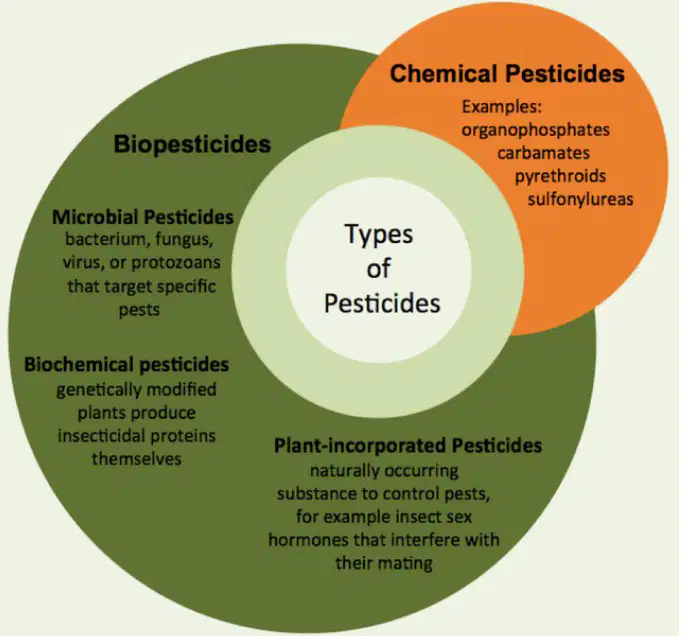
Plant-incorporated protectants described in the diagram are best characterized as:
Radiation-induced mutations increasing pest resistance
Engineered antibiotics enhancing crop immunity
Synthetic organophosphates blocking acetylcholinesterase
Naturally occurring substances that disrupt pest mating
Which statement best describes glyphosate occurrence in foods?
Common in non-organic, lower in organic
Only in organic, absent in conventional
Absent in both organic and conventional
Only appears after cooking processes
What public health concern is primarily associated with glyphosate exposure?
Vitamin deficiency syndromes
Immediate viral infections
Autoimmune cure claims
Links to several cancers
Why might organic produce still contain trace glyphosate?
Field cross-contamination
Intentional organic spraying
Natural plant synthesis
Packaging leaches glyphosate
In 2018, a jury decision involving Roundup awarded damages to which individual?
Robert Bayer
Henry Monsanto
Rachel Carson
Dewayne Johnson
Which reasoning best explains litigation against Monsanto and Bayer over Roundup?
Failure to warn of risks
Patent theft disputes
Pricing collusion schemes
Export tariff violations
A cereal brand listed with measurable glyphosate is most likely from which company group?
Local farm co-ops
Non-food chemical firms
General Mills brands
Artisanal organic mills
Which scenario most plausibly increases glyphosate cross-contamination in organic fields?
Adjacent conventional spraying
Seed genetic drift alone
Irrigation with distilled water
Hand weeding practices
Which statement best captures the challenge of keeping chemicals out of the food supply?
Strict organic certification
Ubiquitous herbicide use
Limited transport networks
Seasonal plant dormancy
Which statement best describes a health-related benefit of choosing organic foods?
Complete absence of any pesticide residues
Lower average pesticide residues in produce
Elimination of all heavy metals in crops
Guaranteed zero microbial contamination risk
Which nutrient is commonly reported as higher in some organic foods?
Sodium levels in leafy greens
Vitamin C concentration in fruits
Trans fat content in oils
Cholesterol levels in vegetables
Reducing pesticide applications on farmland most directly supports which ecological outcome?
Elimination of plant-microbe interactions
Enhanced biodiversity and pollinator protection
Immediate increase in crop yield per acre
Rapid soil salinization and erosion
Which trade-off is most associated with organic food production?
Higher consumer prices due to production costs
Lower production costs with government subsidies
Uniform prices across organic and conventional
Reduced labor needs in organic farming
Why can organic food reduce equitable access to nutrition in the US?
Organic labeling restricts distribution
Seasonal availability eliminates choice
Limited fiber content reduces health value
Higher retail prices limit affordability
A shopper wants to support pollinators through diet choices. Which purchasing behavior aligns with that goal?
Selecting organic produce regularly
Buying only imported conventional fruit
Choosing ultra-processed snack foods
Avoiding fruits with edible peels
Which explanation best links nutrient content and organic practices?
Nutrients are unrelated to farming practices
All crops have identical nutrient profiles
Organic foods lack essential micronutrients
Some crops show higher iron and magnesium
Consider a community program aiming to improve nutrition for low-income families. Which barrier may arise when prioritizing organic options?
Loss of access to local markets
Excess protein intake from organics
Budget constraints from higher prices
Mandatory dietary restrictions on sugar
Which misconception about organic food is most accurate to correct?
Organic foods always taste less flavorful
Organic foods can still contain some residues
Organic foods are completely synthetic products
Organic foods guarantee higher calories
A policymaker aims to protect pollinators without raising food prices sharply. Which strategy balances these goals?
Incentivize integrated pest management practices
Ban all conventional farming immediately
Mandate only imported organic products
Subsidize premium packaging for organics
Which produce category is generally safer to buy non-organic due to lower pesticide residues and protective peels?
Any fruit if thoroughly rinsed
Clean 15 items with hard peels
Dirty Dozen items with thin skins
Leafy greens regardless of peel
What is the main reason to prioritize buying organic for the Dirty Dozen?
They have thick peels that are discarded
They are consumed with skins and higher residues
They are grown with minimal pesticides
They are rarely eaten raw
Which practice best reduces pesticide residue on produce at home?
Scrubbing with dish soap
Washing well with water only
Soaking in bleach solution
Peeling without rinsing first
A shopper has limited budget. Which plan most effectively prioritizes organic purchases?
Buy Clean 15 organic, Dirty Dozen non-organic
Buy Dirty Dozen organic, Clean 15 non-organic
Randomly alternate organic and non-organic
Buy all produce non-organic to save money
Which statement best explains why washing cannot eliminate all pesticides?
Pesticides evaporate with water
Residues are only on seeds
Chemicals can penetrate skins and pulp
Rinsing spreads residues to other foods
Which item is most likely on the Clean 15 and acceptable to buy non-organic?
Apple consumed with peel
Spinach leafy greens
Strawberry with soft skin
Avocado with thick peel
Which guideline is most appropriate regarding soap use when washing produce?
Use antibacterial soap to remove residues
Soap is required for thick-skinned fruits
Avoid soap because it can penetrate food
Use scented soap for better cleaning
Which statement best defines genetic engineering in living organisms?
Techniques that accelerate natural selection in populations
Processes that adjust environmental conditions for adaptation
Methods that change diet to influence physical characteristics
Technologies that alter genetic makeup to produce traits
What is the immediate result when genetic engineering alters an organism’s DNA?
A new species emerges spontaneously
All harmful mutations are repaired
The organism becomes sterile and nonviable
A genetically modified organism is produced
Which claim about GMOs and health is supported by current evidence?
Conclusive data proving all GMOs are unsafe exists
Little evidence of adverse health impacts exists
Clear links to widespread toxic reactions exist
Strong proof of severe nutritional deficiencies exists
How long have GMOs been present in the human food supply?
About 5 years in limited trials
Over 20 years of widespread use
Less than 2 years in experimental settings
Exactly 10 years in select markets
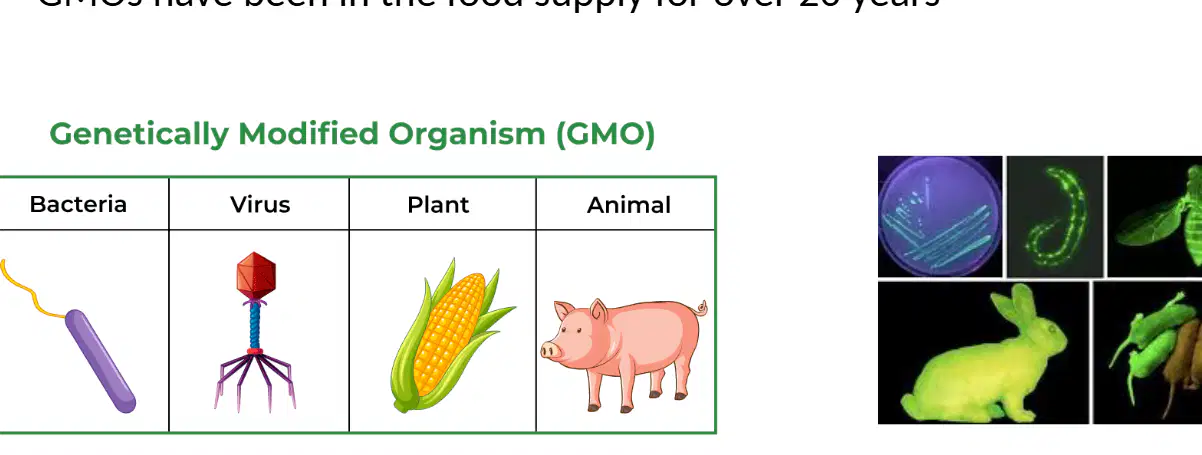
Which organisms can be genetically modified, based on typical examples?
Bacteria, viruses, plants, animals
Only bacteria and fungi
Only plants and mammals
Only vertebrate animals
Which statement accurately describes a gene?
A DNA segment encoding proteins
A lipid molecule storing energy
A carbohydrate unit controlling growth
An RNA-only template for sugars
Which role do genes play in an individual’s traits?
They eliminate all variation
They determine characteristics
They dictate only external color
They control diet and behavior
Which is a relevant gene-controlled trait in crop plants?
Basic cellular respiration
Presence of mitochondria
Ability to photosynthesize
Resistance to pests
In genetic engineering, which actions can be performed on genes?
Heated, cooled, or compressed
Exposed, painted, or weighed
Duplicated, fossilized, or aged
Added, deleted, or silenced
Which scenario illustrates transgenics most directly?
Transferring a gene from one organism to another
Selecting taller plants over many generations
Allowing random mutations during breeding
Changing growth by altering soil nutrients
A frost-resistance gene from an Alaskan plant is moved into oranges. What is the intended outcome?
Elimination of all plant pathogens
Reduced crop damage during cold periods
Enhanced sweetness in warm seasons
Increased fruit size in tropical climates
Which organism provides the Bt gene used for insect resistance in crops?
Tobacco mosaic virus
Saccharomyces cerevisiae yeast
Bacillus thuringiensis bacterium
Escherichia coli commensal
Why does inserting the Bt gene into corn reduce chemical insecticide use?
The plant repels all vertebrate herbivores
The plant stops growing during insect seasons
The plant becomes invisible to insects at night
The plant produces its own insecticidal proteins
Which outcome best distinguishes traditional breeding from genetic engineering?
Environmental enrichment to improve yield
Nutrient supplementation to change flavor
Long-term selection through crossbreeding
Direct DNA alteration to produce traits
Which statement about gene segments and proteins is correct?
Lipids encode proteins that determine nucleotides
Proteins encode genes that copy DNA
Genes encode proteins that influence traits
Carbohydrates encode genes that make enzymes
Which statement best characterizes the extent of genetic changes introduced by modern genetic engineering in plants?
Doubles the entire plant genome
Adds roughly 1–10 foreign genes
Replaces thousands of native genes
Removes most existing gene families
During cooking and digestion, what happens to most dietary DNA from foods?
Stored intact in the small intestine
Integrated unchanged into human cells
Destroyed or degraded into nucleotides
Converted into functional human genes
Selective breeding and hybridization primarily change species by doing what?
Halting natural selection
Preventing recombination events
Erasing ancestral mutations
Producing new trait variations
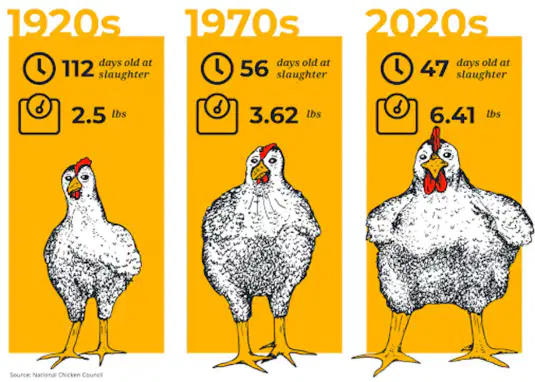
Which example illustrates long-term outcomes of selective breeding in livestock?
Chickens grow slower overall
Modern broilers mature faster
Body mass decreased over time
Feeding behavior became extinct
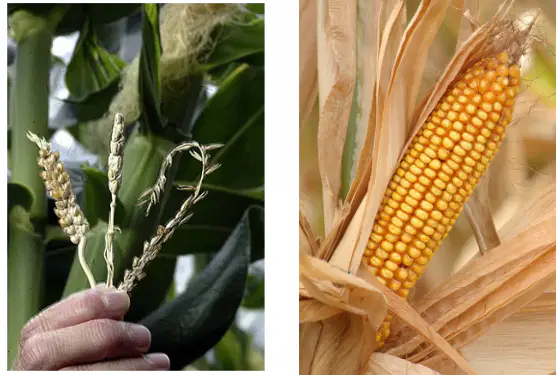
Hybridization in crops like corn typically results in which outcome?
Novel combinations of traits
A single uniform genotype
Complete loss of diversity
Immediate speciation events
Why is defining GMO for consumer labeling considered challenging?
Many modification methods exist
Genomes never change over time
Labels require clinical trials
All foods are purely wild types
What is the USDA’s intent behind introducing the term “bioengineered” for food labels?
Restrict all crop breeding
Increase transparency for consumers
Eliminate laboratory research
Replace nutritional information
According to the USDA, when is a food considered bioengineered?
Hybrid produced without lab tools
Trait derived from natural mutation
Variation from selective breeding
Genome altered via lab procedure
Which labeling element may accompany bioengineered foods under USDA rules?
Clinical risk score chart
Text, symbol, or digital link
Genotype sequence listing
Mandatory red warning label
Which statement contrasts genetic engineering with selective breeding most accurately?
Breeding avoids creating new traits
Breeding edits entire genomes directly
Engineering adds few specific genes
Engineering removes natural recombination
Which misconception is corrected by evidence about dietary DNA?
Humans absorb whole foreign genes
Cooking degrades DNA substantially
Nucleotides cannot be broken down
Food DNA survives digestion intact
A plant genome may contain around 30,000 genes. Genetic engineering typically adds how many foreign genes?
About 1,000–2,000 genes
Roughly 10,000 genes
Approximately 1–10 genes
None; only deletions occur
Which scenario would NOT meet the USDA definition of bioengineered?
Trait from traditional hybridization
Gene inserted using CRISPR in vitro
Transgene added via transformation
Genome edited through lab reagents
Humans have modified crops and livestock for millennia. What is the consequence of this history?
Modern varieties reflect these changes
All present-day species remain wild
Genomes reverted to ancestral states
Selective breeding stopped evolution
Which best describes the relationship between selective breeding and genetics?
It alters allele frequencies
It eliminates recombination entirely
It prevents new trait combinations
It creates only environmental changes
Which global health issue was golden rice designed to address?
Vitamin A deficiency in children
Vitamin C deficiency in infants
Iron deficiency in adults
Iodine deficiency in coastal populations
In what year was golden rice first created to enhance rice nutrition?
1999 based on beta-carotene genes
1984 using early transgenic methods
2007 after CRISPR breakthroughs
2012 via marker-assisted selection
Which statement best describes how golden rice provides nutritional benefit?
It produces a vitamin A precursor for conversion
It synthesizes active vitamin D directly
It increases starch content for more calories
It adds minerals through soil absorption
Which organization estimated that hundreds of millions of children are affected by vitamin A deficiency?
World Health Organization estimate cited
United Nations Development Programme
Centers for Disease Control and Prevention
Food and Agriculture Organization
Which is a key reason golden rice has not been widely cultivated yet?
Opposition led to delays despite safety reviews
Lack of arable land prevented production
Insufficient consumer demand for rice
Unstable genes caused rapid trait loss
Which benefit can result from insect-resistant GMO crops for farmers and consumers?
Reduced pesticide applications and higher yields
Elimination of all crop diseases worldwide
Reduced irrigation even in droughts
Increased pesticide use and lower yields
Which modification directly targets longer market availability of produce?
Genes that increase seed dormancy time
Genes that enlarge leaf surface area
Genes that fix atmospheric nitrogen
Genes that improve shelf-life of foods
How can GMOs help make food supplies more robust to climate change?
Replacing crops with ornamental species
Switching all farms to greenhouse systems
Reducing crop genetic diversity overall
Introducing resistance to freezing or drought
Which nutritional strategy is exemplified by golden rice within GMO development?
Fortification by adding biosynthetic pathways
Dilution by increasing water content
Substitution by removing carbohydrate genes
Bioaccumulation through heavy metal uptake
Which goal involves altering crops to reduce adverse immune reactions in some consumers?
Adding caffeine for pest deterrence
Boosting chlorophyll for faster growth
Increasing lignin to strengthen stems
Removing allergens through genetic changes
In the United States, which crops have the highest acreage planted with GM varieties according to the figure?
Cotton, sugar beet, and soybean
Papaya, alfalfa, and summer squash
Canola, apple, and eggplant
Pineapple, potato, and salmon
What do the labels IR, HT, DT, and VR represent for GM crop traits?
Increased respiration, herbicide toxic, dry tolerant, viral responsive
Immune reactive, heat tolerant, disease tolerant, vascular resistant
Insect resistant, herbicide tolerant, drought tolerant, virus resistant
Insect repellent, herbicide treated, dry-treated, virulent resistant
Which crop in the figure is primarily grown for virus resistance among its GM traits?
Alfalfa varieties with HT traits
Cotton varieties with IR traits
Soybean varieties with HT traits
Papaya varieties with VR traits
Which statement best compares GMO and non-GMO fruits shown with bite marks?
GMO fruits invariably contain fewer vitamins overall
GMO traits can reduce pest damage, preserving quality
Non-GMO fruits never suffer from bruising or rot
Non-GMO fruits always taste better than GMO fruits
Which list includes examples noted as less common GM organisms in the U.S.?
One apple variety and pink-fleshed pineapple
Multiple wheat cultivars and rice varieties
Several orange and banana cultivars
Common tomato and lettuce varieties
Which statement best reflects current scientific consensus on consuming GMOs?
No evidence of adverse health effects exists
Long-term harms are conclusively established
All GMOs cause allergenic reactions in humans
Safety depends solely on pesticide residue levels
What personal action is recommended when deciding whether to eat GMO foods?
Choose foods with the most vivid labels
Do research and consult literature
Avoid all processed foods entirely
Rely only on product advertisements
The Flavr Savr tomato was engineered primarily to alter which process?
Seed germination timing after storage
Photosynthetic rate under low light conditions
Sugar transport from leaves to fruits
Fruit softening by PG-mediated pectin breakdown
Polygalacturonase (PG) in tomatoes normally contributes to what outcome during ripening?
Cell wall pectin degradation and softening
Increased chlorophyll synthesis in pericarp
Enhanced ethylene biosynthesis in seeds
Greater starch accumulation in placental tissue
Which genetic strategy reduced PG activity in Flavr Savr tomatoes?
CRISPR deletion of ethylene receptors
Overexpression of cellulose synthase
Antisense suppression of the PG gene
Insertion of a Bt toxin gene
A key consumer benefit intended for Flavr Savr tomatoes was:
Extended shelf life with firmer texture
Higher vitamin D content per serving
Resistance to herbicide glyphosate
Improved frost tolerance during shipping
Bt corn expresses proteins derived from which organism to deter pests?
Arabidopsis thaliana plant
Saccharomyces cerevisiae yeast
Bacillus thuringiensis bacterium
Drosophila melanogaster insect
In Bt corn, the Cry protein targets which pest group most directly?
Hemipteran sap-sucking bugs
Adult beetles living in soil
Nematodes parasitizing roots
Lepidopteran larvae feeding on leaves
Herbicide-tolerant GMO corn is primarily modified to withstand:
Low-nitrogen soils in temperate regions
High-salinity irrigation water in fields
Specific herbicides applied for weed control
Virus infection during pollination
Which comparison correctly distinguishes Bt corn from conventional corn?
Requires more foliar insecticide sprays
Has larger kernels due to extra starch
Produces insecticidal proteins internally
Ripens faster due to altered ethylene
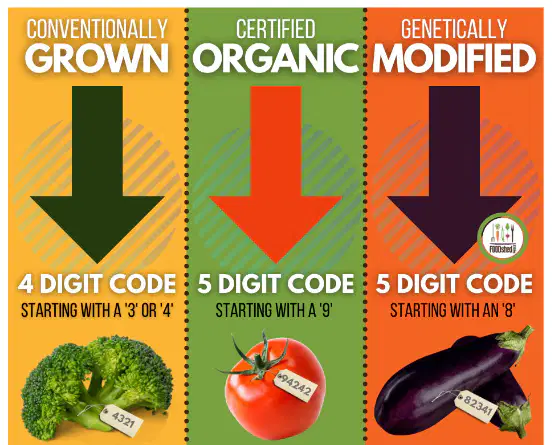
If a store PLU code begins with 8 and has five digits, what does that label imply?
Product classified as genetically modified
Locally sourced and fair-trade verified
Item certified as organic produce
Conventionally grown with standard inputs
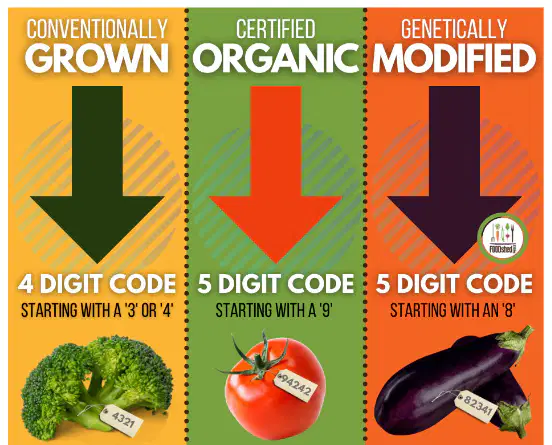
A shopper wants to avoid GMO produce. Which label strategy aligns with that goal?
Buy produce with brand logos only
Select items with no PLU stickers attached
Pick four-digit PLU codes starting with 3
Choose five-digit PLU codes starting with 9
Evaluate this claim: "Eating Bt corn is proven to harm human gut cells." What is the strongest evidence-based response?
No scientific evidence demonstrates adverse health effects
Several clinical trials show direct epithelial damage
Animal models consistently reveal acute toxicity
Case reports conclusively link Bt corn to ulcers
Reason through a policy choice: If a region faces high corn borer pressure, which GMO trait likely reduces insecticide use?
Delayed-ripening via PG suppression
High-lysine metabolic enhancement
Bt trait expressing Cry toxins
Herbicide tolerance to glyphosate
You must decide whether to buy a GMO tomato. Which reasoning process best supports a personal choice?
Trust only influencer opinions from social media
Buy whichever tomato has the lowest price
Assume all GMOs are dangerous and avoid them
Review peer-reviewed studies and make an informed decision

