
 Worksheets
Cardiovascular/Circulatory System and Skin
Total questions: 85
Worksheet time: 46mins


True Or False : Blood That Has Carbon Dioxide Goes Back To The Heart And Then To The Lungs
False
True
Blood cell that protect the body against infection
Platelets
Plasma
Hemoglobin
White Blood Cells
Blood
The fluid in which other parts of the blood are suspended
Platelets
Blood
Plasma
Hemoglobin
White Blood Cells
Types of cells in the blood that causes blood clots to form
Platelets
Blood
Plasma
Hemoglobin
White blood cells
The fluid that delivers oxygen, hormones, and nutrients to the cells and carries away wastes
Platelets
Blood
Plasma
Hemoglobin
White Blood Cells
The oxygen-carrying protein in blood
Platelets
Blood
Plasma
Hemoglobin
White Blood Cells
The process by which blood moves between the heart and the lungs
Pulmonary Circulation
Systemic Circulation
Respiration
Ventricles
The process by which blood moves between the heart and the body is
Pulmonary Circulation
Systemic Circulation
Respiration
Ventricles
These are between the atria and ventricles that allow blood to flow through the chambers
Valves
Atria
Ventricles
Septum
The lower two chambers of the heart
Valves
Atria
Ventricles
Septum
Small, thin blood vessels that carry blood to the tissue and deliver gases and nutrients to the cells
Arteries
Veins
Capillaries
Blood vessels that return blood to the heart
Arteries
Veins
Capillaries
Oxygen Poor blood enters the right atrium by the
Pulmonary veins
Superior and Inferior vena cavas
Pulmonary arteries
Aorta
What are the 3 main types of blood vessels?
Capillaries, veins, aortas
Capillaries, arteries, platelets
Capillaries, veins, platelets
Capillaries, veins, arteries
What is the atrium?
the bottom chamber of the heart
the right chamber of the heart
the left chamber of the heart
the upper chamber of the heart
What are the ventricles?
bottom left chamber of the heart
upper chambers of the heart
lower chambers of the heart
top right chamber of the heart
Oxygenated blood
leaves from left side of the heart
leaves from right side of the heart
does not leave the lungs
enters the lungs from the heart
Systematic circulation
carry blood to the left side of the heart
blood flows from the left side of the heart back to the right side.
carry oxygenated blood from lungs to heart
carry red oxygenated blood

Which blood cells transport oxygen and carbon dioxide?
Platelets
Red blood cells
White blood cells
Which blood cells repair damage to the body and stop you from bleeding?
Platelets
Red blood cells
White blood cells
Which blood cells defend your body from microorganisms and viruses?
Platelets
Red blood cells
White blood cells
What occurs in the capillaries?
Exchange of gases
multiplication of blood cells
elimination of carbon dioxide
These connect arteries and veins:
Valves
Capillaries
Ventricles
In pulmonary circulation blood is taken from...
the heart to the lungs, and back again.
the heart to the rest of the body.
the lungs to the rest of the body.
Where does the blood collect oxygen?
From the trachea
From the kidneys
From the lungs
Blood carrying carbon dioxide enters the heart through the ...
cava artery
vena cava
aorta
The heart sends oxygenated blood to the rest of the body through the aorta artery.
True
False
What are the types of blood?
A, B, C, D
B, C, D, AB
A. B, O, AB
O, B, AA, AB
The smaller of the heart chambers are the ____.
Atria
Ventricles
Valves
Iron
The larger of the heart chambers are the ____.
Atria
Ventricles
Valves
Iron
What helps the blood flow in one direction?
Arteries
Veins
Valves
Iron
What chamber of the heart pumps blood to the lungs?
Left Atrium
Left Ventricle
Right Atrium
Right Ventricle
What chamber of the heart pumps blood to the arms?
Left Atrium
Left Ventricle
Right Atrium
Right Ventricle
What chamber of the heart pumps blood to the right ventricle?
Left Atrium
Left Ventricle
Right Atrium
Right Ventricle
What chamber of the heart pumps blood to the left ventricle?
Left Atrium
Left Ventricle
Right Atrium
Right Ventricle
What side of the heart has oxygen rich blood?
Right
Left
What side of the heart has oxygen poor blood?
Right
Left
What blood vessels carry blood from the heart to the lungs?
Pulmonary Arteries
Pulmonary Veins
Aorta
Superior and Inferior Vena Cava
What blood vessels carry blood to the heart from the lungs?
Pulmonary Arteries
Pulmonary Veins
Aorta
Superior and Inferior Vena Cava
What blood vessels carry deoxygenated blood from the body to the heart?
Pulmonary Arteries
Pulmonary Veins
Aorta
Superior and Inferior Vena Cava
What blood vessel carries Oxygenated blood from the heart to the body?
Pulmonary Arteries
Pulmonary Veins
Aorta
Superior and Inferior Vena Cava
outermost layer of skin
epidermis
dermis
melanin
pore
A pigment that gives the skin its color
Dermis
Epidermis
melanin
pore
Structure in the dermis of the skin from which a strand of hair grows.
Follicle
dermis
vitamin D
melanin
middle layer of skin
Follicle
Epidermis
Dermis
melanin
Place the following layers of skin in order, from outermost to innermost: A) Dermis; B) Epidermis; C) Hypodermis
C A B
B A C
A B C
B C A
Where can you find dead skin cells?
Your innermost layer of skin
Your outermost layer of skin
The border between the epidermis and the dermis
The border between the dermis and the hypodermis

What layer of skin is this
Melanin
epidermis
dermis
hypodermis

What layer of skin is this
hypodermis
epidermis
dermis
pore

What layer of skin is this?
epidermis
dermis
hypodermis
melanin
Which is not a function of the skin
produces vitamin D
eliminates waste
stores calcium and phosphorus
helps regulate body temperature
middle layer of skin
Follicle
Epidermis
Dermis
melanin
Left ventricle
Left atrium
Right ventricle
Right atrium
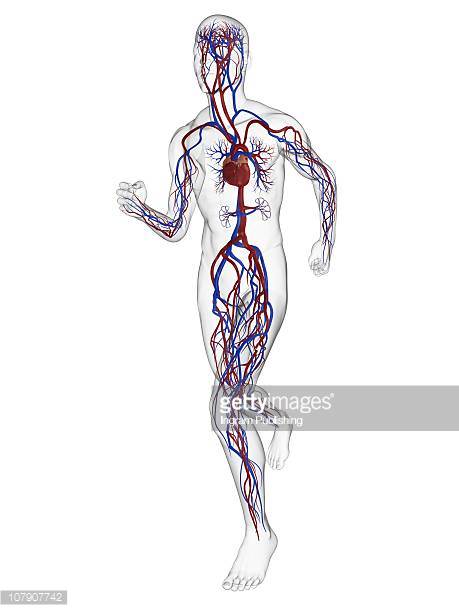
What is the main organ of the circulatory system?
small intestine
bone
lungs
heart

The job of the heart is to . . .
pump blood around the body.
send food to the small intestines.
break down food.
give energy to the body.
Deoxygenated blood means that the blood is low in...
Oxygen
Carbon Dioxide
Which of the following is not part of the circulatory system?
veins
heart
stomach
arteries
As the blood reaches the lungs, what is removed from the blood?
oxygen
carbon dioxide
red blood cells
white blood cells
What do we call the movement of blood through the heart and around the body?
circulation
digestion

