
 Worksheets
7E - Mixtures and separation - Review
Total questions: 45
Worksheet time: 34mins
Solutions are made up of...?
Solutes and insolubles
Solubles and solutes
Solutes and solvents
Solubles and solvents
If something is insoluble in water, it will not...
Separate after distillation
Dissolve in water
Dissolve in anything except water
Separate after filtration
In a solution of saltwater, what is the solute?
Water
Saltwater
Salt
There is no solute, it is insoluble
Which part of a filtration is the "filtrate"?
The filter paper
The solid material left in the funnel
The liquid that has gone through
The conical flask
What are the three types of mixtures?
Suspension, colloid and solution
Solution, solute and solvent
Colloid, insoluble and soluble
Distillate, colloid and suspension
When no more solid can be dissolved in a solution, it is now...?
Unsaturated
Full
Saturated
Soaked
Which of the following is filtration?


Which technique use to separate substances that dissolved in water?
Decantation
Physical Manipulation
Evaporation
Chromatography
How could you increase the concentration of a solution? (You can choose more than 1)
Add more solute
Add more solvent
Remove some solute
Remove some solvent

What is a combination of 2 or more substances that keep their identities?
physical property
mixture
physical change
chemical change

What is a mixture in which all the parts are EVENLY mixed?
energy
beaker
solution
salad

What is a mixture?
elements chemically combined
a combination of different substances
composed of one atom only
it is made of chemical

How are suspensions and colloids different?
Suspensions settle out and colloids do not settle.
Colloids settle out and suspensions do not settle.
Suspensions dissolve and colloids do not.
Colloids dissolve and suspensions do not.
Milk is an example of which type of mixture?
solution
suspension
colloid
compound
Adam makes coffee by mixing coffee and sugar into hot water. The coffee and sugar have dissolved completely. What type of mixture did Adam make?
Colloid
suspension
solution
compound

At 60 degrees Celsius, how much NaNO3 can be dissolved in 100g of water?
120 g
105 g
140 g
90 g
If Mohammed dissolves 25g of sugar into 200mL of water that has a mass of 200g, what is the mass of the new solution?
225 g
425 g
175 g
between 200 g and 225 g
Solubility is __________________________________.
the amount of solute that can be dissolved by the solution
the amount of solvent that can be dissolved by the solute.
the amount of solute that can be dissolved by the solvent.
In a SOLUTION, the ___________ is the one doing the dissolving.
Solubility
Solvent
Solute
Solution
How you would separate a saltwater solution which the water is collected?
Filtration – using filter paper
Distillation – vapor is collected
Evaporation – solution is boiled and remains are collected
Sieve – sifting (through a strainer)
Magnetism – separating using a magnet
To make a solute dissolve more quickly in a solvent, which would you do to make it dissolve the fastest?
Put it in cold water and stir it.
Put it in warm water and stir it.
Put it in warm water and just it.
Put it in cold water and just leave it.

What method is used to obtain salt from sea water?
a. decantation
b. sedimentation
c. evaporation
d. filtering
What factors affect the rate of evaporation?
Temperature only
Temperature and Wind only
Temperature, Wind and Surface Area
None of the above

Ink can be separated by a method of -----------------------------------------------
distillation
filtration
chromatography
sedimentation
Distillation is used to separate ______.
a liquid from its solution.
an insoluble solid from its solution.
a soluble solid from its solution.
Distillation is made up of ___.
evaporation, then condensation
condensation, then evaporation
boiling, then condensation
condensation, then boiling

A mixture of water (b.p. 100oC) and alcohol (b.p. 78oC) is separated. Which will be found in 8 first?
water
ethanol

How does the chromatography work?
It separates solvent from a solution
When vapour transfers to the condenser.
Substances separate as they travel in a mobile phases which passes through a stationary phase

What process is occurring at the point labelled X?
The process by which the substance changes from liquid to vapor.
The process by which the substance changes from gas to liquid.
A process where it separates two soluble liquid with a significant difference in their boiling point.
The process where solid changes to vapor.

What process is occurring at the point labelled Y?
Evaporation
Condensation
Sublimation
Crystallization
Which answer lists the two processes involved in distillation in the correct order?
Evaporation, then condensation
Condensation, then evaporation
Dissolving, then condensing
Evaporation, then dissolving
Name the separation method that causes wet clothes on a laundry line to dry
Chromatography
Filtration
Distillation
Evaporation
How can we separate an insoluble solid from a liquid?
chromatography
evaporation
filtration
condensation
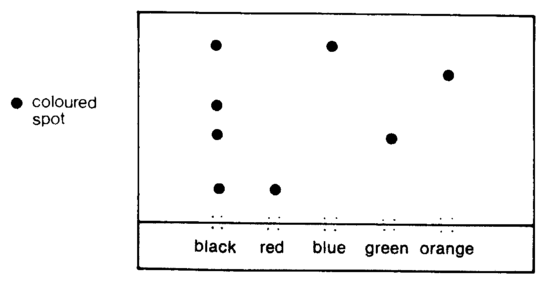
On the chromatogram given .................. is a mixture.
red
orange
green
black

The law of conservation of mass says substances can neither be _______ nor ___________.
Built; torn down
Blended together; separated
Created; destroyed
Condensed; extracted
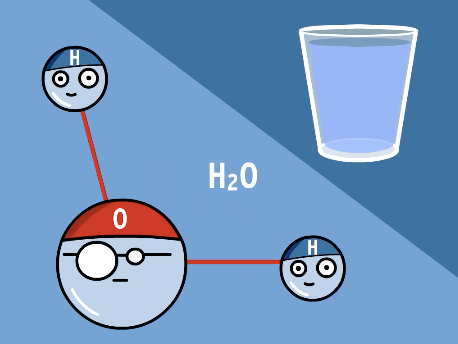
4 grams of hydrogen and 32 grams of oxygen will combine to form:
36 grams of water
28 grams of hydroxide
32 grams of oxygen
36 grams of deuterium
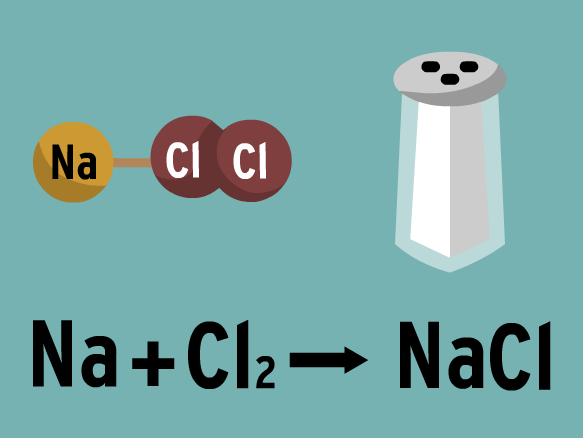
In a chemical reaction, 4 grams of sodium must combine with how many grams of chlorine to produce 10 grams of table salt?
4 grams
6 grams
8 grams
10 grams

