
 Worksheets
Year 5 First trimester Revision
Total questions: 111
Worksheet time: 58mins

(1) is the __________
Root
Leaf
Flower
Stem

(3) is the ___________
Root
Stem
Flower
Leaf

(2) is the _____________
Root
Stem
Flower
Leaf

(4) is the ________
Root
Stem
Leaf
Flower
In your opinion, which part of the plant attracts insects such as Bees and Butterflies?
Root
Stem
Leaf
Flower
Which part of the plant fixes it to the ground and absorbs ( take in ) water from the soil?
Root
Stem
Leaf
Flower

By wind
By animals
By water
By Explosion

By wind
By animals
By water
By Explosion

By wind
By water
By animals
By explosion

By wind
By water
by animals
by explosion
when seeds start to grow .........
reproduce
germination
dispersal
when pollen are moved from the anther of the male to the sticky stigma of another plant.
Germination
Pollination
Fertilisation
Reproduction
When pollen joins with the egg inside the ovary.
Germination
Fertilisation
Pollination
Insects are the only way of pollinating flowers.
True
False
Choose ALL the possible ways of seed dispersal
wind
water
animals and birds
Explosion
Wind can disperse seeds that are very lightweight.
TRUE
FALSE
Seeds that are dispersed by water are _________ so they float.
hollow from inside
Heavy
Big
When pollen move from the anther of the stamen to the sticky stigma of the carpel.
Germination
Reproduction
Fertilisation
Pollination
when a seed starts to grow into a tiny shoot and root.
Germination
Fertilisation
Pollination
Dispersal
When pollen move from the anther of the stamen to the sticky stigma of the carpel.
Germination
Reproduction
Fertilisation
Pollination
The Male part in the flower .........
Stigma
Stamen
Style
Carpel
The Female part in the flower ........
Stamen
Anther
Carpel
Petal
The seeds are formed in the ________
Style
Anther
ovary
The anther makes ...........
Ova
pollen
seeds
The ovary has _____________ inside
ovum
pollen
sepal
The green leaf like structure that surrounds the flower
Petals
sepals
leaves
The __________ supports the anther
stem
filament
stamen

What type of plant is this?
Flowering plants
Non Flowering plants

This plant reproduces by
Seeds from flowers
Seeds in cones
The purpose of seed dispersal is for the seeds to __________.
germinate at the same time
move to the same place and grow
move further away from the parent plant
compete with one another for minerals in the soil

How are coconuts dispersed?
by animals
by water
by wind
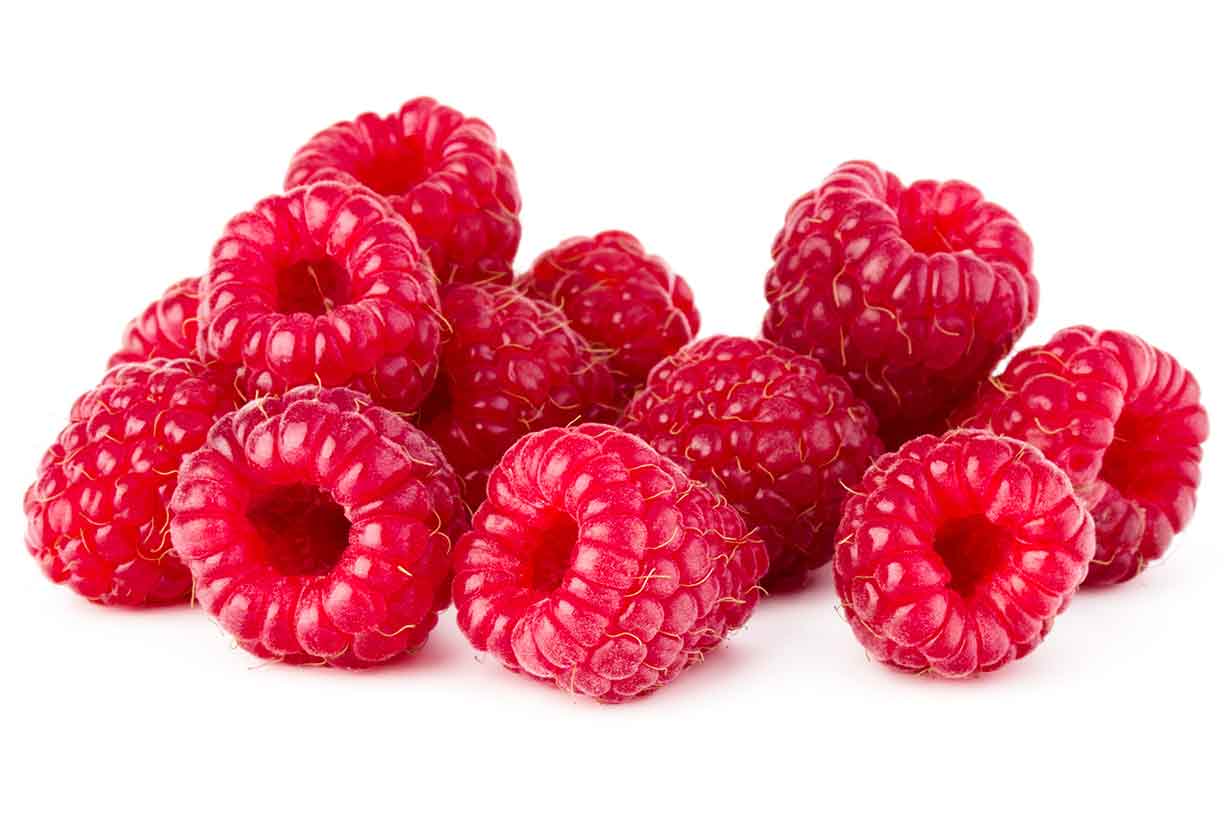
How are raspberries dispersed?
by animals
by explosion or bursting
by water
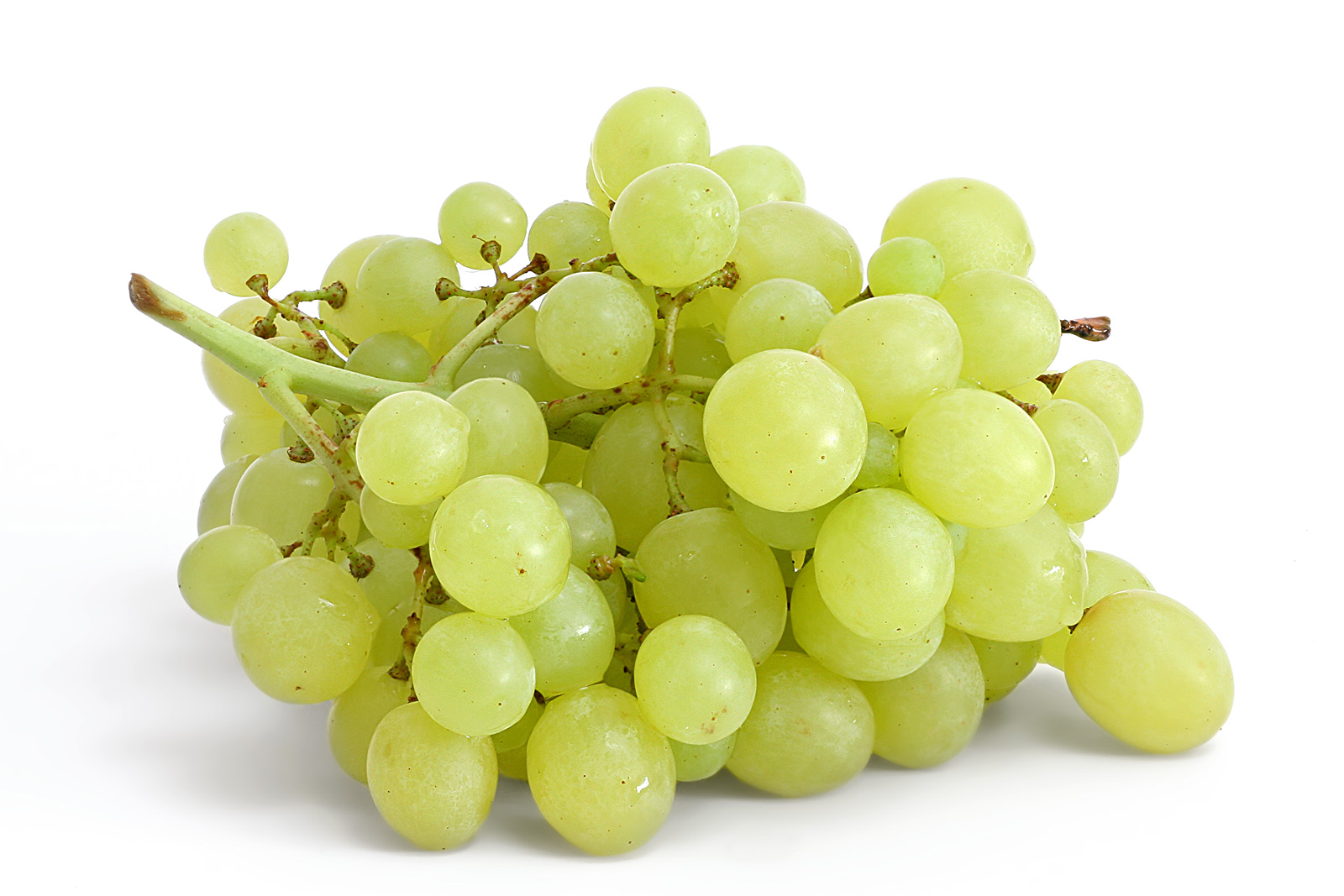
Why are grape seeds able to be dispersed by animals?
It is light and has wing-like structure
It is juicy and edible
It has a fibrous husk that makes it float
It has dry pods that split open

How are bur seeds dispersed?
By wind
By animal
By splitting
By water

How are shorea seeds dispersed?
By wind
By animal
By splitting
By water

What do seeds need to germinate ?
(You may select more than one answer)
Air
Warmth
Water
Light
Food
These help the plant to reproduce.
flowers
stems
leaves
roots

The yellow, powdery stuff on the anthers
Pollen
Dust
dirt
Germs

In the diagram below, which represents the male part of the flower?


Which of these are both male parts in the flower?
Stigma
Anther
Filament
Ovary

The function of the petal is to
attract pollintors
Egg production
Pollen production
How does this plant reproduce?
By Seeds
By Spores
Tick three objects in a gas state?
Helium
Juice
Air
Oxygen
A solid ________________
has a fixed shape
can flow
can be squashed easily
has no fixed volume
In which state are particles tightly packed?
Gas
Solid
Liquid
Liquids can flow because _____________
Particles are so tightly packed
particles can only vibrate slightly
particle can move more easily, they are not so tightly packed.
particles spread out easily in a _________ state
Solid
Liquid
Gas
Milk, Juice, water are ________
Solids
Liquids
Gases
Paper, glass, wood are _________
Solids
Liquids
Gases
Tick the state(s) that can flow and take the shape of the container
Solids
Liquids
Gases

Solid
Liquid
Gas

Solid
Liquid
Gas

Solid
Liquid
Gas
When a solid reaches the temperature of its _________, it becomes a liquid.
Melting Point
Freezing Point
Boiling Point
When a liquid reaches the temperature of its _________, It becomes a gas.
Melting Point
Freezing Point
Boiling Point
Ice melts at __________ o C
100
0
200
A ________________ is used in measuring temperature.
Balance
Scale
Thermometer
The freezing point of water is __________ o C
100
0
-1
Pure water Boils at ___________ o C
100
150
200
What happens at the freezing point of a substance?
a gas changes into a liquid
a solid changes into a liquid
a liquid changes into a solid
a liquid changes into a gas
When does condensation happen?
A solid turns into a liquid
a liquid turns into a solid
a gas turns into a liquid
a liquid turns into a gas

The ice cubes have melted
The ice cubes have condensed
The ice cubes have evaporated

The water has melted
The water has evaporated
The water has condensed
Spreading out the washed clothes on a line rather than folding them up allows them to dry faster?
True
False

It stays the same
It increases
It decreases

if the temperature is 30 o C.
what is the state of liquid B?
Solid
Liquid
Gas

The washed clothes will dry faster if ________
They are widely spread
During winter time
When the weather is calm
When does condensation happen?
A solid turns into a liquid
a liquid turns into a solid
a gas turns into a liquid
a liquid turns into a gas

It makes you see your breath on a cold day
Evaporation
Condensation
Melting
Freezing

It makes puddles dry up
Evaporation
Condensation
Melting
Freezing
The particles gain heat and move faster. {pick all possible answers}
Evaporation
Condensation
Melting
Freezing
The particles move closer together
Evaporation
Condensation
The particles move further apart
Evaporation
Condensation
The particles lose heat and move slower.
Evaporation
Condensation
Melting
Particles of liquid changes to a gas
Evaporation
Condensation
Melting
Particles of a gas change to a liquid
Evaporation
Condensation
Melting

Where does the heat come from to make the water evaporate from the lakes and seas?
Fire
Sun
Candle
Where does the evaporated water ( water vapour ) Go?
Up
down
What happens to the water vapour when it condenses?
Changes into solid
It changes into liquid
Rain, snow and hail are forms of __________ that bring the water back to the Earth
Condensation
Precipitation
Filtration
What do we call the temperature at which a liquid changes into gas?
Boiling Point
100 C
0 C
Melting point
What do we call the temperature at which a solid changes into liquid?
Boiling Point
100 C
0 C
Melting point
What do we call the temperature at which a liquid changes into solid?
freezing Point
100 C
0 C
Melting point

The movement of particles at boiling point are _____________.
fast
slow
Boiling water causes _______________, which is when the water turns to gas.
evaporation
condensation
precipitation

The bubbles formed at the boiling of water and mainly made up of ________________.
liquid
very hot water vapour
What is heated water vapour called?
water
steam
Is it true that different liquids have different boiling points?
True
False
Is it true that when a liquid is at its coldest state, it has reached its boiling point?
True
False
What is the process that happens when water is being boiled?
Condensation
Evaporation
What is happens to water at boiling point?
Gas to Liquid
Liquid to Gas
----------- is the amount of heat in a substance.
Temperature
Thermometer
Melting
Boiling
The unit we use to measure the temperature is ------------.
degrees celsius
centimeter
meter
When you continue heating boiling water it will increase in temperature.
True
False

Which substance has the lowest boiling point?
A
B
C
D
Which substance has the lowest Melting point?
A
B
C
D

Name the device used in measuring Temperature?
Beaker
Thermometer
Measuring Cylinder
Balance
In the water cycle
Clouds are formed by ____________
Evaporation
Condensation
Precipitation
Adam got out a cold can of Soda and left for a while on the table during a hot summary day.
He noticed drops of water forming on the surface of the can.
Explain why.
The water melted
Water vapor from the air condensed on the outside of the cold can surface.
the water evaporated

Which ice cubes will melt the fastest?
A
B
C
What is the melting point of ice ?
100 C
0 C
90
Lucia went into the bathroom.
It was full of mist and the mirror was covered with drops of liquid.
Explain why.
Evaporation
Condensation
Melting
Freezing
Lucia went into the bathroom.
It was full of mist and the mirror was covered with drops of liquid.
Why did the drops form?
Hot water vapour touch a cold surface
Hot water vapour touch a Hot surface
Melting
Freezing

