wayground logo

Free Printable Worksheets

Font size

S
M
L
XL
Worksheets

Marine Biology Final 21/22

Total questions: 100

Worksheet time: 1hrs 1mins

Name
Class
Date
1.
Which part of the Mollusk body is specialized for burrowing, feeding, and movement?
a)
trochophores
b)
visceral mass
c)
mantle
d)
foot
2.
Which class of Mollusks include squid, cuttlefish and octopus?
a)
Gastropods
b)
Bivalves
c)
Caphalopods
3.
Animals are _________, which means they cannot make their own food.
a)
heterotrophs
b)
autotrophs
4.
What is an example of a echinoderm?
a)
insects
b)
dogs
c)
sea urchin
d)
sponge
5.
What are the two major groups of animals?
a)
invertebrates and vertebrates
b)
genus and species
c)
autotrophs and heterotrophs
d)
internal and external
6.
What is a autotroph?
a)
organism that cannot make their own food
b)
organism that can make their own food
7.
Sponges have ______ which are holes that that water pass through to help them feed and eliminate waste.
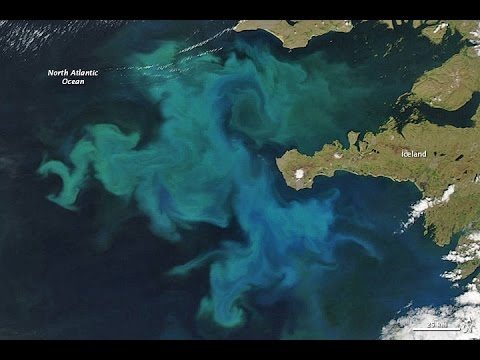
a)
arms
b)
backbones
c)
skeleton
d)
pores
8.
This is an example of a _____.
a)
Sea star
b)
sea urchin
c)
sea cucumber
d)
brittle star
9.
What do invertebrates not have?
a)
backbones
b)
exoskeleton
c)
blood
d)
reproduce
10.
Cephalopods move quickly by
a)
using jet propulsion
b)
creeping on their muscular foot
c)
digging into the sand
d)
waving their tentacles to swim
11.
Phylum Porifera is known as 
a)
"stinging cells"
b)
"Tentacles"
c)
"Cleaners"
d)
"Sponges"
12.
Phylum Cnidaria is known as 
a)
"stinging cells"
b)
"Tentacles"
c)
"Cleaners"
d)
"Sponges"
13.
Which is not a main class within the phylum of mollusca?
a)
crustacean 
b)
cephalopod
c)
gastropod
d)
bivalve
14.
When a jellyfish attacks its prey, it uses stinging cells called...
a)
Colloblasts 
b)
Stingers
c)
Cnidocytes
d)
Blastoscytes 
15.
What surrounds the mouth of cnidarians?
a)
arms
b)
combs
c)
tentacles
d)
spines
16.

What best explains or defines an exoskeleton?

a)

a system of support outside an animal’s body

b)

an animal that has a backbone

c)

an animal that does not have a backbone

d)

a skeleton that is within an animal’s body

17.

Which picture shows an example of an animal with an exoskeleton?

a)
b)
c)
d)
18.

Which animal below uses specialized cells to sting its prey

a)
b)
c)
d)
19.

Which invertebrate animal has the ability to camouflage itself and eject ink to protect its soft body

a)

Octopus

b)

Jellyfish

c)

Clam

d)

Earthworm

20.
A birds nearly hollow bones help it to
a)
store extra oxygen
b)
deliver oxygen to its cells
c)
be lightweight in the air
d)
defend itself against predators
21.
Why is plastic used so much?
a)
it is rigid.
b)
is is flexible.
c)
it is expensive.
d)
it is cheap and versatile.
22.

What is endangering the Laysan Albatross?

a)

They are mistaking bits of plastic as food.

b)

They are eating squid.

c)

They are eating too much chocolate.

d)

They are able to get lots of nutrients from plastic pieces.

23.

Why are Laysan Albatross heading towards extinction?

a)

People aren't recycling and they are allowing trash to get in the ocean

b)

People are recycling and not allowing trash to get in the ocean

c)

The Laysan Albatross are not recycling and they are allowing trash to get in the ocean.

d)

They can easily tell the difference between a piece of squid and a piece of plastic.

24.

What food source might the Laysan Albatross be mistaking plastic for?

a)

Plankton

b)

Squid

c)

Oysters

d)

Shrimp

25.

Seabirds belong to

a)

Class Chordata

b)

Class Mammalia

c)

Class Aves

d)

Class Porifera

26.

Which of the following are adaptations that help birds live out at sea?

a)

Webbed feet, bright plumage, short wings

b)

Webbed feet, countershading, streamlined heads and bills

c)

Long legs, bright plumage, thick beaks

d)

Sharp talons, countershading, long necks

27.

This is a

a)

Wading Bird

b)

Shorebird

c)

Seabird

28.

Penguins are flightless seabirds

a)

True

b)

False

29.

What are baby penguins called?

a)

chicks

b)

pups

c)

pingus

30.

Seabirds can drink salt water. How do they excrete the extra salt?

a)

A gland near their nostril

b)

A gland near their eyes

c)

In their urine

d)

In their sweat

31.

How many babies do seabirds have each season?

a)

1

b)

2

c)

4

d)

10

32.

This feeding method is known as

a)

plunging

b)

pursuit diving

c)

scavenging

d)

kleptoparasitism

33.

Birds are

a)

Endothermic

b)

Ectothermic

c)

Independent

34.

What causes birds to have a variety of beak sizes and shapes?

a)

food

b)

environment

c)

predators

d)

ecosystems

35.

Some seabirds, like albatross, have a long wingspan to soar over the ocean. Other seabirds have:

a)

flippers instead of wings

b)

short wings to help them swim

c)

Feet only

36.

Penguins and killer whales are good friends.

a)

True

b)

False

37.
Dolphins navigate, communicate and socialize through the use of
a)
Sonar, sound or squeaky whistles, and touch
b)
Through GPS, wireless and text messaging
c)
Sounds that they learn from humans
d)
Sensory nerves located in their fins
38.
The Cove, the movie, takes place in
a)
Hollywood
b)
Pensacola, Florida
c)
Taiji, Japan
d)
Covington, Louisiana
39.
When an organism ingests toxins that build up or accumulate over time, the  process is called
a)
Bioaccumulation
b)
Biodegradable
c)
Industrial Pollution
d)
Adaptation
40.
What do you call a baby dolphin or whale? a. b.  c. 
a)
Calf 
b)
Cub
c)
Chick 
d)
Sham Wow
41.
What is this animal?
a)
dolphin
b)
porpoise
c)
narwhal
d)
beluga
42.
Rows of horn-like plates that project from the upper jaws of filter-feeding whales are called
a)
barnacles
b)
callosites
c)
baleen
d)
throat folds
43.
All Cetaceans are carnivores.
a)
True
b)
False
44.
The largest of all the toothed whales is the 
a)
Blue Whale
b)
Narwhal
c)
Gray Whale
d)
Sperm Whale
45.
The largest of all the Cetaceans is the
a)
Blue Whale
b)
Sperm Whale
c)
Killer Whale
d)
Humpback Whale
46.
The pathway for air to come in and out of the whale is the 
a)
blowhole
b)
air sac muscles
c)
nasal plug
d)
lower jaw
47.
Part of the Cetacean that receives the clicks and sends them to the inner ear
a)
melon
b)
blowhole
c)
nasal pugs
d)
lower jaw
48.

How did the sperm whale get its name?

a)

because it has a large quantity of male sex cells

b)

because its head contains an enormous fluid-filled sac called spermaceti

c)

because their body shape is similar to that of male sex cells

d)

because their body shape is streamlined

49.

Dolphins are small whales

a)

True

b)

False

50.

Which animal makes the loudest sound of all living creatures?

a)

Bottlenose Dolphin

b)

Blue Whale

c)

Humpback Whale

d)

Sperm Whale

51.

In the sperm whale dissection, we learned that the sperm whale died from

a)

a boat propeller injury

b)

a fight with a giant squid

c)

starvation and dehydration

d)

old age

52.
Which uses their front flippers to swim?
a)
sea lions
b)
seals
53.
Which uses their back flippers to swim?
a)
sea lions
b)
seals
54.
Which does not have external ear flaps?
a)
seals
b)
sea lions
c)
fur seals
55.
Which has external ear flaps?
a)
sea lions
b)
seals
56.
Which has long front flippers and can swing their hind flippers forward to walk on land?
a)
sea lions
b)
seals
c)
walruses
57.
Which is NOT true about marine mammals?
a)
They have hair.
b)
They are endothermic
c)
They can breathe underwater.
d)
They feed their babies milk.
58.
Adult walruses have ______. These long teeth never stop growing. 
a)
ears
b)
tusks
59.
Walruses like to eat _______.
a)
crabs
b)
clams
c)
fish
d)
seals
60.
What animal is this?
a)
seal
b)
sea lion
c)
walrus
d)
fur seal
61.
What animal is this?
a)
seal
b)
sea lion
c)
walrus
62.
What animal is this?
a)
seal
b)
sea lion
c)
walrus
63.
What animal is this?
a)
seal
b)
sea lion
c)
walrus
64.
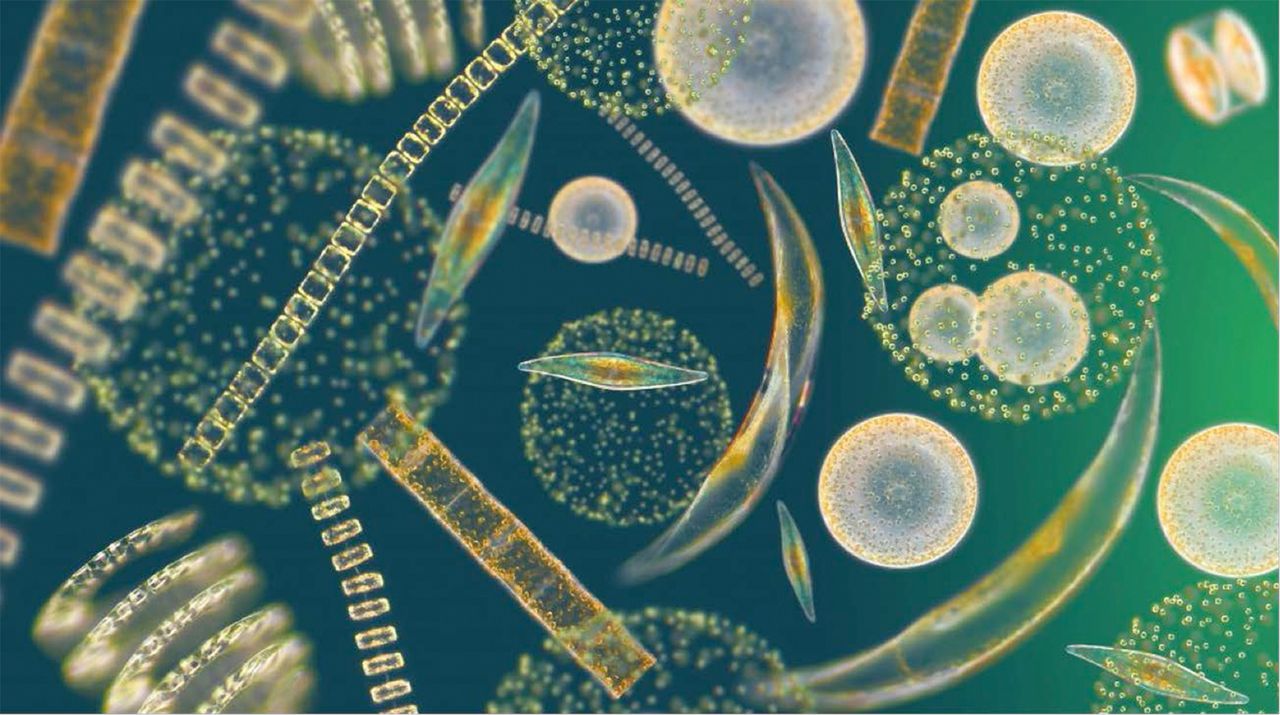
Plankton that uses photosynthesis:
a)
Phytoplankton
b)
Zooplankton
65.
What are tiny organisms that float near the surface of the water?
a)
plankton
b)
organisms
c)
abiotic factor
d)
insects
66.
Which best describes the source of oxygen in ocean water?
a)
Oxygen is produced by marine plants in the process of making food.
b)

Oxygen is produced through the exhalations of marine animals.
c)

Oxygen is produced through precipitation falling on the ocean.
d)
Oxygen is produced by nodules on the ocean floor.
67.
What is the term used to describe a sudden increase in phytoplankton growth? 
a)
A Spring
b)
A Migration
c)
A Bloom
d)
A Flower
68.

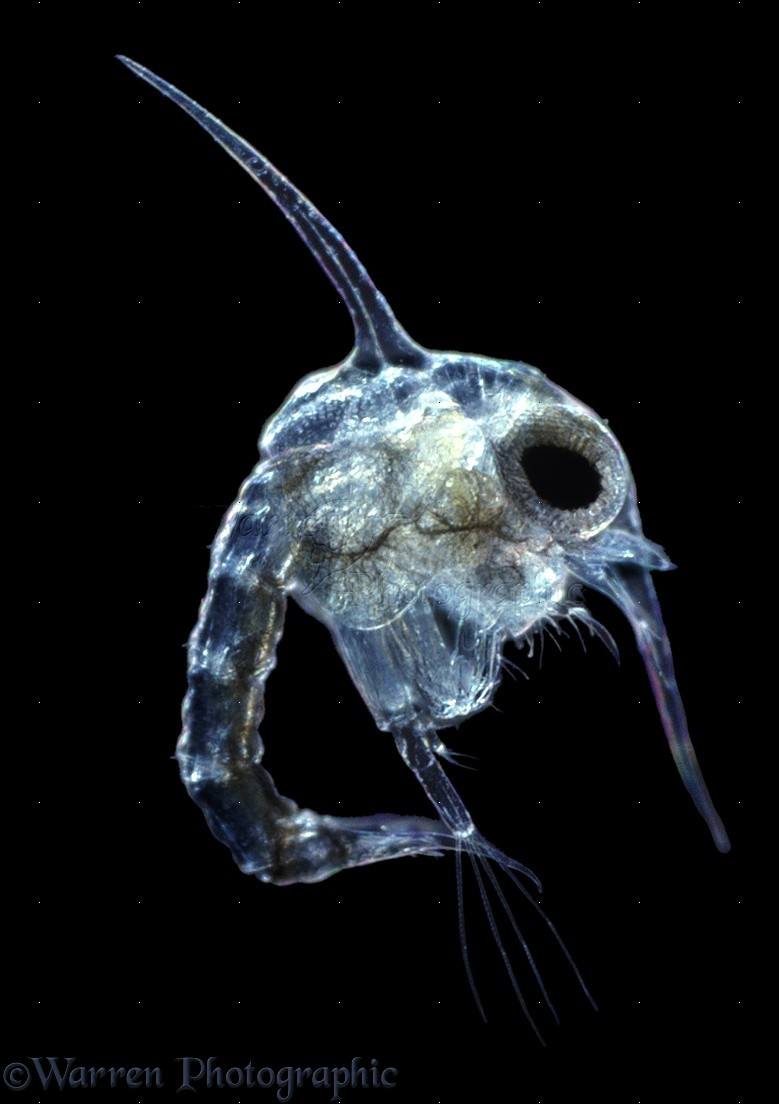
The larvae of crabs and krill belong to which group of plankton?

a)

Phytoplankton

b)

Zooplankton

c)

Holoplankton

d)

None of the above

69.

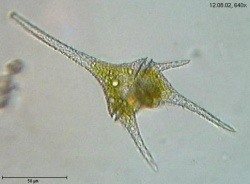
What do dinoflagellates use to move?

a)

cilia

b)

fins

c)

flagella

d)

spines

70.

Which are there more of, zooplankton or phytoplankton?

a)

Phytoplankton

b)

Zooplankton

c)

Both

71.

Which organism is at the base of a marine food web?

a)

crab

b)

phytoplankton

c)

whale

d)

zooplankton

72.

Red tides are caused by .. .

a)

Krill

b)

Jellyfish

c)

Man "O" War

d)

Dinoflagellates

73.
What are vertebrates?
a)
Animals with a backbone
b)
Animals without a backbone
c)
Fish
d)
All types of animals
74.

How long have sharks been on the Earth?

a)

65 million years

b)

50 thousand years

c)

300 million years

d)

30 million year

75.

A fish whose body is composed entirely of cartilage is

a)

Cartilagenous

b)

Tunicate

c)

Protochordate

d)

Dendrite

76.

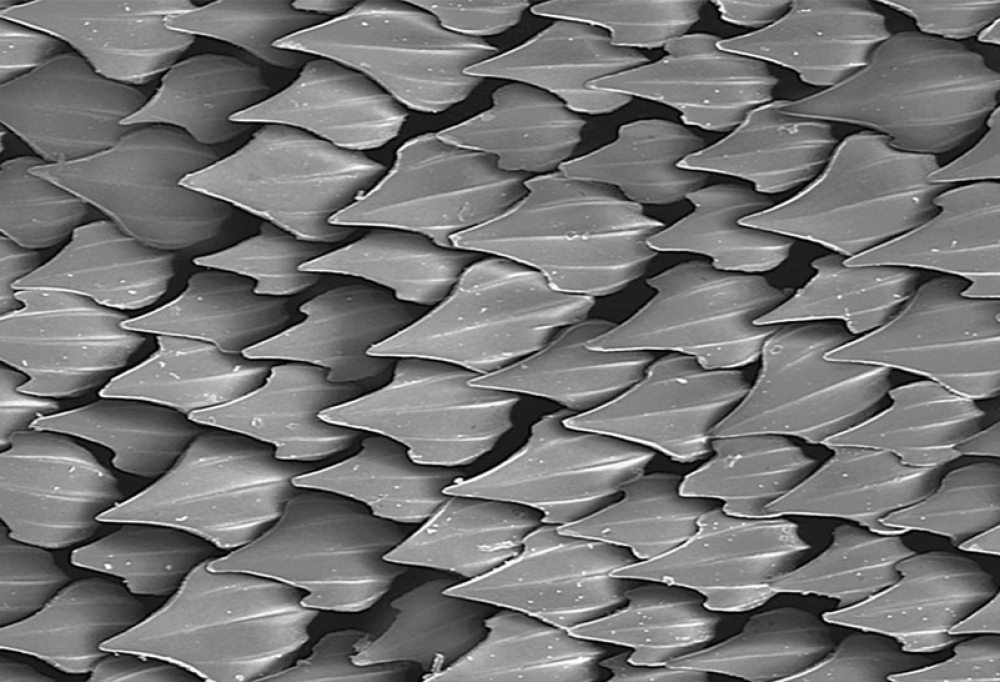
Sharks teeth are made of

a)

scales

b)

bone

c)

hair

d)

carbs

77.

Lateral lines detect changes in

a)

light

b)

water pressure

c)

electrical charges

d)

scent

78.

Sharks swim with their__________fins.

a)

pectoral

b)

pelvic

c)

dorsal

d)

caudal

79.
What fin is found at the posterior region of a fish and is responsible for moving the fish forward?
a)
pelvic fins
b)
pectoral fins
c)
caudal fin
d)
dorsal fin
80.
What fin is found on the back of a fish and is responsible for keeping the fish from rolling from side-to-side?
a)
pelvic fins
b)
pectoral fins
c)
caudal fin
d)
dorsal fin
81.

#3 is the ______ fin

a)

dorsal

b)

lateral

c)

anterior

d)

bottom

82.

Lungs are to mammals as _____________ are to fish.

a)

gills

b)

feet

c)

antennae

d)

scales

83.

What type of camouflage is the penguin displaying?

a)

aposematic coloration

b)

countershading

c)

disruptive coloration

d)

mimicry

84.

Mouth brooding is when a fish

a)

eats their young

b)

protects their young

85.

Fish that give birth to live young are

a)

oviparous

b)

viviparous

86.

What is the best coloration choice for the animal pictured?

a)

mimicry

b)

countershading

c)

disruptive coloration

d)

advertising

87.

This body is

a)

anguilliform

b)

globiform

c)

taeniform

d)

fusiform

88.

Are fish vertebrates or invertebrates?

a)

Vertebrates

b)

Invertebrates

89.

Fish that live in the open ocean have dark backs, silvery sides and a white belly; this is know as

a)

Cryptic coloration

b)

Counter shading

c)

Disruptive coloration

d)

Warning coloration

90.

This part of the fish may be classified as Caudal, Pectoral or Dorsal.

a)

swim bladder

b)

lateral line

c)

gills

d)

fins

91.
What structure helps bony fish maintain buoyancy?
a)
squalene
b)
liver
c)
swim bladder
d)
bile
92.
_______________ is when an animal blends into its environment.
a)
camouflage
b)
mimicry
c)
warning coloration
93.

Sharks swim with their__________fins.

a)

pectoral

b)

pelvic

c)

dorsal

d)

caudal

94.

If you eat your siblings in the womb you have committed

a)

oviparity

b)

oviviparity

c)

parthenogenesis

d)

intrauterine cannibalism

95.

Sharks teeth are made of

a)

scales

b)

bone

c)

hair

d)

carbs

96.

A fish whose body is composed entirely of cartilage is

a)

Cartilagenous

b)

Tunicate

c)

Protochordate

d)

Dendrite

97.

What is the special electroreceptor organs near the shark's nose called?

a)

Ampullae of Lorenzini

b)

electro fields

c)

placoid scales

d)

nose hairs

98.
Sharks PURPOSELY attack humans
a)
true
b)
false
99.
What is a shark's adaptation to maintain neutral buoyancy?
a)
Fluid in the ears
b)
 Gas filled bladder
c)
Large oily liver
d)
Nictitating membrane
100.

Based on the Greek work for "wanderer"

a)

Plankton

b)

Dinoflagellate

c)

Coccolithophore

d)

Diatom