
Font size
 Worksheets
2021 World History Semester Exam Review
Total questions: 100
Worksheet time: 50mins
How did codifying laws help ancient societies?
by promoting equality and prohibiting discrimination
by creating an early form of representative government
by establishing a clear system of rules and consequences
by ensuring power was distributed between branches of government
How did rivers first facilitate the development of ancient civilizations?
Waterways increased trade among distant peoples.
Water sources enabled the migration of hunter-gatherers.
Fertile soil allowed humans to develop agriculture.
Governments were created to control fertile land.
Who fought each other during the Hundred Years War?
Germany and France
England and Spain
England and France
France and Germany
Who was Joan of Arc?
A French peasant girl who led the army to victory
An explorer who had a monkey named Boots
A female English knight
The Queen of France
Who was the first ruler of the Mauryan Empire?
Chanakya
Kautilya
Ashoka
Chandragupta Maurya
What were some things that occured in monasteries during the middle ages? (Check ALL that apply)
hand-copying the bible
caring for the ill
education of boys, primarily for priesthood
creating pottery
What was the greatest source of stability for people in Western Europe during the Middle Ages?
The Protestant Church
The Great Council
The Roman Catholic Church
The strong central government
_____________, ____________, and _____________ were the most notable philosophers.
Socrates, Plato, Aristotle
Thales, Plato, Aristotle
Pericles, Plato, Aristotle
Phillip, Plato, Aristotle
Democracy origiated in which ancient culture?
Athens
Sparta
Peasants had to pay a tithe to the local church. What was a tithe?
tax to use the mill and bakery for personal use.
1/10 of a peasant's income
a tax for the bishop to pray for them.
a tax to be able to farm.
In Greek ,city-state =
polis
Eonia
Acropolis
Kudos
The trade that allowed movement of goods, people and materials among the continents.
Continental trade
Triangular Trade
Slave Trade
European Trade
The Yuan Dynasty was established by who?
The Chinese
The Mongols
The Tibetians
The Yuanese
What is the middle passage?
the trip from England to Africa
the trip from England to the Americas
the trip from Africa to the Americas
the trip from Africa to England
Trade between Europe and Asia was popular on the ________.
silk road
European Highway
Mongol Express
Pacific Ocean
The Tang and Song is known as the
end of Chinese Civilization
Dynastic Cycle
Golden Age of China
Warring States Period
Who was Genghis Khan's grandson who conquered China?
Kublai Khan
Genghis Khan, Jr.
Molakai Khan
Jakarta Khan
The Mongols tried to attack _______ and failed twice.
Japan
China
Italy
Mongolia
What was the main unifying force of medieval Western Europe?
Government
Church
Military
All of the following are reasons why the conquistadors and other explorers came to the Americas EXCEPT...
Glory
God
Gold
Guns
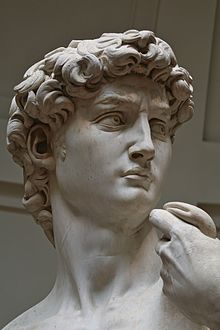
This work by Michelangelo is called what?
Michael
Noah
David
Vitruvius
In exchange for land, what did knights and samurai give to feudal lords and shoguns?
Money
Loyalty
Friendship
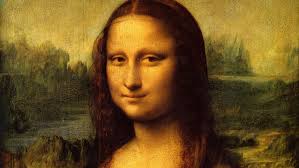
This famous painting was done by
Leonardo da Vinci
Raphael
Michelangelo
Picasso
Which was NOT a characteristic of Renaissance art?
More secular subjects than before
More focus on perspective than before
More realistic human figures than before
More religious subjects than before
Where was Christopher Columbus trying to go when he " discovered" the New World?
North America
southern Africa
South America
the Indies
Spain

What is the best name for the map above?
Northwest Passage
Columbian Passage
Columbian Exchange
the Bermuda Triangle
You need someone to finance your artwork. You need a...
Patron
Banker
Professor
Financial analyst
After the death of Muhammad, what led to the split between the Sunni and Shia?
They could not agree on who should become leader.
They could not agree if they were allowed to eat pork.
They could not agree on how many times they should pray each day.
They could not agree on how to make Greek fire.
How did the printing press preserve the past?
revived classical teachings
printed in different languages
gave access to never seen before books
none of the choices
Before printing books were...
hand written
rare
expensive
cheap
always in Latin
How many wives did Henry VIII have?
1
3
4
6
What were the consequences of Henry's reign for the Church? (more than one answer)
he beheaded two of his wives
Henry created the new Church of England and became its head
Henry took wealth and power away from the Church and gave it to a country
England became a Protestant country
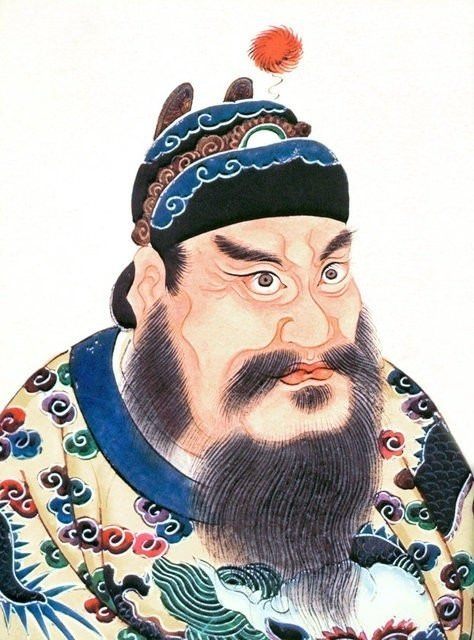
Who was Qin Shi Huang?
A king in Ancient China
A Chinese teacher
The first emperor of China
A Chinese farmer
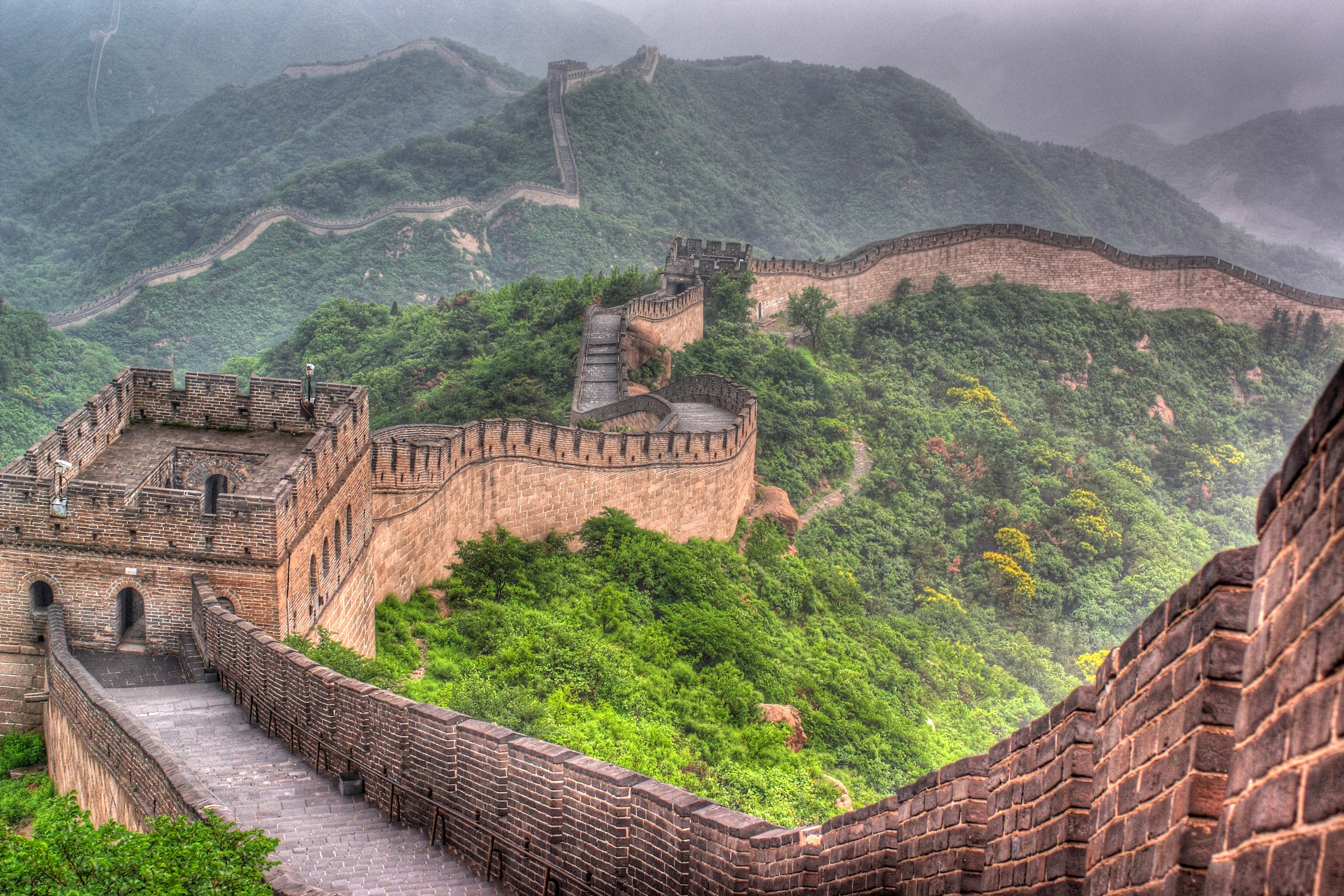
Qin Shi Huang started the creation of the Great Wall
True
false
Hammurabi was best known for his _______. A set of laws that governed life in the Babylonian empire.
Beard
Code
Consequences
Sword


Who took the title of "czar" and challenged Mongol rule?
Alexander
Ivan I
Rurik
Ivan III

The split of Roman Catholic west and Roman Orthodox east is known as what?
Excommunication
The Renaissance
The War of 1812
The Great Schism of 1054

Formally denying a person membership in a Church is called _________________.
Schism
Excommunication
Patriarch
Icon

In the West, who had absolute authority?
The emperor
The King
The pope
There was no leader
The 95 theses
was a list of Luther's complaints against the church
was a collect of 95 pieces of Renaissance art
was a story that detailed life in the Middle Ages
was Leonardo da Vinci journal
Why was the Nile river so important to Egypt?
They can cool down in the water when it got hot.
They used it to bathe in.
They used the river water for drinking water.
The river developed fertile soil that would help with crops and farming. This later helped with trade.
Northern renaissance art different from Italian renaissance art because
It focused on everyday life and used oil paints
It focused on religion and the need for change
It recreated art of the classical time period
It did not use perspective

During the Paleolithic Age, people were...
Scientifics.
Nomads.
Hunters.
Gatherers
Eratosthenes proved the Earth was round before Gallileo.
True
False
Athens was the first to practice?
Democracy
Medicine
Religion
Theocracy

The building used to house Gladiator fights
Parthenon
Collisseum
Pantheon
Aquaducts
This was used outside Rome to transport clean water to the city from high in the mountains due to pollution in the increasing populated city
Doric, Corinthian Ionic Order
Stupas
Aquaducts
This was a round holy place that held the ashes of saintly figures that started with Buddhists in India.
Aqueducts
Stupas
Doric Ionic & Corinthian Order
the Roman Twelve Tables illustrates Which concept
Rule of the Law
separation of powers
Republican government
innocent until proven guilty
What led to the decline of ancient Rome?
Growing gap between rich and poor
Ambition of individual generals
Growing territory too difficult to govern
Professional military not loyal to the state
The written laws of Rome were known as
Bill of Rights
Constitution
Twelve Tables
Nine Laws
Which Roman general invaded Italy in 49 BC, started a civil war, then became "dictator for life?"
Julius Ceasar
Marius
Pompey
Scipio Africanus
What are the laws intended by God to bring salvation to people?
The Creed
The Rules and by Laws
The Constitutions
The Ten Commandments
What visitor to Africa's writings contributed to our understanding of Ancient West Africa?
Marco Polo
Ibn Battutah
Mansa Musa
King Tut

Which of these would Confucius have valued most highly?
riches
respect
freedom
creativity
These Roman innovations helped facilitate the movement of troops.
Roads
Aqueducts
Amphitheaters
Concrete

Daoists taught that people could gain happiness by
reading the ancient texts
serving in government jobs
living in harmony with nature
working hard to become wealthy

Hanfeizi, whose teachings were the basis for Legalism, wrote that rulers should emphasize
honesty and trust
scholarship and ideas
trade and manufacturing
rewards and punishments

What was the book of the dead?
An ancient manuscript to learn how to obtain life after death
A book of ghost stories
A book of everyone who had died in the kingdom
A coloring book of skeletons
How did the Black Death get to Europe?
Car and train
Ship and Silk road
Mail and Air
Buggies and Mile runs
What was the main reason for Pyramids?
To live in and keep shelter
to hold trade markets
to worship the gods
to use as tombs

A textbook describing a historical event.
Primary
Secondary
A letter from a doctor describing the Bubonic Plague.
Primary
Secondary

