
 Worksheets
Chapter 3 Reproduction in flowering plants
Total questions: 60
Worksheet time: 33mins
The male parts of a flower are ______________.
Style
Anther
Filament
Ovary
The ___________ of one flower receives pollen grains from another flower.
anther
ovary
style
stigma
The _______________ produces pollen grains.
ovary
anther
stigma
The _________ travels to the __________ during fertilization to form a seed.
anther travels to the ovule
pollen travels to the ovule
anther travels to thestigma
pollen travels to the stigma
[Multi-answer] Plants scatter their seeds to reduce overcrowding. This reduces the competition for _______________.
sunlight
space
water
air
The female parts of a flower are ____________________.
ovary
ovule
anther
stigma
In nature, flowers are pollinated by ____________ and _______________.
wind
water
butterflies
humans
The ______ supports the stigma and keeps it high above the plant to receive pollen grains easily.
style
filament
stalk
stem
Pollination is the process of transferring pollen from the anther of one flower to the ______________ of another flower.
filament
style
stigma
ovary
ovule
After a pollen grain has reached the stigma, it travels through the __________ to reach the ovary.
style
stalk
stigma
stem
After fertilization, each _______forms a seed, while each _________forms a fruit.
ovary ... ovule
ovule ... ovary
egg ... ovary
pollen ... ovary
ovary ... pollen
Fruit X is fleshy and bright-red in colour. The likely dispersal method for its seeds is by ____________.
animal
wind
water
splitting
[Multi-Answer] Which of the following features suit a wind-dispersed fruit/seed?
wing-like structures
light
colourful
can float on water
[Multi-Answer] Which of the following are possible dispersal methods for fruits?
Wind
Water
Explosion
Animal
After fertilisation, the seeds are formed inside the _________.
ovule
ovary
flower
stalk
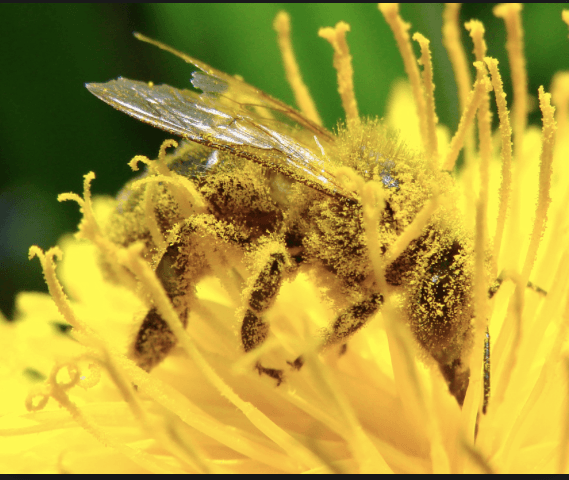
A bee buzzes inside a flower to drink some nectar. While there it touches the stamen. Later the bee goes to another flower and comes into contact with the flower's pistil. Which process of reproduction is this helping with?
pollination and fertilization
plant growth and fertilization
germination and pollination
seed dispersal and germination

What part of the flower is B ?
pistil
petal
ovary
pollen

The petals job is not only to protect the reproductive parts of the plant, but also to
keep wind away from the stamen
attract pollinators with their colors
absorb sunlight
fall off and become food for bugs

A wind-pollinated flower will have
small petals, nectar and produce scent
small petals, large anthers and have a feathery stigma
large anthers, coloured petals and produce nectar
large petals, small anthers and produce scent
Which of the following are dispersed by water?
lotus
saga
angsana
coconut
Balsam, rubber and bean are dispersed by ____________.
animals
wind
water
explosive action
Which characteristics are found in fruits or seeds that are dispersed by animals?
brightly coloured
hooks
stiff hair
parachute-like structure
What are the conditions needed for a seed to germinate?
water
air
light
right temperature
After fertilisation, a/an _______________ will turn into a seed.
ovary
ovule
pollen
egg cell
The scattering of fruits or seeds is called _______________.
germination
fertilisation
pollination
seed dispersal
Which are agents of pollination?
wind
insects
birds
Sun
Scattering of seeds will prevent _________________.
germination
overcrowding
fertilisation
pollination
Where does a germinating seed get its food?
seed coat
seed leaves
shoot
root
What part of the plant transports water and nutrients to the other parts of the plant?
Roots
Stem
Flower
Leaves
What part of the plant anchors the plant in place and soaks up water and nutrients from the soil?
Leaves
Sepals
Roots
Stem
The _______ are responsible for photosynthesis (making food).
Roots
Stems
Leaves
Flowers
What part of the plant is responsible for reproduction?
Flower
Leaves
Roots
Stem
The female part of the flower is called the _____.
Sepal
Filament
Stamen
Pistil
What are the 3 parts of the pistil?
anther, filament, and stigma
stigma, style and ovary
stigma, filament and anther
anther, style and ovary
What are the 2 main parts of the stamen?
anther and filament
stigma and ovary
anther and ovary
filament and style
What part of the stamen produces pollen?
anther
filament
ovary
stigma
What part of the pistil produces the egg cells?
Anther
Stigma
Style
Ovary
Which of the following can be a pollinator?
Birds
Bees
Wind
All of the above
What part of the flower protects the bud (before the flower blooms)?
Leaves
Petals
Sepals
Pistil
All plants reproduce by flowers.
True
False
Which type of pollination is used if the flowers are NOT brightly colored?
wind
insects
Why do bees go to flowers?
to collect nectar and pollen
to keep warm during the winter
to find other bees
to work together
What is a pollinator ?
bug
bees
Animals that carry pollen from one flower to another.
stingray

What do you need for photosynthesis to take place?
water
sunlight
carbon dioxide and chlorophyll
all of the above

What do seeds need in order to start growing?
wind
dirt
water & sunlight
Why do flowers smell nice and they're colored bright?
So that they can make fruit
So that they can pollinate
So that they can attract birds and bees



