
 Worksheets
FINALS REVISION
Total questions: 60
Worksheet time: 34mins
Extremely rapid cooling of lava in which no crystals form, creates what type of texture?
Fine-Grained
Coarse-Grained
Glassy
The slower magma cools, the smaller the mineral crystals form.
True
False


Term used to describe metamorphic rocks that have grains arranged in parallel layers or bands.
exfoliated
foliated
nonfoliated
unfoliated
What type of birth is typical for most mammals?
Egg-Laying
Placental
Pouch
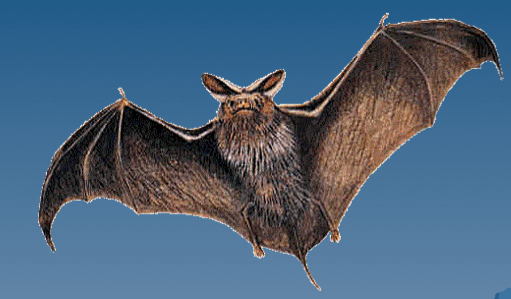
The only mammal that can truly fly is the...
Cardinal
Bat
Penguin
Pterodactyl
Animals that feed on othe animals
carnivore
herbivore
omnivore
insectivore
Which of the following is the correct group of arthropods?
cnidaria, molluscs, insects, arachnids
jellyfish, starfish, sea anemone, corals
insects, arachnids, myriapods, crustaceans
myriapods, annelids, platyhelminthes, nematodes
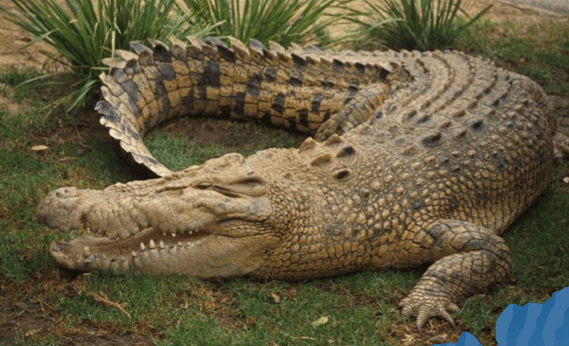
Which of the following are the correct groups of reptiles?
snakes, worms, crocodilians, lizards
snakes, scorpions, crocodilians, lizards
lobsters, arachnids crocodilians, lizards
snakes, turtles, crocodilians, lizards
The following are oviparous animals except
birds
arthropds
reptiles
mammals
The following are characteristics of birds except
Their bodies are covered with feather.
They are warm-blooded.
They are oviparous.
They have radial symmetry.

What is true of this worm?
It is has body segments.
It has a respiratory system.
It is heterosexual.
It is hermaphrodite.
it is known as repeated segment
coelom
metameres
cephalothorax
clitellum
animals with backbone are called
vertebrates
invertebrates
hermaprodites
heterosexual
external skeleton
exoskeleton
endoskeleton
vertebrate
invertebrate
All of the following have bodies which are bilaterally symmetrical except -
porifera and cnidaria
molluscs
worms
arthropods
What makes porifera and cnidaria group different from the other invertebrate groups?
They live in water.
They have tentacles.
They do not have organs.
They have legs.
Which arhropod group has 10 legs?
myriapods
insects
arachnids
crustaceans
Which of the following is NOT true of an echinoderm?
They are carnivores.
They breathe through skin, gills or ambulacral tube.
They live on the sea bed.
They have lungs.
Which of the following has body that is divided into rings?
platyhelminthes
annelid
nematodes
all of these
Which of the following feeds by filtration?
cnidaria
worms
porifera
arthropods
True or False.
Hermaprodites are animals with both male and female sex organs so they can fertilize themselves.
TRUE
FALSE
Which of the following is TRUE about squid, cuttlefish and octupus?
They have spiral-shaped shell with singe valve.
They breathe through lungs.
They have two valves.
They have tentacles but no shell.
Invertebrates are animals without backbone.
TRUE
FALSE
__________ is joined head and thorax.
cephalothorax
coelom
clitellum
metameres
It is also called the repeated segment.
coelum
osculum
metameres
cephalothorax
external skeleton is also called as
endoskeleton
osculum
exoskeleton
thorax

To which group does this belong?
porifera
molluscs
worm
arthropods

What is this process called?
reproduction
molting
metamorphosis
none of these
Jointed appendages is a characteristic for which invertebrate group?
echinoderm
molluscs
arthropods
worms

This process is called ______.
Cephalothorax
metamorphosis
molting
none ot these
Which body part helps the cnidarian to capture their prey?
tentacles
mouth
pores
channels
Which does NOT belong to the group?
starfish
jellyfish
sea cucumber
sea urchin
TRUE or FALSE
All arthropods are terrestrial.
TRUE
FALSE
What is an oviparous?
animal that lays egg
animal that can fertilize themselves
animal that gives birth to live young
Which are the correct groups of echinoderm?
star fish,
molluscs,
coral
star fish,
sea cucumber,
sea anemone
sea urchin, molluscs, earthworm
sponges, molluscs, jellyfish
Invertebrates are animals
With backbone
without backbone

In which group does this animal belong to?
Molluscs
Arthropods
Echinoderms
Cnidaria

In which group does this animal belong?
Molluscs
Worms
Arthropods
Echinoderm
Which does not belong to the group?


Gastropods, bivalves and cephalopods belong to which invertebrate group?
Porifera
arthropods
molluscs
worms
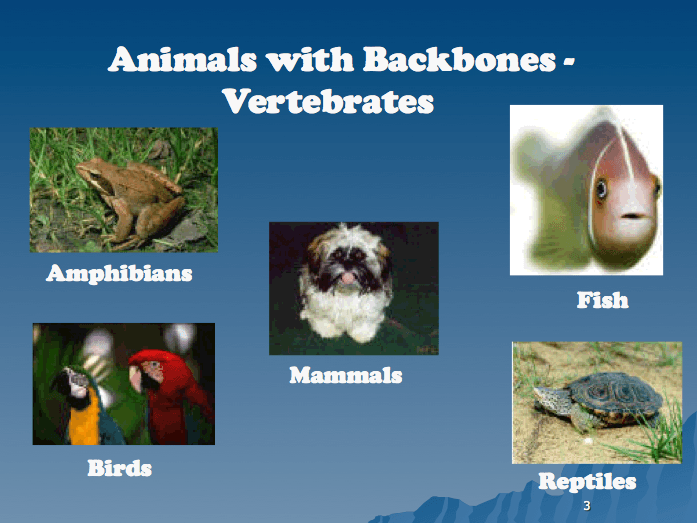
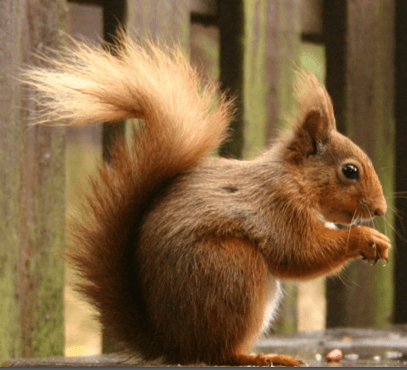

Birds

The animal in the picture is a(n) ______ because it has a ______.
invertebrate ... backbone
vertebrate ... backbone
reptile ... backbone
backbone ... skeleton
Choose the animals with bilateral symmetry


Which characteristics of birds make them light (not heavy)?
They are homeothermal.
The bones are hallow.
They have feathers.
The shape of their beak depends on the fod they eat.

