wayground logo

Free Printable Worksheets

Font size

S
M
L
XL
Worksheets

Semester Exam 21-22

Total questions: 191

Worksheet time: 6hrs 7mins

Name
Class
Date
1.
What part of a virus is the protein capsule that houses the genetic material (DNA/RNA)?
a)
tail
b)
nucleus
c)
capsid
d)
glycoprotein
2.
What part of a virus is the protein capsule that houses the genetic material (DNA/RNA)?
a)
tail
b)
nucleus
c)
capsid
d)
glycoprotein
3.
Which viral life cycle allows viral genetic material to lay dormant while the host cell reproduces?
a)
lytic
b)
mitosis
c)
lysogenic
d)
S phase
4.

Is a virus considered living or non-living?

a)

Living

b)

Non-Living

5.
What is the first step of the virus reproduction cycle?
a)
The viruses genetic material (DNA) starts to take over the functions of the cell
b)
The host cell bursts open, releasing the new viruses
c)
The virus injects its genetic material into the cell
d)
A virus attaches to the surface of a host cell
6.

What is a way to become immune to a disease without first having the disease?

a)

Antibiotics

b)

Impossible

c)

Vaccinations

d)

Exposure Therapies

7.
What do viruses have in common with living cells? They both...
a)
store genetic information
b)
have chloroplasts
c)
use glucose for cellular respiration
d)
have endoplasmic reticulum
8.
True or False
The flu is caused by a virus.
a)
true
b)
false
9.
What do viruses need to reproduce?
a)
they need genetic material
b)
They need a host cell
c)
They need  bacteria
d)
They need insulin
10.
Viruses are cells. 
a)
True 
b)
False
11.

What part of the virus is number 1?

a)

Capsid

b)

Nucleic Acids

c)

Glycoprotein

d)

Envelope

12.

What part of the virus is number 2?

a)

Capsid

b)

Nucleic Acids

c)

Glycoprotein

d)

Envelope

13.

What part of the virus is number 3?

a)

Capsid

b)

Nucleic Acids

c)

Glycoprotein

d)

Envelope

14.

What is the purpose of the glycoprotein on a virus

a)

As defense.

b)

They provide structural support.

c)

To allow the virus to move.

d)

To attach to the host cell.

15.
Viruses are...
a)
prokaryotic
b)
eukaryotic
c)
non-living
d)
endospores
16.
How does a virus cause a person to develop the common cold?
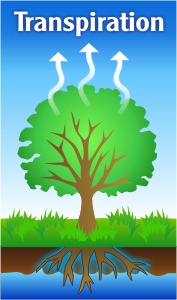
a)
invades the host cell to reproduce
b)
removes energy from the host cell
c)
produces toxins in the host cell
d)
protects the host cell from bacteria
17.
One reason that viruses are considered to be nonliving is that they are not made of ______.
a)
protein
b)
viruses
c)
bacteria
d)
cells
18.

What part of the bacteriophage is the Nucleic Acids?

a)

A

b)

B

c)

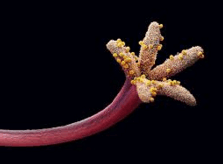
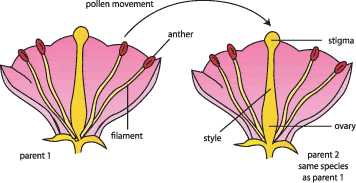
C

d)

D

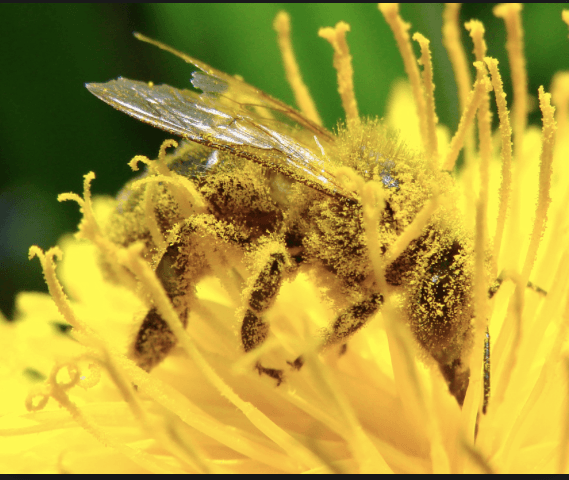
19.
Some viruses have envelopes made of cell membranes. Where did they get those membranes?
a)
It is coded in their DNA.
b)
From the host cell.
c)
From the protein capsid
d)
They make it during mitosis.
20.

Which viral cycle takes the longest to show symptoms?

a)

Lysogenic

b)

Lytic

21.

When the viral DNA becomes active in the lysogenic cycle, which life cycle does it enter?

a)

lytic

b)

lysogenic

c)

cell cycle

d)

DNA replication

22.
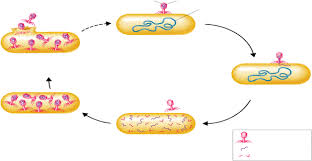
What process is this?
a)
phagocytosis
b)
lytic cycle
c)
lysogenic cycle
d)
formation of antibodies
23.
What is shown here?
a)
Lysogenic Cycle
b)
Lytic Cycle
c)
Binary Fission
d)
Conjugation
24.

What happens in the lysogenic cycle?

a)

Virus goes in and leaves the host cell

b)

Virus quickly kills the host cell

c)

Virus injects the nucleic acid into the host cell, and the nucleic acid integrates into the host cell DNA and stays dormant for a long time

d)

Bacteria injects DNA into a host cell

25.

Which cycle of a virus is most immediately destructive to the host?

a)

lytic cycle

b)

lysogenic cycle

26.
What is the 1st step of virus infection?
a)
Entry
b)
Attachment
c)
Replication
d)
Assembly
27.

The lysing (death) of a cell occurs in which phase?

a)

1

b)

2

c)

4

d)

5

28.

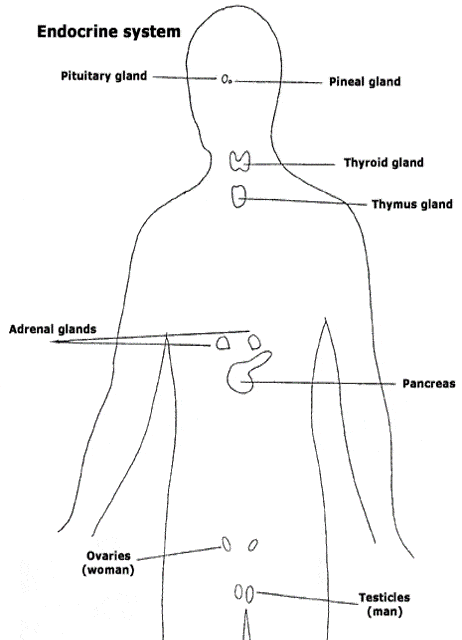
This system transports nutrients, gases, and wastes throughout the body

a)

circulatory system

b)

respiratory system

c)

nervous system

29.

These two systems interact to allow our bodies respond to the environment and to maintain homeostasis. (Hint - they both send messages, one is chemical (hormone) one is electrical)

a)

nervous and endocrine

b)

nervous and digestive

c)

endocrine and excretory

d)

respiratory and digestive

30.
Functions of this system include production of red blood cells, storage of minerals, support of the body, and protection of organs.
a)
Muscular
b)
Excretory
c)
Skeletal
d)
Nervous
31.
Which two body systems work together to break down food into energy and rid the body of the waste produced during this process?
a)
Skeletal and endocrine
b)
Digestive and excretory
c)
Nervous and immune
d)
Muscular and skeletal
32.

The two body systems that work together to protect you from foreign pathogens (viruses and bacteria) are...

a)

Integumentary and immune

b)

Reproductive and muscular

c)

Endocrine and digestive

d)

Respiratory and circulatory

33.
What three systems work together to move the body?
a)
Skeletal, Muscular, Nervous
b)
Skeletal, Respiratory, Digestive
c)
Nervous, Circulatory, Skeletal
d)
Circulatory, Respiratory, Digestive
34.
How does the Circulatory System help the Muscular System?
a)
Protects muscles
b)
Sends messages to the muscles to contract
c)
Brings oxygen into the body
d)
Delivers nutrients and oxygen to muscle tissue
35.

The ________ system interacts with the _____ system when it produces red blood cells.

a)

skeletal ; circulatory

b)

muscular ; circulatory

c)

skeletal ; muscular

d)

immune ; excretory

36.
The muscular system interacts with the ____ system as it helps break down and move the food we eat through our bodies.
a)
nervous
b)
digestive
c)
excretory
d)
endocrine
37.
The muscular system interacts with the ____ system because the heart is a muscle and it pumps blood to every cell in our body.
a)
excretory
b)
endocrine
c)
digestive
d)
circulatory
38.
The circulatory system interacts with the ______ system to remove waste from our blood and produce urine.  
a)
nervous
b)
endocrine
c)
excretory
d)
digestive
39.
The circulatory system interacts with the ____ system when as it surrounds the small intestine. Broken down food (nutrients) is delivered in the blood to all the cells.  
a)
digestive
b)
excretory
c)
nervous
d)
skeletal
40.
In humans, the gases oxygen and carbon dioxide must be exchanged between the environment and cells. During this exchange, oxygen is delivered to the red blood cells so that they can function properly in the blood stream. Which two body systems are working together to achieve this goal?
a)
Endocrine and Reproductive
b)
Skeletal and Muscular
c)
Respiratory and Circulatory
d)
Digestive and Excretory
41.
Which is true about the excretory system?
a)
It helps you get rid of undigested food
b)
It helps your get rid of urine and extra water
c)
It excretes feces
d)
It excretes sugars
42.
Which of the following is most responsible for fighting disease and protecting the body from infection?
a)
Immune system
b)
Circulatory system
c)
Nervous system
d)
Respiratory system
43.

If the environment gets cold, to return to a state of balance (homeostasis) we will often shiver in order to:

a)

keep body temperature the same as the external temperature

b)

decrease body temperature

c)

increase body temperature

d)

regulate blood pressure

44.
The "cause" for something to happen is the
a)
response
b)
effect
c)
stimulus
d)
homeostasis
45.
a body system that controls growth and homeostasis by secreting hormones from glands.
a)
skeletal system
b)
nervous system
c)
endocrine sytem
d)
integumentary system
46.
Homeostasis
a)
allows for a wildly fluctuating internal environment
b)
is impossible in vertebrates
c)
is the maintenance of a relatively stable internal environment and often incorporates a form of feedback regulation
d)
is the maintenance of a relatively stable external environment and often incorporates a form of feedback regulation
47.

Homeostasis mechanisms...

a)

keep everything exactly the same.

b)

usually operate by positive feedback systems.

c)

act to keep the internal environmental conditions outside the normal range

d)

is the ability to maintain a relatively stable internal environment

48.
What is a substance called if it speeds up a chemical reaction?
a)
reusable
b)
catalyst
c)
specific
d)
fragile
49.
With what 3 letters do enzymes typically end?
a)
-ose
b)
-ase
c)
-ese
d)
-tic
50.

Enzymes are an example of

a)

Lipids

b)

Carbohydrate

c)

Protein

d)

Nucleic Acid

51.
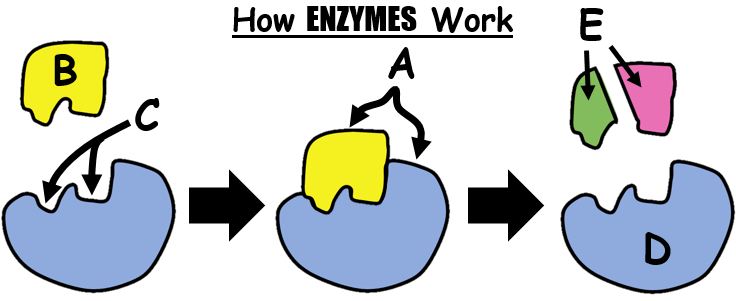
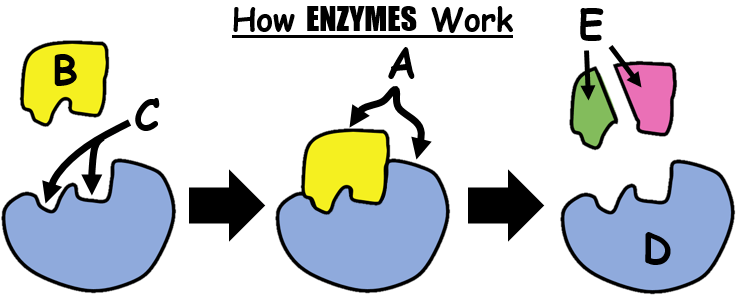
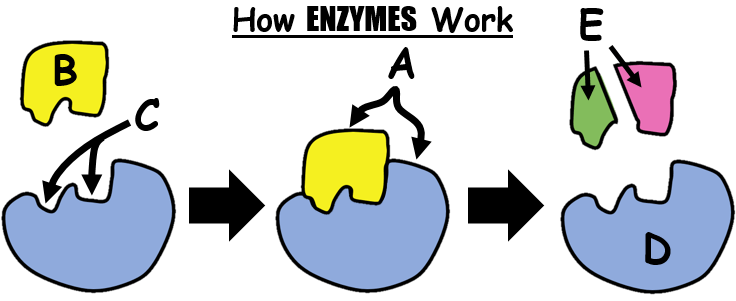
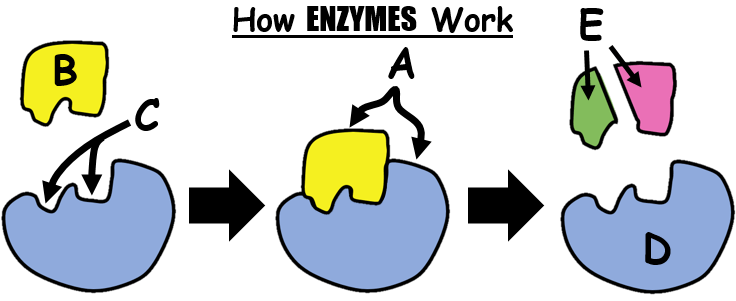
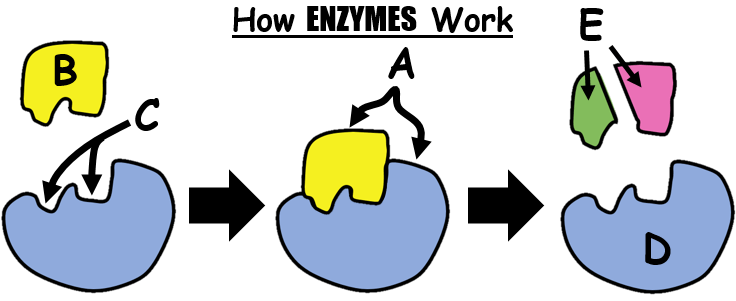
In the diagram, what is letter A? 
a)
product
b)
substrate
c)
enzyme-substrate complex
d)
active site
52.
Letter D...
a)
active site
b)
enzyme
c)
substrate
d)
products
53.
Letter B...
a)
active site
b)
enzyme
c)
substrate
d)
products
54.
Letter C...
a)
active site
b)
enzymes
c)
substrate
d)
products
55.
Letter E...
a)
active site
b)
enzyme
c)
substrate
d)
products
56.
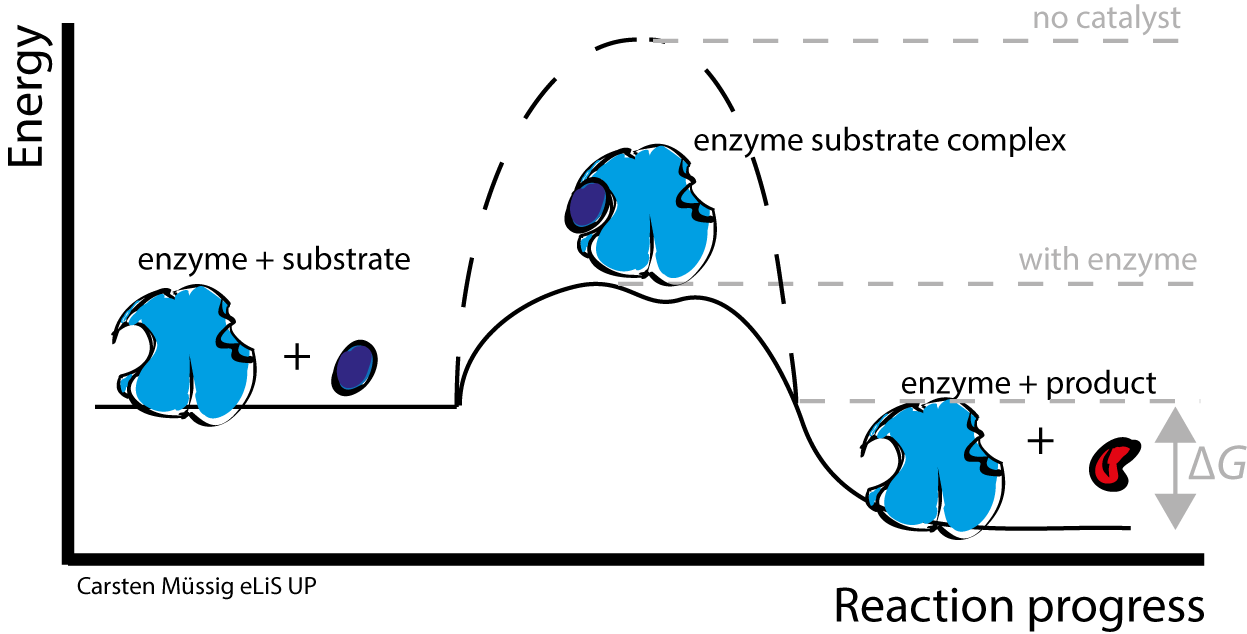
An enzyme speeds up a reaction by
a)
lowering the activation energy.
b)
raising the activation energy.
c)
releasing energy.
d)
absorbing energy.
57.
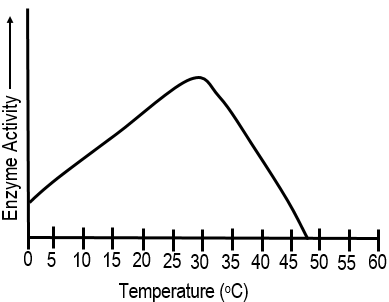
Based on the graph, what is the optimal temperature for this enzyme? 
a)
15oC
b)
40oC
c)
30oC
d)
35oC
58.
An enzyme speeds up a chemical reaction in the cell but can only be used once.  True or False? 
a)
true
b)
false
59.
What makes an enzyme substrate specific?
a)
Size
b)
Shape
c)
Name
d)
Location it is found in
60.
The part of the enzyme that the substrate bonds to is called the _____.
a)
active site
b)
activation energy
c)
bond site
d)
peptide bond
61.

What happens when the external environment of an enzyme falls outside of the optimal range for that enzyme?

a)

The enzyme will denature

b)

The enzyme will keep its shape

c)

The enzyme will increase in size

d)

The enzyme will return to form

62.

Check all that apply- Which factors can stop an Enzyme from functioning

a)

Change in pH

b)

Change in Temperature

c)

Inhibitors

d)

High concentration of substrates

63.

The smallest unit of a living thing

a)

cell

b)

tissue

c)

organ

d)

organ system

e)

organism

64.

Which is the correct order for levels of organization from simple to complex?

a)

cell, organ , tissue, organ system, organism

b)

organism, organ system, tissue, cell, organ

c)

cell, tissue, organ, organ system, organism

d)

organ, tissue, cell, organism, organ system

65.

Which body system is made up of skin, hair, and nails?

a)

Circulatory

b)

Muscular

c)

Integumentary

d)

Immune

66.

Hormones secreted by glands tell the body when it is time to go through puberty and begin producing sex cells (sperm and eggs). This is an example of which two body systems interacting directly?

a)

Circulatory and endocrine

b)

Muscular and reproductive

c)

Endocrine and muscular

d)

Reproductive and endocrine

67.

During the final stages of human birth, receptors for the hormone oxytocin increase on the smooth muscle cells of the uterus. The release of oxytocin during labor stimulates the smooth muscle tissue in the wall of the uterus. The vigorous contraction of the uterine smooth muscle helps push the baby through the birth canal so that delivery can occur. This process involves the interaction of which organ systems?

a)

Endocrine and muscular

b)

Muscular and excretory

c)

Excretory and reproductive

d)

Endocrine and excretory

68.

Which four body systems interact to allow a person to sneeze?

a)

Muscular, immune, nervous, respiratory

b)

Nervous, respiratory, circulatory, skeletal

c)

Respiratory, endocrine, skeletal, circulatory

d)

Lymphatic, skeletal, respiratory, muscular

69.

The pancreas is located near the stomach. The pancreas is classified as an organ because it -

a)

functions independently of other organs or organ systems.

b)

is larger than a tissue and smaller than an organ system.

c)

is composed of several types of organs that work together.

d)

is made of cells found nowhere else in the body.

70.

For an enzyme to be able to catalyze a reaction, the active site must -

a)

Be occupied by an inhibitor

b)

Increase the activation energy level

c)

Have a complementary shape to (ie fit with) the substrate

d)

Cause the enzyme to be destroyed in the reaction

71.

An advertisement for a health supplement for dogs claims to build lean muscle and strengthen tendons and ligaments, as well as provide short term energy. Which two biomolecules must the supplement contain to provide these benefits?

a)

Carbohydrates and lipids

b)

Proteins and carbohydrates

c)

Nucleic acids and carbohydrates

d)

Lipids and nucleic acids

72.

Which biomolecule do living organisms use as long-term energy storage?

a)

carbohydrates

b)

lipids

c)

protein

d)

nucleic acid

73.

Which of the following macromolecules are a prominent part of animal tissues that function in insulation, helping animals conserve heat?

a)

carbohydrates

b)

lipids

c)

proteins

d)

nucleic acids

74.

Which biomolecule includes sugars and starches which provide quick energy?

a)

Lipids

b)

Proteins

c)

Carbohydrates

d)

Nucleic Acids

75.
Which biomolecule group includes fats, oils, and waxes?
a)
Proteins
b)
Nucleic Acid
c)
Lipids
d)
Carbohydrate
76.
Which biomolecule is a main source of quick energy?
a)
Nucleic Acid
b)
Protein
c)
Lipid
d)
Carbohydrate
77.
Which biomolecule is made of nucleotides and contain you DNA?
a)
Carbohydrate
b)
Lipids
c)
Protein
d)
Nucleic Acid
78.

Which biomolecule helps build and repair tissues, including muscle tissue?

a)

Nucleic Acid

b)

Carbohydrate

c)

Protein

d)

Lipids

79.

Which organic molecule is paired with its function?

a)

nucleic acid : to store genetic information

b)

proteins : to provide insulation

c)

lipids : to regulate metabolic processes

d)

carbohydrate : to provide instructions to cells

80.

Which one of these isn't one of the 6 kingdom names?

a)

Animalia

b)

Protista

c)

FUngi

d)

Virusia

81.
Autotrophs- make their own  food.
Heterotrophs- obtain food from other animals.
Observing the table above, Fungi and Animals are________?
a)
Autotrophs
b)
Heterotrophs
82.

The most general (least specific) in the order of classification is?

a)

Kingdom

b)

Phylum

c)

Class

d)

Order

83.
The most specific of the classifications is?
a)
class 
b)
order 
c)
genus 
d)
species
84.
The 2 kingdoms that make up Prokaryotes are?
a)
Animals and Plants 
b)
Protists and Fungi
c)
Archea and Bacteria
85.
What kingdom's organisms often live in super harsh environments?
a)
archea
b)
animalia
c)
plantae
d)
protista
86.
Kingdom, Phylum, Class, _______
a)
Family 
b)
Order
c)
Genus 
d)
Species
87.
Which of the following organisms are LEAST closely related?
a)
organisms that share a domain
b)
organisms that share a family 
c)
organisms that share a genus 
d)
organisms that share a species 
88.
The 8 levels of classification, most broad to most specific.
a)
Domain, Genus, Family, Order, Class, Phylum, Kingdom, Species
b)
Domain, Species, Kingdom, Genus, Phylum, Family, Class, Order
c)
Domain, Kingdom, Phylum, Class, Order, Family, Genus, Species
d)
Order, Kingdom, Species, Domain, Phylum, Family, Class, Genus
89.
Which organisms are most closely related?
a)
Equus caballas (Horse) & Equus burchellii (Zebra)
b)
Cyanea artica (Jellyfish) &
Ctenodiscus crispatus (Mud Starfish)
c)
Naja naja (cobra) & Glycine max (soya bean)
d)
Ophiocomina nigra (black brittle star) & Brassica nigra (black mustard)
90.

Why do scientists use scientific names?

a)

to confuse people

b)

to have a common language and avoid confusion

c)

to allow people to say the same thing

d)

because common names are not appropriate
91.
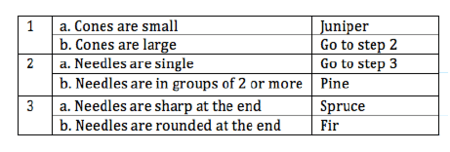
A dichotomous key for trees is provided. Hikers found a tree that has large brown cones and single sharp needles. What species of tree have the hikers found?
a)
Juniper
b)
Pine
c)
Spruce
d)
Fir
92.
Using this dichotomous key, identity the name of the circled fish.
a)
band-tail puffer
b)
spotted goat fish
c)
peacock flounder
d)
trumpet fish
93.

A cell with nucleus is

a)

Autotrophic

b)

Prokaryotic

c)

Eukaryotic

d)

Heterotrophic

94.

Kingdom with the following characteristics: eukaryotic cells, unicellular or multicellular, autotrophic or heterotrophic

a)

Fungi

b)

Eubacteria

c)

Protista

d)

Plant

95.

Type of cell with no nucleus

a)

Chloroplast

b)

Eukaryotic

c)

Prokaryotic

96.

Kingdom with the following characteristics: eukaryotic cells, cell walls, and heterotrophic

a)

Protoctista

b)

Fungi

c)

Animal

d)

Plant

97.
One example of a prokaryote is a...
a)
fungus
b)
bacteria
c)
animal
d)
plant
98.
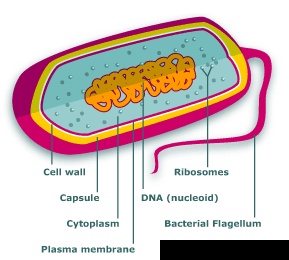
Which type of cell?
a)
Prokaryote
b)
Eukaryote
99.
Bacteria are a type of...
a)
Prokaryote
b)
Eukaryote
c)
both
100.
What is the purpose of a dichotomous key?
a)
to find a common ancestor
b)
to show the evolution of organisms
c)
to show relationships between organisms
d)
to identify organisms
101.
The science of describing, classifying, and naming living things is called:
a)
Geology
b)
Biology
c)
Taxonomy
d)
Chemistry
102.

Which of the following is possible?

a)

Two organisms that belong to the same family but different domains

b)

Two organisms that belong to the same genus but different species

c)

Two organisms that belong to the same order but different phyla

d)

Two organisms that belong to the same species but different kingdoms

103.

In a scientific name, the first word is the ____________ and the second word is the ___________.

a)

domain; kingdom

b)

species; kingdom

c)

genus; species

d)

order; species

104.

Which of the following lists include all the kingdoms with autotrophic organisms?

a)

Eubacteria, Archaebacteria, Protista, Plantae

b)

Eubacteria, Archaebacteria, Fungi, Plantae

c)

Eubacteria, Archaebacteria, Plantae

d)

Plantae

105.

Scientists around the world use a standardized taxonomic system. Why would scientists want to use a taxonomic system that is standardized?

a)

In order to avoid confusion with the identification of organisms

b)

Because Linnaeus established the system

c)

So that Latin names can be applied for a practical purpose

d)

In order to place organisms in different groups

106.

The taxonomic classifications of four species of amphibians are shown. Based on the information provided, which two species are most closely related?

a)

Northern cricket and bullfrog

b)

Northern leopard frog and green treefrog

c)

Northern cricket frog and green treefrog

d)

Northern leopard frog and bullfrog

107.

The Linnaean taxonomic system classifies organisms into divisions caused taxa. If two organisms belong to the same taxonomic group, they are related. Similarity at which of these levels indicates the closest relationship?

a)

Kingdom

b)

Class

c)

Order

d)

Genus

108.

Which of the following kingdoms are eukaryotic?

a)

Plantae, Animalia, Fungi, Archeabacteria

b)

Eubacteria, Archeabacteria, Protista

c)

Plantae, Animalia, Fungi, Protista

d)

Plantae, Animalia, Fungi

109.

Which of the following characteristics do animals and fungi have in common?

a)

Both have cell walls

b)

Both are heterotrophic

c)

Both are prokaryotic

d)

Both are unicellular

110.

Based on this key, which two fish have eyes located on either side of their head and are not spotted?

a)

Glassy sweeper and squirrelfish

b)

Glassy snapper and spotted eagle ray

c)

Spotted goatfish and bandtail puffer

d)

Peacock flounder and glassy sweeper

111.

Which biomolecule do living organisms use as long term energy storage and insulation?

a)

carbohydrates

b)

lipids

c)

protein

d)

nucleic acid

112.
Which biomolecule is made of nucleotides and contain you DNA?
a)
Carbohydrate
b)
Lipids
c)
Protein
d)
Nucleic Acid
113.
Which biomolecule helps form muscles?
a)
Nucleic Acid
b)
Carbohydrate
c)
Protein
d)
Lipids
114.
Which organic molecule is paired with its function?
a)
nucleic acid : to store energy
b)
proteins : to provide insulation
c)
lipids : to regulate metabolic 
d)
carbohydrate : to provide quick–release energy
115.
Autotrophs- make their own  food.
Heterotrophs- obtain food from other animals.
Observing the table above, Fungi and Animals are________?
a)
Autotrophs
b)
Heterotrophs
116.
The most general in the order of classification is?
a)
Kingdom 
b)
Phylum 
c)
Class 
d)
Order
117.
The most specific of the classifications is?
a)
class 
b)
order 
c)
genus 
d)
species
118.
The 2 kingdoms that make up Prokaryotes are?
a)
Animals and Plants 
b)
Protists and Fungi
c)
Archea and Bacteria
119.
Which of the following organisms are LEAST closely related?
a)
organisms that share a domain
b)
organisms that share a family 
c)
organisms that share a genus 
d)
organisms that share a species 
120.
The 8 levels of classification, most broad to most specific.
a)
Domain, Genus, Family, Order, Class, Phylum, Kingdom, Species
b)
Domain, Species, Kingdom, Genus, Phylum, Family, Class, Order
c)
Domain, Kingdom, Phylum, Class, Order, Family, Genus, Species
d)
Order, Kingdom, Species, Domain, Phylum, Family, Class, Genus
121.
Which organisms are most closely related?
a)
Equus caballas (Horse) & Equus burchellii (Zebra)
b)
Cyanea artica (Jellyfish) &
Ctenodiscus crispatus (Mud Starfish)
c)
Naja naja (cobra) & Glycine max (soya bean)
d)
Ophiocomina nigra (black brittle star) & Brassica nigra (black mustard)
122.

Why do scientists use scientific names?

a)

to confuse people

b)

to have a common language and avoid confusion

c)

to allow people to say the same thing

d)

because common names are not appropriate

123.
A dichotomous key for trees is provided. Hikers found a tree that has large brown cones and single sharp needles. What species of tree have the hikers found?
a)
Juniper
b)
Pine
c)
Spruce
d)
Fir
124.
A dichotomous key for trees is provided. Hikers found a tree that has large brown cones and single sharp needles. What species of tree have the hikers found?
a)
Juniper
b)
Pine
c)
Spruce
d)
Fir
125.

A cell with nucleus is

a)

Autotrophic

b)

Prokaryotic

c)

Eukaryotic

d)

Heterotrophic

126.

A cell with nucleus is

a)

Autotrophic

b)

Prokaryotic

c)

Eukaryotic

d)

Heterotrophic

127.
Which type of cell?
a)
Prokaryote
b)
Eukaryote
128.
Which type of cell?
a)
Prokaryote
b)
Eukaryote
129.
Bacteria are a type of...
a)
Prokaryote
b)
Eukaryote
c)
both
130.
Energy increases as you move up the food pyramid (from bottom to top).
a)
True 
b)
False
131.
What percentage of energy is passed on to each tropic level?
a)
10%
b)
50%
c)
90%
d)
100%
132.

In this food chain, what trophic level do the organisms belong to?

a)

Grass: producer, grasshopper: primary consumer, frog: secondary consumer

b)

Grass: primary consumer, grasshopper: secondary consumer, frog: tertiary consumer

c)

Grass: primary consumer, grasshopper: tertiary consumer consumer, frog: quaternary consumer

d)

Eagle: producer, snake: primary consumer, frog: secondary consumer

133.
Use the diagram to answer the question.
The Mayfly is a food source for which 3 organisms?
a)
Frog, Dragon Fly and snake
b)
Frog, trout and dragon fly
c)
Frog, salamander and trout
d)
Frog and phytoplankton
134.
Insecticides are sprayed over a large area in an effort to reduce the number of grasshoppers that are eating the corn plants. How will this change affect this food chain? 
a)
The number of grasshoppers will increase
b)
The number of lizards will increase
c)
The number of lizards and hawks will decrease
d)
The number of grasshoppers, lizards, and hawks will decrease
135.
In the 1850s, Thomas Austin released approximately twenty-four rabbits from Europe into the Australian countryside. By 1900, tens of millions of rabbits were found all over the Australian continent. The warm Australian climate, abundant farmland, and crops provided the perfect habitat for the rabbits. The rabbits caused extensive damage to all vegetation, and the lack of plants increased soil erosion. Why were the rabbits so successful? 
a)
the rabbits competed with local herbivores for food
b)
the rabbits did not have natural predators
c)
erosion of soil benefited the rabbits
d)
diseases helped decrease rabbit populations
136.

Which of the following would be the most likely effect, if there were a sudden increase in the cricket population?

a)

There would be a decrease in the small bird population.

b)

There would be a decrease in the grass/flowers population.

c)

There would be a decrease in the mice population.

d)

There would be an increase in the grass/flowers population.

137.

Which of the following best describes primary succession?

a)

Volcano wipes out ecosystem that gradually grows back from ash covered soil

b)

Volcano creates a new island of rock that must break down to form an ecosystem

c)

Forest fire burns down forest that must bounce back over time

d)

Tornado destroys a crop that must slowly grow back over time.

138.

Which progression best explains secondary succession?

a)

lichens>grass>shrubs>small trees> big trees

b)

mosses>creates soil>grasses>small trees> big trees

c)

Fire destroys ecosystem>grasses>shrubs>small trees>big trees

d)

Volcano forms new island> lichens>grasses>shrubs>small trees>big trees

139.

Natural disasters such as flooding and tornadoes that leave soil in tact are linked to ________________.

a)

primary succession

b)

secondary succession

c)

old field

d)

ecosystem

140.
Ostriches and gazelles eat together.  They both watch for predators and danger.  Since they see things differently, they each can identify threats the other animal may not see.  Both species are benefited.  
a)
mutualism
b)
commensalism
c)
predation
d)
parasitism
141.
A bison walks through the grass, insects fly up and are seen and eaten by egretsThis neither harms nor helps the bison, but it is easier for the egrets to get food.
a)
mutualism
b)
parasitsm
c)
commensalism
d)
competition
142.
Cattle egrets are birds that forage in fields among cattle. The egrets get easy access to food and the cattle don't care if they are there or not.
a)
mutualism
b)
commensalism
c)
competition
d)
parasitism
143.
in this food web, the lizard and the hawk have this relationship
a)
mutualism
b)
commensalism
c)
predation
d)
parasitsm
144.
Which of the following removes carbon from the atmosphere?
a)
Combustion
b)
Respiration
c)
Photosynthesis
d)
Death
145.

Humans burn fossil fuels and wood, releasing carbon dioxide into the atmosphere. This carbon dioxide is then absorbed by trees for photosynthesis. These processes are contributory to which chemical cycle?

a)

The carbon cycle

b)

The water cycle

c)

The nitrogen cycle

d)

The phosphorous cycle

146.

Which formula correctly shows the process of photosynthesis?

a)

glucose + oxygen -> carbon dioxide + water

b)

glucose + carbon dioxide -> oxygen + water

c)

carbon dioxide + water -> oxygen + glucose

d)

carbon dioxide + oxygen -> glucose + water

147.

Which formula correctly shows the process of cellular respiration?

a)

glucose + oxygen -> carbon dioxide + water

b)

glucose + carbon dioxide -> oxygen + water

c)

carbon dioxide + water -> oxygen + glucose

d)

carbon dioxide + oxygen -> glucose + water

148.

How are cellular respiration and photosynthesis related?

a)

They have the same products

b)

They have the same reactants

c)

The products of photosynthesis are the reactants of cellular respiration

d)

The products of photosynthesis change the structure of the reactants in cellular respiration in the presence of light.

149.

How do an increase in the organic matter in soil and an increase in soil depth affect the population of plants in an area?

a)

Larger plants become the dominant organisms.

b)

Mosses replace flowering plants.

c)

Nitrogen-fixing bacteria kill young trees.

d)

Grasses become diseased.

150.

Which of the following is a way that humans impact with the carbon cycle?

a)

Burning fossil fuels adds carbon to atmosphere

b)

Deforestation reduces the number of plants doing photosythesis

c)

Humans perform cellular respiration and exhale carbon dioxide to atmosphere

d)

All of the above

151.
Using this dichotomous key, identity the name of the circled fish.
a)
band-tail puffer
b)
spotted goat fish
c)
peacock flounder
d)
trumpet fish
152.

Which of the following is possible?

a)

Two organisms that belong to the same family but different domains

b)

Two organisms that belong to the same genus but different species

c)

Two organisms that belong to the same order but different phyla

d)

Two organisms that belong to the same species but different kingdoms

153.

Which of the following kingdoms are eukaryotic?

a)

Plantae, Animalia, Fungi, Archeabacteria

b)

Eubacteria, Archeabacteria, Protista

c)

Plantae, Animalia, Fungi, Protista

d)

Plantae, Animalia, Fungi

154.

In this food web, which organism might increase if the hawk population decreased?

a)

Grasshopper due to increased predation

b)

Rabbit due to increased predation

c)

Mountain lion due to decreased competition

d)

Deer due to decreased competition

155.

Which of the following indicates the pathway of water through a plant?

a)

root hair cell --> xylem --> stomata

b)

stomata --> root hair cell --> xylem

c)

xylem --> stomata --> root hair cell

d)

root hair cell --> phloem --> stomata

156.

Select all of the environmental factors that would increase transpiration.

a)

Increased humidity

b)

Increased wind speed

c)

Increased temperature

d)

Decreased surface area

157.

Which statement correctly identifies the substance and direction it is transported in the xylem?

a)

Water, only upwards

b)

Glucose, only upwards

c)

Water, up and down the plant

d)

Glucose, up and down the plant

158.

Which statement correctly identifies the substance and direction it is transported in the phloem?

a)

Water, only upwards

b)

Water, up and down the plant

c)

Glucose, only upwards

d)

Glucose, up and down the plant

159.

Which is NOT a function of roots?

a)

Take in water

b)

Take in minerals

c)

Anchor plant to ground

d)

Make food

160.
Pores called __________ allow plants to exchange gases for respiration and photosynthesis. 
a)
stomata
b)
guard cells
c)
palisade mesophyll
d)
cuticles
161.
Transpiration is
a)
the movement of water through a plant from the roots up the stem
b)
the loss of water from the leaves of a plant by the process of evaporation
c)
the flow of water into plant roots by osmosis from the soil
d)
the process of minerals and sugars moving through plant veins
162.

Define vascular tissue

a)

Photosynthetic organs that contain one or more bundles of vascular tissue

b)

The vascular tissue through which food moves in some plants

c)

Tissue that conducts water, hormones and nutrients (glucose) through the plant body in higher plants

d)

The type of tissue in vascular plants that provides support and conducts water and nutrients from the roots

163.
 ______ transports water and some nutrients up from the roots to the rest of the plant. 
a)
xylem
b)
phloem
c)
stoma
d)
spongy mesophyll
164.
Plant loses water through the ________. 
a)
roots 
b)
stomata 
c)
chlorophyll
d)
stem
165.
What organelle in the leaves of plants capture light energy from the sun to complete photosynthesis?
a)
Chloroplasts
b)
Mitochondria
c)
Nucleus
d)
Ribosomes
166.

What is the waxy layer on leaves?

a)

Chloroplasts

b)

Plastic

c)

Cuticle

167.
What is the effect of increasing wind speed on transpiration?
a)
It increases transpiration rate
b)
It decreases transpiration rate
168.
What gas is TAKEN IN during photosynthesis?
a)
argon
b)
nitrogen
c)
oxygen
d)
carbon dioxide
169.
Which is a function of the stem?
a)
to be green
b)
to support the plant
c)
to absorb nutrients from the soil
d)
to talk about science, technology, engineering, and math
170.
Which is a function of the leaves?
a)
to provide shade
b)
to attract pollinators
c)
to make food through photosynthesis
d)
to absorb nutrients
171.

Stomata are made of specialized cells called ______ which surround a tiny pore/opening

a)

stoma

b)

guard cells

c)

dermal cells

d)

diffusion channels

172.

The main function of stomata is to

a)

capture sunlight

b)

protect leaves from insects

c)

allow gases to move rapidly in/out of leaves

d)

release sugars into the atmosphere

173.

A plant's response to any stimulus

a)

dormancy

b)

tropism

c)

hibernation

d)

pollination

174.

A plant's response to touch

a)

thigmotropism

b)

geotropism

c)

hydrotropism

d)

dormancy

175.

The movement of roots toward the ground or the movement of stems away from the ground

a)

hydrotropism

b)

geotropism

c)

thigmotropism

d)

phototropism

176.

The movement of a plant's roots toward water in the soil

a)

thigmotropism

b)

geotropism

c)

phototropism

d)

hydrotropism

177.

The movements in a plant in response to light

a)

phototropism

b)

geotropism

c)

hydrotropism

d)

thigmotropism

178.

Why does a plant stem grow upward away from the soil?

a)

homietropism

b)

positive thigmotropism

c)

negative geotropism

d)

negative hydrotropism

179.

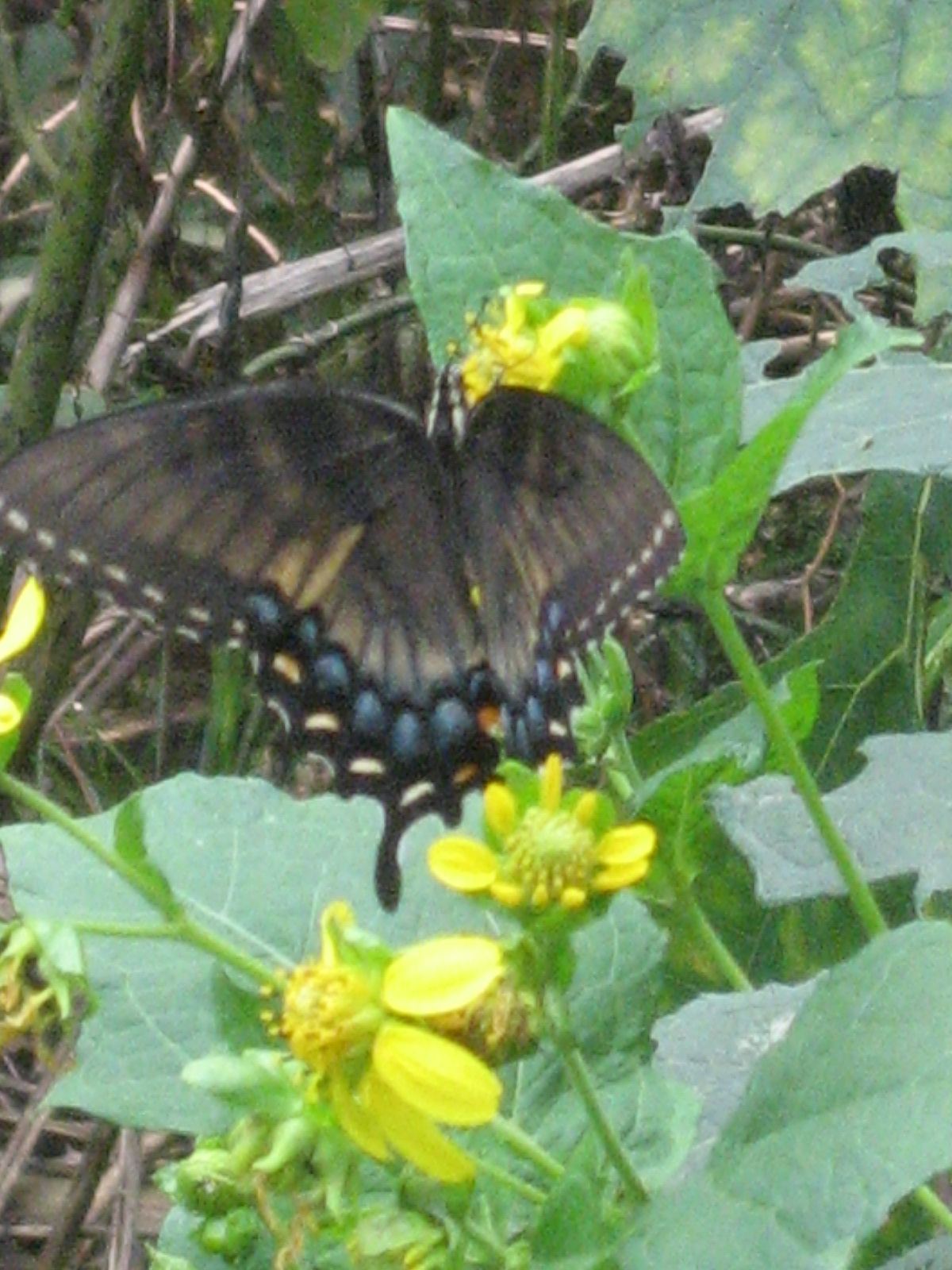
What is the stimulus in this example?

a)

Internal

b)

Light

c)

Touch

d)

Temperature

180.
The part of the flower on which the pollen grains land.
a)
anther
b)
stamen
c)
style
d)
stigma
181.
The part of the stamen that produces pollen grains is the ___.
a)
anther
b)
pistil
c)
filament
d)
ovary
182.
Pollination can occur between flowers of the same plant. 
a)
True 
b)
False 
183.

Pollination is the process by which pollen

a)

causes people to sneeze

b)

is formed inside a plant

c)

moves from anther to stigma

d)

moves from stigma to stamen

184.
Brightly colored parts of flowers that attract insects.
a)
petals
b)
pistils
c)
stamen
d)
filaments
185.
The stalk connecting the ovaries and stigmas.
a)
filament
b)
pistil
c)
style
d)
anther
186.
What is the male part of the flower used during reproduction?
a)
Pistil
b)
Stigma
c)
Stamen
d)
Pollination
187.
What is the female part of the flower used during reproduction?
a)
Pistil
b)
Petal
c)
Stigma
d)
Stamen
188.

What happens when you place an over ripe banana in a fruit bowl with other fruit?

a)

Nothing will happen

b)

The other fruit will grow in size

c)

Ethylene gas will cause the fruit to grow mold

d)

Ethylene gas will cause the other fruit to ripen

189.

what type of tropism is occurring here?

a)

phototropism

b)

thigmotropism

c)

geotropism

d)

tropictropism

190.

Hormones are responsible for _____________ of a plant

a)

Colour change

b)

Water collection

c)

Photosynthesis

d)

Tropisms

191.

My banana has become black and soft. This is because of

a)

Auxins

b)

Cytokinins

c)

Ethylene

d)

Abscisic acid

e)

Gibberellins