
Font size
 Worksheets
REVIEW: Astronomy 2 (Earth, Sun, Moon and Water Cycle)
Total questions: 150
Worksheet time: 2hrs 21mins


What is the earth's tilt in degrees
205
22.5
23.5
24.5
What is an Equinox
Full tilt toward sun
Full tilt away from sun
Shortest day
Equal day and night
define a solstice
Full tilt toward sun
equal day and night
10 degrees toward sun
10 degrees away from sun
What is the name of the first day of summer
Autumnal equinox
Winter solstice
Vernal equinox
Summer solstice
What is the name of the first day of winter
Winter solstice
Vernal equinox
Autumnal equinox
Summer solstice
What is the name of the first day of spring
Autumnal equinox
Vernal equinox
Winter solstice
Summer solstice
What is the name of the first day of fall
Winter solstice
Summer solstice
Autumnal equinox
Vernal equinox
Name the season with the longest day
Vernal equinox
Autumnal equinox
summer solstice
Winter solstice
Name the season with the shortest day
Winter solstice
Summer solstice
Vernal equinox
Autumnal equinox
If the Earth suddenly stopped having seasons, what could be the likely causes?
The Moon disappeared.
The Earth is no longer tilted.
The Earth's rotation has increased.
The Earth moved farther away from the Sun.
When the Northern Hemisphere is pointing towards the Sun, what season is the Southern Hemisphere experiencing?
Summer
Spring
Winter
Fall
How long does it take the Earth to make one REVOLUTION around the Sun?
12 hours
24 hours
29.5 days
365 days/one year
What is the reason we have seasons?
Earth's resolution
Earth rotation and revolution
Earth's tilt and revolution

What season is the Northern Hemisphere in for letter D?
_______ is the spinning of an object around an axis
Revolution
Rotation
Season
The movement of one object around another is called a ____.
Rotation
Equinox
Revolution
The length of the day increases in the _______, and decreases in the _______.
summer, winter
winter, summer
fall, spring
spring, fall
A solstice event occurs when
the sun's rays reach their highest or lowest point in respect to the equator
the sun's rays shine most directly at the equator
the Earth has it's longest period of daylight hours
How many types of Solstices are there?
4
2
1
3
Vernal equinox marks the onset of which season?
Summer
Autumn
Spring
Winter
The autumnal equinox will occur for the northern hemisphere in
March
September
June
December

During the event pictured at number 2, which of the following would occur?
The northern hemisphere would receive the most direct sunlight
The northern hemisphere would experience the longest day
The southern hemisphere would experience the longest day
The sun's rays would be focused most directly on the equator

The events labeled 1 and 3 are called
solstices
equinoxes
There are ______ equinoxes and __________ solstices.
3, 3
1, 1
4, 4
2, 2
During which season would we experience the longest daytime period of the year?
Winter
Fall
Spring
Summer
What is a characteristic of an equinox?
When the earth is farthest from the sun
When we have the longest night of the year
When Earth is closest to the sun
When we have equal length of day and night
Why is summer warmer than winter?
The hemisphere experiencing summer is tilted more directly toward the sun
During summer, the entire planet is closer to the sun
The sun radiates more energy during summer
Earth spins slower on its axis during summer
Which one is NOT a phase of the moon?
Full
Half
New
Rotation
How many days does it take the Moon to travel around the Earth?
24
29
12
365


What is the name of the force that holds Earth in orbit around the Sun?
rotation
revolution
gravity
motion

The apparent motion of the Sun moving across the sky is due to the Earth's
rotation
revolution
gravity
orbit


Differences in the moon's and sun's pull on different sides of the Earth cause _________.
gravity
lunar phases
tides
rotation


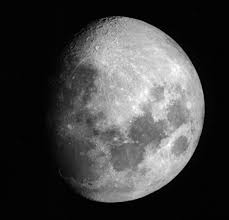
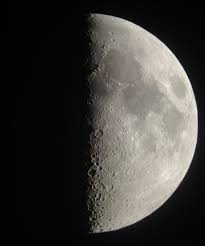
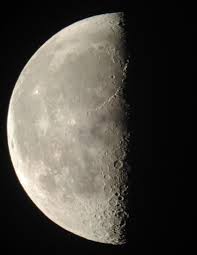


Ebb is when the tide is...
rising
falling

During the moon phases shown in the image Earth will experience a -
Spring Tide
Neap Tide

During the moon phases shown in the image Earth will experience a -
Spring Tide
Neap Tide

During the moon phase shown in the image Earth will experience a -
Spring Tide
Neap Tide

During the moon phase shown in the image Earth will experience a -
Spring Tide
Neap Tide

During the moon phase shown in the image Earth will experience a -
Spring Tide
Neap Tide

During the moon phase shown in the image Earth will experience a -
Spring Tide
Neap Tide
During which moon phases will Earth experience the strongest, or greatest difference between high and low tides?
First Quarter and Full Moon
First Quarter and Last Quarter
New Moon and Full Moon
New Moon and Last Quarter
During which moon phases will Earth experience the weakest, or least difference between high and low tides?
First Quarter and Full Moon
First Quarter and Last Quarter
New Moon and Full Moon
New Moon and Last Quarter
Neap tides occur when the Earth, Sun and Moon are
At a 90 degree angle
In a straight line
Spring tides occur when the Earth, Sun and Moon are
At a 90 degree angle
In a straight line
Which diagram shows the arrangement of the Earth, Sun and Moon during a Neap Tide?


Which example is a form of precipitation?
Dew
Fog
Frost
Hail
As a part of the water cycle, water from Earth's surface enters the clouds and finally falls back to the ground in the form of rain. What is the correct sequence of processes water undergoes?
Evaporation, Condensation, Precipitation
Precipitation, Condensation, Evaporation
Condensation, Evaporation, Precipitation
Evaporation, Precipitation, Condensation
What would happen if the Sun is removed from the water cycle?
The water cycle would not include precipitation but would continue with groundwater flow.
The water cycle would no longer occur because the Sun provides the energy for evaporation and transpiration.
The water cycle would no longer occur because the Sun provides energy for the formation of clouds.
The water cycle would not include evaporation and transpiration but would continue with condensation.

A student draws a model to represent the precesses involved in the water cycle, as shown. To which process is the formation of clouds related?
Condensation
Evaporation
Freezing
Melting

The image shows various stages in the water cycle. During which stage does water flow back towards the sea as runoff?
W
X
Y
Z
On Earth, what process generates most of the water vapor?
Condensation
Evaporation
Precipitation
Transpiration
Rain and snow are two different forms of precipitation that fall on Earth's surface. Which factor is responsible for there being different forms of precipitation?
Evaporation
Run-off
Temperature
Transpiration

What is the energy source that drives the water cycle?
The moon T
The heat from our home in the winter all around the world
The sun
he heat generated solely from the core of the earth

What are formed when water vapor condenses?
Clouds
Mountains
Transpiration
Valleys

Water in its gas form is called ____________________,
water vapor
precipitation
ice
air
____________________ is the process by which water on the ground surface enters the soil. ________________ rate in soil science is a measure of the rate at which soil is able to absorb rainfall or irrigation.
Infiltration
Percolation
Deposition
Condensation
__________________ is the process by which moisture is carried through plants from roots to small pores on the underside of leaves, where it changes to vapor and is released to the atmosphere. ______________ is essentially evaporation of water from plant leaves.
Transpiration
Percolation
Infiltration
Plant Uptake
Water that flows across the land and enters rivers and streams. It eventually flows into lakes and the ocean.
Snowmelt runoff
Surface Runoff
Deposition
Precipitation
__________________ is surface runoff produced from melting snow. It can also be used to describe the period or season during which such runoff is produced.
Surface Runoff
Snowmelt Runoff
Groundwater Flow
Precipitation

Filtering, as in water filtering through rocks and sediments.
porosity
percolation
permeability
condensation
Water soaking into the ground after precipitation occurs.
condensation
evaporation
infilitration
accumulation
The large underground bodies of water containing fresh water used by humans are called:
Aquifers
Runoffs
Ponds
Collections
The amount of water on earth grows by _______ each year.
0%
5%
15%
25%
Precipitation occurs when:
Water droplets become too heavy
Water droplets become too light
Water droplets evaporate
Water droplets transpire
The flow of runoff into a larger body of water is called:
Collection
Groundwater
Precipitation
Condensation
What step of the hydrologic cycle is responsible for transporting pollution from farms into nearby streams, rivers and eventually to lakes?
run-off
infiltration
evaporation
condensation
__________________ is the process by which moisture is carried through plants from roots to small pores on the underside of leaves, where it changes to vapor and is released to the atmosphere. ______________ is essentially evaporation of water from plant leaves.
Transpiration
Percolation
Infiltration
Plant Uptake

What is released into the sea to cause ocean acidification?
Carbon dioxide
Nitrogen
Oxygen
Carbon monoxide

