
 Worksheets
7.1 Solutions Solubility Concentration Notes Practice
Total questions: 45
Worksheet time: 41mins
Rate your understanding of solutions, solubility. and concentration.
* I'm Lost
** I get some of it
*** I get it; I just need more practice
**** I feel super confident
This is a mixture that has the same composition, color, density, and taste throughout.
Solution
Solute
Solvent
Solubility
A solution has which of the following characteristics
mixture
substance
homogenous composition
same density
same chemical characteristics throughout
Type the name of a state of matter that solutions can be in
(a)
Substance being dissolved
solute
solvent
solution
solubility
Substance doing the dissolving
solute
solvent
solution
solubility

Water is the univeral ____.
solute
solvent
solution
solute + solvent =
solution
equation
You make a pitcher of lemonade by adding lemon juice, sugar, ice and water. Which of the following are the solutes in the solution?
Lemon juice
Sugar
Water
Ice
Which of the following are ways to speed up the dissolving process
stirring
increase surface area
increase temperature
decrease temperature
shaking
Rate your understanding of solutions, solubility. and concentration.
* I'm Lost
** I get some of it
*** I get it; I just need more practice
**** I feel super confident
Fish breathe oxygen, which is dissolved in water. Is the oxygen the fish breathe considered to be the solute or solvent?
Solute
Solvent
This brings more solvent in contact with the solute without chnaging the size of the particles
stirring
increase surface area
increase temperature
This brings more solvent in contact with the solute by changing the size of the particles
stirring
increase surface area
increase temperature
This speeds up particles causing them to bump each other, breaking apart and coming in contact with the solvent.
stirring
increase surface area
increase temperature
The ability to disolve
Solubility
Concentration
Concentrated
Dilute
maximum amount of solute that can be dissolved in a given amount of solvent at a temperature
Solubility
Concentration
Concentrated
Dilute
The percent by volume of solute in solvent
Solubility
Concentration
Concentrated
Dilute
Which are the types of concentrations
Solubility
Unsaturated
Concentrated
Dilute
Supersaturated
Which describes a concentration of a large amount of solute in solvent
Solubility
Unsaturated
Concentrated
Dilute
Supersaturated
Which describes a conentration of a small amount of solute in solvent
Solubility
Unsaturated
Concentrated
Dilute
Supersaturated
Rate your understanding of solutions, solubility. and concentration.
* I'm Lost
** I get some of it
*** I get it; I just need more practice
**** I feel super confident
Which of the following are types of Solutions
Dilute
Saturated
Concentrated
Unsaturated
Supersaturated
Which of the following describes a solution that contains enough solute to make the solution unstable
Dilute
Saturated
Concentrated
Unsaturated
Supersaturated
Which of the following describes a solution that is able to dissolve more solute at a given temperature
Dilute
Saturated
Concentrated
Unsaturated
Supersaturated
Which of the following describes a solution that contains all the solute it can hold at a given temperature
Dilute
Saturated
Concentrated
Unsaturated
Supersaturated

Which of the solutions above is the most dilute
A
C
E
They are all the same concentration
Rate your understanding of solutions, solubility. and concentration.
* I'm Lost
** I get some of it
*** I get it; I just need more practice
**** I feel super confident
Which solution is more concentrated?
Solution 1:
500 mL of water
100 g of salt
Solution 2:
500 mL of water
90 g of salt
Solution 1
Solution 2
They have the same concentration
I have no idea
In order to dilute a solution, you need to
add more of the solid
add more water
find the mass
find the volume
Which solution is more diluted?
Solution 1:
1000 mL of water
60g of salt
Solution 2:
500 mL of water
60 g of salt
Not enough information to tell
Solution 1
Solution 2
They are equally diluted
When no more solute dissolves the solution is _________
supersaturated
unsaturated
saturated
supercalifragilisticexpialidocious

A student is preparing solutions for a laboratory experiment by dissolving solid solutes in liquid solvents. Which action will increase the rate of solubility
lowering the temperature of the solvent
stirring the solute in the solution
increasing the pressure on the solution
increasing the particle size of the solute
By definition a solution is a ____________ mixture that consists of a solvent and solute.
homogeneous
heterogeneous
colloid
solid
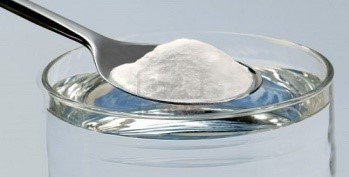
Rate your understanding of solutions, solubility. and concentration.
* I'm Lost
** I get some of it
*** I get it; I just need more practice
**** I feel super confident

