
 Worksheets
Electrochemistry and Corrosion
Total questions: 71
Worksheet time: 50mins
What is reduction?
It is the gain of electrons.
It is the loss of electrons.
It is the creation of electrons.
It is the destruction of electrons.
What is oxidation?
It is the gain of electrons.
It is the loss of electrons.
It is the creation of electrons.
It is the destruction of electrons.
What is an anode?
It is the electrode where oxidation takes place.
It is the electrode where reduction takes place.
It is an aqueous solution containing an electrode.
It is the salt bridge that connects half-cells.
What is a cathode?
It is the electrode where oxidation takes place.
It is the electrode where reduction takes place.
It is an aqueous solution containing an electrode.
It is the salt bridge that connects half-cells.
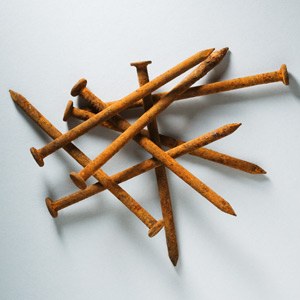

What conditions are required for rusting?
water only
oxygen only
water and oxygen
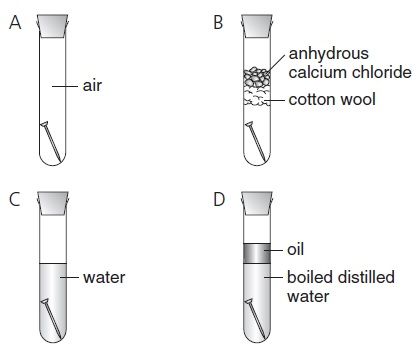
In which test tube would you expect the nail to rust the most?
A
B
C
D
Which of the following is true about an electrolyte?
I Electrolyte conducts electricity in molten state.
II Electrolyte conducts electricity in solid state.
III Electrolyte is soluble in water.
IV Electrolyte undergoes chemical decomposition when it conducts electricity.
I and II only
II and III only
II and IV only
I and IV only
Which of the following is not an electrolyte?
Molten glucose
Aqueous ammonia
Molten lead (II) bromide
Molten potassium iodide

Which of the following is most probably substance X?
Molten napthalene
Pure ethanol
Solid lead (II) bromide
Potassium iodide solution
Oxidation is the loss of electrons from some chemical species.
True
False
The oxidation state of a species undergoing oxidation decreases
True
False
The oxidation state of the species undergoing reduction is
decreased
increased
no change

Kind of cell in the picture
galvanic
electrolytic
Using iron as a cathode to prevent corrosion
cathodic protection
passivation
galvanization
coating
The species oxidized in corrosion
Fe
O2
Mg
Species reduced in corrosion
O2
Fe
Mg
Salinity favors corrosion.
True
False

Kind of cell in the picture
electrochemical
voltaic
electrolytic
galvanic
Uses electrical energy to pump electrons.
galvanic cell
voltaic cell
electrochemical cell
electrolytic cell
In the reaction: Fe + Cu2+ --->Fe2+ + Cu
What species is oxidized?
Fe
Cu2+
Fe2+
Cu
In the reaction: Fe + Cu2+ --->Fe2+ + Cu
What species is reduced?
Fe
Cu2+
Fe2+
Cu
In the reaction: Fe + Cu2+ --->Fe2+ + Cu
What is the oxidant?
Fe
Cu2+
Fe2+
Cu
In the reaction: Fe + Cu2+ --->Fe2+ + Cu
What is the reductant?
Fe
Cu2+
Fe2+
Cu
In the reaction: Fe + Cu2+ --->Fe2+ + Cu
How many electrons are gained?
2
0
4
6
In the reaction: Fe + Cu2+ --->Fe2+ + Cu
How many electrons are lost?
0
2
4
6
In the reaction: Fe + Cu2+ --->Fe2+ + Cu
Which half-reaction can be found in the anode?
Fe + 2e- ----> Fe2+
Fe ----> Fe2+ + 2e-
Cu2+---->Cu + 2e-
Cu2+ + 2e----> Cu
In the reaction: Fe + Cu2+ --->Fe2+ + Cu
Which half-reaction can be found in the cathode?
Fe + 2e----> Fe2+
Fe----> Fe2+ + 2e-
Cu2+ + 2e- -----> Cu
Cu +2e ----> Cu2+
In the reaction: Fe + Cu2+ --->Fe2+ + Cu
What is your cathode electrode?
Fe
Cu
In the reaction: Fe + Cu2+ --->Fe2+ + Cu
What is your anode electrode?
Fe
Cu
Assuming that the redox reaction in the galvanic cell:
Fe + Cu2+ --->Fe2+ + Cu
What is the movement of electrons?
Fe to Cu
Cu to Fe
Electrochemistry is
Study of electron in atom
Study of electricity in molecules
The relationship between chemical reactions and electricity
the study of electrons moving from one a tom to another
What is oxidation?
A reaction involving oxygen
A reaction involving non-metals
Cu + O2 ---> 2 CuO
Na + Cl ----> NaCl
Name the two general classifications of corrosion.
Direct chemical attack and Electrochemical attack.
Fretting corrosion and Galvanic attack.
Rusting is a _____________ process.
Mechanical
Chemical
Physical
Rusting is a special term, given to the corrosion metal is... .
Au
Pt
Fe
Ag
What is the chemical name given to Rust ?
Iron dioxide
Steel oxide
Iron oxide
Carbon dioxide
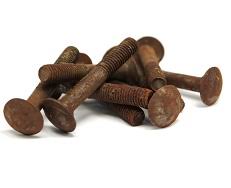
What two things cause Iron to Rust ?
Air and Oxygen
Oxygen and Water
Water and Carbon dioxide
Carbon dioxide and Air
Rusting can be prevented by
Alloying
Tinning
Galvanizing
All of above
two types of Noble metals
gold and platinum
iron and copper
stainless steel and aluminum
tin and brass
What is an anode?
It is the electrode where oxidation takes place.
It is the electrode where reduction takes place.
It is an aqueous solution containing an electrode.
It is the salt bridge that connects half-cells.
What is a cathode?
It is the electrode where oxidation takes place.
It is the electrode where reduction takes place.
It is an aqueous solution containing an electrode.
It is the salt bridge that connects half-cells.
Electrons always flow from
cathode to anode
anode to cathode

Given their standard reduction potentials, which of the species is going to be oxidized?
Cu2+/Cu = 0.34V
Zn2+/Zn = -0.76V
Cu
Zn
CuSO4
ZnSO4
What occurs to the mass of copper electrode in the following reaction?
Zn/Zn2+ // Cu2+/Cu
increases
decreases
remains the same
Which metal is the negative electrode?
Zn/Zn2+ // Cu2+/Cu
zinc
copper
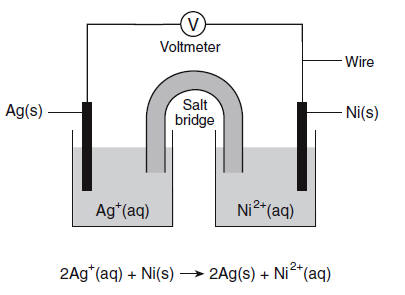
What reaction occurs at the anode?
Ag+/Ag = 0.80V
Ni2+/Ni = -0.25V
Ag+ + e- →Ag
Ag → Ag+ + e-
Ni2+ + 2e- → Ni
Ni → Ni2+ + 2e-

What is the chemical nature of rust?
iron (II) oxide
hydrated iron (II) oxide
iron (III) oxide
hydrated iron(III) oxide
Do all metals rust?
Yes
No
Do all metals corrode?
Yes
No
True or False, rusting is the specific term used to describe the corrosion of iron.
True
False
Fill in the blanks;
Iron + __________ + __________ = Iron oxide
oil + water
water + carbon dixoide
oxygen + oil
water + oxygen
Why is rusting a problem?
It looks ugly, no one likes orange
It makes iron really bendy
It makes iron lose its strength
Which of the following is not a rust prevention technique?
Hydrating
Electroplating
Painting
Galvanising
Galvanic cells convert
mechanical energy in to electrical energy
potential energy in to electrical energy
electrical energy in to chemical energy
chemical energy in to electrical energy

An electrolytic cell uses electrical energy to drive
chemical reaction
physical reaction
no reaction
none of above



