
 Worksheets
general knowledge exam 1st term
Total questions: 65
Worksheet time: 58mins
Which one following has Prokaryotic cell?
Animalia
Fungi
Monera
Protista
What does "classify" means?
To place things that share properties together in tissues.
To place things that share properties together in groups.
To place nonliving things that share properties together in groups.
To eliminate things that share properties together in groups.
Yeast, Mushrooms and Molds belong to the ........... kingdom.
plants
Fungi
bacteria
animals
The organisms in which Kingdom cannot move and make its own food?
Fungi
plants
animals
Protista
Living things are made up of units called
DNA
Cells
tissues
organs

identification
naming
Animals that have fur and feed their young with milk are called ________.
Reptiles
Fish
Mammals
Birds
________ are the group of organisms with no backbone.
bacteria
Cat giving birth to kittens describes which characteristic of living things?
Homeostasis
Characteristics that are passed down from parents to offspring is known as what?
Heredity
Homeostasis
ATP
Metabolism
These animals reproduce their young by giving birth.


What's this?
roots
leaves
stem
xylem

What's this?
flower
seeds
roots
stem

What's this?
chick
leaves
roots
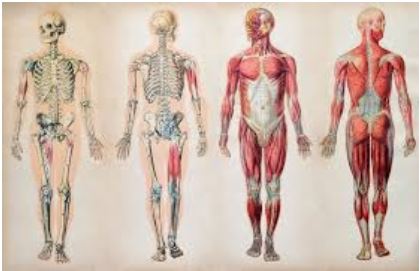
What is the study of the structure of living things
Anatomy
Embryology
Zoology
Physiology
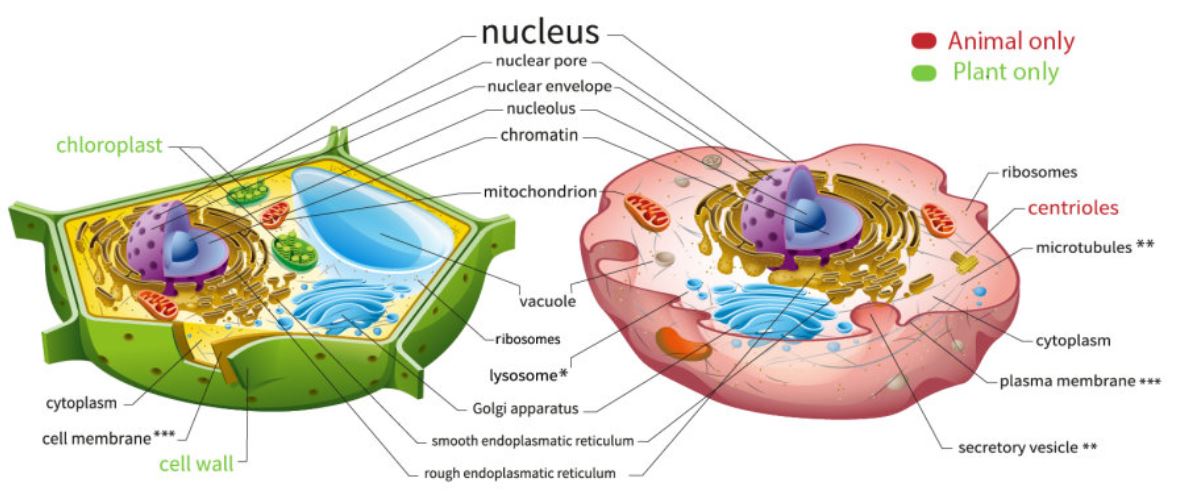
What is the study of the structure and function of cells?
Cytology
Genetics
Ecology
Taxonomy
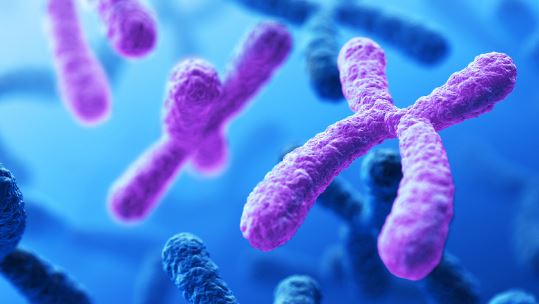
What is the study of heredity?
Microbiology
Genetics
Evolution
Anatomy
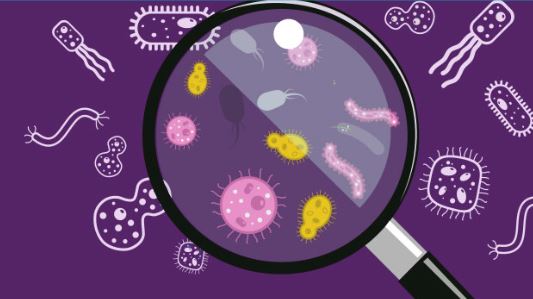
What is the study of small living things
Genetics
Marine Biology
Botany
Microbiology
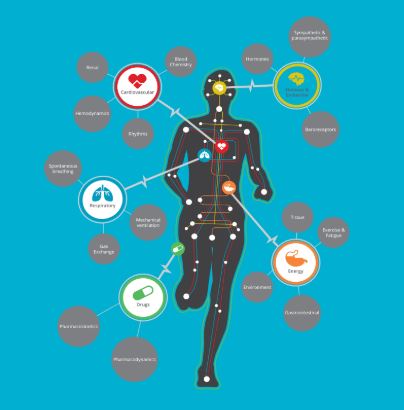
What is the study of the functions of living thing?
Physiology
Pathology
Cytology
Evolution
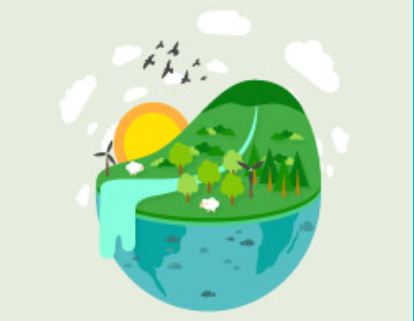
What is the study of the relationship between organisms and their environment?
Genetics
Ecology
Bacteriology
Biochemistry
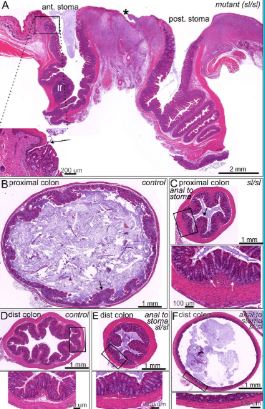
What is the study of animal and plant tissue?
Histology
Marine Biology
Taxonomy
Boatany
What part of the plant anchors the plant in place and absorbs water and nutrients from the soil?
Leaves
Sepals
Roots
Stem
What part of the plant transports water and nutrients to the other parts of the plant?
Roots
Stem
Flower
Leaves
The _______ are responsible for photosynthesis (making food).
Roots
Stems
Leaves
Flowers
What part of the plant is responsible for reproduction?
Flower
Leaves
Roots
Stem
Which of the following can be a pollinator?
Birds
Bees
Wind
All of the above
CO2


Which is not a job of the respiratory system?
taking in oxygen
releasing carbon dioxide
gas exchange
transport glucose
What does the respiratory system release?
oxygen
glucose
carbon dioxide
ATP
After the nose, air passes into the
larynx
pharynx
bronchi
bronchioles
Where does air go after the pharynx during inhalation?
nose
trachea
bronchi
alveoli
Which system shares the pharynx with the respiratory system?
circulatory
digestive
excretory
skeletal
Where is carbon dioxide and oxygen exchanged at capillaries?
trachea
larynx
alveoli
bronchi
Which is known as the voice box?
pharynx
larynx
trachea
bronchi
These blood vessels carry blood away from the heart
These blood vessels carry our blood to the heart.
What structure in the kidneys filters the blood?
Ureters
Nephrons
Bladder
Urethra
Select all of the organs of the nervous system:
Brain
Heart
Spinal Cord
Nerves
Stomach
Which system controls all other body systems?
Muscular
Excretory
Nervous
Digestive
The basic unit of structure and function in the nervous system is a nerve cell. Nerve cells are also called-
Osteocytes
Dendrites
Neurons
Spinal Cords
The Central Nervous system includes what two organs?
Brain and Nerves
Brain and Spinal Cord
Spinal cord and Nerves
Nerves and Neurons
Endocrine glands secrete _
Hormones
Neurotransmitters
A wide range of chemical substances
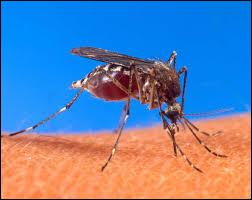
Which of the following is NOT a unicellular kingdom?
Prokaryotes
Protists
Monera
Fungi
Organs responsible for movement are
muscles
bones
stomach
kidneys

