Worksheets
Cardiovascular System
Total questions: 50
Worksheet time: 32mins
Blood cell that protect the body against infection
Platelets
Plasma
Hemoglobin
White Blood Cells
Blood
The fluid in which other parts of the blood are suspended
Platelets
Blood
Plasma
Hemoglobin
White Blood Cells
Types of cells in the blood that causes blood clots to form
Platelets
Blood
Plasma
Hemoglobin
White blood cells
The fluid that delivers oxygen, hormones, and nutrients to the cells and carries away wastes
Platelets
Blood
Plasma
Hemoglobin
White Blood Cells
The oxygen-carrying protein in blood
Platelets
Blood
Plasma
Hemoglobin
White Blood Cells
The top two chambers of the heart
Pulmonary Cirvulation
Valves
Atria
Ventricles
Septum
These are between the atria and ventricles that allow blood to flow through the chambers
Pulmonary Circulation
Valves
Atria
Ventricles
Septum
The lower two chambers of the heart
Pulmonary Circulation
Valves
Atria
Ventricles
Septum
Blood vessels that return blood to the heart
Arterioles
Arteries
Venules
Veins
Capillaries
Blood vessels that carry oxygenated blood away from the heart
Arterioles
Arteries
Veins
Venules
Capillaries
Can donate red blood cells to only B & AB
Type O
Type AB
Type B
Type A
A universal donor
Type O
Type AB
Type B
Type A
Can donate red blood cells to only A & AB
Type O
Type AB
Type B
Type A
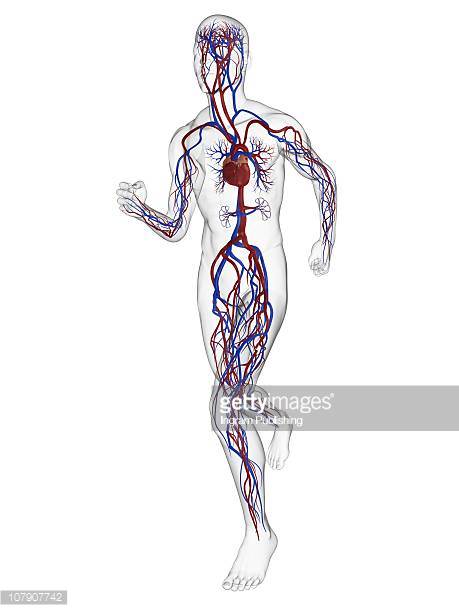
What is the main organ of the circulatory system?
small intestine
bone
lungs
heart
Veins carry oxygen poor blood back to the heart.
False
True
The heart is about the size and shape of your . . .
head
fist
hand
foot

Our heart is.....
a tissue
a body system
a group of cells
an organ
___ takes place when blood travels from the heart, through the lungs, and back to the heart.
pulmonary circulation
systemic circulation

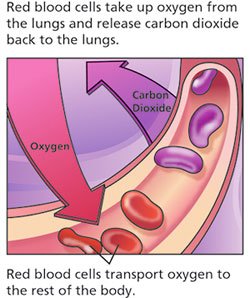
Which of these does not keep your heart healthy?
Following a nutritious diet
Daily physical activity
Eating processed foods
Having regular health check ups
Which of these two is a function of the cardiovascular system?
Provides cells with nutrients
Helps to keep carbon dioxide in your blood
Protects the body against disease and infection
Does not help with blood clots
Cardiovascular disease causes what to build up in arteries?
Plaque (fat deposits)
Blood
Tissue
Does cardiovascular disease increase blood clots?
Yes
No
What should you include in your daily diet to keep your heart healthy? Pick two answers.
Meat
Processed foods
Omega- 3 rich foods
Carbohydrates
Fruit and vegetables
What prevents blood from flowing back into the atria when the ventricles contract?
semilunar valves
sinoatrial node
atrioventricular node
tricuspid and bicuspid valves
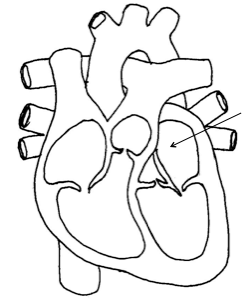
When blood leaves this chamber of the heart, it heads out to the body (not the lungs)
left atrium
right atrium
left ventricle
right ventricle
One of the body's largest blood vessels that transports blood from the body region below the diaphragm to the heart
superior vena cava
inferior vena cava
pulmonary trunk
pulmonary veins
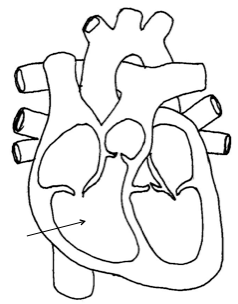
When this chamber contracts, it pushes blood through the tricuspid valve
right atria
right ventricle
left atria
left ventricle
This initiates the action potential that causes the heart to beat
Inferior vena cava
Atrioventricular node (AV node)
Superior vena cava
Sinoatrial node (SA node)
When blood leaves this chamber of the heart, it heads to the lungs
right atrium
right ventricle
left atrium
left ventricle
This chamber of the heart receives oxygenated blood from the lungs
right atrium
right ventricle
left atrium
left ventricle
Which best explains why capillary walls are so thin?
because they do not need to pump blood
because they are found only in the smallest organs and tissues
because they maximize diffusion of nutrients
because blood only travels through them slowly
Blood traveling through the pulmonary circuit goes through the right side of the heart and out to the _______
left side of the heart
body
lungs
tricuspid valve
Blood traveling through the systemic circuit goes through the _____ side of the heart and out to the body
right
left
The bicuspid or mitral valve is located
in the opening of the aorta.
in the opening of the pulmonary trunk.
where the venae cavae join the right atrium
between the left atrium and the left ventricle