
 Worksheets
Biology 2nd Year
Total questions: 200
Worksheet time: 2hrs 20mins
Which body system controls the body to maintain homeostasis?
excretory
nervous
circulatory
skeletal
Which two systems work together to maintain homeostasis while transporting oxygen throughout the body and removing carbon dioxide?
circulatory and respiratory
respiratory and excretory
circulatory and digestive
respiratory and digestive
The group of organisms that use the process of homeostasis includes
mammals, only
animals, only
plants and animals
all living things

An organism that produces its own body heat is called...
Poikilotherm
Homeotherm
Endotherm
Ectotherm
Which set of organisms are able to survive with lower amounts of food?
Endotherms
Ectotherms
Which of the following ISN'T a thermoregulatory strategy for warming up?
vasoconstriction
shivering
sweating
extra layers of blubber (fat)
Which ISN'T an endotherm?
Panda
Penguin
Kangaroo
Crocodile
Which of the following ISN'T an ectotherm?
Black Widow Spider
Lion
Lobster
Rattlesnake
Which of the following ISN'T a form of behavior-based regulation?
Turning on the air conditioning
Putting on a jacket
Shivering
Drinking a warm drink like coffee or hot chocolate
Where is the thermoregulatory centre loacted?
In the pituitary gland of the brain
In the cerebellum of the brain
In the hypothalamus of the brain
In the cortex of the brain
What changes occur to cool the body down
vasoconstriction, increase sweating and hairs lie flat
vasodilation, increase sweating and hair erector muscle relaxes and hairs lie flat
Vasodilation, reduced sweating, hair erector muscle relax and hair stand up.
Vasoconstriction, increase sweating and hair erector muscle relaxes and hairs lie flat
What changes occur to increase body temperature
Vasoconstriction, hair erector muscle relaxes and hair pulled upright, no sweating and shivering
Vasodilation, hair erector muscle contract and hair pulled upright, no sweating and shivering
Vasoconstriction, hair erector muscle contract and hair pulled upright, no sweating and shivering
Vasodilation, hair erector muscle contract and hair pulled upright, increased sweating and shivering
what is osmoregulation?
Control of water and salt in the body
Control of blood pressure in the body
Control of blood glucose in the body

If a person's blood cells shrivel (shrink) their blood is likely ____ in comparison to the cell.
isotonic
hypotonic
hypertonic
Osmosis is the movement of _____ across a membrane.
food
energy
oxygen
water

Nemo and other ocean dwelling fish cannot survive in freshwater because......
freshwater is hypertonic to Nemo's cells and will result in water leaving them causing the cells to shrink
freshwater is hypotonic to Nemo's cells and will result in water leaving them causing the cells to shrink
freshwater is hypertonic to Nemo's cells and will result in water entering them causing the cells to swell and burst
freshwater is hypotonic to Nemo's cells and will result in water enter them causing the cells to swell and burst
Considering the four choices below, which two represent active transport?
- From high to low concentration
- From low to high concentration
- Using cellular energy
- Without using cellular energy
High to low; using cell energy
High to low; without using cell energy
Low to high; using cell energy
Low to high: without using cell energy
Which of the following is not part of excretion?
remove toxic materials
remove undigested food
remove waste product of metabolism
remove substances in excess of requirement
Humans have three main excretory products, which of the following is not one of them.
carbon dioxide
salts
urea
faeces
Urea is made in the _______.
pancreas
liver
stomach
intestine
Urea is made from _________.
amino acid
fat
fibre
salts
Urea is carried from the _______ to the _______.
stomach, liver
liver, kidneys
kidneys, stomach
kidneys, liver
______ stores excess glucose in the form of glycogen.
Kidney
Pancreas
Muscle cells
Liver
Which of the following is not the function of the liver?
break down harmful substances like alcohol
storage of excess glucose
emulsify fat
produces bile
Blood enters the kidneys through the ___________.
renal arteries
renal veins
tubules
ureter
Which of the following is not a function of the kidney tubules?
absorb plasma
filter blood
decide how much water is excreted
remove waste
________ is formed when small molecules like salts, glucose, urea and water are forced out from the blood plasma when blood flows through the kidney tubules.
Filtrate
Urine
Waste
Excretion
Blood flows into the liver from the heart and the ________.
stomach
intestines
kidneys
_________ is the outer layer of the kidney.
Cortex
Medulla
Pelvis
Kidney tubules are also known as __________.
Glomerulus
Bowman's capsule
Nephrons
Tubules
Due to high pressure, 20% of the fluid in the blood is squeezed out from the ____________ into the Bowman's capsule.
tubules
blood vessels
glomerulus
Which of the following is not in the renal cortex?
Loop of Henle
Bowman's capsule
Glomerulus
In order to aid water reabsorption, excessive salt is pumped out from the filtrate at the ________.
glomerulus
Bowman's capsule
First coiled tubule
Loop of Henle
Apakah sebab pucuk tumbuhan tumbuh ke arah cahaya?
Apakah sebab pucuk tumbuhan tumbuh ke arah cahaya?
Pucuk perlu tumbuh lebih lama untuk mengelakkan persaingan mendapat cahaya.
Pucuk perlu tumbuh lebih lama untuk mengelakkan persaingan mendapat cahaya.
Kepekatan auksin lebih tinggi dalam sel yang terdedah pada cahaya.
The gaps between neurons are called
answer choices
Effectors
neurotransmitters
reflexes
synapses
Identify the part of the brain that takes up the greatest volume
answer choices
BRAIN STEM
CEREBELLUM
PONS
CEREBRUM
Which part of the nervous system is not involved in producing reflex actions?
answer choices
brain
spinal cord
receptor
sensory
What is function of medulla?
answer choices
controls heart RATE
memory
controls balance
conscious thought
The neurons that conduct information towards the CNS are _________.
answer choices
interneurons
motor neurons
sensory neurons
efferent neurons
Which of the following is part of the peripheral nervous system?
answer choices
BRAIN
SPINAL CHORD
HEART MUSCLE
TASTE BUDS ON TONGUE
Which of the following is not a hormone?
answer choices
INSULIN
GLUCOSE
THYROXINE
ADRENALINE
which endocrine gland is called the master gland
answer choices
pituitary
pineal
adrenals
thyroid
Identify the name of the white insulating substance that often covers the axon of a neuron and helps speed up the conduction of the message
answer choices
MYELIN
NEUROTRANSMITTER
SYNAPSE
VESICLE
Which hormone is known as the ‘fight or flight’ hormone?
answer choices
GROWTH HORMONE
ADRENALINE
OESTROGEN
ANTIDURETIC HORMONE
The nerve cells in your body are called neurons. From which part of the neuron is most likely responsible for carrying signals between the cell body and axon terminal?
answer choices
soma
axon
Node of Ranvier
Schwann cell
Which part of the eye is where images are converted to nerve impulses?
answer choices
Retina
Cornea
Optic Nerve
Lens

What is the scrotum?
A pouch of skin surrounding the testes
A fold of skin that protects the penis
An additional gland located at the end of the urethra
Where are spermatozoa stored while they are maturing?
In the prostate
In the epidymis
In the testes
In the seminal vesicle
Where is the genetic material (DNA) located in the spermatozoa?
In the head
In the tail
In the middle piece
Which part of the uterus is connected to the vagina?
The fallopian tubes
The cervix
The ovaries
The external female genitalia are
The vulva and uterus
The vagina and labia
The labia and clitoris
Where does oogenesis take place?
Uterus
Fallopian tubes
Ovaries
Vagina
The FSH hormone is secreted by
the ovarian follicle
the pituitary gland
the corpus luteum
Which hormones cause the endometrium to grow?
LH and progesterone
FSH and LH
Oestrogens and progesterone
The majority of the embryo´s organs are formed
during the first trimester
during the second trimester
during the third trimester
Where in the body does fertilisation occur in humans?
Epididymis
Uterus
Oviduct
Vagina
The prostrate gland secretes.....................
nutrients only
nutrients and hormones only
nutrients and enzymes only
Which is the correct order for the life cycle of a frog?
frog, egg, tadpole, changing tadpole
tadpole, changing tadpole, egg, frog
egg, tadpole, changing tadpole, frog
changing tadpole, frog, tadpole, egg
For several months after a baby kangaroo is born it remains in its mother's pouch for protection and drinks his mother's milk for food, What stage of the life cycle is this?
beginning of life
reproduction
growth and development
death
Animals whose parents _______ tend to have many offspring at one time in order for enough to survive.
stay with them when they are young
do not stay with them when they are young
continue to feed the young
are the heat source for the young
Select all of the life cycle stages that a human goes through.
Metamorphosis
Nymph
Cocoon
Egg
Pupa
Parental care depends on the type of organism as well as the number of offspring produced. Order the organisms in terms of the amount of parental care that they typically give to offspring from greatest care to least.
Butterflies have 700 offspring, cats have 8, humans have 1, fish have 1,000, turtles have 25.
humans, turtles, butterflies, fish, cats
fish, butterflies, turtles, cats, humans
cats, humans, turtles, butterflies, fish
humans, cats, turtles, butterflies, fish
It is a characteristics of life that is the irreversible increase of an organism’s size over a given period.
Growth
Adaptation
Development
Evolution
Type of Development where it involves an alteration in the nature of the system.
Qualitative Development
Quantitative Development
Regressive Development
Multi-phase Development
A characteristics of life which requires a transformation in structures.
Development
Growth
Homeostasis
Evolution
The capacity of the biological system to carry out operations.
Functional Development
Growth in Cells
Growth in Plants
Structural Development
A development in which the organism at an early stage develops a relatively complex structure that enables it to be motile, and later adopts a form of life for which motility is no longer a necessity.
Progressive Development
Regressive Development
Quantitative Development
Qualitative Development
A process in cells growth that splits the parent cell into two genetically identical daughter cells.
Mitosis
Meiosis
Respiration
Contraction
A development that only few organisms experience and a result from failure to carry out fully the normal processes of development.
Normal Development
Single- phase Development
Quantitaive Development
Abnormal Development
when a frog undergoes metamorphosis, the following are the processes that involves during the transforrmation, except...
growing of ears
Regression
Resorption
growth of the limbs
The regulatory stimulants that activates the body into performing certain actions and determines the speed, size, and physical trait the organisms will develop in its system.
Hormones
Blood
vitamins
water

a genetic disorder caused when abnormal cell division results in an extra full or partial copy of chromosome 21.
Turner Syndrome
Trisomy 18
Down Syndrome
Jacobsen Syndrome

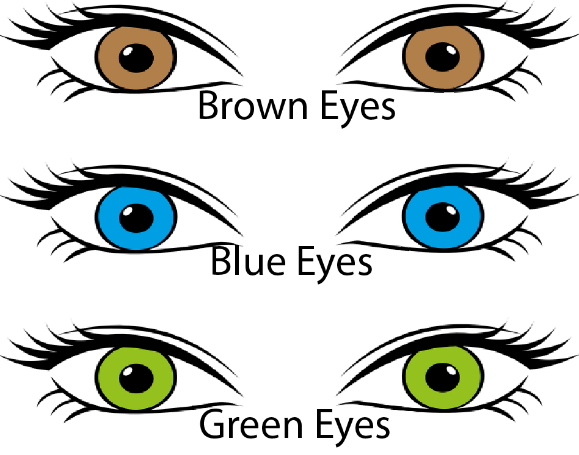
A feature regulated by a set of genes (allele) passed on
from parents to offspring. Also called inherited traits.
Heterozygous
Mendel
Chromosome
Traits
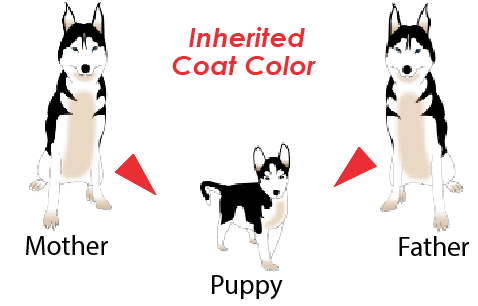
Passing on traits from parents to offspring
Chromosome
Genotype
Heredity
Allele
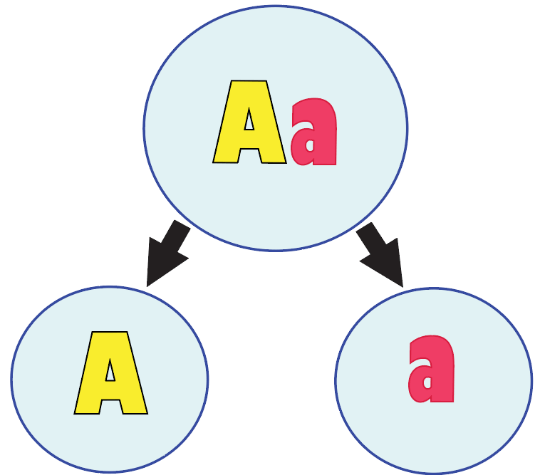
During meiosis and gamete formation, homologous (paired up) alleles split up
Phenotype
Law of Segregation
Genotype
Dihybrid Cross
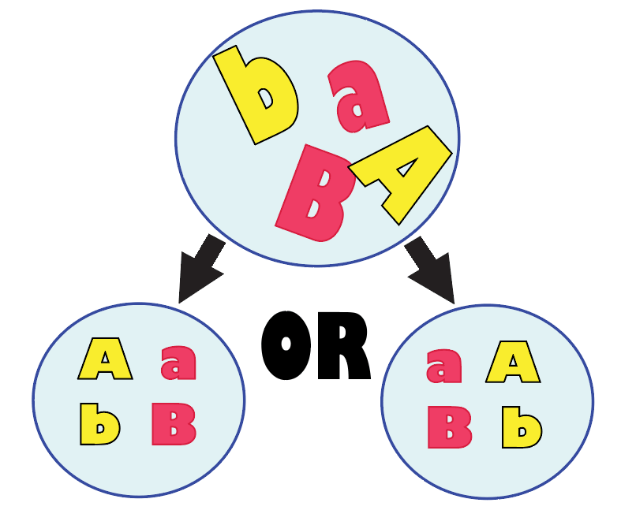
During meiosis, the homologous pairs of chromosomes and the matching alleles are lined up independently.
Offspring are a mix of maternal genes and paternal genes.
This increases genetic variation.
Homozygous Dominant
Law of Segregation
Crossing Over
Independent Assortment
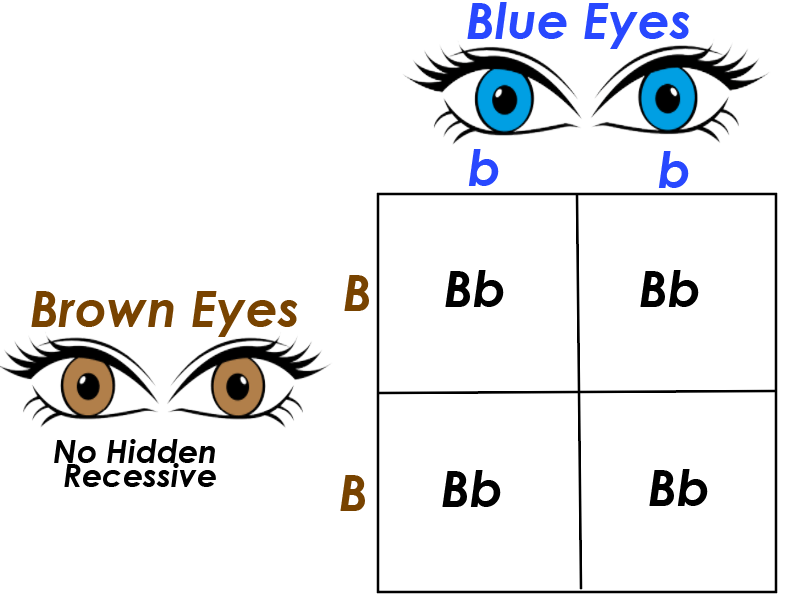
The genetic cross between two parents for one trait:
Example BB x bb
B = dominant for brown
b = recessive for blue
Incomplete Dominance
Dihybrid Cross
Monohybrid Cross
Iron Cross
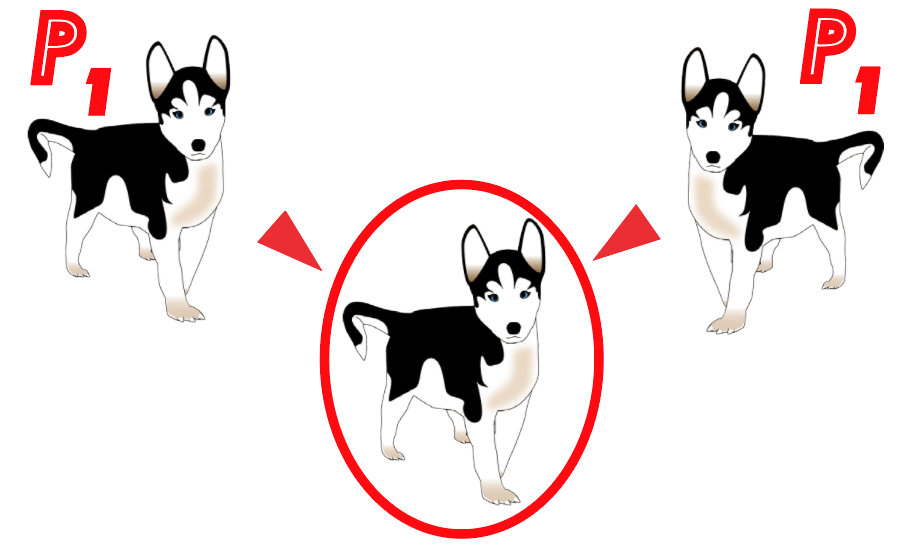
Referring to the original parents.
P1
F1
F2
Homozygous

The ratio of phenotypes in a Punnett Square
Phenotypic Ratio
Genotypic Ratio
Dihybrid Cross
Independent Assortment
Epistasis is the interaction between_____________ genes.
2
4
3
16
Which best describes epistasis?
An allele that changes the genotype of another allele
A gene that changes the genotype of another gene
An allele that controls or masks the expression of another allele
A gene that controls or masks the expression of another gene
This is when multiple genes code for a single trait
Polygenic
Pleiotropy
Linked genes
Codominant genes
Which of the following inheritance patterns explains how a particular version of a regulatory gene can activate or deactivate a gene that controls a particular trait?
codominance
pleiotropy
epistasis
incomplete dominance

Labrador retriever's fur color is an example of epistasis. In this case the E gene controls the expression of the B gene. It a puppy was born with the genotype eeBB its fur color would be ________ and if it was born with the genotype EEbb it would be __________
yellow, yellow
yellow, black
chocolate, black
yellow, chocolate
The goal of the Human Genome Project was to determine the
total number of alleles in the human genome
DNA sequence of the entire human genome.
number of mutations in the human genome.
pattern of inheritance of the human genome.
What is a short segment of a DNA strand that codes for our characteristics?
chromosome
DNA
RNA
gene

Which choice best describes the DNA of a prokaryote?
single circular chromosome
single linear chromosome
multiple circular chromosomes
multiple linear chromosomes
Which choice best describes the DNA of a eukaryote?
single circular chromosome
single linear chromosome
multiple circular chromosomes
multiple linear chromosomes
A nucleosome is best described as
nucleosomes coiled around each other
a DNA strand wrapped around histone proteins
one fully-packaged DNA molecule
one strand of DNA double-helix
Chromatin is best described as
nucleosomes super-coiled around each other
a DNA strand wrapped around histone proteins
one fully-packaged DNA molecule
one strand of DNA double-helix
A DNA molecules is best described as
nucleosomes super-coiled around each other
a DNA strand wrapped around histone proteins
one fully-packaged DNA molecule
one strand of DNA double-helix
DNA replication results in
three identical copies of each chromosome
23 different copies of each chromosome
46 identical copies of each chromosome
two identical copies of each chromosome
Sister chromatids are joined together at a constriction called a
chromatid
centromere
nucleosome
spindle apparatus
What are homologous chromosomes?
Two chromosomes that are the same length
Two chromosomes that have the centromere in the same position
Two chromosomes that have genes for particular characteristics at the same location along their length
All of the above
All portions of DNA are used for coding.
True
False
Not sure

The disc shaped protein core that DNA wraps around is called
histone
nucleosome
chromatin
gene
A picture or image of a person's chromosomes taken through a microscope
pedigree
centromere
karyotype
none are correct
What is the condensed form of DNA called?
Chromosome
Nucleotides
Gene
Nucleus
Which sex chromosomes are present in all mature human sperm cells?
both X and Y chromosomes
either X or Y chromosomes
only X chromosomes
only Y chromosomes
HIDE ANSWER
Hair color and eye color are examples of a person's....
recessive traits
genotype
dominant alleles
phenotype
If a pea plant were homozygous recessive for height, how would it's genotype be represented?
Tt
tt
TT
tT
What is the definition of Phenotype?
The diagram that shows all the chromosomes of an individual
How many genes on one chromosome
The combination of alleles that control that an individual has for a particular trait
How a trait is expressed (what it looks like or what it does)
DNA's 2 strands are held together by
oxygen bonds
carbon bonds
hydrogen bonds
phospodiester bonds

DNA is a polymer made of:
Purines
Nucleotides
Pyrimidines
phosphate
What are the three components of a nucleotide?
sugar, hydrogen, nitrogen base
sugar, oxygen, nitrogen base
sugar, phosphate, nitrogen base
sugar, phosphate, protein

A _______ is a segment of DNA that codes for a specific protein or RNA molecule.
chromosome
gene
gamete
chromatid

The 2 exact copies of DNA in a chromosome are called
histone protein
genes
chromatin
chromatids
Chromosomes that are paired by size and content are called _______ chromosomes.
sister
homologous
heterozygous
chromatid
What is a recessive allele?
A trait that is always shown (capital letter)
A trait that can be hidden (lower case letter)
Alleles that are the same
Alleles that are different
In molecular cloning, a __________ is used to insert a fragment of DNA into the host cell.
plasmid
DNA fragment
bacterium
virus
Organisms that have foreign DNA inserted from a different species are called
transgenic
transmutated
adenoviruses
haploid
What cell organelle carries its own DNA passed down from the mother and is used to trace genealogy?
ribosome
golgi apparatus
mitochondria
vesicles
In order to manipulate genetic material, DNA must be extracted from cells. What is the correct order of the process used to manipulate DNA?
enzymes inactivate proteins, buffering compounds break-down cell, alcohol to bring out DNA
gelatinous mass of DNA broken down using buffering compounds, alcohol to remove DNA, enzymes to inactivate proteins
buffering compounds to break-down cell, enzymes to inactivate proteins, alcohol to bring out DNA
none of the choices are correct
The process where an electric current is used to separate nucleic acids based on size and is used in forensics is called
gel electrophoresis
cloning
transgenic manipulation
PCR
The process used to make copies of DNA when not much is available and is often used in forensics is called
gel electrophoresis
cloning
PCR
transgenics
The vector used in genetic engineering is a(n)
bacterium
adenovirus
bacteriophage
transgenic donator
Polymerase Chain Reaction
Is used to make copies of specific regions of DNA
Uses a special form of DNA polymerase and primers to copy DNA
is used in crime scenes and paternity cases to compare DNA samples
All of the choices are correct
some of the choices are correct
The polymerase chain reaction is important because it allows us to
Make many copies of a targeted segment of DNA
Insert eukaryotic genes into prokaryotic plasmids
Incorporate genes into viruses
Make DNA from RNA
A desired DNA segment is inserted into small circular DNA from prokaryotes called a __________ and then is inserted into a bacterial host and the resulting combination is called ____________.
Virus, a eukaryote
Plasmid, a eukaryote
Plasmid, recombinant DNA
Virion, recombinant DNA
Proteins that suppress the transcription of a gene are called
plasmids
vectors
inducers
repressors
The term for when all of the genes needed to synthesize a particular protein are located in the same location on a chromosome.
operon
inducer
vector
repressor
This produces multiple identical copies of a gene for basic research
restriction enzymes
gene cloning
DNA ligase
gel electrophoresis
This seals the sticky ends of restriction fragments to make recombinant DNA
restriction enzymes
gene cloning
DNA ligase
reverse transcriptase
This cuts DNA molecules at specific locations
restriction enzymes
DNA ligase
polymerase
ATP
Which technique would most likely be used by forensic scientists?
gene cloning
gene therapy
DNA fingerprinting
karyotyping
Which is one reason scientists produce transgenic organisms?
to create new species of organisms
to control microorganisms in the soil
to prevent habitats from being destroyed
to treat certain types of diseases
Two people believe they are related. Which would be the best technique to determine if they are related?
testing blood types
comparing DNA
examining karyotypes
testing for genetic disorders
Which is a step in the process of producing transgenic bacteria?
A plasmid is used to replace a faulty gene in a human cell.
A chain of bacterial amino acids is inserted into human DNA.
A human gene is inserted into a bacterial plasmid.
A mutation is produced in a bacterial cell.
The process of removing DNA from cells is called
DNA fingerprinting
DNA extraction
Recombinant DNA
Transgenics
What is the function of gel electrophoresis?
to separate DNA fragments according to size and charge
to cut DNA
to recombine DNA
to extract DNA
During transformation,
a prokaryote is changed into a eukaryote.
a cell takes in DNA from outside the cell.
plasmids are inserted into a human cell.
a cell is mutated.
DNA produced by combining DNA from two different organisms is known as
a mutant.
a hybrid.
a polyploidy.
Recombinant DNA.
Which of the following is an example of uses for bacterial transformation technique?
to produce pure human insulin for use by people with diabetes
to identify a suspect based on evidence from a crime scene
to determine the nucleotide sequence of desired gene
to identify a genetic disorder in preparation for potential treatment
The Human Genome Project is an attempt to
make a DNA fingerprint of every person's DNA.
identify, sequence and catalog all human DNA.
create human-like creatures.
identify alleles in human DNA that are recessive.
The purpose gene therapy in treating disorders , such as cystic fibrosis and SCIDS, is to
replace faulty genes with normal ones
determine the sequence of genes
remove mutations from genes
change dominant alleles to recessive alleles
Which of the following is a concern about the use of genetically modified organisms (GMOs) as food?
they may taste better than normal food
they may cause death if eaten
they can cause allergies, toxins, new diseases and nutritional problems
they are perfectly healthy
What is the function of a restriction enzyme?
to keep DNA from replicating
to cut DNA into smaller fragments
to restrict enzymes from working
to speed up the reaction of DNA polymerase
The restriction enzyme, ECORI, cuts DNA between which two nitrogenous bases?
between guanine (G) and cytosine (C)
between adenine (A) and thymine (T)
between guanine (G) and adenine (A)
between thymine (T) and cytosine (C)
What are DNA fingerprints used for?
to identify the patterns in a person's fingerprint
to show evolutionary relationships
to sequence the DNA bases
crime scene investigations and to determine paternity/maternity
Which DNA technology would best help endangered species?
sequencing
cloning
electrophoresis
antibody production
What type of cells contain plasmids?
eukaryotes
animal cells
prokaryotes
plant cells
What is the term for a feature that allows an organism to survive better in its environemtn?
variation
adaptation
homologous structure
vestigial structure


Why do living things need nitrogen?
To get energy
To make amino acids
To make proteins
To make proteins AND amino acids
What is the largest reservoir for water?
the ocean
rocks and minerals
the atmosphere
glaciers
What is the largest reservoir for nitrogen?
the ocean
rocks and minerals
the atmosphere
bacteria
Plants and animals in the tundra must be able to adapt to the extremely ___________ weather
small
cold
perennials
shallow
Many of the animals in the desert are ______________ to avoid the extreme heat during the day.
cacti
chia
water
nocturnal

The two main abiotic factors that determine where organisms live are
temperature and latitude
altitude and precipitation
temperature and precipitation
soil type and precipitation


