wayground logo

Free Printable Worksheets

Font size

S
M
L
XL
Worksheets

Properties of Matter

Total questions: 48

Worksheet time: 25mins

Name
Class
Date
1.

sharpening a pencil

a)

physical change

b)

physical property

c)

chemical change

d)

chemical property

2.

flammability of a substance

a)

physical change

b)

physical property

c)

chemical change

d)

chemical property

3.

inflating a tire

a)

physical change

b)

physical property

c)

chemical change

d)

chemical property

4.

freezing point

a)

physical change

b)

physical property

c)

chemical change

d)

chemical property

5.

corrosion of a bicycle frame

a)

physical change

b)

physical property

c)

chemical change

d)

chemical property

6.

a burning candle

a)

physical change

b)

physical property

c)

chemical change

d)

chemical property

7.

_____is the tendency of matter to be easily broken to pieces.

a)

Hardness

b)

Malleability

c)

Brittleness

d)

Elasticity

8.

____ is the ability to be pressed, hammered or rolled into various shapes and sizes without breaking.

a)

Elasticity

b)

Strength

c)

Hardness

d)

Malleability

9.

____________ expand when heated and contract when cooled.

a)

Solids

b)

Gases

c)

Liquids

10.

____is the resistance of the liquid to flow.

a)

Strength

b)

Elasticity

c)

Viscosity

d)

Brittleness

11.

____ is the ability of solids to be strong and not to wear out easily.

a)

Strength

b)

Elasticity

c)

Hardness

d)

Brittleness

12.

_________ is the property to be stretched when pressure is applied.

a)

malleability

b)

viscosity

c)

elasticity

d)

strength

13.

Which materials are malleable?

a)

glass

b)

mirror

c)

silver

d)

clay

14.

Which materials are elastic?

a)

rubber band

b)

concrete

c)

balloon

d)

paper

15.

Which materials have strength as a property?

a)

iron

b)

cotton

c)

clay

d)

steel

16.

Which materials have hardness as a property?

a)

chalk

b)

diamond

c)
d)

soap

17.

Which materials are brittle?

a)

wooden chair

b)

plastic cup

c)

mirror

d)

plate

18.

Which are viscous liquids?

a)

water

b)

milk

c)

syrup

d)

honey

19.

Which are properties of gas?

a)

It expands to fill its container.

b)

It occupies space.

c)

It has particles that are tightly packed.

d)

It has its own shape.

20.
The amount of space something takes up.
a)
matter
b)
mass
c)
volume
d)
element
21.
Anything that has mass and takes up space.
a)
volume
b)
matter
c)
solid
d)
temperature
22.
A change in one or more substances, caused by a reaction, that forms new and different substances.
a)
mixture
b)
physical change
c)
element
d)
chemical change
23.
A change in which the form or shape of a substance changes but the chemical makeup of the substance remains the same.
a)
chemical change
b)
reaction
c)
physical change
d)
solution
24.
A combination of two or more different substances in which the substances keep their identities. 
a)
reaction
b)
mixture
c)
solution
d)
atom
25.
A mixture that has the same composition throughout because all the parts are mixed evenly.
a)
reaction
b)
solution
c)
mixture
d)
atam
26.
Matter that is made of only one kind of atom.
a)
compound
b)
volume
c)
element
d)
atom
27.
A substance made of atoms of two or more elements that have combined chemically.
a)
compound
b)
matter
c)
volume
d)
chemical change
28.
Ability to rust is this type of property:
a)
Physical property
b)
Chemical property
29.
Which is an example of a physical property?
a)
ability to react with acid
b)
 color
c)
flammability
d)
ability to react with oxygen
30.
Which of the following is a chemical property of water?
a)
Reacts with pure sodium
b)
Boils at 100 oC
c)
Is liquid at room temperature
d)
Has a density of 1 gm/mL
31.
Which of the following is a sign that a chemical reaction has occurred?
a)
change in shape
b)
melting
c)
formation of a gas
d)
dissolving
32.
What kind of properties can only be observed when a substance changes into a different substance?
a)
physical properties
b)
chemical properties
c)
liquid properties
d)
real properties
33.
What is digestion?
a)
Physical property
b)
Chemical change
c)
Physical change
d)
Chemical property
34.
When you break a cracker into pieces it is a 
a)
Chemical change
b)
Physical change
c)
Chemical Weathering
d)
Physical Weathering
35.
Milk sours (goes bad)
a)
physical change
b)
chemical change
c)
physical property
d)
chemical property
36.
Salt dissolving in water is an example of what?
a)
A physical change
b)
A chemical change
c)
A physical property
d)
A chemical property
37.

This picture shows an example of

a)

gas

b)

plasma

c)

liquid

d)

solid

38.
Wood burning is an example of _______
a)
physical intensive property
b)
physical extensive property
c)
chemical change
d)
Physical change
39.
Which of these is not an element?
a)
Iron
b)
Gold
c)
Silver
d)
Iron Oxide
40.
What is a mixture that has no visible differences in composition?
a)
Element
b)
Compound
c)
Heterogeneous Mixture
d)
Homogeneous Mixture
41.
Luster (how shiny something is) is considered a
a)
Physical property
b)
Chemical Property
42.
Which state of matter has particles that are tightly packed?
a)
liquid
b)
gas
c)
solid
43.

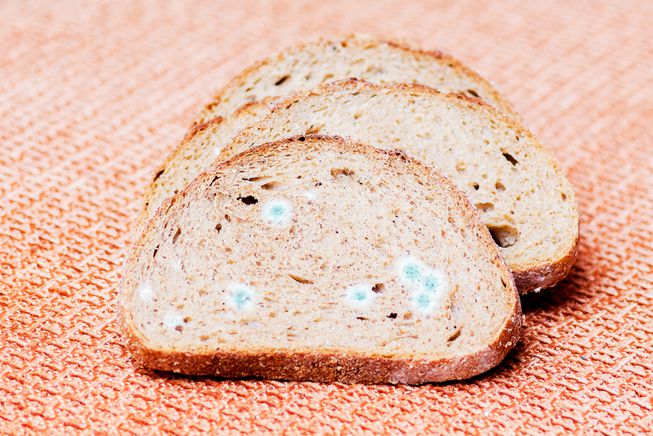
Moldy Bread

a)

Physical Change

b)

Chemical Change

44.
What type of mixture separates upon standing?
a)
Solution
b)
Alloy
c)
Colloid
d)
Suspension
45.
type of mixture that doesn't separate on its own but still contains undissolved particles
a)
solution
b)
colloid
c)
suspension
46.

The Tyndall Effect is not visible in which of the following?

a)

Solution

b)

Suspension

c)

Colloid

d)

Heterogeneous Mixture

47.

mayo

a)

solution

b)

suspension

c)

colloid

d)

alloy

48.

What is it called when light passes through a colloid and scatters/spreads out

a)

tyndall effect

b)

fog effect

c)

spreading out effect

d)

substance effect