wayground logo

Free Printable Worksheets

Font size

S
M
L
XL
Worksheets

Planet Earth Review

Total questions: 103

Worksheet time: 56mins

Name
Class
Date
1.
This the study and description of the shape of the land and surface features.
a)
Biology
b)
Topography
c)
Geology
d)
Oceanography
2.
The shape of the land is shown by connecting points of the same elevation to form a ____________.
a)
relief line
b)
slope
c)
valley
d)
contour line
3.
Contour lines that are very close together indicate the land is _______________
a)
gentle/gradual
b)
a forest
c)
steep
d)
a swamp
4.
Contour lines that are very far apart indicate the landscape is _____________
a)
gentle/gradual
b)
steep
c)
a forest
d)
a swamp
5.
Determine the contour interval:
a)
5 m
b)
10 m
c)
15 m
d)
20 m
6.
Determine the contour interval:
a)
5 m
b)
10 m
c)
15 m
d)
20 m
7.
Match 1 
a)
A
b)
B
c)
C
d)
D
8.
Match 2
a)
B
b)
C
c)
D
d)
E
9.
Match 4
a)
C
b)
D
c)
E
d)
F
10.
Find the contour interval:
a)
5 ft
b)
10 ft
c)
20 ft
d)
25 ft
11.
Determine the contour interval
a)
10 m
b)
20 m
c)
50 m
d)
100 m
12.
What is the profile view to Topographic Map #1? 
a)
A
b)
B
c)
C
d)
D
13.
What is the profile view to Topographic Map #2?
a)
B
b)
C
c)
D
d)
E
14.
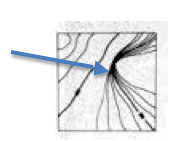
What feature is at the arrow?
a)
volcano
b)
mountain
c)
cliff
d)
river
15.
What is the elevation of the peak of the small island on the left side?
a)
About 20 meters
b)
About 40 meters
c)
About 60 meters
d)
About 200 meters
16.
What feature is formed at B?
a)
river
b)
rift valley
c)
sink hole
d)
mountain
17.
A mountaineer is planning an expedition. He wants to follow the easiest possible path, which means he needs to find the most gentle slope up the mountain. Which route should the mountaineer choose?
a)
Route A
b)
Route B
c)
 Route C
d)
Route D
18.
What do close contour lines represent on a map?
a)
waterfall
b)
steep area
c)
gradual area
d)
river
19.
What do contour lines that are farther apart represent?
a)
waterfall
b)
steep area
c)
gentle slope
d)
river
20.
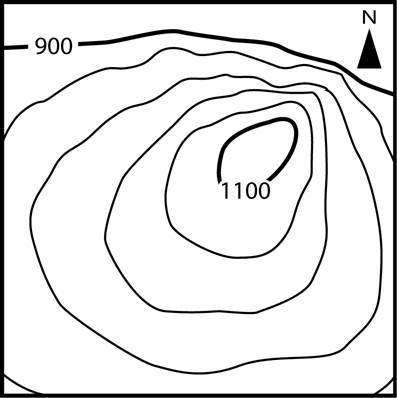
Provided is a topographic map of a hill with contour lines drawn showing elevation in meters.
The steepest slope on this hill can be found on the side that is facing which direction?
a)
Southwest
b)
Northeast
c)
Northwest
d)
Southeast
21.

The copper in a penny is a mineral. What is the luster for copper? Why?

a)

The luster for copper is non-metallic because it's not a metal

b)

The luster for copper is metallic because copper's a metal

c)

The luster for copper is opaque

d)

The luster for copper is non-metallic because it is metal.

22.
The way a surface reflects light.
a)
color
b)
luster
c)
streak
d)
density
23.
Color of a mineral in powdered form.
a)
hardness
b)
streak
c)
breakage
d)
density
24.
A shiny material is described as having a __________________ luster
a)
metallic
b)
nonmetallic
25.
A dull material is described as having a __________________ luster.
a)
metallic
b)
nonmetallic
26.
Which mineral property is being shown here?
a)
luster
b)
cleavage
c)
streak
d)
fracture
27.
If you look at a mineral and decide if it is metallic or nonmetallic, shiny, dull, glassy, how it reflects light -you are looking at its __________.
a)
luster
b)
cleavage
c)
fracture
d)
streak
28.
A ________ is a naturally occurring, inorganic, solid that can have crystal structure and definite chemical composition. 
a)
mineral
b)
rock
c)
crystal
d)
fluorite
29.
Inorganic means not made of living things.
a)
True
b)
False
30.
What are the two types of luster? 
a)
Metallic and Metallic
b)
Nonmetallic and Shiny
c)
Metallic and Nonmetallic
d)
Shiny and Dull
31.
The following image shows what mineral property?
a)
Hardness
b)
Streak
c)
Cleavage
d)
Density
32.
Diamond has a hardness of ___ on Mohs Hardness Scale.
a)
1
b)
5
c)
8
d)
10
33.
Dull, silky, waxy, pearly, and earthy are terms that best describe which property of minerals?
a)
luster
b)
color
c)
streak
d)
cleavage
34.
How do you test the hardness of a mineral? 
a)
Throw it against a wall
b)
Step on it
c)
Scratch Test
d)
Kick it until it breaks
35.
What mineral is used for pencils?
a)
Graphite
b)
Galena
c)
Magnetite
d)
Quartz
36.
The solid, geometric form of a mineral produced by a repeating pattern of atoms
a)
crystal
b)
density
c)
element
d)
fracture 
37.
What mineral is the softest mineral on Moh's Hardness Scale and the main ingredient in baby powder?
a)
feldspar
b)
talc
c)
gypsum
d)
kaolinite
38.
A mineral's resistance to being scratched is called?
a)
streak
b)
luster
c)
hardness
d)
heft
39.
Large crystals are going to form
a)
when lava erupts from a volcano
b)
when a shallow sea evaporates
c)
when magma underground cools off
d)
all of the above
40.

Which one is not a property used to identify minerals?

a)

streak

b)

luster

c)

hardness

d)

size

41.

Which of the following is NOT property of any kind of mineral?

a)

bends light

b)

is magnetic

c)

is fluorescent

d)

can disappear

e)

has electric potential

42.

Which of the following minerals is one of the hardest minerals?

a)

pearl

b)

diamond

c)

talc

d)

quartz

43.

-the name of the scale used to determine a mineral's hardness.

a)

Miller's scale of hardness

b)

The Scale of Hardness

c)

Mohs scale of hardness

d)

Mineral Hardness Scale

44.

Sand, gravel, and granite are examples of

a)

metallic minerals

b)

metallic elements

c)

nonmetallic minerals

d)

aluminum

45.
The process in which dissolved minerals crystallize and glue sediment together.
a)
cementation
b)
deposition
c)
organic rock
46.

What factors can lead to the formation of a sedimentary rock?

a)

melting and solidification

b)

extreme heat and pressure

c)

compaction and cementation

47.

What factors can lead to the formation of a sedimentary rock?

a)

evaporation and precipitation

b)

melting and solidification

c)

extreme heat and pressure

48.

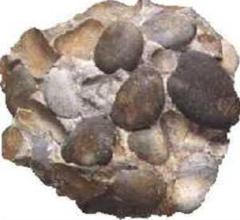
Describe the texture of breccia.

a)

vesicular

b)

clastic

c)

crystalline

d)

bioclastic

49.

Which of the following is a land-derived sedimentary rock?

a)

rock gypsum

b)

limestone

c)

gabbro

d)

conglomerate

50.

Describe the method of lithification for sandstone.

a)

melting and solidification

b)

compaction and cementation

c)

evaporation and precipitation

d)

extreme heat and pressure

51.

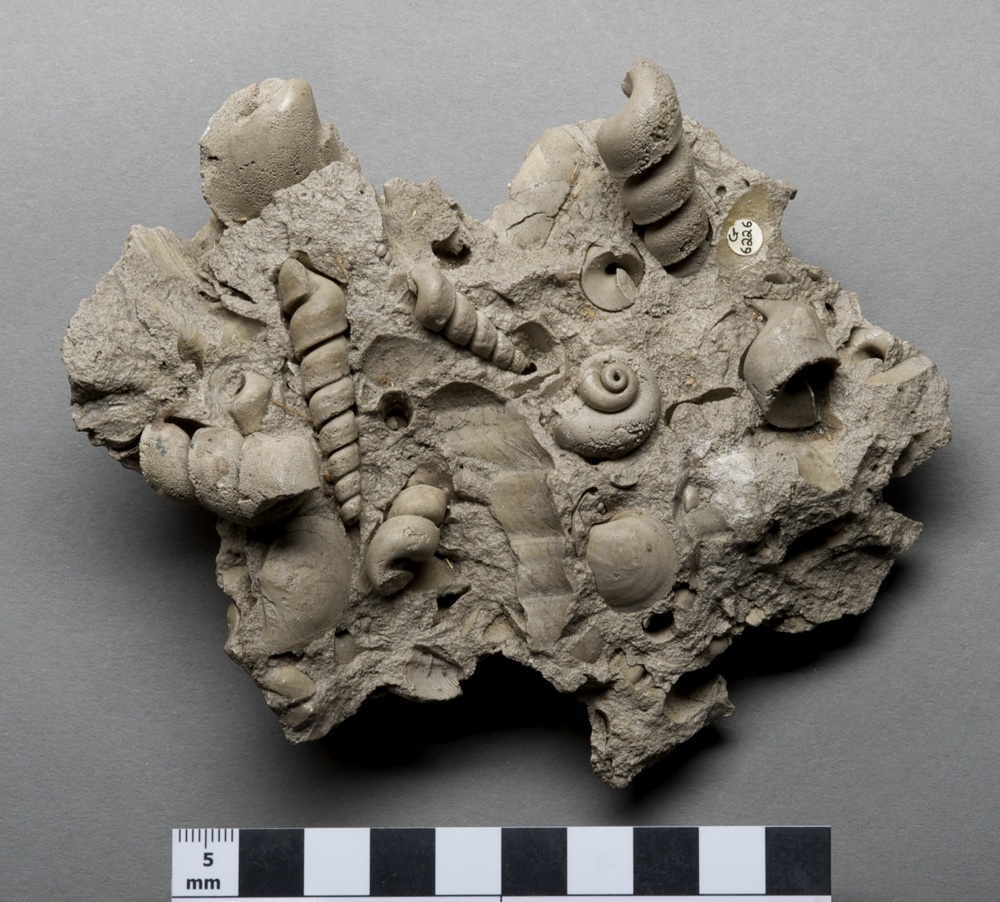
Describe the texture of limestone.

a)

bioclastic

b)

clastic

c)

vesicular

d)

glassy

52.
Rock made of layers of compressed sediments
a)
metamorphic rock
b)
igneous rock
c)
sedimentary rock
d)
school house rock
53.
What characteristic to sedimentary rocks often have?
a)
weather patterns
b)
tiny crystals
c)
striped layers
d)
glassy surfaces
54.
Small pebbles, pieces of other rock, and sand are called?
a)
weathering
b)
sediment
55.
The process by which running water, wind, or ice carry away bits of broken-up rock
a)
weathering
b)
sediment
c)
erosion
d)
cememtation
56.
The process in which dissolved minerals crystallize and glue sediment together.
a)
cementation
b)
deposition
c)
organic rock
57.

Which formation process do most sedimentary rocks follow?

a)

cementation, compaction, deposition, erosion

b)

erosion, compaction, cementation, deposition

c)

erosion, deposition, compaction, cementation

58.

Which best describes deposition?

a)

sediment pressing together

b)

dissolved minerals crystallize and glue particles together

c)

particles settle as loosely packed sediment

d)

running water or wind carry away fragments of rock

59.

Which process best describes compaction?

a)

particles are squeezed together under pressure

b)

particles glue together as minerals harden

c)

sediment settles

60.
Sedimentary Rocks are often made up of other rocks and minerals.
a)
True
b)
False
61.
What is the breaking down of rocks?
a)
Weathering
b)
Clastic
c)
Vesicular
62.
What is deposition?
a)
Pieces of sediment come to rest on a surface
b)
Movement of sediment
c)
Breaking down of sediment 
63.
What is the correct order of making and dropping off of sediments?
a)
weathering, erosion, deposition 
b)
erosion, weathering, deposition
c)
weathering, deposition , erosion
64.
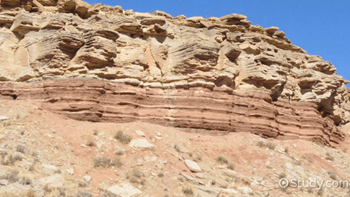
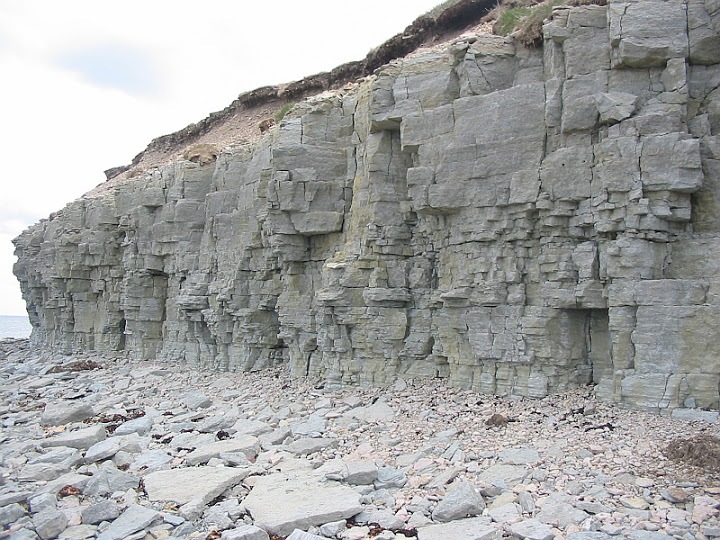
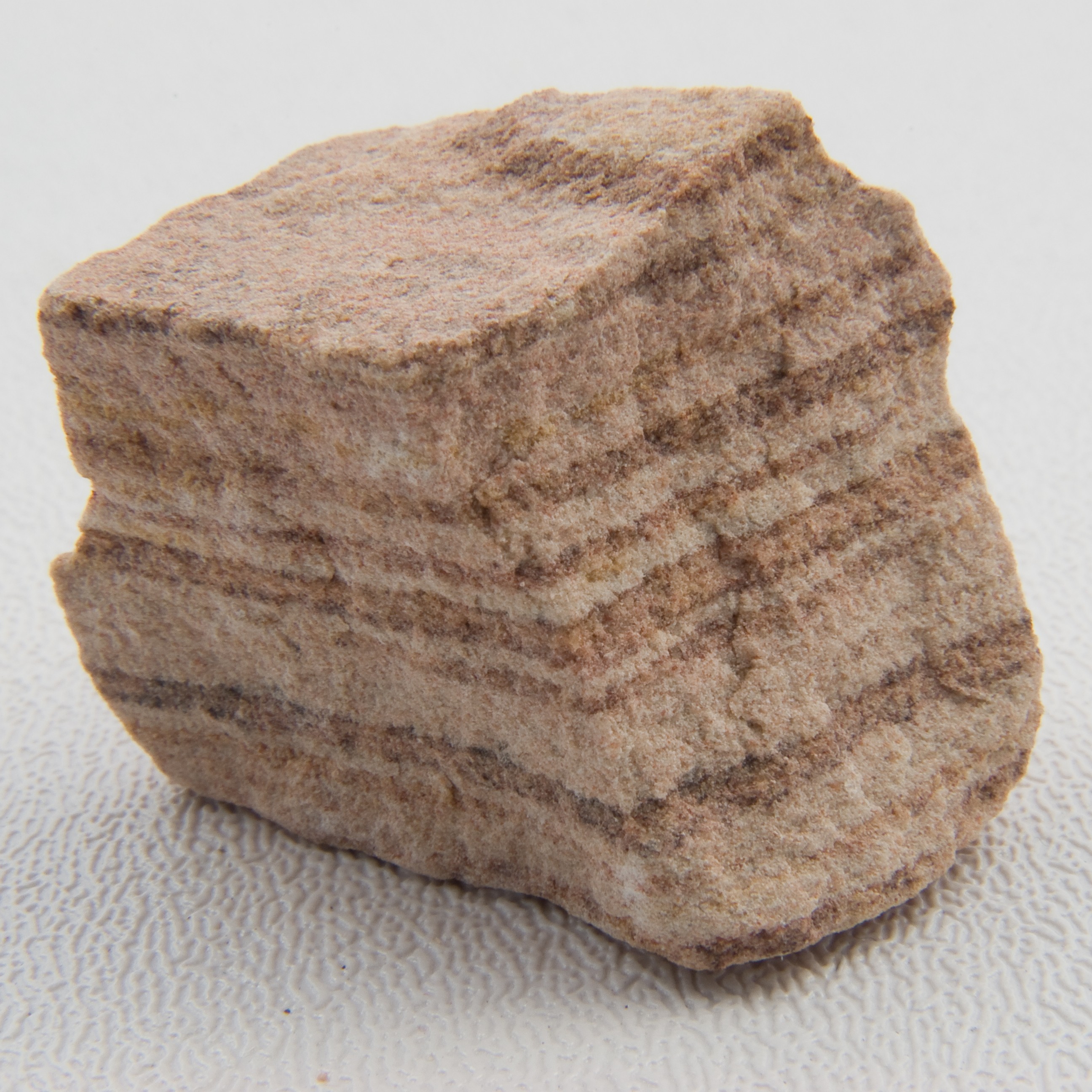
Wind and water have eroded this rock to show the layers of sediment that were laid down millions of years ago. What type of rock is this?
a)
Sedimentary
b)
Igneous
c)
Metamorphic
65.
When the weight of new  sediment layers is deposited on top of older layers
a)
erosion
b)
compaction
c)
pressure
d)
weathering
66.
What causes contact metamorphism? 
a)
Pressure
b)
Heat
67.
Metamorphic rocks are foliated if their mineral grains are arranged randomly.
a)
true
b)
false
68.
Any rock formed when another rock is changed by heat or __________ is a metamorphic rock.
a)
pressure
b)
arrangement
69.
Metamorphic rock can form out of other metamorphic rock.
a)
true
b)
false
70.
Geologists classify metamorphic rocks according to the __________ of the grains making up the rocks.
a)
pressure
b)
arrangement
71.
The deeper a rock is buried in the crust, the greater the pressure on that rock.
a)
true
b)
false
72.

Term used to describe metamorphic rocks that have grains arranged in parallel layers or bands.

a)

exfoliated

b)

foliated

c)

nonfoliated

d)

unfoliated

73.
What causes regional metamorphism?
a)
Pressure
b)
Heat
74.
What causes the heat for contact metamorphism? 
a)
Magma
b)
Fault lines
75.
What causes the pressure for regional metamorphism? 
a)
Magma
b)
Fault lines
76.
How is a metamorphic rock made?
a)
By intense heat and/or pressure
b)
By compacting and cementing
c)
Cooling and solidification of lava or magma
77.
Metamorphic rocks form from ___.
a)
igneous rocks
b)
other metamorphic rocks
c)
sedimentary rocks
d)
all types of rocks
78.
__________ metamorphism occurs when magma heats the surrounding rock and changes it.
a)
Regional
b)
Forced
c)
Igneotrophic
d)
Contact
79.
__________ metamorphism occurs when rock formations in the crust collide and build pressure
a)
Regional
b)
Forced
c)
Igneotrophic
d)
Contact
80.

Which type of rock is formed from the solidification of magma or lava?

a)

igneous

b)

sedimentary

c)

metamorphic

d)

bioclastic

81.

Where is magma located?

a)

above ground

b)

below ground

c)

in the stratosphere

d)

in the thermosphere

82.

Where is lava located?

a)

above ground

b)

below ground

c)

in the core

d)

in the mantle

83.

Describe the texture of the following igneous rock.

a)

smooth

b)

coarse

c)

vesicular

d)

glassy

84.

Describe the texture of the following igneous rock.

a)

glassy

b)

rough

c)

vesicular

d)

coarse

85.
Intrusive Igneous rocks will be 
a)
coarse grain
b)
fine grain
86.
How do Intrusive Igneous rocks cool?
a)
quickly
b)
slowly
c)
really fast
87.
Coarse or Fine
a)
coarse
b)
fine
88.

Which terms best describe igneous rocks?

a)

light and easily broken

b)

soft and smooth

c)

hard and dense

d)

soft and dense

89.

How do coarse-grained intrusive igneous rocks form?

a)

from sedimentary rocks changed under pressure

b)

from large rock particles cemented together

c)

from rapidly cooling lava

d)

from slow cooling magma

90.

Igneous rocks are classified by their origin, texture, and mineral composition.

a)

True

b)

False

91.
How can a metamorphic rock change form into an igneous rock? The rock would....
a)
melt and then cool
b)
undergo heat and pressure
c)
chicken
92.
A type of rock that forms from the cooling of molten rock at or below the surface of the Earth
a)
Igneous Rock
b)
Metamorphic Rock
c)
Sedimentary Rock
d)
Chemical Rock
93.
Igneous rock that forms from lava on Earth's surface
a)
Organic Rock
b)
Intrusive Rock
c)
Extrusive Rock
94.
Igneous rock that forms when magma hardens beneath Earth's surface
a)
Intrusive Rock
b)
Compaction
c)
Extrusive Rock
95.
What does it mean for a rock to be extrusive
a)
formed from magma
b)
Have Rounded Edges  formed from heat and pressure
c)
Form from Lava
d)
Form By Sediment
96.
The process by which igneous rocks are formed...
a)
heat and pressure deep underneath earth's surface
b)
melting and cooling of magma
c)
compaction and cementation of sediments
97.

Clastic & non-clastic are 2 types of.....

a)

Sedimentary

b)

Igneous

c)

Metamorphic

98.

What is the parent material of all rocks?

a)

Magma

b)

Lava

c)

Sedimentary

d)

Organic matter

99.

When large rocks are broken down into smaller parts by physical and chemical means

a)

Weathering

b)

Erosion

c)

Both

d)

Neither

100.

Foliated & non-foliated are 2 types of...

a)

Sedimentary

b)

Metamorphic

c)

Igneous

101.

Intrusive & extrusive are 2 types of...

a)

sedimentary

b)

metamorphic

c)

Igneous

102.

The name of a person that studies rocks and the earth.

a)

veterinarian

b)

geologist

c)

podiatrist

d)

teacher

103.
The process when rocks break into smaller pieces due to exposure to natural elements is called
a)
erosion
b)
weathering
c)
sediments